





Introduction: The Rise of Esports
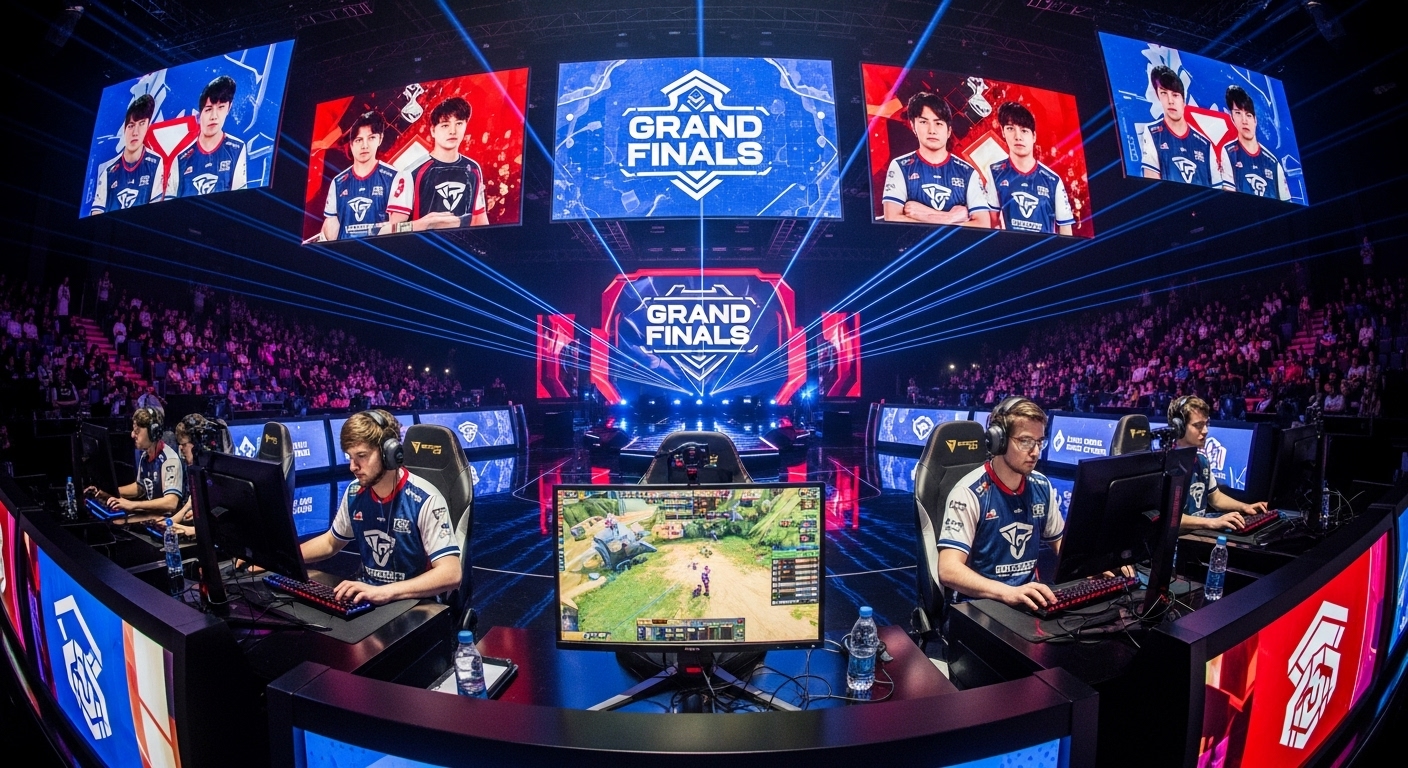
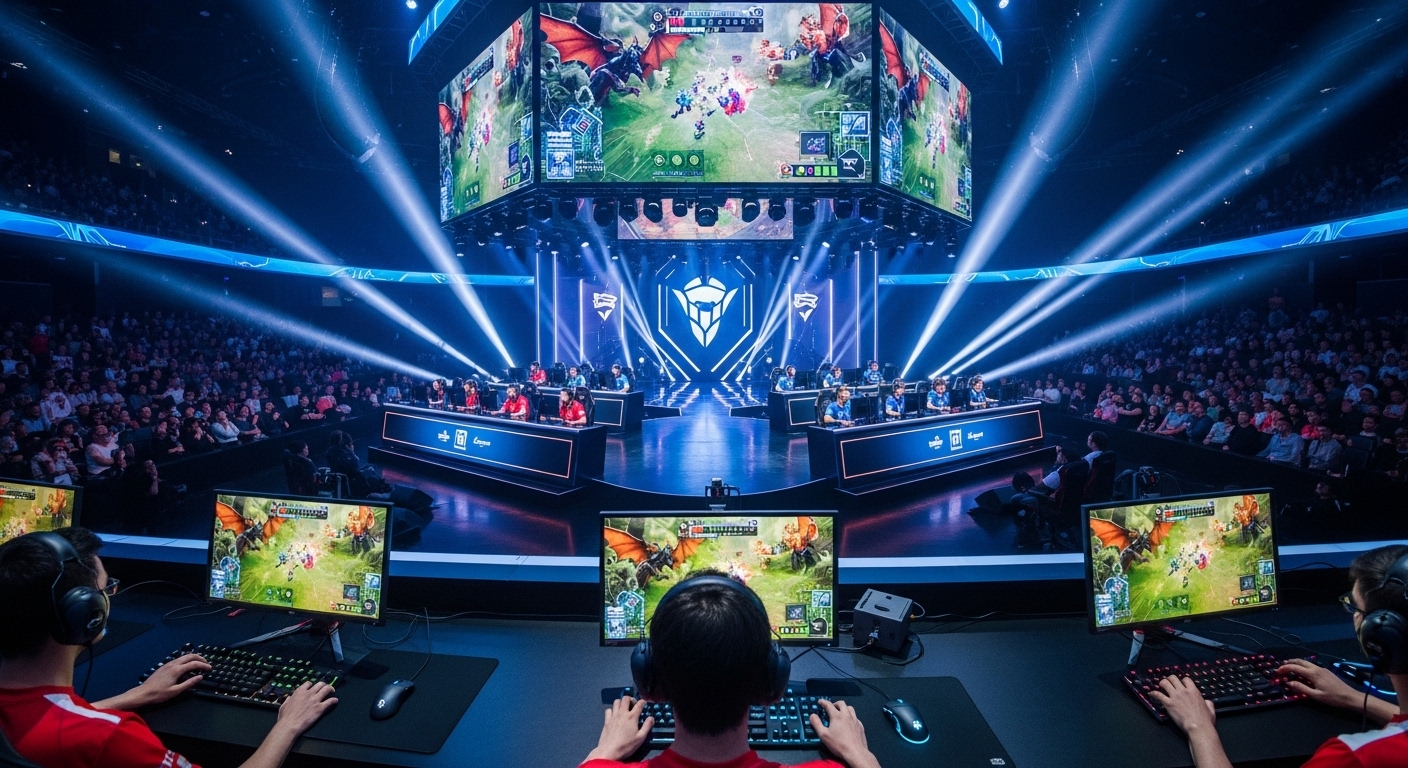
Over the last two decades, esports has evolved from a niche hobby to a global phenomenon that has reshaped the landscape of competitive gaming. What began as casual video game tournaments among friends has now blossomed into a multi-billion-dollar industry with professional leagues, sponsorships, and millions of dedicated fans worldwide. Esports, short for electronic sports, is no longer just about playing video games for fun; it has become a legitimate career for many, a form of entertainment for millions, and an avenue for athletes to showcase their skills on a global stage.
Esports encompasses a wide range of competitive video games, from real-time strategy games like StarCraft to multiplayer online battle arenas (MOBAs) like League of Legends and Dota 2, first-person shooters (FPS) like Counter-Strike and Call of Duty, and battle royale games like Fortnite. As the esports ecosystem continues to expand, it is transforming how we view gaming, competition, and entertainment. In this blog post, we will explore the world of esports, tracing its origins, understanding its impact on gaming culture, and examining the future of this rapidly growing industry.
The Origins of Esports: From LAN Parties to Global Arenas
The roots of esports can be traced back to the early 1990s when the gaming community started organizing small-scale competitions. LAN parties (Local Area Network parties) were a key factor in the early growth of competitive gaming, where players gathered in a physical location to play games together on a local network. Popular games like Doom, Quake, and Warcraft were the foundations for these early competitions. These informal events, often hosted in college dorms or gaming cafes, set the stage for larger-scale competitive gaming.
In the late 1990s and early 2000s, the advent of broadband internet and the rise of online gaming platforms allowed players to compete remotely, paving the way for the growth of esports tournaments. The Cyberathlete Professional League (CPL), founded in 1997, was one of the first major organizations to host professional esports events, focusing on first-person shooters like Quake III Arena. This marked the beginning of esports as a professional activity, with prize money and sponsorships attracting top players from around the world.
The early 2000s also saw the birth of one of the most influential games in the esports scene: Warcraft III. The game not only sparked interest in real-time strategy (RTS) games but also laid the groundwork for the creation of competitive leagues, most notably the World Cyber Games (WCG), which held its first tournament in 2000 and featured global competition. The WCG was instrumental in bringing international recognition to esports, helping to establish gaming as a legitimate competitive pursuit.
By the mid-2000s, esports was gaining significant momentum, particularly in South Korea, where competitive gaming was becoming a national obsession. The launch of the Korean e-Sports Association (KeSPA) and the establishment of dedicated television channels, such as OGN and MBCGame, brought esports into the mainstream. The popularity of StarCraft in South Korea was the catalyst that helped propel esports to a global level, with professional players achieving celebrity status and major tournaments attracting large audiences both online and in person.
The Evolution of Esports: Professionalization and Global Expansion
As esports continued to grow, so did its infrastructure. The early informal competitions were replaced with structured leagues, sponsorships, and broadcasting platforms that turned esports into a fully-fledged industry. One of the most significant milestones in this evolution was the creation of League of Legends (LoL) by Riot Games in 2009. LoL quickly became one of the most popular esports titles, featuring team-based play and a fast-paced, strategic format that made it highly appealing for competitive gaming.
In 2011, The International (TI), the premier tournament for Dota 2, was introduced by Valve Corporation. With a multi-million-dollar prize pool, TI set new standards for competitive gaming, bringing esports to the forefront of the gaming world. The enormous prize money, coupled with the global appeal of the tournament, elevated esports to a new level of visibility and legitimacy.
The rise of Twitch, a live streaming platform for gamers, in 2011 provided the perfect platform for players, teams, and tournament organizers to broadcast their matches and build fan bases. Twitch’s live streaming model allowed fans to interact with players in real time, further solidifying the community aspect of esports. This platform has played a central role in the growth of esports, with millions of viewers tuning in to watch top-tier competitions like the League of Legends World Championship or The International.
By the mid-2010s, esports had expanded into the global stage, with major tournaments taking place in cities around the world. Leading esports organizations such as Cloud9, Fnatic, Team Liquid, and SK Telecom T1 became household names, with players signing multi-million-dollar contracts and earning sponsorship deals from global brands. As esports continued to gain recognition, the question of whether it should be considered a “true” sport began to surface, and many people in the traditional sports industry began to see esports as a legitimate competitive pursuit.
The Economic Impact of Esports: A Billion-Dollar Industry
Today, esports is a booming industry that generates billions of dollars annually through various revenue streams. These include sponsorships, advertising, ticket sales, merchandising, and media rights. Major brands such as Coca-Cola, Intel, Samsung, and Red Bull are now heavily involved in esports sponsorships, helping to fuel the growth of professional leagues and events.
One of the primary drivers of revenue in esports is the sale of broadcasting rights. As the popularity of esports events grew, media outlets and digital streaming platforms began to pay large sums for the rights to broadcast competitions. This has enabled esports to become a multi-platform experience, with tournaments streamed on platforms like Twitch, YouTube, and even television networks in certain regions.
Esports also has a significant impact on the economy through job creation. From professional players and coaches to event organizers, broadcasters, and content creators, the esports industry provides employment opportunities for thousands of people worldwide. Esports has also led to the creation of esports arenas and training facilities, providing a physical infrastructure that supports the competitive scene. The growth of esports betting has also contributed to the financial ecosystem, adding an additional layer of excitement for fans.
The Culture of Esports: Fans, Communities, and the Rise of Streaming
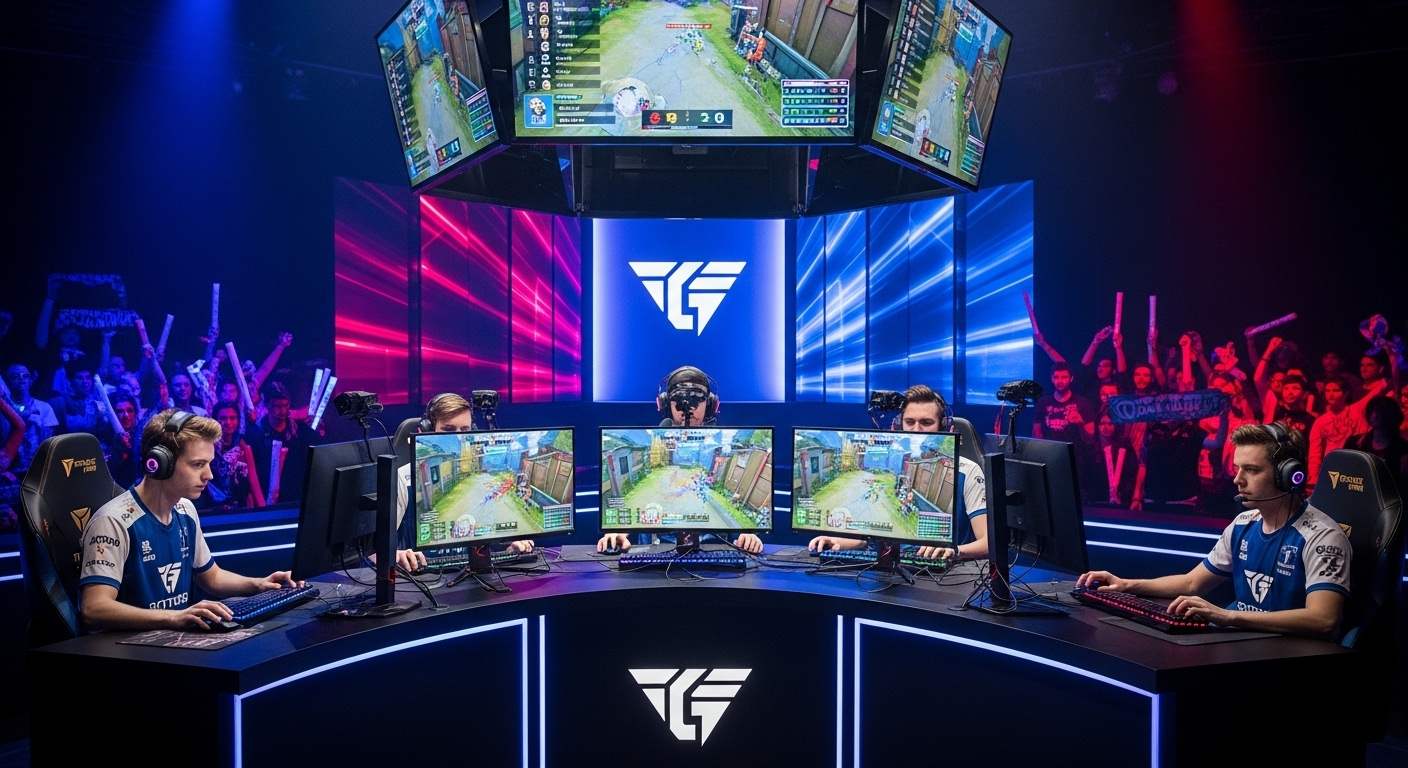
The culture of esports is heavily intertwined with the communities that support it. Unlike traditional sports, where fans generally rally behind teams from their cities or countries, esports fans often identify with specific players, game titles, or organizations. The level of engagement between esports players and fans is unparalleled, with players regularly interacting with their followers through social media, live streams, and fan meet-ups.
Twitch and other streaming platforms have made it easier for fans to connect with their favorite players and watch live broadcasts of their matches. This real-time engagement has made esports a highly interactive form of entertainment, where fans can chat with players, watch gameplay, and even get involved in community events. Esports content creators also play an essential role in fostering the culture of gaming, with personalities like Ninja, Shroud, and Pokimane becoming some of the biggest names in entertainment.
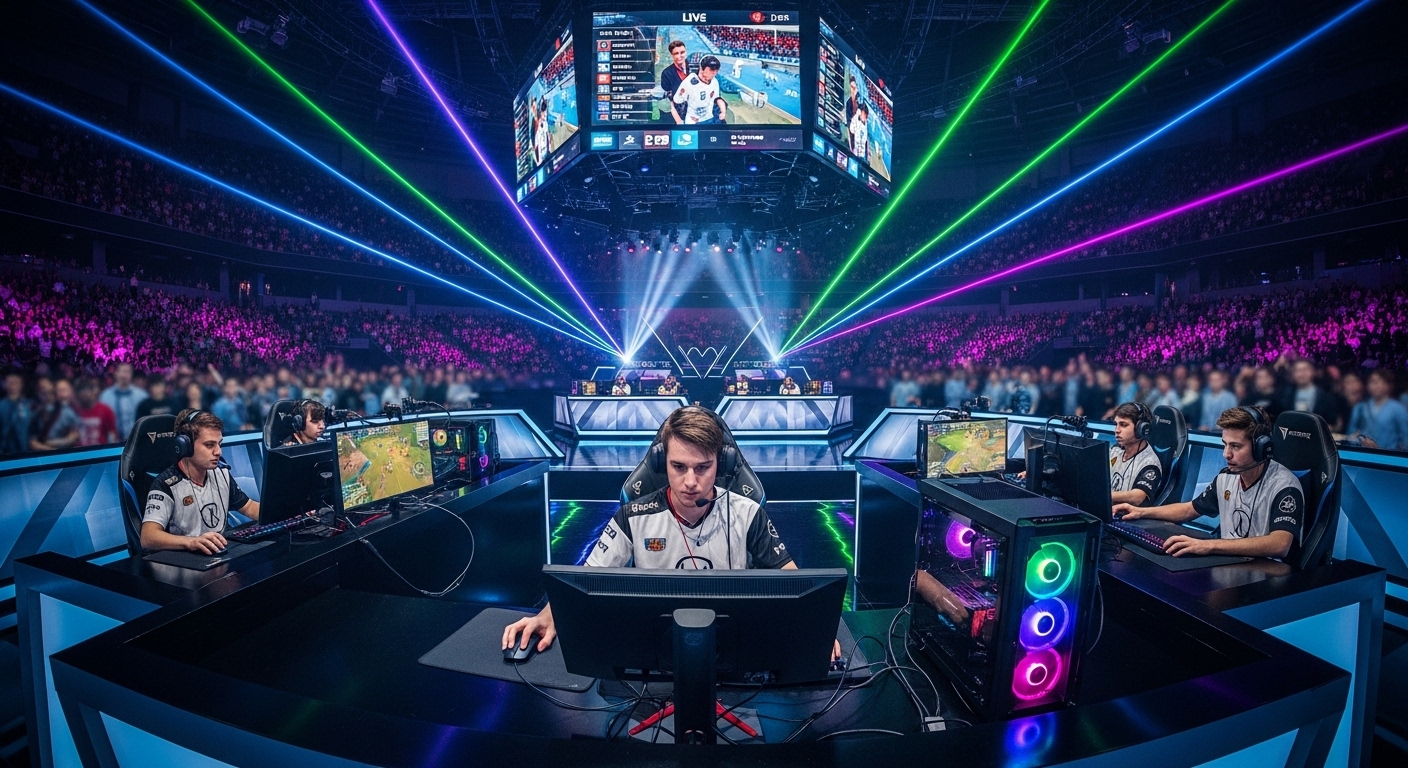
Esports events have also become major social gatherings, with fans attending tournaments and viewing parties to celebrate their favorite games. The sense of camaraderie and shared enthusiasm for competitive gaming has helped build a global community that transcends borders, languages, and cultures. Esports conventions and fan festivals, such as ESL One and BlizzCon, offer fans a chance to experience the excitement of the competitive scene up close, while also providing opportunities to meet the players and creators they admire.
The Future of Esports: Innovation and Opportunities
The future of esports is bright, with continued growth expected across all aspects of the industry. With new technologies like virtual reality (VR) and augmented reality (AR) gaining traction, esports is set to become even more immersive. These technologies will allow fans to experience competitions in entirely new ways, possibly even participating in games themselves or viewing matches from different perspectives.
The expansion of esports into mobile gaming is another area of growth. As smartphones continue to improve in terms of performance and connectivity, mobile gaming is becoming a more prominent part of the esports ecosystem. Games like PUBG Mobile and Mobile Legends have already seen success in global tournaments, and mobile esports is expected to continue its upward trajectory, particularly in regions with growing internet penetration.
Another exciting development is the growing interest in esports in education. Many universities now offer scholarships for esports players, and some have even created dedicated esports programs. Esports are being integrated into the academic curriculum as a legitimate extracurricular activity, opening up opportunities for students to pursue careers in gaming, broadcasting, event management, and marketing.
Conclusion: Esports as a Cultural and Competitive Force
Esports has come a long way from its humble beginnings in basement tournaments and LAN parties. Today, it is a global industry, drawing millions of viewers, offering lucrative careers for players, and creating a vibrant community that unites people from all over the world. As technology continues to advance and the industry grows, esports will undoubtedly become an even more prominent force in the world of entertainment.
Esports has proven that gaming is not just a form of entertainment but also a competitive pursuit that requires skill, strategy, and dedication. With its ever-expanding reach, esports has already reshaped the way we think about