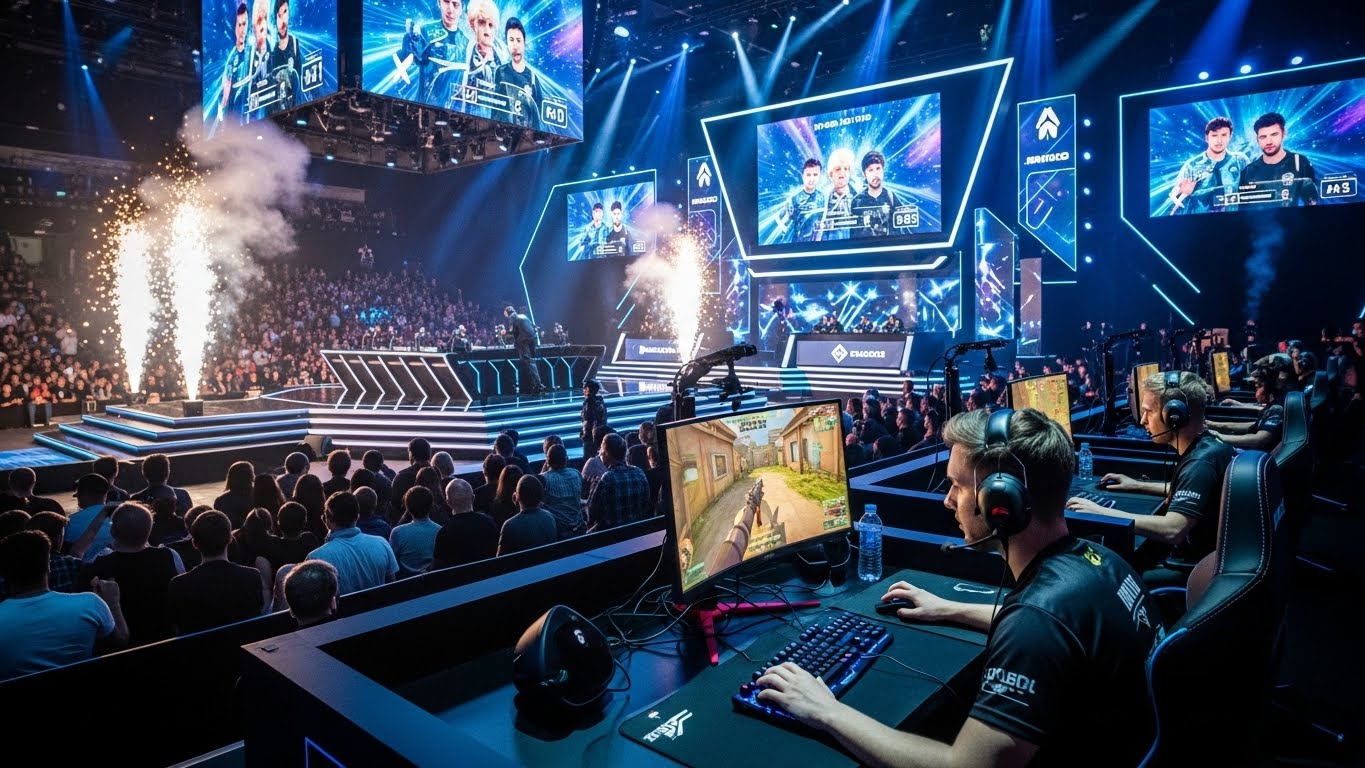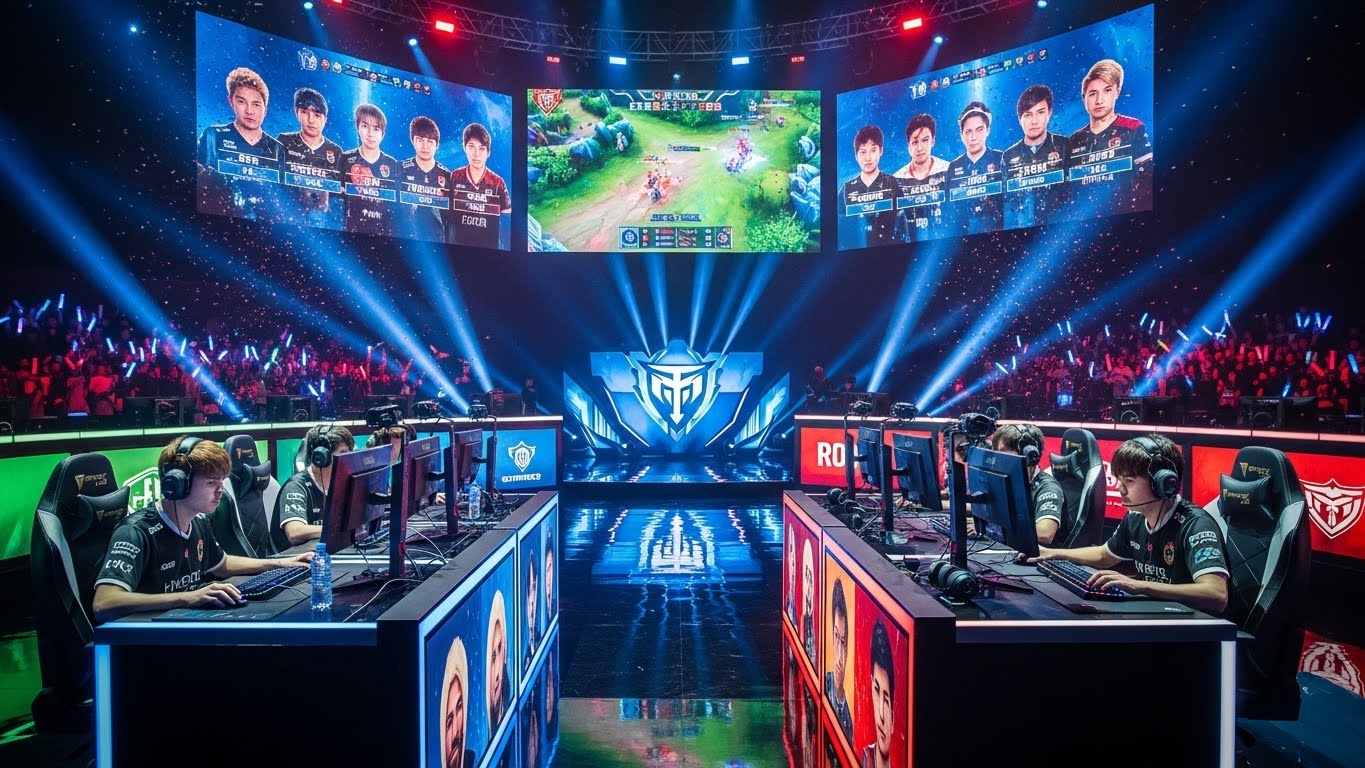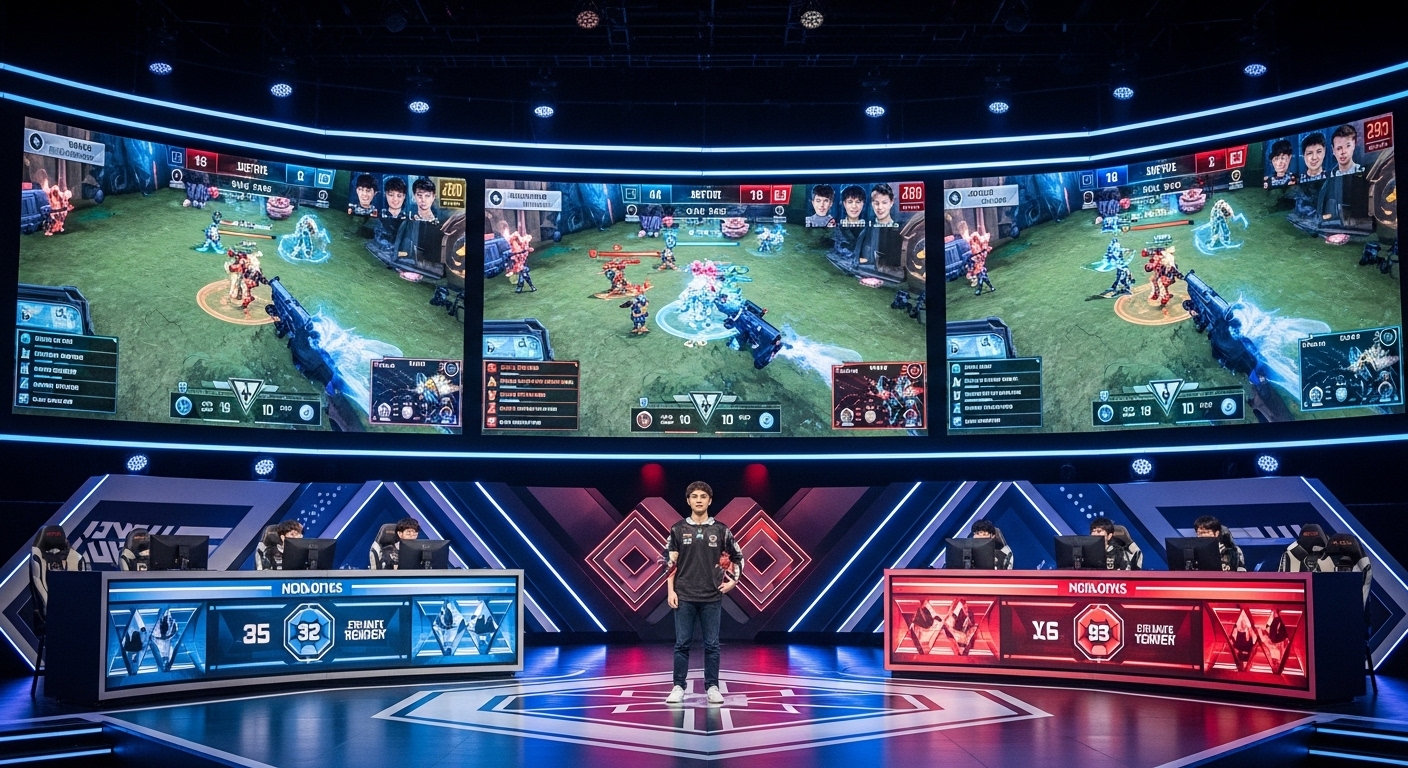






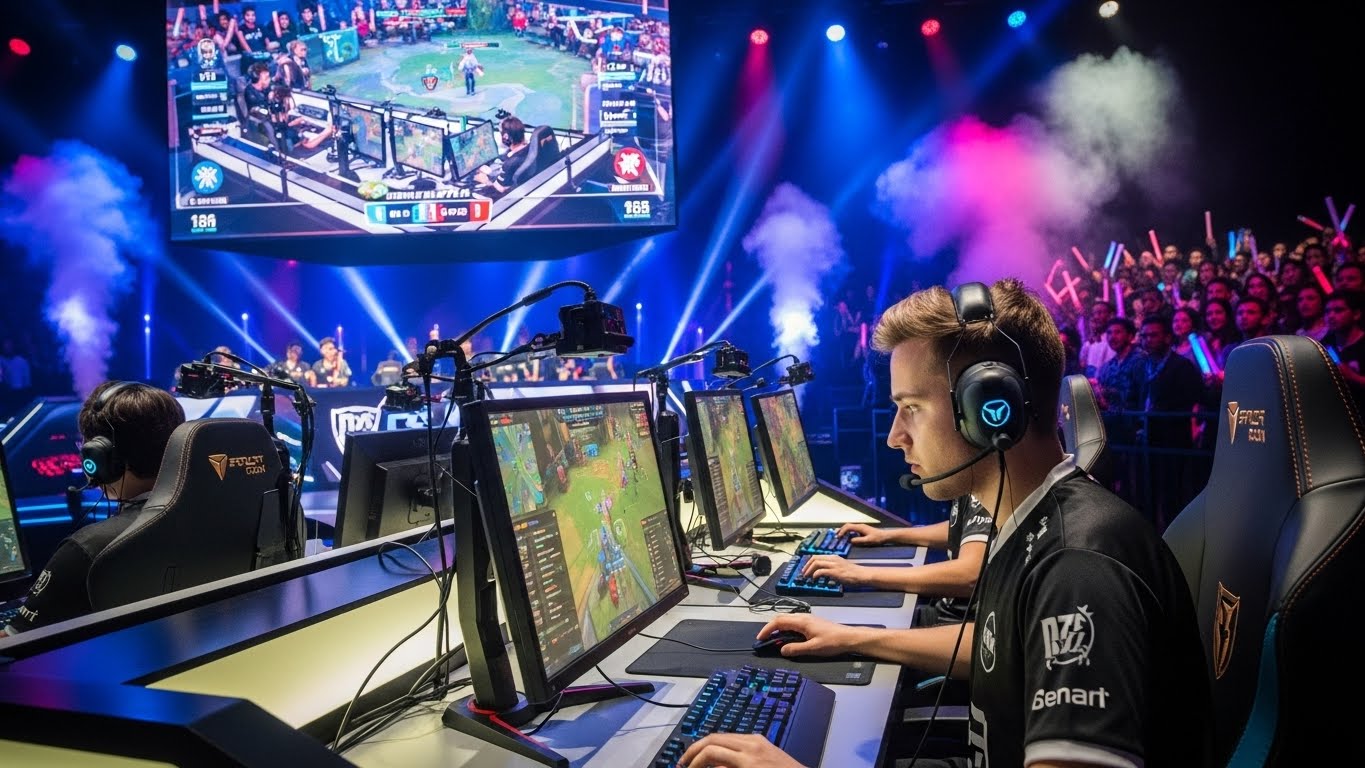
Esports, or electronic sports, has emerged from a niche hobby to a multi-billion-dollar global industry. What once was considered a pastime for gamers is now an international spectacle, drawing millions of viewers and offering lucrative career opportunities. This rise is not just a trend but a cultural shift that has redefined what it means to compete in sports. With the world of esports becoming increasingly influential, it’s essential to understand what makes it tick, its history, its impact on society, and the future it holds.
The Birth of Esports: From Arcade to Arena
Esports’ journey began in the 1990s with the rise of competitive gaming in arcades. Video games, which had long been a form of entertainment, became a new arena for skill-based competition. Titles like Street Fighter and Doom were among the first games to see competitive play, laying the groundwork for what would later become a thriving global ecosystem.
The introduction of the internet in the late ’90s and early 2000s gave gamers the opportunity to compete with others online, which significantly expanded the scope of competitive gaming. Games like Starcraft and Warcraft became central to the growing esports scene, with tournaments being held in physical locations and broadcasted for large audiences.
However, it wasn’t until the early 2010s that esports truly found its footing in mainstream culture. Games such as League of Legends, Dota 2, and Counter-Strike: Global Offensive (CS: GO) attracted millions of players and viewers, setting the stage for professional leagues, sponsorships, and even college scholarships for esports players.
The Rise of Esports Leagues and Professionalism
A major turning point in esports came with the formation of professional leagues and organizations. In traditional sports, leagues such as the NBA, NFL, and Premier League have established structures and financial ecosystems that support the players and the industry at large. Esports has started to mirror this model with the introduction of major leagues and tournaments that operate similarly to their traditional sports counterparts.
For example, League of Legends (LoL) became one of the first games to adopt a fully professionalized league system with the launch of the League of Legends Championship Series (LCS) in 2013. This marked the beginning of a new era for esports, as it provided players with consistent salaries, sponsorships, and a more structured competition calendar. Since then, other games like Overwatch, Call of Duty, and Rocket League followed suit, creating professional leagues with large-scale sponsorships and media deals.
The development of large-scale tournaments, such as The International (Dota 2’s annual championship) and CS: GO’s Major Tournaments, further propelled esports into the limelight. These events boast multi-million-dollar prize pools and are watched by millions across streaming platforms like Twitch and YouTube. The prize money and fame that come with these competitions are not dissimilar to those found in traditional sports tournaments, showcasing the growing legitimacy of esports.
Esports as a Global Phenomenon
One of the most fascinating aspects of esports is its global appeal. Competitive gaming transcends borders and unites people from all over the world. This worldwide reach is made possible by the internet and digital platforms that allow anyone with a computer or console to compete or watch in real time.
In countries like South Korea, esports has already achieved national prominence, with games like Starcraft becoming a cultural phenomenon. Players in South Korea are treated like sports stars, with dedicated training facilities, government support, and massive fan bases. The infrastructure and government backing in Korea have set a global example for how esports can integrate into mainstream society.
Similarly, in China, esports is also seen as a legitimate career path. The country’s government has recognized esports as a sport and has made significant investments in infrastructure, education, and esports teams. China hosts some of the largest esports tournaments in the world, such as the League of Legends World Championship, which attracts massive live audiences and draws viewers from across the globe.
The United States and Europe have also contributed significantly to the rise of esports, with major organizations and events taking root in these regions. From the explosion of Fortnite to the dominance of League of Legends, esports has established a firm foothold in Western markets.
The Economic Impact of Esports
Esports is no longer just about playing video games. It is a billion-dollar industry that has created jobs, revenue streams, and new markets. In 2022, the global esports industry was valued at over $1 billion, and it is expected to grow exponentially in the coming years.
One of the primary drivers of this growth is sponsorship. Major brands, including Coca-Cola, Intel, and Nike, have invested in esports, recognizing its potential to reach a young, tech-savvy audience. These brands partner with teams, events, and influencers to promote their products, making esports an increasingly lucrative advertising space.
Broadcasting and media rights also play a significant role in the financial boom of esports. Streaming platforms like Twitch and YouTube have become essential for esports viewership, providing broadcasters with the platform to showcase tournaments and events to a global audience. Companies that own the broadcasting rights to major tournaments can generate millions of dollars in advertising and licensing deals, further propelling the growth of the industry.
Additionally, esports has sparked the development of entire ecosystems, including esports arenas, training facilities, and merchandise sales. These revenue sources support not just the players but also coaches, analysts, event organizers, and even content creators who generate additional engagement and excitement around esports.
Esports and its Cultural Impact
The rise of esports has also influenced popular culture in ways that extend beyond the gaming community. Esports athletes, or “pro gamers,” have become celebrities in their own right, achieving mainstream recognition through their participation in high-stakes tournaments. As these players become role models, they help shape the conversation around gaming as a legitimate and respected career path.
The cultural impact of esports has also been seen in traditional sports. Many professional athletes and sports teams have invested in esports, either by sponsoring teams or forming their own esports divisions. This cross-pollination between esports and traditional sports continues to bridge the gap between the two industries.
Moreover, esports has given rise to a new type of celebrity: the streamer. Platforms like Twitch and YouTube allow gamers to broadcast their gameplay to an audience, leading to the creation of a new class of influencers who can attract millions of followers. These streamers are able to make a living through donations, subscriptions, and sponsorships, establishing esports as a platform for not just competition but also entertainment and content creation.
The Future of Esports: Opportunities and Challenges
As esports continues to grow, the opportunities for both players and fans are becoming increasingly diverse. The emergence of virtual reality (VR) and augmented reality (AR) technology promises to revolutionize the way esports is played and watched. Imagine a future where fans can experience tournaments in immersive 3D environments, or players can compete in fully interactive virtual spaces. The potential for innovation in esports is immense.
However, with this growth comes a host of challenges. Esports, like traditional sports, faces issues such as player burnout, mental health concerns, and sustainability. The intense training schedules and pressure to perform at the highest level can take a toll on players, leading to a rise in stress-related disorders. Furthermore, the rapid growth of esports has led to concerns over its long-term sustainability, especially when it comes to maintaining a balance between entertainment and competition.
Despite these challenges, the future of esports looks bright. With increased investments, better infrastructure, and a growing fan base, esports is set to continue its upward trajectory.
Conclusion: Esports as the Future of Competitive Entertainment
Esports is no longer a passing trend. It has firmly embedded itself into the global cultural and economic fabric. The industry’s continued expansion shows that competitive gaming is here to stay and will likely evolve even further, blending elements of technology, entertainment, and traditional sports in exciting new ways.
As esports continues to grow, it will reshape how we view competition, talent, and entertainment. Whether you’re a player, a fan, or someone just starting to explore the world of esports, there’s never been a better time to be part of this fast-evolving landscape. The future of competitive gaming is bright, and esports is ready to take center stage.