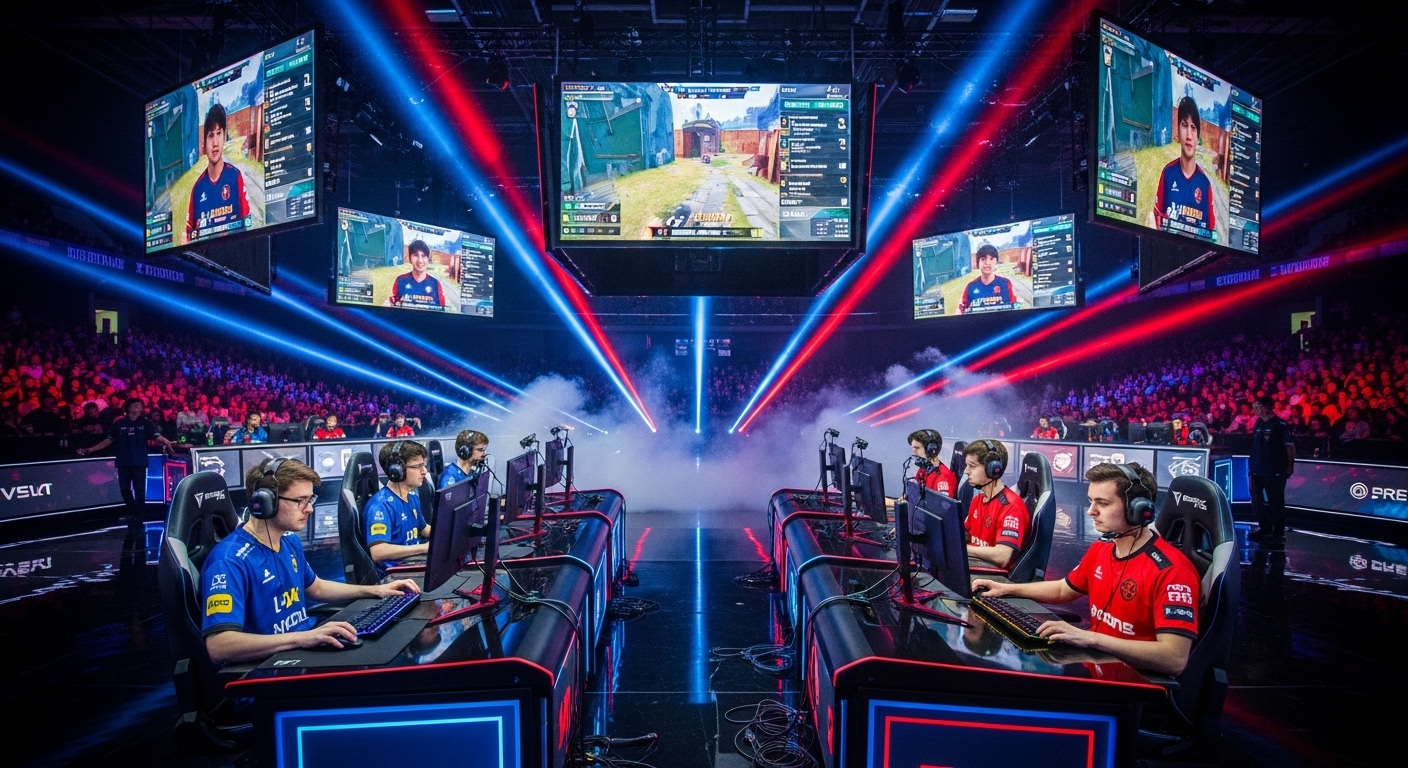






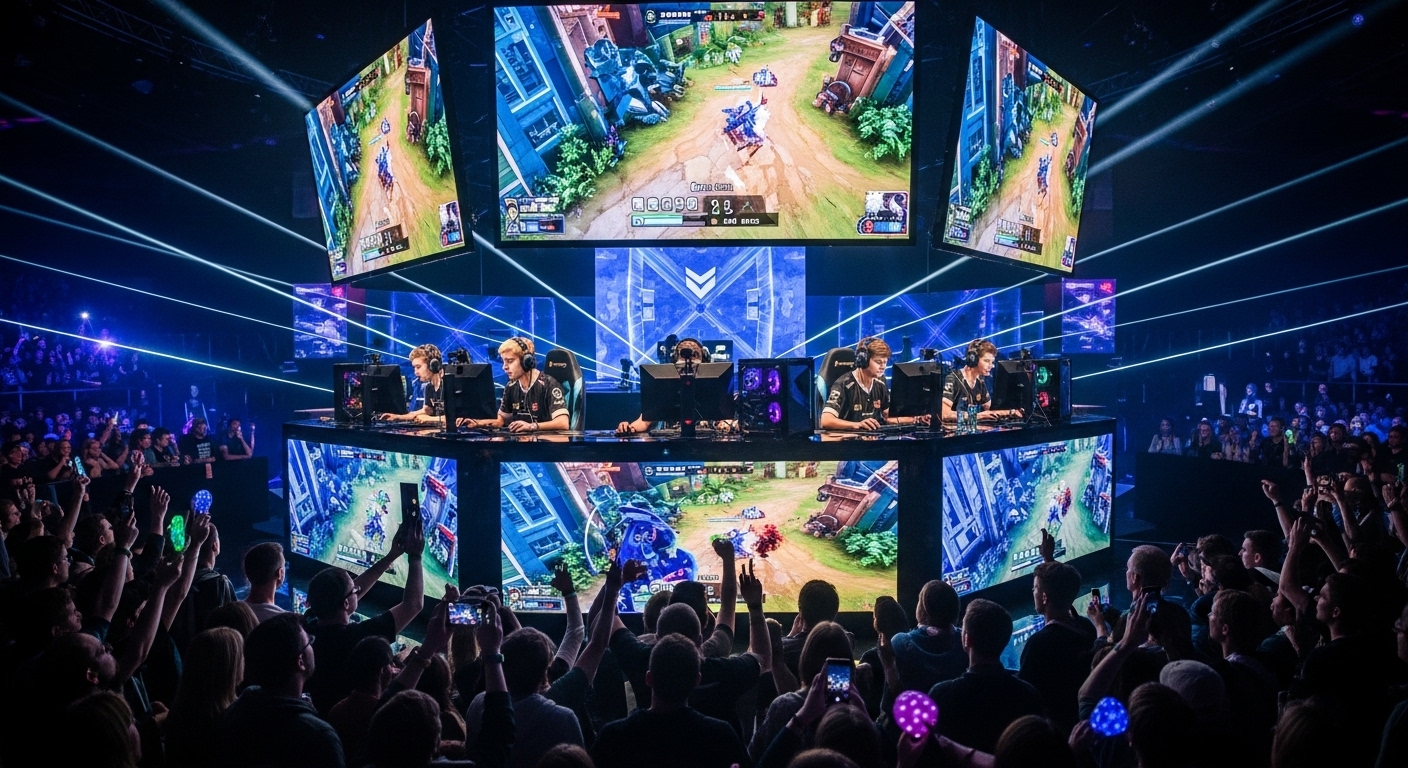
Esports, once considered a niche interest, has transformed into a global phenomenon. In recent years, competitive video gaming has moved from the confines of bedroom tournaments to sold-out arenas, attracting millions of viewers and turning professional players into celebrities. As the industry continues to grow, esports has evolved into a multibillion-dollar business, with a dedicated fanbase, sponsorships, merchandise, and massive prize pools.
In this blog post, we will explore the rise of esports, its impact on gaming culture, the professional landscape, and the future of competitive gaming. Whether you’re a gamer yourself or simply curious about this fast-growing industry, understanding esports is crucial to grasping the future of entertainment and digital competition.
The Origins of Esports: From LAN Parties to Global Arenas
Esports traces its origins back to the early days of video gaming. In the 1970s and 1980s, gaming was largely a solitary activity, with players enjoying arcade machines or single-player console games. However, as multiplayer gaming began to emerge in the 1990s, the foundation for competitive gaming was laid. Early multiplayer titles like Doom and Warcraft paved the way for gamers to interact with each other, setting the stage for more formalized competitions.
One of the key moments in the history of esports was the Quake and StarCraft tournaments in the late 1990s and early 2000s. These early competitive events were often held at LAN (Local Area Network) parties, where players would gather in person, connecting their computers to compete. At the time, the esports scene was still small, but it was clear that there was a passionate and competitive community of gamers ready to showcase their skills.
The development of faster internet connections and online gaming platforms in the 2000s played a pivotal role in the growth of esports. Players no longer had to be in the same physical location to compete, opening the door for larger-scale competitions. This digital shift laid the foundation for the global tournaments we see today, where players can compete from anywhere in the world, and viewers can watch live broadcasts from their homes.
The Explosion of Competitive Gaming
By the mid-2000s, esports had started to gain more traction, especially in countries like South Korea, where games like StarCraft and League of Legends became national pastimes. The growth of online gaming platforms such as Battle.net and Steam made it easier for players to connect, form teams, and compete in organized tournaments. These platforms provided a solid infrastructure for competitive gaming, creating a more professional environment for players.
The early esports tournaments were modest, often featuring small prize pools and grassroots-level competition. However, the release of League of Legends in 2009 marked a turning point. Riot Games, the developer behind LoL, introduced a highly structured competitive scene that included regional leagues, global championships, and sponsorships from major brands. This helped to solidify esports as a legitimate professional sport and set the stage for other games to follow suit.
In 2011, the first League of Legends World Championship took place, drawing attention to the potential of esports as a global spectacle. The event featured teams from around the world, and with a prize pool of $100,000, it was clear that esports was starting to attract significant financial backing. This trend only continued to grow, with more games adopting structured competitive formats, leading to the establishment of massive esports organizations, leagues, and tournaments.
Esports Today: A Multibillion-Dollar Industry
Esports is no longer just about the thrill of competition; it is a fully-fledged entertainment industry. Today, esports tournaments are broadcast globally, with professional players earning lucrative salaries and sponsorships. The industry has attracted investments from major companies, including Coca-Cola, Intel, and Pepsi, and its audience continues to grow at an exponential rate.
The most prominent esports events are now hosted in large arenas, where thousands of fans gather to watch professional players battle it out. These events are also broadcast live on Twitch, YouTube, and other streaming platforms, allowing millions of viewers worldwide to tune in and cheer for their favorite teams and players. Esports events like The International (Dota 2), The League of Legends World Championship, and The Overwatch League regularly draw in massive audiences both online and in person.
One of the most striking aspects of esports today is its global appeal. The largest tournaments are now broadcast in multiple languages, allowing fans from different countries to participate in the excitement. The diversity of games played in esports is also a contributing factor to its widespread popularity. While games like League of Legends, Dota 2, and Counter-Strike: Global Offensive dominate the competitive scene, esports also includes genres like fighting games (Street Fighter, Super Smash Bros.), battle royales (PUBG, Fortnite), and sports simulation games (FIFA, NBA 2K).
This variety ensures that there is something for everyone, from casual viewers to die-hard fans, and from strategic team-based competitions to fast-paced solo showdowns.
The Professional Esports Ecosystem
The growth of esports has created a professional ecosystem that mirrors traditional sports in many ways. Esports teams now operate like any other professional sports franchise, with coaches, analysts, and team managers overseeing players’ performance. These teams compete in regional leagues and international tournaments, with each team vying for prestigious titles and significant prize money.
Top esports players are now treated as athletes in their own right, with sponsorship deals, media appearances, and lucrative contracts. Just as football players or basketball stars sign multi-million-dollar deals, esports athletes have begun to earn similar paychecks. For example, players in high-profile games like League of Legends or Dota 2 can earn hundreds of thousands of dollars annually through salaries, tournament winnings, and sponsorships.
The rise of streaming platforms like Twitch has also become an integral part of the professional esports scene. Many top players stream their gameplay for thousands of fans, building strong personal brands and monetizing their audience through subscriptions, donations, and advertising. Streaming has created a new avenue for fans to interact with players and has given rise to the concept of the “celebrity gamer.”
Esports has also given rise to new career paths. Beyond players, there is a growing demand for analysts, casters (commentators), content creators, and event organizers. Esports events are highly produced spectacles, complete with commentary, interviews, and highlights, much like traditional sports broadcasts. The demand for skilled professionals to work in various roles within the esports industry continues to rise, creating job opportunities in media, marketing, and event management.
The Cultural Impact of Esports
Esports is not just about gaming; it has become a major cultural force that influences fashion, music, and youth culture. Esports athletes and influencers have millions of followers on social media, and their personalities and lifestyles are often as much a draw as their gaming skills. Esports has evolved into a subculture with its own set of norms, language, and style, appealing especially to younger generations.
One of the most powerful cultural impacts of esports is its ability to unite people across different backgrounds. The digital nature of esports allows anyone with an internet connection to participate in the global conversation. Players can connect with fans from around the world, regardless of geographic location, race, or nationality. This sense of community is one of the driving forces behind the continued success of esports.
The competitive gaming scene has also pushed the boundaries of what is considered “sports” in the traditional sense. Many have argued that esports should be considered a legitimate sport, as it requires intense concentration, skill, and teamwork. Just like traditional athletes, esports players undergo rigorous training schedules, practice for hours each day, and compete under intense pressure.
The Future of Esports: What Lies Ahead
The future of esports is incredibly bright, with continued growth and development on the horizon. As technology continues to advance, esports is likely to become even more immersive and interactive. Virtual Reality (VR) and Augmented Reality (AR) could play a major role in reshaping the viewing experience, allowing fans to feel as if they are part of the action.
Esports will also continue to grow in terms of professionalization. New leagues, sponsorships, and partnerships will help elevate the competitive scene, making esports a sustainable career path for many players and professionals. Universities are already beginning to offer scholarships for esports players, and the concept of esports degrees is becoming more common. As esports continues to become a respected discipline, it could one day be included in the Olympics, further solidifying its legitimacy as a global sport.
The industry’s future also looks promising from a financial perspective. With growing viewership, sponsorships, and advertising opportunities, esports will likely continue to attract investment and expand its global footprint. Countries and cities are increasingly recognizing the value of hosting esports events, leading to the construction of dedicated esports arenas and even esports cities.
Conclusion
Esports has come a long way from its humble beginnings in LAN parties and small tournaments. Today, it is a global industry, attracting millions of fans, generating billions of dollars, and offering career opportunities for thousands. The rise of esports is a testament to the power of digital entertainment and the potential for competitive gaming to become a mainstream form of entertainment.
As esports continues to evolve, it will likely change the way we view sports, competition, and entertainment as a whole. With its ever-expanding fanbase, increasing financial backing, and increasing cultural relevance, esports is poised to remain at the forefront of the digital revolution for years to come. Whether you’re a casual gamer or a professional player, the future of esports holds exciting possibilities for everyone involved.