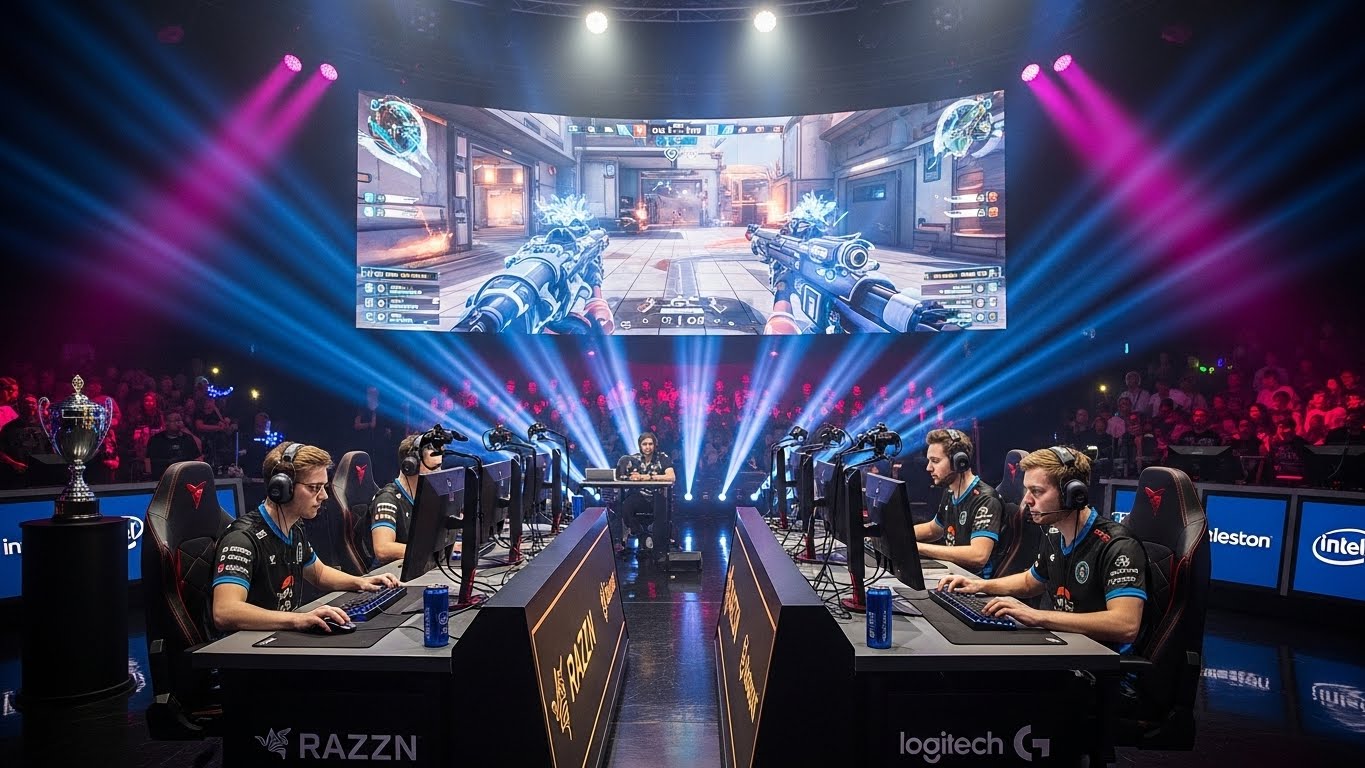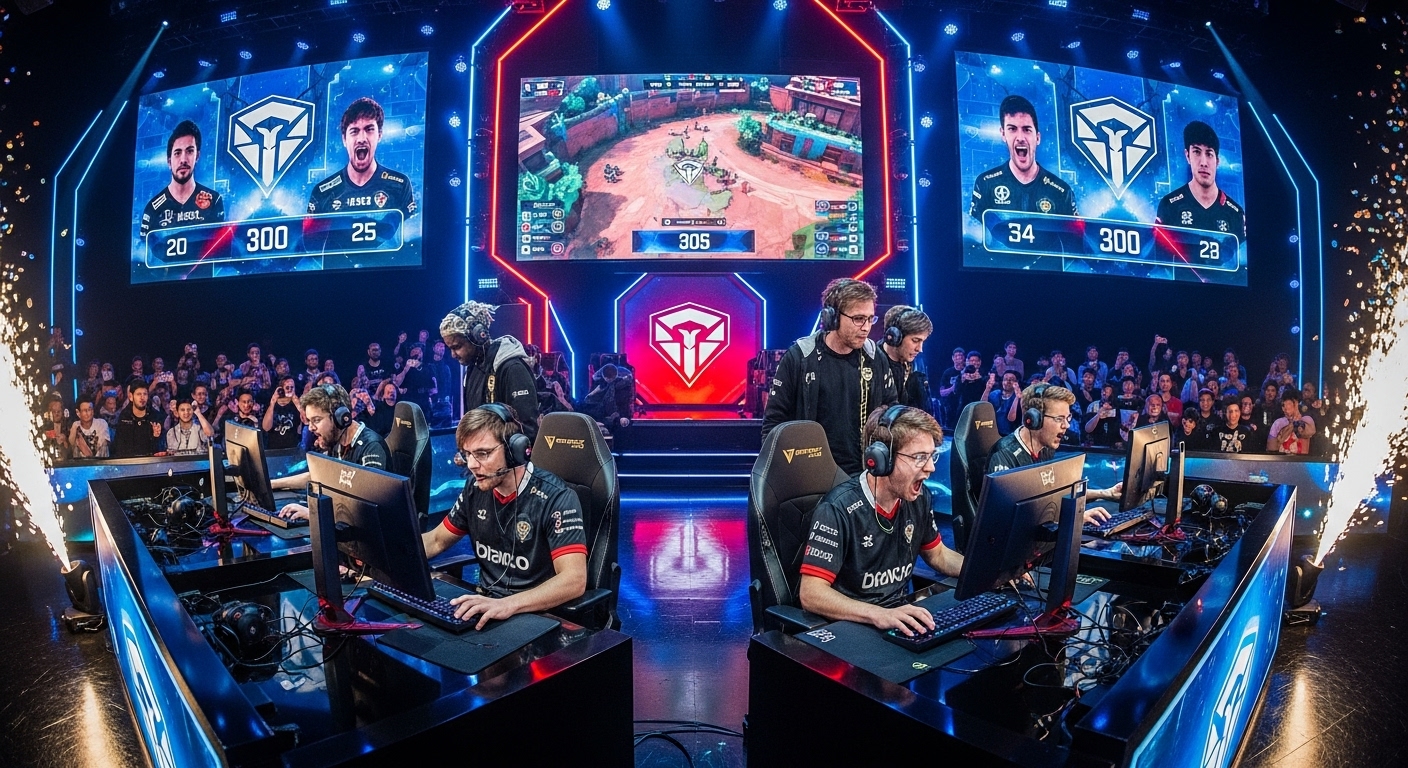






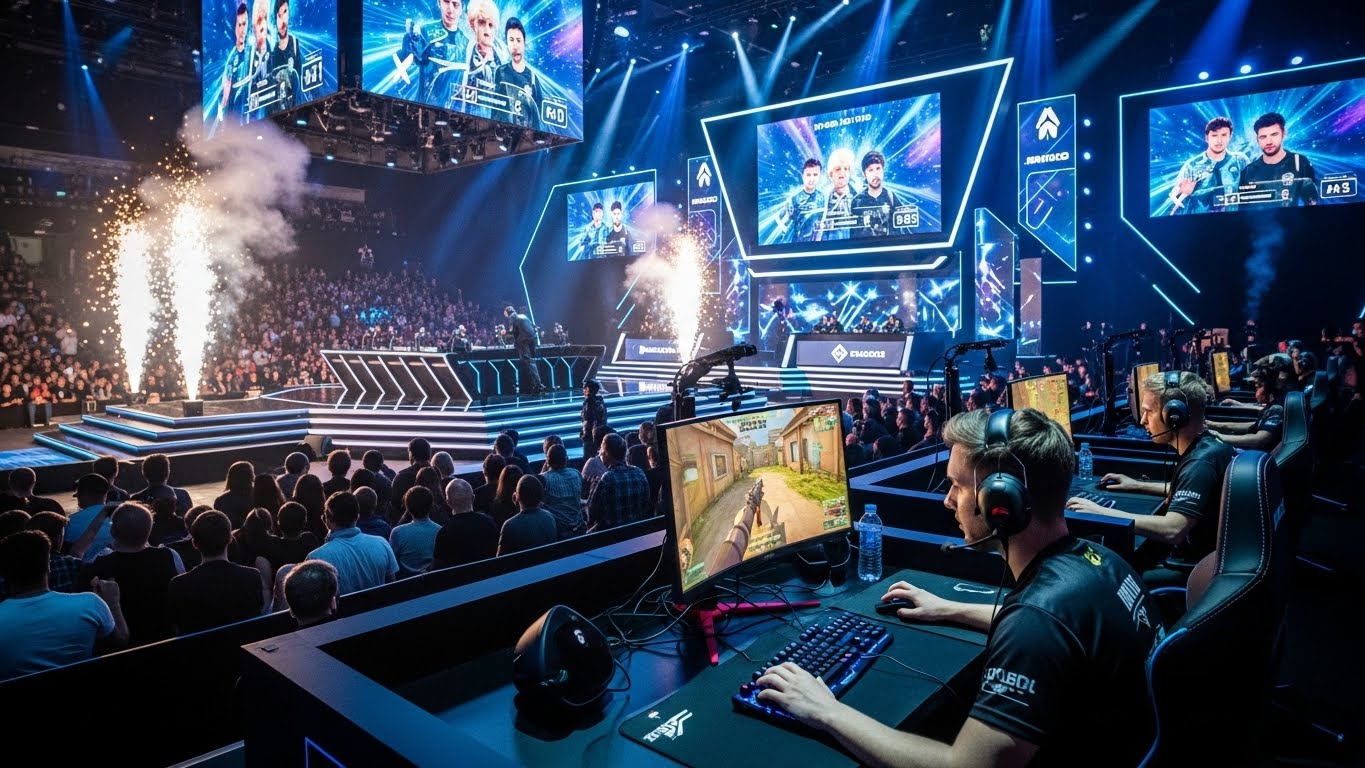
In the past decade, esports has transformed from a niche hobby into a global phenomenon. What was once seen as casual gaming has evolved into a professional arena attracting millions of players, viewers, and sponsors worldwide. Esports is no longer just a pastime; it has become a legitimate form of competition, entertainment, and even career. From strategy games to first-person shooters, esports is redefining what it means to be an athlete in the digital age.
Understanding Esports
Esports, short for electronic sports, refers to competitive video gaming where players or teams face off in organized tournaments. Unlike casual gaming, esports involves structured competitions, professional training, and strategic planning. Popular titles include games like League of Legends, Dota 2, Counter-Strike: Global Offensive, and Fortnite, each requiring unique skills and teamwork.
The appeal of esports lies in its combination of strategy, skill, and entertainment. Players must exhibit precision, quick reflexes, and mental acuity to outperform opponents. Teams spend countless hours practicing strategies, analyzing gameplay, and developing synergy to gain a competitive edge. For fans, esports provides thrilling spectacles, much like traditional sports, where anticipation and skill culminate in high-stakes moments.
The Growth of Esports
The growth of esports has been nothing short of phenomenal. From small local tournaments to global championships with prize pools worth millions, the industry has expanded at an unprecedented rate. Streaming platforms have played a crucial role in this growth, enabling fans to watch live matches, interact with players, and follow tournaments from anywhere in the world.
Esports has also gained recognition from traditional institutions. Universities now offer scholarships for esports athletes, professional teams sign players to contracts, and corporate sponsorships invest heavily in tournaments. This professionalization has elevated esports from a recreational activity to a career path for dedicated gamers.
Physical and Mental Demands of Esports
Contrary to the stereotype that esports players simply sit in front of a screen, competitive gaming demands both mental and physical endurance. High-level play requires intense concentration, strategic thinking, and quick decision-making under pressure. Players often experience stress and mental fatigue similar to traditional athletes, especially during extended tournaments or high-stakes matches.
Physical health is also crucial. Maintaining posture, eye care, and reaction speed are vital for consistent performance. Many professional players incorporate fitness routines, healthy diets, and mental conditioning into their training to stay competitive. Esports, in this sense, is a discipline that merges cognitive and physical wellness, challenging players in unique ways.
The Role of Strategy and Teamwork
One of the most fascinating aspects of esports is its emphasis on strategy and teamwork. Games like Dota 2 and League of Legends require intricate planning, real-time communication, and adaptability. Teams must anticipate opponents’ moves, coordinate complex attacks, and make split-second decisions to secure victory.
Even in individual-focused games, such as fighting or racing games, strategic thinking is essential. Players analyze opponents’ patterns, adapt their gameplay, and exploit weaknesses. Esports is not solely about reflexes; it is about preparation, foresight, and the ability to think several steps ahead. These strategic elements elevate esports to a cerebral competition comparable to chess or poker, combined with the fast pace of physical sports.
Social and Cultural Impact
Esports has created a vibrant global community that transcends geographical and cultural boundaries. Online platforms allow players and fans from diverse backgrounds to connect, compete, and share experiences. For many, esports is more than a hobby; it is a social hub that fosters friendships, teamwork, and cultural exchange.
The cultural impact of esports is also evident in media, entertainment, and fashion. Esports personalities have become celebrities, influencing trends and inspiring a new generation of gamers. Events often draw audiences comparable to traditional sports, with stadiums filled with cheering fans, elaborate ceremonies, and broadcast coverage. Esports has become a cultural movement, redefining how people perceive competition and entertainment.
Economic Significance of Esports
The economic influence of esports is staggering. Professional teams, streaming platforms, merchandise, sponsorships, and advertising generate billions of dollars annually. Major tournaments, such as The International in Dota 2 or the League of Legends World Championship, feature prize pools in the tens of millions, highlighting the financial opportunities within the industry.
Beyond professional play, esports has sparked growth in related sectors. Game development, streaming technology, event management, and coaching all contribute to a thriving ecosystem. The industry provides employment opportunities, promotes innovation, and creates a market where talent and creativity are highly valued. Esports has proven that digital competition is not only a form of entertainment but also a viable economic force.
Education and Esports
Esports is increasingly recognized in educational contexts. Many universities offer esports programs and scholarships, teaching students about game design, team management, and digital marketing. These programs equip students with skills applicable in multiple industries, including technology, business, and media.
Furthermore, esports encourages cognitive and social development among younger players. It promotes problem-solving, strategic thinking, teamwork, and communication skills. These abilities are transferable beyond gaming, benefiting academic and professional pursuits. By integrating esports into education, institutions are acknowledging its potential to develop practical and valuable life skills.
Esports and Technology
Esports exists at the intersection of gaming and technology. Advanced hardware, high-speed internet, and cutting-edge software enable seamless competition across the globe. Innovations in virtual reality, augmented reality, and artificial intelligence are poised to shape the future of esports, creating more immersive experiences and enhancing training methodologies.
Analytics and performance tracking are also crucial in modern esports. Data-driven insights allow teams to optimize strategies, analyze opponents, and improve individual skills. The combination of technology and competitive gaming elevates esports into a sophisticated discipline, blending entertainment with scientific precision.
Challenges in Esports
Despite its rapid growth, esports faces challenges. Player burnout, mental health concerns, and performance pressure are common issues in competitive gaming. Long hours of practice, travel, and high expectations can take a toll on physical and psychological well-being. Addressing these challenges is essential for sustainable growth and the welfare of players.
Another concern is accessibility and inclusivity. While esports is inherently global, disparities in resources, infrastructure, and internet connectivity can limit participation. Ensuring equal opportunities and fostering diversity are critical for the continued expansion of the industry. As esports evolves, balancing professional demands with health, accessibility, and ethics will determine its long-term success.
The Future of Esports
The future of esports looks promising and dynamic. Continued technological innovation will enhance player performance, fan engagement, and tournament experiences. Virtual reality, AI-assisted coaching, and immersive streaming are expected to redefine the way people play and watch esports.
Additionally, societal recognition of esports as a legitimate form of competition will continue to grow. As schools, organizations, and governments embrace esports, the industry is likely to see increased investment, regulation, and professionalization. With a combination of skill, strategy, technology, and community, esports is poised to remain a major force in entertainment and sports culture for decades to come.
Conclusion
Esports represents a transformative shift in how we define competition, entertainment, and professional achievement. It merges the thrill of traditional sports with the innovation of digital technology, creating a unique platform for skill, strategy, and social interaction. Beyond gameplay, esports shapes careers, influences culture, and fosters global communities.
As the industry continues to expand, it challenges perceptions of what it means to be an athlete, offering new avenues for personal growth, economic opportunity, and cultural engagement. Esports is more than a game; it is a reflection of the digital age, where talent, strategy, and passion converge to create a worldwide phenomenon that continues to inspire, entertain, and connect people across the globe.