





Introduction: The Evolution of Esports
In the early days of gaming, the idea of competitive gaming was little more than a pipe dream. A handful of dedicated players would gather in local arcades or basement tournaments, battling it out for pride and bragging rights. Fast forward to today, and esports has become a worldwide entertainment powerhouse, attracting millions of viewers, players, and sponsors. From humble beginnings to global stages, esports has revolutionized the concept of competition and entertainment, creating a multi-billion-dollar industry.
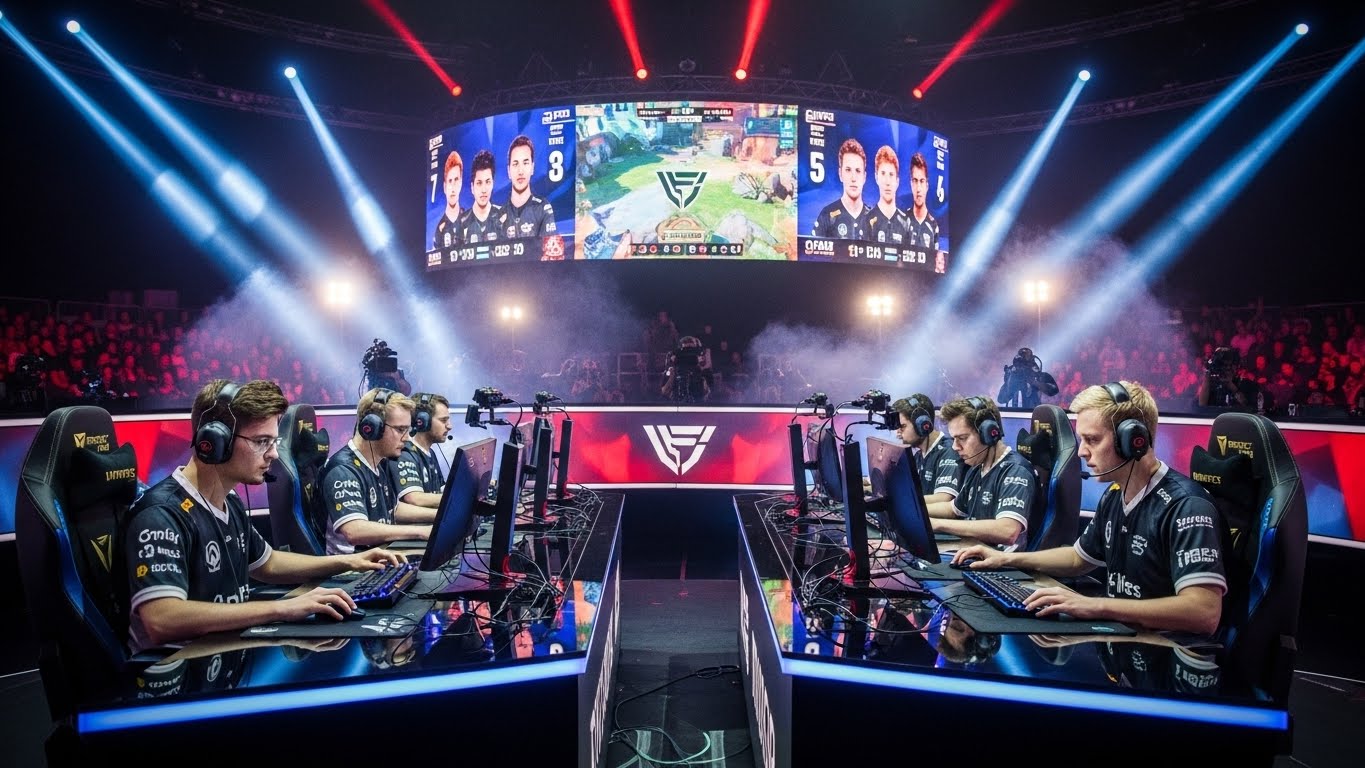
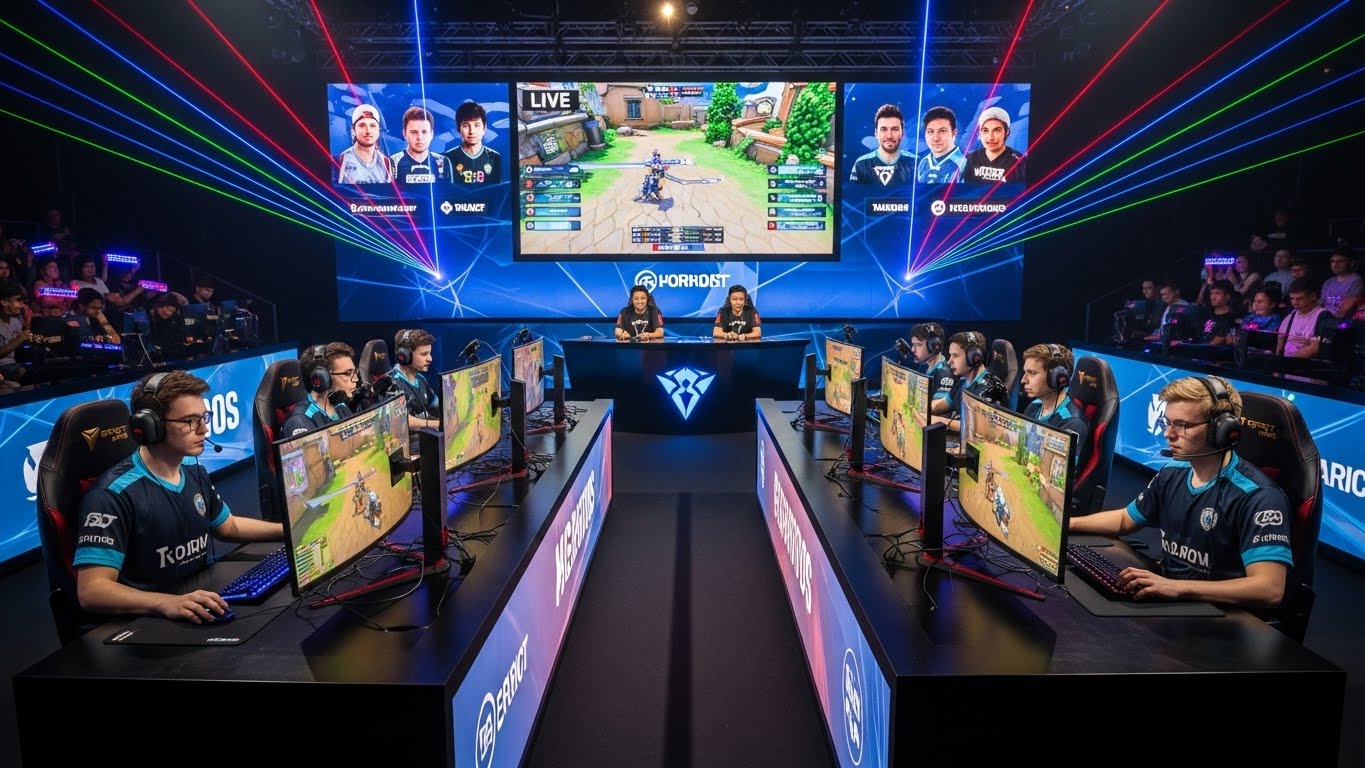
Esports, short for electronic sports, refers to competitive video gaming, where players or teams compete against each other in popular video games for prizes, titles, and recognition. Esports events are broadcast to millions, watched by fans who treat their favorite teams and players as idols. The scale and professionalism of modern esports rival that of traditional sports, with sponsorships, media deals, and massive audiences. This blog delves into the rise of esports, the factors that fueled its growth, and its lasting impact on gaming and culture.
The Birth of Esports: From Local Competitions to Global Events
The concept of competitive gaming can be traced back to the early 1970s, when one of the first video games, “Spacewar,” inspired players to organize small tournaments. However, it wasn’t until the 1990s that esports began to take shape as we know it today. The rise of the internet, combined with the growing popularity of personal computers, laid the foundation for online multiplayer gaming.
The first significant esports tournament was the 1997 Red Annihilation tournament, which featured the game Quake. It became a historic event for its massive prize pool and the involvement of top players from around the world. However, the true breakthrough came with games like StarCraft and Counter-Strike, which set the stage for organized professional tournaments.
By the early 2000s, gaming communities were creating more structured events and leagues. The professionalization of esports continued through tournaments like the Electronic Sports World Cup (ESWC) and the World Cyber Games (WCG), which brought international players together to compete for titles and large cash prizes. These events proved that competitive gaming had potential on a global scale, with esports becoming a viable career for top players and a rapidly growing entertainment market.
The Golden Age: Streaming and the Explosion of Esports
While esports had already made a name for itself, the true explosion of its popularity came in the late 2000s with the rise of streaming platforms like Twitch. Suddenly, gaming tournaments and live-streamed matches were accessible to anyone with an internet connection. Gamers no longer needed to attend an event in person to watch top players compete; they could tune in from the comfort of their own homes.
Twitch, launched in 2011, became the go-to platform for watching live gaming content. It allowed players to stream their gameplay and interact with viewers in real-time, fostering a vibrant community of gaming enthusiasts. Esports tournaments began streaming on Twitch, bringing live events directly into the homes of millions. Major games like League of Legends, Dota 2, and Overwatch garnered huge followings, each hosting annual tournaments with massive prize pools and millions of viewers.
The growth of esports was further fueled by the increasing popularity of multiplayer games, which made it easier for players to compete against each other online. Games like Fortnite, Call of Duty, and Apex Legends added to the list of competitive titles, each with its own community of players and tournaments. The accessibility of these games, combined with the rise of streaming, made esports a global phenomenon, attracting viewers not only from the gaming community but also from mainstream audiences.
The Professionalization of Esports: Teams, Coaches, and Sponsors
As esports grew, it became clear that it was no longer just a hobby or casual competition—it was a professional sport. Top players began to form teams, hire coaches, and train full-time to compete at the highest level. Esports organizations, much like traditional sports teams, began to sign sponsorships, secure contracts, and build brand identities.
Today, many esports teams operate like any other professional sports franchise. They have dedicated coaches, analysts, and managers to ensure players are performing at their best. Players themselves dedicate hours of practice each day, refining their skills, learning new strategies, and building synergy with their teammates. This level of professionalism has turned esports into a legitimate career path, with top players earning significant salaries, sponsorships, and endorsement deals.
Sponsorships play a crucial role in the financial success of esports. Brands from various industries, including technology, energy drinks, and even fast food, have recognized the potential of esports as a marketing platform. Major brands like Intel, Red Bull, and Coca-Cola have invested heavily in esports tournaments and teams, contributing to the multi-million dollar prize pools and professional infrastructure that define the industry today.
Esports has even attracted investment from traditional sports teams. Many professional sports franchises, including NBA teams and NFL owners, have purchased stakes in esports teams or established their own esports divisions. This cross-industry collaboration has further legitimized esports as a mainstream phenomenon.
The Appeal of Esports: What Makes Competitive Gaming So Popular?
Esports’ rapid growth can be attributed to several factors that resonate with both gamers and non-gamers alike. Understanding the appeal of esports helps explain why the industry continues to thrive in today’s digital age.
1. Accessibility
Unlike traditional sports, which often require expensive equipment, travel, and physical training, esports is accessible to anyone with a computer or gaming console. Games like League of Legends and Dota 2 can be played on a variety of devices, with lower system requirements than AAA titles. This accessibility makes it possible for anyone, anywhere, to participate in or watch competitive gaming.
2. The Thrill of Competition
Esports offers the excitement of traditional sports but with the added benefits of digital technology. Online multiplayer games allow players to compete in real-time against opponents from around the world. The thrill of high-stakes competition, the chance to showcase skill and strategy, and the ability to win significant rewards create an atmosphere of excitement that keeps fans and players engaged.
3. The Social Aspect
Esports is inherently social. Online tournaments and team-based games encourage interaction and cooperation among players. Fans can watch their favorite players and teams compete, join online communities, and engage in discussions about strategy, game mechanics, and predictions. The social dynamics of esports create a sense of belonging and camaraderie, whether you’re a player or a fan.
4. Entertainment and Spectacle
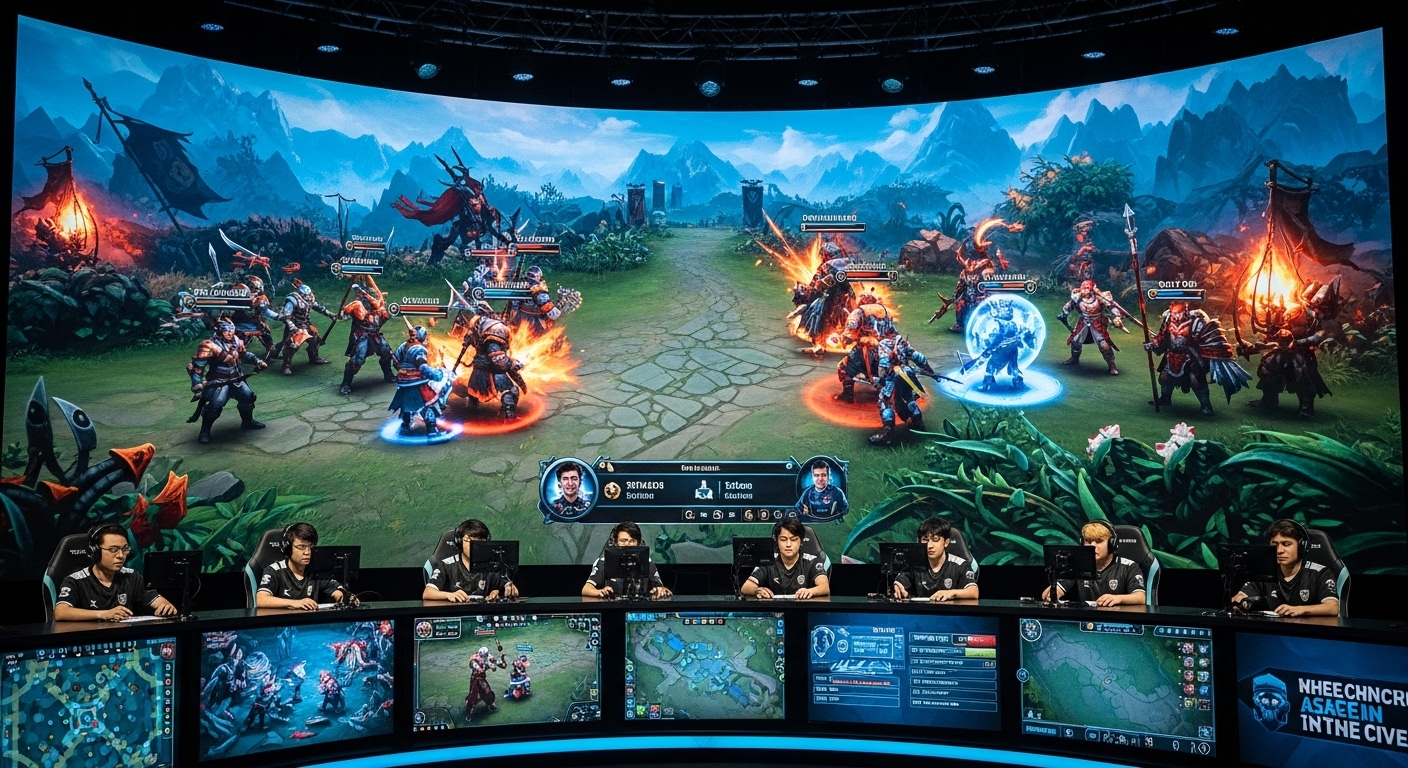
Esports tournaments are more than just games—they are full-fledged entertainment events. Major tournaments are often broadcast live with commentary, analysis, and in-depth coverage of the action. The production value of these events rivals that of traditional sports broadcasts, with professional shoutcasters (commentators) and analysts providing live commentary and insight into the gameplay. Fans watch not only for the game itself but for the spectacle and the excitement that comes with live competition.
Esports as a Career: From Players to Commentators and Coaches
For top players, esports has become a legitimate career. Competitive gamers can earn substantial salaries through sponsorships, tournament winnings, and streaming revenue. Top players can make six-figure incomes, with some even earning more through brand partnerships and influencer deals.
In addition to players, esports offers a wide range of career opportunities. Professional coaches, analysts, and even shoutcasters (commentators) are in high demand. Behind the scenes, event organizers, marketing professionals, and production teams ensure that esports events run smoothly. The rapid growth of esports has created a thriving ecosystem of jobs and career paths for those looking to enter the industry.
For aspiring players, the road to becoming a professional esports athlete requires dedication, practice, and strategy. Many players start young, honing their skills in online competitions before being noticed by professional teams. Some even receive sponsorships and offers to compete in major leagues while still in their teens.
The Future of Esports: A Growing Global Industry
As esports continues to grow, its future looks incredibly promising. With global audiences expected to reach billions, the industry is set to continue its rise as a major entertainment force.
New technologies, such as virtual reality (VR) and augmented reality (AR), could further enhance the esports experience, offering more immersive and interactive environments. The rise of mobile gaming is also expected to play a significant role in the expansion of esports, as games like PUBG Mobile and Mobile Legends bring competitive gaming to even more players worldwide.
Esports is also expanding into new markets, particularly in regions like Asia, Latin America, and the Middle East. These regions are seeing a surge in both player participation and viewership, further solidifying esports as a global phenomenon.
As traditional sports teams continue to invest in esports, the lines between gaming and traditional sports will likely blur even further. The possibility of esports being included in events like the Olympics is increasingly being discussed, further validating esports as a serious form of competition and entertainment.
Conclusion: Esports—A New Era of Entertainment
Esports has come a long way since its humble beginnings, evolving from small local competitions to massive global events that captivate millions. The rise of streaming, sponsorships, professional teams, and global tournaments has transformed esports into a legitimate industry with a dedicated fan base.
As technology continues to advance and new opportunities arise, the future of esports looks brighter than ever. Whether you’re a player, fan, or commentator, esports offers something for everyone. It has redefined the way we think about competition, entertainment, and community. In the coming years, esports will undoubtedly continue to grow, offering new opportunities and experiences for players and fans alike.
Esports has truly entered a new era, one where digital play, real-time competition, and global audiences collide to create something