





Introduction
Esports, or electronic sports, have transformed the way people perceive competitive gaming. What once started as a niche hobby for a few enthusiasts has now evolved into a billion-dollar industry that captures the attention of millions worldwide. Unlike traditional sports, esports offers a unique blend of technology, strategy, teamwork, and entertainment. With professional leagues, global tournaments, and streaming platforms reaching millions of viewers, esports is not merely a pastime but a legitimate career path for players, coaches, and content creators alike.
In this article, we will explore the history, growth, and influence of esports, examining why it has become a cultural and economic force to reckon with.
The History of Esports
Esports’ origins can be traced back to the late 1970s and 1980s, when video games began to gain mainstream attention. The earliest known video game competition occurred in 1972 at Stanford University, where students competed in the game “Spacewar!” This event is widely regarded as the inception of competitive gaming.
By the 1980s, arcade games like “Pac-Man” and “Donkey Kong” gained massive popularity, giving rise to local competitions. The concept of gaming tournaments evolved further in the 1990s with the advent of multiplayer PC games such as “Quake” and “StarCraft.” South Korea played a pivotal role in the growth of esports during this period, establishing professional gaming leagues and broadcasting matches on television, turning competitive gaming into a national pastime.
The 2000s saw esports expand internationally with the development of online gaming platforms, faster internet connectivity, and the rise of live streaming services. Games like “Counter-Strike,” “League of Legends,” and “Dota 2” became central to the global esports scene, setting the stage for the multi-million-dollar tournaments we witness today.
Popular Esports Games and Genres
Esports encompasses a variety of genres, each with its own unique style of gameplay and audience. The most popular categories include:
Multiplayer Online Battle Arenas (MOBAs)
Games like “League of Legends” and “Dota 2” fall under the MOBA genre, where two teams of players compete to destroy each other’s base. MOBAs are renowned for their strategic depth, requiring players to master unique characters, coordinate with teammates, and make split-second decisions.
First-Person Shooters (FPS)
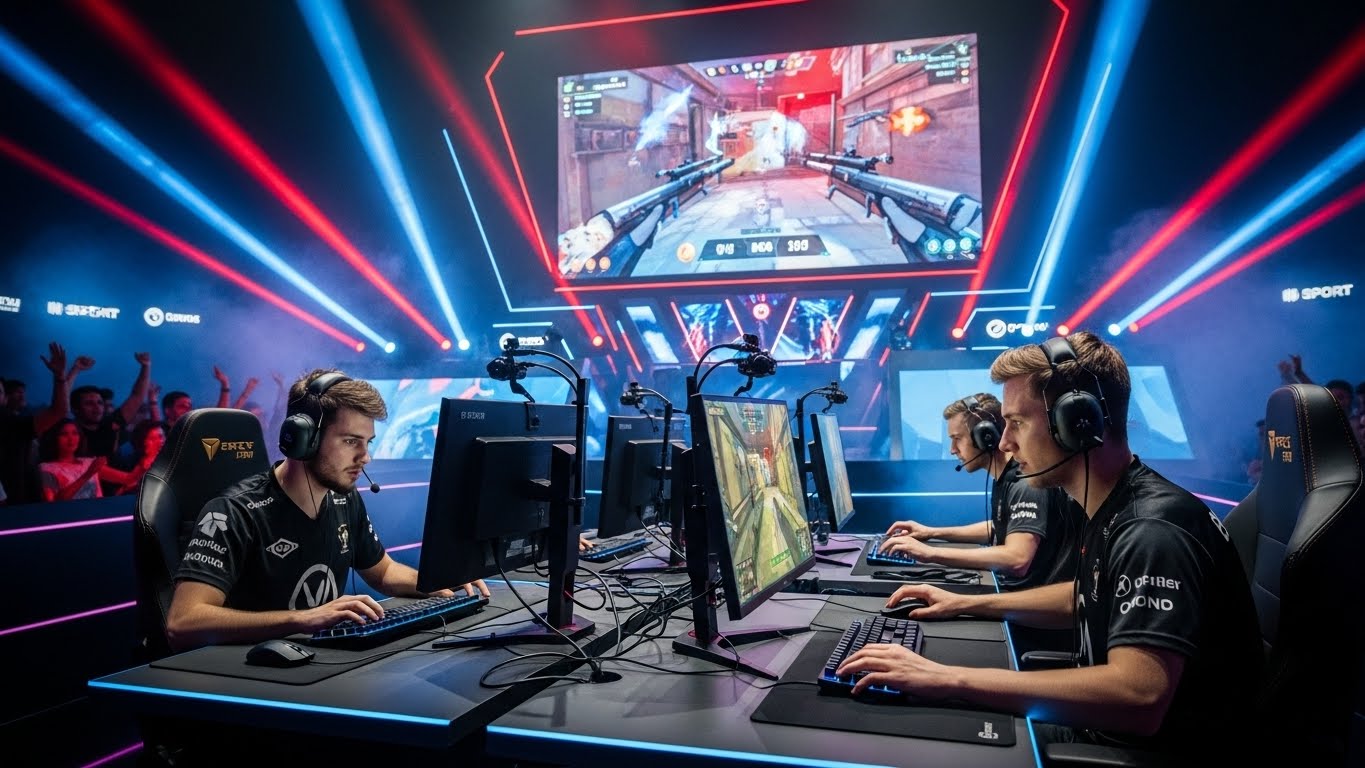
FPS games, such as “Counter-Strike: Global Offensive” and “Call of Duty,” focus on precision, reflexes, and teamwork. Players aim to eliminate opponents in competitive settings, often within complex maps that require tactical understanding. FPS esports often have fast-paced, adrenaline-driven matches that keep audiences on the edge of their seats.
Battle Royale Games
Battle royale titles like “Fortnite” and “PUBG” involve large numbers of players competing to be the last one standing. The genre’s popularity is driven by its dynamic gameplay, unpredictability, and spectator-friendly nature.
Sports Simulations and Fighting Games
Esports also includes digital versions of traditional sports, like “FIFA” and “NBA 2K,” as well as fighting games such as “Street Fighter” and “Super Smash Bros.” These games test a player’s reflexes, strategic planning, and mastery of in-game mechanics.
The Esports Ecosystem
The esports industry is a complex ecosystem that extends far beyond the players themselves. It includes professional teams, tournament organizers, streaming platforms, sponsors, media companies, and fan communities.
Professional Teams
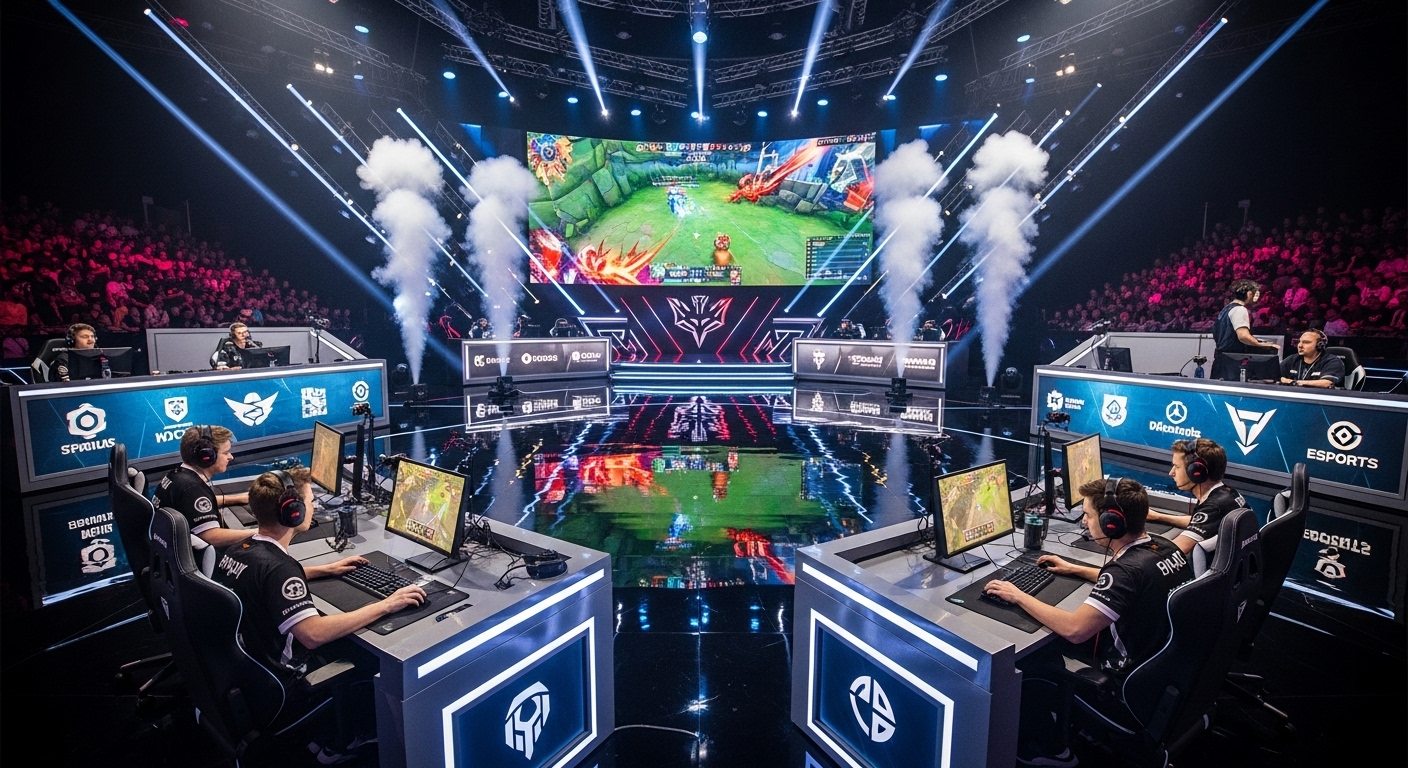
Professional esports teams function similarly to traditional sports teams. They hire players, coaches, analysts, and managers to compete in leagues and tournaments. Top teams often have players from around the world and offer salaries, sponsorships, and performance bonuses.
Tournament Organizers
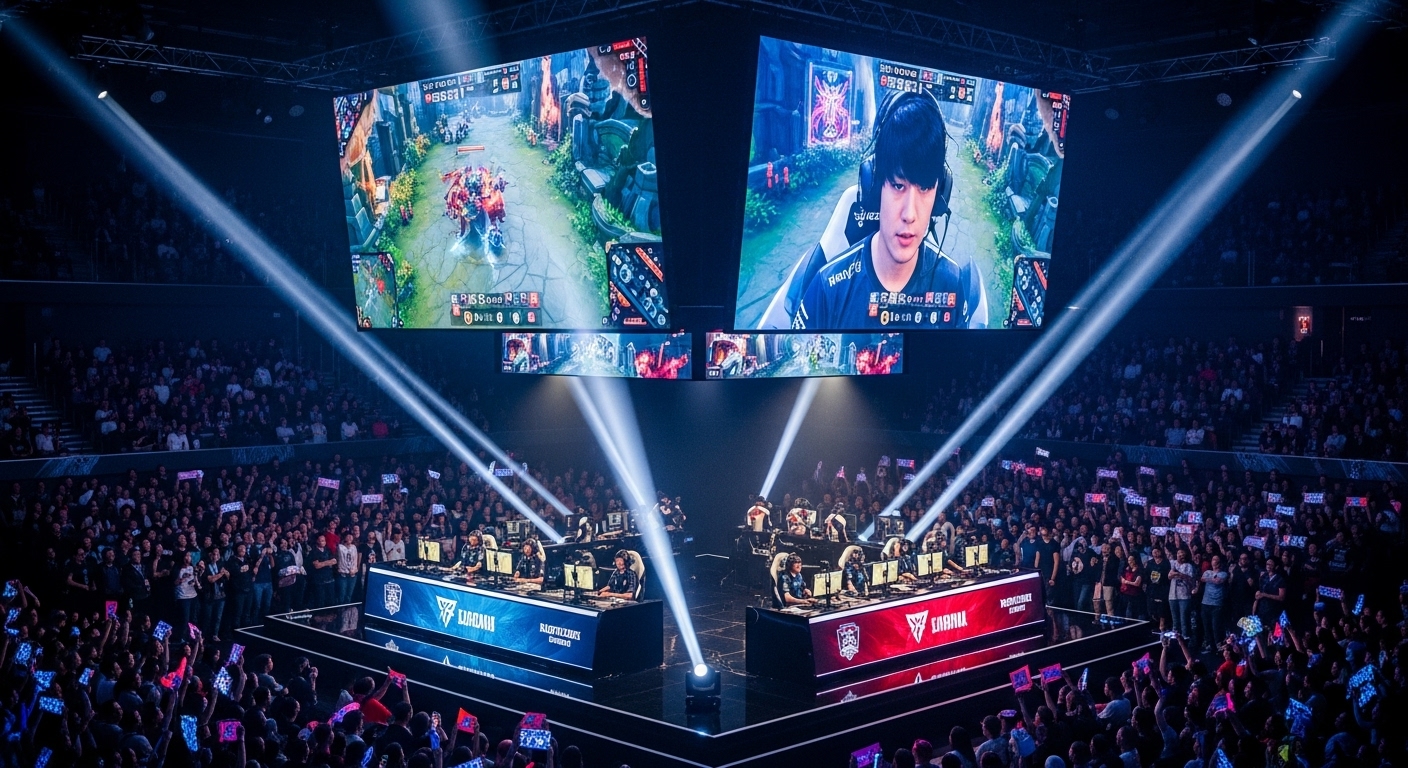
Tournaments serve as the backbone of competitive esports. Major organizations host events like the “League of Legends World Championship,” “The International” for Dota 2, and “CS:GO Majors,” which attract millions of viewers and substantial prize pools. These tournaments help set standards for gameplay, production quality, and audience engagement.
Streaming Platforms
Streaming has revolutionized the way esports reaches audiences. Platforms like Twitch, YouTube Gaming, and other live streaming services allow fans to watch matches in real-time, interact with players, and participate in the community. Streaming also creates opportunities for content creators to monetize their gameplay through sponsorships, subscriptions, and donations.
Sponsors and Brands
Sponsorship deals play a vital role in the financial growth of esports. Gaming peripherals, energy drinks, and tech companies often partner with teams and tournaments to reach younger, tech-savvy audiences. These partnerships have helped legitimize esports as a professional industry on par with traditional sports.
The Cultural Impact of Esports
Esports has had a profound influence on youth culture, social interactions, and entertainment consumption habits. Unlike traditional sports, esports transcends geographical boundaries, allowing players and fans from around the world to connect digitally.
Fostering Online Communities
Esports communities provide spaces where fans, aspiring players, and professional gamers can share experiences, strategies, and content. These communities often extend beyond gameplay, influencing fashion, music, and other aspects of youth culture.
Changing Perceptions of Gaming
For decades, gaming was often dismissed as a trivial hobby. Esports has challenged these perceptions by demonstrating that gaming can be a legitimate, competitive, and lucrative endeavor. Professional esports players are increasingly seen as athletes, with rigorous training schedules, physical fitness routines, and psychological coaching.
Educational Opportunities
Several universities now offer esports scholarships, programs, and courses in game design, event management, and digital media. This integration of esports into education highlights the sector’s growing legitimacy and economic significance.
Economic Growth and Market Trends
The esports market has seen exponential growth over the past decade. Revenue sources include advertising, media rights, sponsorships, ticket sales, and merchandise. Analysts predict that the global esports market will continue to grow, driven by increased investment, new technologies, and broader mainstream acceptance.
Revenue Streams
Professional esports generates revenue in multiple ways. Advertising and sponsorships are the largest contributors, followed by merchandise sales, ticketed events, and streaming monetization. Some games also integrate in-game purchases tied to esports competitions.
Job Creation
Esports has created a wide array of career opportunities beyond just playing competitively. Analysts, coaches, shoutcasters (commentators), event managers, and content creators all play essential roles in the ecosystem. This diversification makes esports an appealing sector for young professionals interested in technology, media, and entertainment.
Technological Advancements
Technological innovation has been critical in esports’ growth. High-speed internet, advanced gaming hardware, and streaming technologies have enhanced gameplay, spectator experience, and content accessibility. Virtual reality (VR) and augmented reality (AR) are emerging as potential future frontiers for esports.
Challenges Facing the Esports Industry
Despite its rapid growth, esports faces several challenges that could impact its sustainability and mainstream acceptance.
Mental and Physical Health
Professional gamers often endure long hours of practice, intense competition, and pressure to perform. This can lead to burnout, mental health struggles, and physical issues such as repetitive strain injuries. Organizations are increasingly focusing on wellness programs to mitigate these risks.
Regulation and Governance
Unlike traditional sports, esports lacks a unified governing body. Different games have their own rules, leagues, and standards, which can create inconsistencies and disputes. Developing standardized regulations could improve fairness and credibility.
Diversity and Inclusion
Esports has been criticized for its lack of diversity, particularly regarding gender representation. Efforts to create inclusive environments are ongoing, but challenges remain in ensuring equal opportunities and combating harassment.
Sustainability
The environmental impact of esports events, including energy consumption and electronic waste, is an area of growing concern. Sustainable practices in tournament organization and gaming hardware manufacturing are increasingly necessary.
The Future of Esports
The trajectory of esports points to continued expansion, innovation, and mainstream integration. Emerging technologies, increased investment, and growing cultural acceptance will shape the next decade of competitive gaming.
Integration with Traditional Sports
Some traditional sports organizations are entering esports, launching teams and hosting virtual tournaments. This convergence highlights the potential for collaboration and shared audiences between conventional and electronic sports.
Expansion into Mobile Gaming
Mobile esports is gaining traction, particularly in regions where PC or console gaming is less prevalent. Games like “Mobile Legends” and “PUBG Mobile” have built competitive ecosystems with massive fan followings.
Globalization and Accessibility
As internet access improves worldwide, esports will become more inclusive and globally interconnected. This expansion will allow talent from previously underrepresented regions to compete on the international stage.
Technological Evolution
Advances in AI, VR, and AR could redefine how esports is played, consumed, and experienced. Spectators may one day engage with immersive, interactive tournaments that blur the line between gaming and real-world sports.
Conclusion
Esports has grown from a small subculture of enthusiasts to a global phenomenon with cultural, economic, and technological significance. It has transformed how people compete, socialize, and consume entertainment, creating opportunities for players, creators, and businesses alike.
Despite facing challenges such as mental health concerns, regulatory gaps, and diversity issues, the industry continues to innovate and expand. With the integration of new technologies, global accessibility, and increased mainstream acceptance, esports is poised to redefine the future of competitive entertainment.
As esports continues to evolve, it represents not just a form of entertainment but a cultural shift that challenges our notions of sport, competition, and digital community. Its story is far from complete, and the coming years promise to deliver even more exciting developments in this dynamic and ever-growing industry.