





Introduction
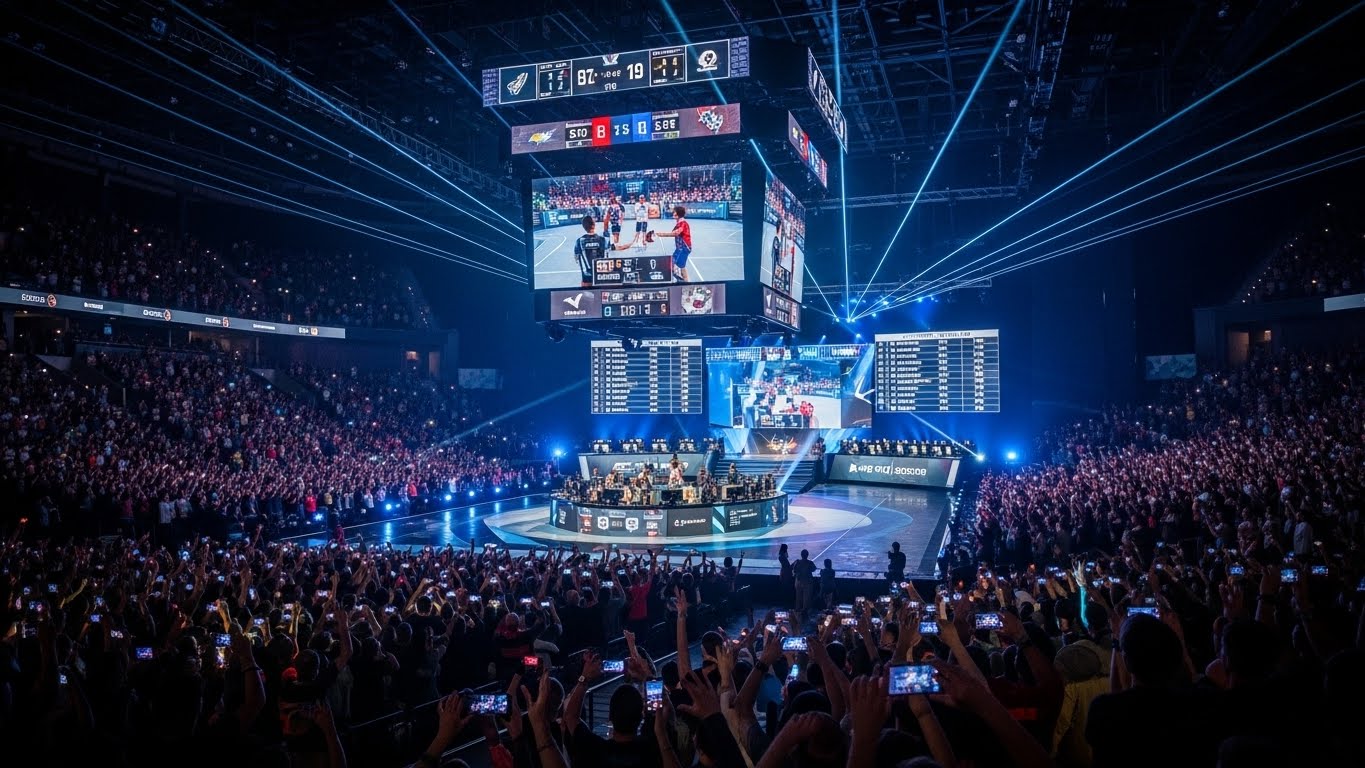
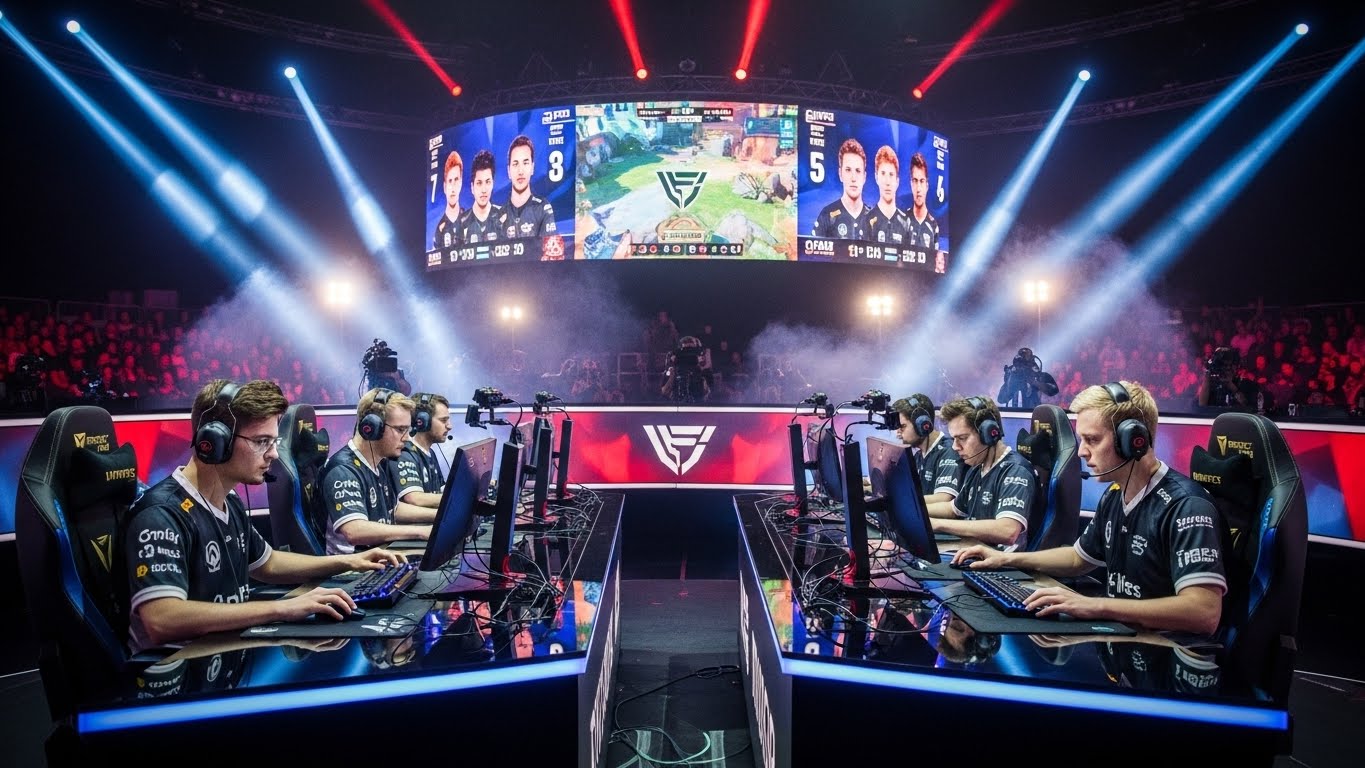
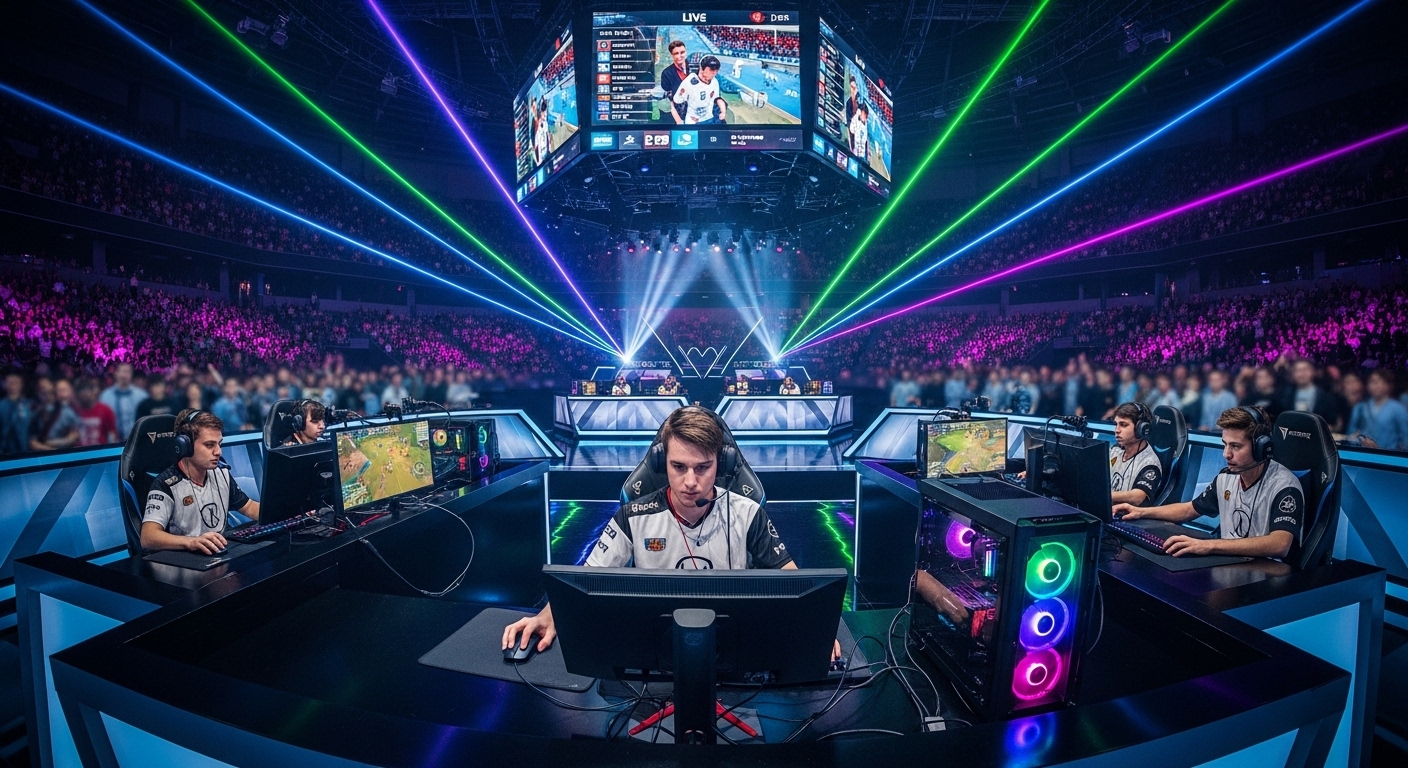
Over the last two decades, esports has transformed from a small niche of gaming enthusiasts into one of the most influential and rapidly growing industries in entertainment. What was once a casual hobby shared among friends has evolved into a billion-dollar global phenomenon. Esports, or electronic sports, refers to organized, competitive video gaming where professional players compete individually or as teams. Today, it has its own leagues, franchises, celebrity players, sponsorships, and even dedicated arenas. The growth of esports represents more than just the popularity of gaming—it symbolizes a cultural shift in how people consume entertainment, connect with technology, and even define athleticism.
The Early Beginnings of Esports
The concept of competitive gaming is not new. In fact, the roots of esports can be traced back to the early 1970s when students at Stanford University held one of the first known gaming competitions featuring the game Spacewar. Participants competed for a year’s subscription to a magazine, not knowing they were part of something that would later become a global spectacle. In the 1980s, arcade tournaments and console competitions started gaining attention, especially with games like Pac-Man and Donkey Kong.
However, it was the 1990s that truly laid the groundwork for modern esports. With the rise of personal computers and the spread of the internet, multiplayer gaming took off. Titles like Quake, StarCraft, and Counter-Strike gave players the chance to test their skills against others from around the world. Online gaming was no longer just a pastime—it was becoming a competitive pursuit.
The Explosion of Esports in the 2000s
As internet speeds improved and online gaming communities grew, esports began to take shape as a professional industry. The early 2000s witnessed the formation of structured tournaments, professional teams, and gaming organizations. Games like Dota, League of Legends, and Call of Duty established the competitive model that remains dominant today.
The emergence of streaming platforms also played a massive role in this transformation. Before streaming, tournaments were often limited to physical audiences or pre-recorded broadcasts. But with the arrival of platforms where players could broadcast live matches to millions of viewers, esports became truly global. Suddenly, fans from different continents could watch their favorite teams in real-time, much like traditional sports fans do with football or basketball.
The Global Appeal of Esports
One of the most fascinating aspects of esports is its universal appeal. Unlike many traditional sports that are regionally popular, esports transcends cultural and linguistic barriers. A team in South Korea can have fans in North America, Europe, or the Middle East. The accessibility of gaming technology and the internet has allowed esports to flourish worldwide.
South Korea, often regarded as the birthplace of modern esports, played a pivotal role in setting standards for competitive gaming. The country’s embrace of professional gaming, televised tournaments, and team sponsorships helped establish esports as a legitimate career path. Europe and North America followed quickly, investing in infrastructure, organizations, and leagues that mirrored traditional sports systems.
Today, countries like China, Brazil, and even smaller nations in Southeast Asia have thriving esports ecosystems. Stadiums fill up for major events, and millions tune in online to watch championships. The global appeal of esports lies in its inclusivity—anyone with the skills and dedication can rise through the ranks regardless of where they come from.
The Evolution of Esports Titles
Not all video games are suited for esports. Over time, certain genres have proven themselves ideal for competitive play. Multiplayer online battle arena (MOBA) games like League of Legends and Dota 2 became giants due to their strategic depth, teamwork, and constant updates. First-person shooters (FPS) such as Counter-Strike: Global Offensive, Overwatch, and Valorant have captivated audiences with their fast-paced action and high mechanical skill requirements.
Battle royale titles like Fortnite and PUBG have also entered the esports arena, bringing unique survival-style gameplay that rewards creativity and quick thinking. Sports simulation games such as FIFA and NBA 2K have attracted fans who already enjoy real-world sports. The diversity of games ensures there’s something for every type of player and viewer.
Professionalism and Career Growth
Esports has evolved into a legitimate career path. Professional players can now earn salaries, secure sponsorship deals, and participate in tournaments with multimillion-dollar prize pools. Organizations treat players much like traditional sports teams treat their athletes—providing them with coaches, nutritionists, analysts, and psychologists to optimize performance.
But it’s not just about the players. The ecosystem surrounding esports has created numerous other career opportunities. Commentators, analysts, event organizers, game developers, marketing professionals, and even legal advisors play crucial roles in supporting the industry. Esports has opened doors for people passionate about gaming to build sustainable careers in various fields.
The Role of Technology in Esports Growth
Technological advancement has been one of the main drivers of esports’ success. High-speed internet, powerful gaming hardware, and streaming platforms have all contributed to its rise. The development of cloud gaming and virtual reality may further expand how esports are played and watched.
Artificial intelligence and data analytics are also changing the competitive landscape. Teams now analyze massive amounts of gameplay data to develop strategies, track opponents, and improve player performance. Additionally, production technologies—like augmented reality graphics and real-time stats—enhance viewer experiences during live broadcasts.
Esports and Mainstream Recognition
It wasn’t long ago that esports was dismissed as “just gaming.” However, public perception has drastically changed. Mainstream media, global brands, and even governments are recognizing the legitimacy and economic potential of esports. Universities now offer esports scholarships, and several countries have acknowledged professional gamers as athletes.
The inclusion of esports in major multi-sport events like the Asian Games demonstrates its growing acceptance. While debates continue about whether esports should be part of the Olympics, there’s no denying its influence on youth culture and entertainment. Esports isn’t just a passing trend—it’s an integral part of the digital generation’s lifestyle.
The Community and Culture Behind Esports
At its heart, esports is built on community. Fans, players, streamers, and developers form a dynamic ecosystem that thrives on engagement and shared passion. Online forums, social media groups, and local gaming cafes all contribute to the culture of esports. The sense of belonging and teamwork often mirrors that of traditional sports fans.
Cosplay, fan art, and content creation have also become intertwined with the esports culture. Major tournaments feel like festivals, where creativity, competition, and fandom collide. This cultural richness is one of the reasons esports continues to grow beyond just competitive gaming—it’s an entire lifestyle movement.
The Impact of Esports on Youth
Younger generations have grown up in an era where digital entertainment dominates. Esports has given many of them role models who demonstrate discipline, strategic thinking, and teamwork. It challenges outdated stereotypes that gaming is isolating or unproductive. Many schools and institutions now recognize the educational benefits of esports, such as improving problem-solving skills, coordination, and communication.
However, the rapid growth of esports also brings challenges. Concerns about screen time, mental health, and work-life balance are valid. Maintaining a healthy relationship with gaming remains important, both for professionals and casual players. The industry’s increasing focus on mental wellness is a positive sign that it’s maturing responsibly.
The Business of Esports
Esports is not just about entertainment—it’s big business. The industry’s revenue streams include sponsorships, media rights, merchandise, and live events. Major companies see esports as a prime marketing avenue to reach younger audiences who may not engage with traditional advertising.
Franchised leagues have been established, similar to those in traditional sports, ensuring stability for teams and investors. Cities are even investing in dedicated esports arenas to host tournaments. The collaboration between technology firms, entertainment companies, and sports organizations continues to push the industry to new heights.
Esports During the Pandemic
The global pandemic had a devastating impact on many industries, but esports adapted quickly. When traditional sports came to a halt, esports filled the entertainment gap. Online tournaments thrived, and viewership numbers soared. This period highlighted the resilience and digital-first nature of esports. Even without physical venues, competitions continued, showcasing the industry’s flexibility and future-proof nature.
The Future of Esports
The future of esports looks promising. With advancements in virtual reality, augmented reality, and mobile gaming, new forms of competition are emerging. The next generation of gamers will experience esports in ways that blend the digital and physical worlds seamlessly.
We can also expect greater integration with traditional sports, entertainment, and education. Esports academies, training programs, and youth leagues will nurture future talent. As governments and corporations continue to invest, esports is set to remain a dominant force in global entertainment for years to come.
Challenges Facing the Esports Industry
Despite its success, esports faces several challenges. Issues like player burnout, financial sustainability, and fair regulations continue to shape discussions within the community. The lack of a universal governing body sometimes leads to inconsistencies in rules and player protection.
Additionally, as esports grows more commercialized, maintaining authenticity and community trust becomes vital. Balancing profit motives with the passion that built the industry is one of its biggest ongoing tests.
Conclusion
Esports represents one of the most remarkable cultural revolutions of the 21st century. From its humble beginnings in arcades and college dorms to filling global stadiums, it has redefined what it means to be an athlete and a fan. The combination of technology, creativity, and competition has created a phenomenon that transcends generations and borders.
The future of esports is not just about gaming—it’s about innovation, connection, and evolution. Whether you are a player, a fan, or simply an observer, there is no denying that esports has cemented its place as a global powerhouse of modern entertainment. The passion, skill, and community driving this movement will continue to shape the digital age for decades to come.