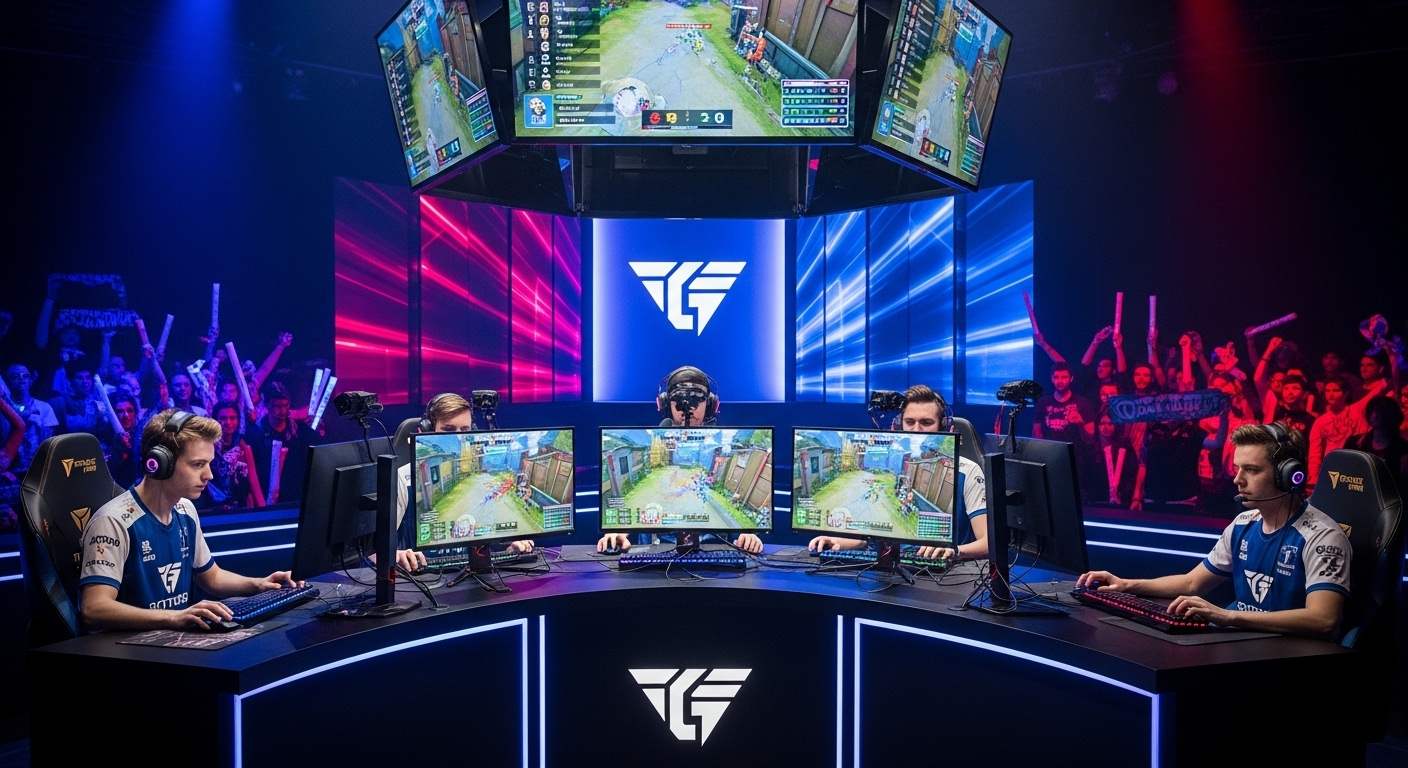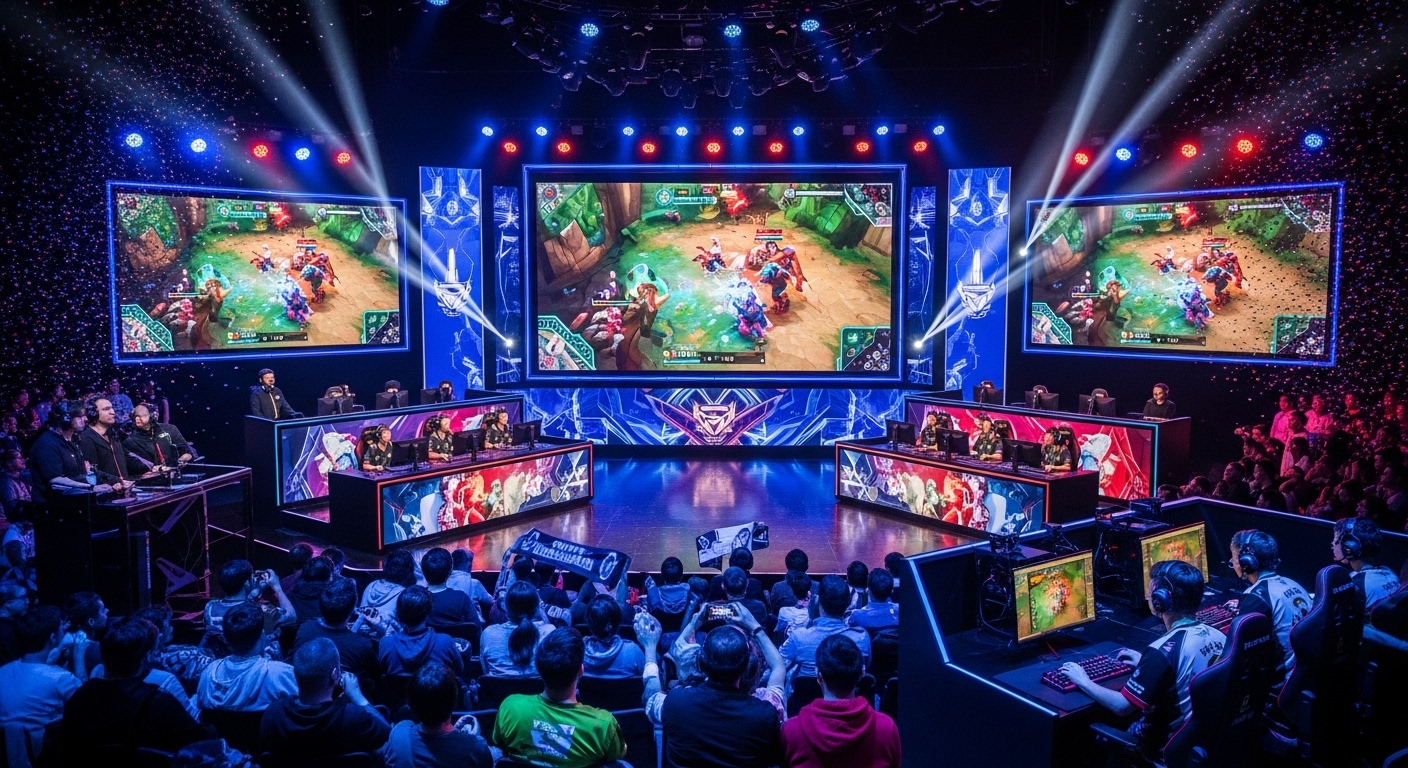






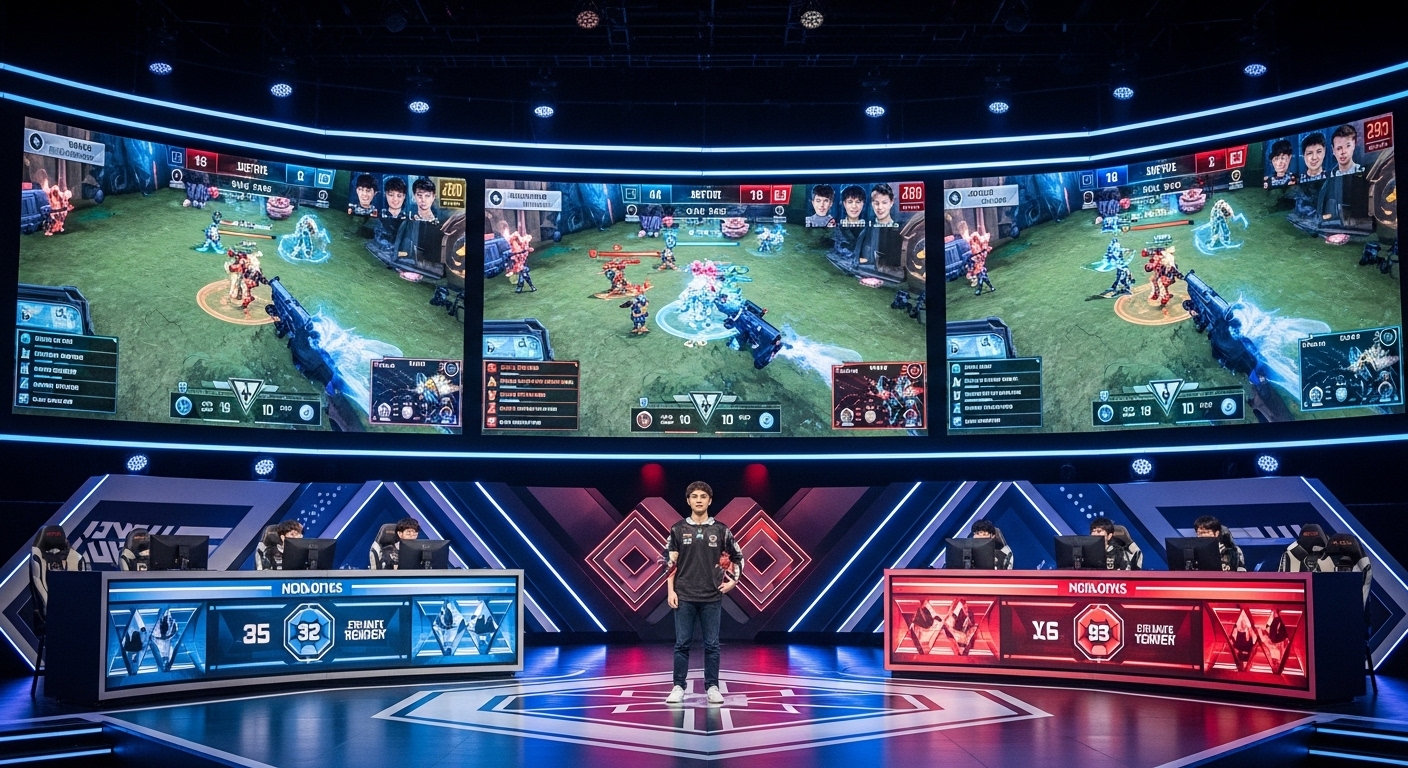
Esports has evolved from a niche pastime to a mainstream global spectacle in the last two decades. What began as small-scale gaming tournaments has grown into a massive, professionally organized industry with millions of fans and players worldwide. In this blog post, we’ll explore the journey of esports, how it’s reshaping the competitive gaming landscape, and what the future holds for this dynamic industry.
The Early Days of Competitive Gaming
The roots of esports can be traced back to the early days of video gaming. Competitions like the “Space Invaders Championship” in 1980 and the first “National Video Game Team” in the early 90s laid the groundwork for future developments. However, it wasn’t until the advent of high-speed internet and the rise of online multiplayer games that esports truly began to take shape. Titles like Quake and StarCraft helped establish the foundation for competitive gaming in the late 90s and early 2000s, with players beginning to compete for both fame and money.
The Explosion of Esports in the 2010s
The 2010s saw esports explode in popularity, driven largely by the rise of games like League of Legends, Dota 2, and Counter-Strike: Global Offensive. Streaming platforms like Twitch and YouTube made it easier for fans to watch competitions in real time, while prize pools grew into the millions of dollars. Esports organizations began to form, creating professional teams and leagues that mimicked traditional sports in their structure and branding.
The 2014 Dota 2 International is often considered a watershed moment for esports, with a prize pool of over $10 million. This was a significant milestone that showcased the potential for esports as a serious industry. Major sponsorships from global brands like Coca-Cola, Intel, and Nike began to pour in, further legitimizing the sector.
Esports as a Multi-Billion Dollar Industry
By the mid-2010s, esports was no longer just a subculture. It had transformed into a multi-billion-dollar industry with a massive fan base. According to recent reports, the global esports market is projected to exceed $1.5 billion by 2027, fueled by advertising, sponsorships, media rights, and merchandise sales. Esports now attracts millions of viewers across various platforms, from Twitch to social media networks, and large-scale events like The League of Legends World Championship and The Overwatch League bring in huge audiences both online and in person.
The rise of mobile gaming has also played a crucial role in expanding the reach of esports. Titles like PUBG Mobile, Free Fire, and Mobile Legends have enabled players from regions where PC gaming is less accessible to compete at the highest level, democratizing the esports experience.
The Role of Streaming Platforms
Streaming platforms like Twitch and YouTube have been essential to esports’ rapid growth. These platforms provide a space where players can showcase their skills, build a fanbase, and interact with viewers in real-time. Many top-tier players and teams now gain fame and recognition not just through tournament victories, but through consistent streaming content, creating a symbiotic relationship between competitive gaming and live streaming.
Additionally, streaming platforms have allowed the esports community to grow globally, making it easier for fans from all over the world to connect and support their favorite teams and players. As esports continues to grow, these platforms will likely play an even larger role in the industry’s development.
The Impact on Traditional Sports
Esports has undoubtedly had a disruptive effect on traditional sports. With the rise of digital competitions, younger audiences have gravitated toward esports as a form of entertainment, often favoring online gaming over traditional sports like football, basketball, and soccer. As a result, many traditional sports organizations have begun to invest in esports or even launch their own leagues. For example, the NBA launched the NBA 2K League, and the NFL is exploring its own esports initiatives.
This cross-industry collaboration signifies a shift in how sports and entertainment are consumed. With global viewership numbers increasing exponentially, esports is now seen as a legitimate alternative to traditional sports for a younger, tech-savvy demographic.
The Future of Esports: Growth, Challenges, and Innovations
Looking ahead, the future of esports is incredibly bright but also filled with challenges. One of the biggest hurdles for the industry is ensuring its sustainability, both in terms of revenue and player well-being. As esports grows, there will be a need for more structured systems for player development, mental health support, and regulation to prevent issues like match-fixing and player burnout.
Esports will also need to continue innovating to stay relevant in an ever-changing landscape. Virtual and augmented reality technologies hold the potential to revolutionize esports by offering immersive and interactive experiences. Additionally, as AI and machine learning improve, the role of automation in organizing and managing events, as well as enhancing gameplay, will likely increase.
Conclusion
Esports has come a long way since its humble beginnings, and its impact on the gaming and entertainment industries is undeniable. From the small-scale tournaments of the ’90s to the massive global events of today, esports has proven its staying power and cultural significance. As it continues to grow, it will not only reshape the way we think about competition but also how we consume entertainment. The rise of esports is just beginning, and the next few years will be crucial in defining its legacy for future generations of gamers and fans alike.