





Introduction
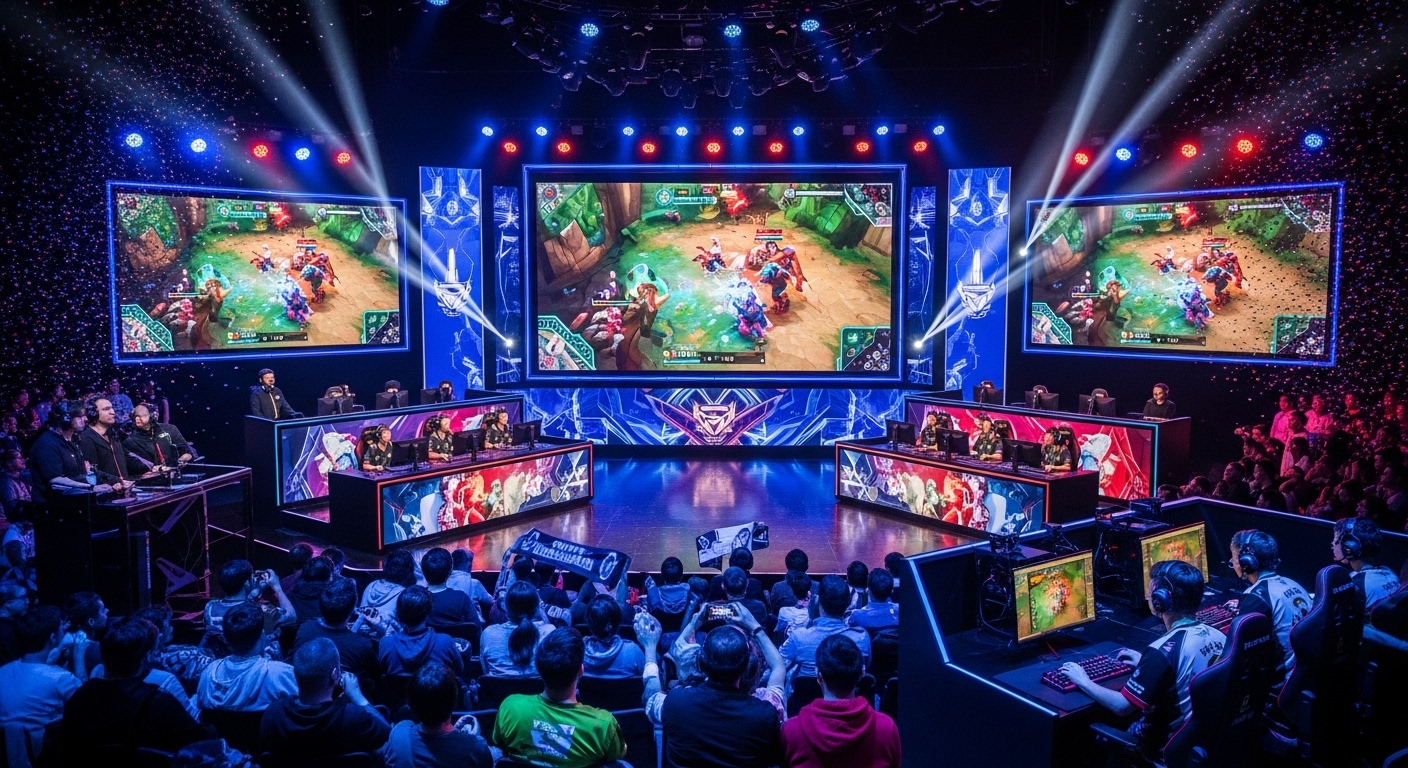
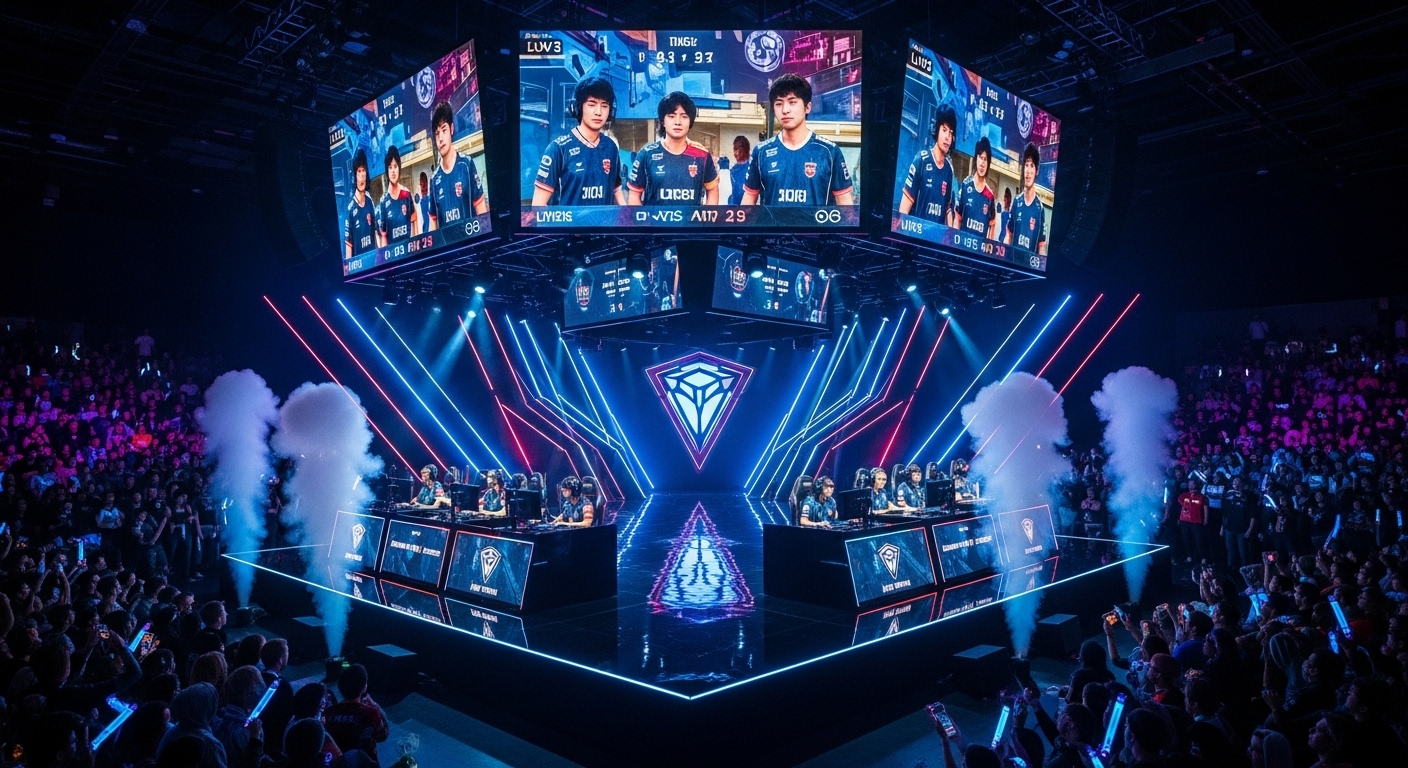
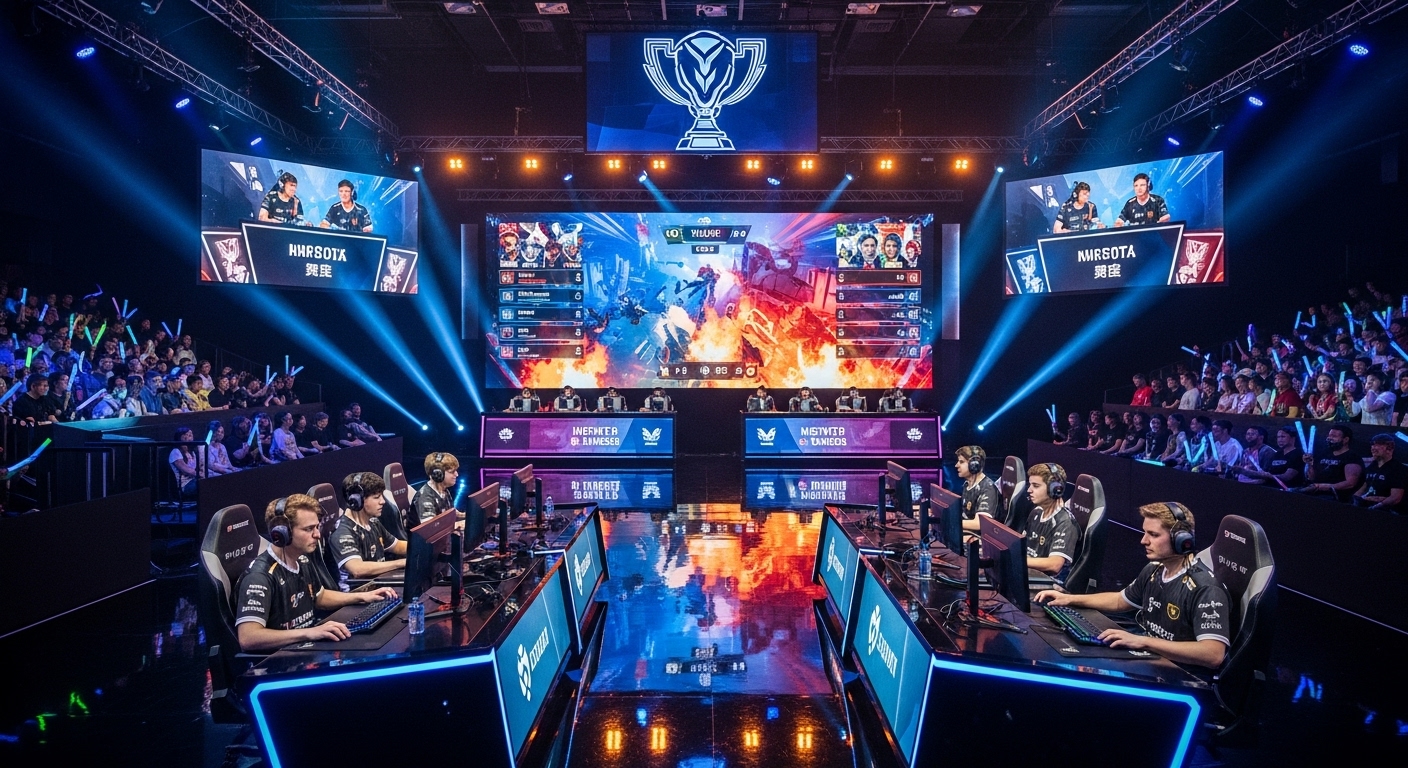
Esports, short for electronic sports, has evolved from being a niche hobby enjoyed by small communities of passionate gamers to a global phenomenon that rivals traditional sports in both popularity and profitability. Over the last two decades, this digital revolution has changed how people view competition, entertainment, and technology. Esports has become a cultural force that unites players and fans across continents, languages, and generations. From massive international tournaments to streaming platforms that reach millions of viewers, the world of esports represents the intersection of gaming, innovation, and ambition.
The Origins of Esports
The roots of esports can be traced back to the early days of video gaming in the 1970s and 1980s. The first known competitive gaming event took place at Stanford University in 1972, where players competed in the game Spacewar. Although small in scale, this event marked the beginning of organized video game competitions. Throughout the 1980s, arcade culture exploded, and games like Pac-Man, Donkey Kong, and Space Invaders became cultural icons. Tournaments began to emerge, with players vying for high scores and bragging rights.
The 1990s marked the first major leap in competitive gaming. With the rise of personal computers and local area network (LAN) technology, players could compete directly against each other in real time. Games like Doom, Quake, and StarCraft laid the foundation for what would become the esports industry. The first large-scale esports tournaments began to appear, attracting sponsors and media attention. South Korea, in particular, became a global hub for competitive gaming, as the government invested heavily in broadband internet infrastructure and gaming culture flourished.
The Growth of Esports in the 2000s
The early 2000s brought a technological revolution that transformed esports into a professional industry. With faster internet speeds and the rise of online gaming, players no longer needed to gather in the same physical location to compete. Online multiplayer games became mainstream, and communities began to form around titles like Counter-Strike, Warcraft III, and Halo.
In this era, professional gaming leagues and organizations emerged. The Cyberathlete Professional League (CPL) and Major League Gaming (MLG) in North America began hosting regular tournaments with cash prizes. In South Korea, StarCraft became a national obsession, with professional players gaining celebrity status and live broadcasts drawing millions of viewers.
Esports was no longer just about fun; it was becoming a legitimate career path. Teams, sponsors, and gaming organizations began to form structured ecosystems. Players signed contracts, practiced full-time, and traveled internationally to compete. The global audience grew exponentially as streaming platforms like YouTube and Twitch made it easier to watch live matches.
The Modern Esports Industry
By the 2010s, esports had become a global entertainment powerhouse. Professional tournaments filled arenas, and millions of fans tuned in online. Games like League of Legends, Dota 2, and Counter-Strike: Global Offensive dominated the scene, offering multi-million-dollar prize pools and professional leagues with corporate sponsorships.
Major esports events, such as The International for Dota 2 and the League of Legends World Championship, became comparable to traditional sporting events in scale and production value. These tournaments attracted not only passionate gaming fans but also mainstream audiences. Companies like Coca-Cola, Intel, and Mercedes-Benz began sponsoring events, recognizing the massive marketing potential of the esports audience.
The esports ecosystem also diversified during this period. Different genres gained prominence, from first-person shooters like Overwatch and Call of Duty to sports simulations like FIFA and NBA 2K. Even battle royale games such as Fortnite and PUBG created new formats for competition and entertainment.
The Impact of Streaming Platforms
Streaming platforms played a monumental role in shaping modern esports. Before streaming, watching professional gaming required downloading large video files or relying on television broadcasts in select countries. The launch of Twitch in 2011 changed everything. Players and fans could now interact in real time, creating communities around specific games and personalities.
Streaming allowed aspiring players to showcase their skills to global audiences, often leading to professional opportunities. It also blurred the line between player and entertainer. Streamers who were skilled, charismatic, or innovative built massive fan bases and generated substantial income through sponsorships, donations, and subscriptions.
Esports tournaments leveraged these platforms to reach audiences worldwide. Viewership numbers skyrocketed, with major finals drawing millions of concurrent viewers. The accessibility of streaming helped esports grow faster than traditional sports, which rely heavily on television networks and regional broadcasting deals.
The Economics of Esports
The esports industry has developed into a multi-billion-dollar business. Revenue streams include sponsorships, advertising, media rights, merchandise sales, and ticketed live events. Teams operate similarly to traditional sports franchises, with managers, coaches, analysts, and marketing departments. Players sign contracts that can reach hundreds of thousands of dollars annually, and top-tier professionals earn millions from prize money and brand endorsements.
Franchise-based leagues have emerged, such as the Overwatch League and the Call of Duty League, where teams represent cities much like in traditional sports. This model has attracted investment from major corporations and sports figures, further legitimizing esports as an industry. Investors see the potential for long-term growth as younger generations continue to favor digital entertainment over traditional media.
Esports organizations also diversify their operations. They manage content creators, operate training facilities, and even collaborate with universities to offer scholarships for competitive gamers. This structured approach ensures stability and sustainability, allowing the industry to mature beyond the early chaotic years of grassroots tournaments.
The Cultural Impact of Esports
Esports is more than competition—it is a cultural movement. Gaming has become a universal language that bridges national, cultural, and linguistic divides. Esports players are global icons, influencing fashion, music, and lifestyle trends. Many top players are treated with the same admiration as athletes from football or basketball.
The rise of esports has also changed how people socialize. Online gaming communities foster friendships that cross borders, and tournaments create global celebrations where fans cheer for their favorite teams and players. Esports also encourages diversity, as players from different backgrounds compete on equal footing. Gender barriers are slowly breaking down, and more female players and commentators are gaining visibility.
In education, esports has inspired the creation of academic programs and scholarships. Schools and universities now offer courses in game design, esports management, and digital marketing, recognizing the career opportunities the industry provides. Competitive gaming is also being used as a tool for developing teamwork, strategic thinking, and digital literacy.
The Role of Technology in Esports Development
Technology is at the heart of esports evolution. High-speed internet, powerful gaming hardware, and cloud computing have made competitive gaming accessible to millions. Advances in graphics processing, artificial intelligence, and streaming technology have enhanced both the player experience and viewer engagement.
Virtual reality (VR) and augmented reality (AR) are opening new possibilities for immersive gaming experiences. As these technologies become more affordable, esports may expand into entirely new genres of competition. Additionally, artificial intelligence is being used to analyze gameplay, train players, and even enhance spectator experiences through data-driven commentary and insights.
Mobile gaming has also become a major driver of esports growth. In regions like South Asia, Southeast Asia, and Latin America, mobile games such as PUBG Mobile and Mobile Legends dominate the competitive scene. These titles make esports accessible to anyone with a smartphone, removing the financial barrier of expensive gaming PCs or consoles.
The Challenges Facing Esports
Despite its success, the esports industry faces significant challenges. Player burnout is a growing concern, as professional gamers often practice for long hours with little rest. The lack of standardized regulations and governing bodies can lead to inconsistent tournament rules, contract disputes, and unethical practices.
Another major issue is the mental and physical well-being of players. The intense competitive environment, coupled with online scrutiny, can lead to stress, anxiety, and exhaustion. Organizations are increasingly investing in player welfare programs, hiring psychologists and fitness trainers to support athletes’ health.
Cheating and match-fixing also threaten the integrity of esports. With large sums of money involved, ensuring fair play is critical. Anti-cheat software and strict monitoring systems are being developed, but maintaining transparency and trust remains a constant battle.
Finally, there is the challenge of sustainability. While the industry continues to grow, maintaining long-term profitability requires careful management. Some games lose popularity quickly, and teams must adapt to shifting trends. Balancing commercial interests with community-driven passion is key to keeping esports authentic.
The Future of Esports
Looking ahead, the future of esports appears bright and boundless. As technology continues to advance, new opportunities will emerge for both players and fans. Virtual reality tournaments, AI-driven coaching, and blockchain-based rewards systems could redefine how esports operate.
Traditional sports organizations are also increasingly partnering with esports. Football clubs, basketball teams, and even Olympic committees have recognized the potential of integrating esports into their structures. The International Olympic Committee has already experimented with esports events, signaling a future where digital competition stands alongside traditional athletics.
Esports will continue to influence entertainment as well. Hybrid events combining live performances, interactive experiences, and competitive matches are becoming more common. Streaming platforms will evolve into more immersive and personalized spaces, allowing fans to engage directly with their favorite teams and players.
The global accessibility of gaming ensures that esports will continue to thrive across all regions. Developing markets are producing new talent and audiences every year. With continued investment in infrastructure, education, and fair competition, esports could soon surpass many traditional sports in global reach and influence.
Conclusion
Esports has grown from humble beginnings in university labs and local arcades to become a worldwide spectacle that captivates millions. It represents the fusion of technology, competition, and creativity in a way that defines modern entertainment. The industry’s journey from obscurity to mainstream success reflects not only the evolution of gaming but also the transformation of how society views digital culture.
In many ways, esports is more than a sport—it is a reflection of the digital age itself. It showcases the power of innovation, the value of community, and the limitless potential of human skill and imagination. As the industry continues to evolve, one thing remains certain: esports is not a passing trend. It is the future of competitive entertainment, a celebration of talent and technology that will continue to inspire generations to come.
Word Count: ~2,150 words