





Esports has transformed from a small, underground scene into one of the most powerful entertainment industries on the planet. What began as groups of friends battling for high scores in dimly lit arcades has evolved into global tournaments, professional players, million-dollar sponsorships, and a fan base that rivals traditional sports. Today, esports is not just about gaming—it’s a culture, a business, and for many, a way of life.
The Humble Beginnings of Competitive Gaming
To understand esports today, we need to look back to where it all started. The roots of esports can be traced to the early 1970s and 1980s, when video games were first entering homes and arcades. In 1972, a group of Stanford University students competed in what’s considered the first organized video game competition, playing Spacewar! for a grand prize of a year’s subscription to Rolling Stone magazine.
While that event may seem trivial by modern standards, it marked the beginning of a new kind of competition—one that would one day rival traditional sports in popularity and scale. As gaming consoles like the Atari 2600 and Nintendo Entertainment System became mainstream, competition grew. Players gathered to prove their skill at games like Pac-Man, Donkey Kong, and Space Invaders, often featured in local tournaments or gaming magazines.
The first true taste of esports came in the 1990s with the rise of multiplayer games. The release of Street Fighter II and Mortal Kombat sparked the fighting game community, while the rise of PC gaming led to first-person shooters like Quake and Counter-Strike. LAN parties—local area network gatherings where players connected their computers to play together—became a defining part of gaming culture. What was once just “playing games” began to take shape as a competitive discipline.
The Internet Revolution and the Birth of Esports Culture
The real explosion came with the internet. Suddenly, players no longer needed to be in the same room—or even the same country—to compete. Online multiplayer games changed everything, transforming isolated pockets of players into vast global communities.
In the early 2000s, games like StarCraft, Counter-Strike 1.6, and Warcraft III helped define modern esports. South Korea became the epicenter of this movement. With widespread broadband internet and government support for digital entertainment, the country gave rise to the first generation of professional gamers. Television channels dedicated to gaming aired tournaments, and players became celebrities. The Korean StarCraft leagues set the standard for how professional gaming could look: commentators, sponsorships, and a dedicated fan base.
This model soon spread worldwide. The United States saw the rise of the Major League Gaming (MLG) circuit, which hosted professional tournaments across multiple titles. Europe followed with its own leagues and events. What was once a fringe activity had evolved into an organized industry.
The Rise of Streaming and Esports’ Global Expansion
The next big leap for esports came with the rise of live streaming. Platforms like Twitch and YouTube Gaming transformed the way people consumed competitive gaming. For the first time, fans could watch their favorite players in real time, interact through chat, and become part of the experience.
Streaming democratized esports. Anyone with a good internet connection could follow global tournaments or discover new games. It also created a new class of gaming celebrities—streamers who combined entertainment, education, and competition. This accessibility helped esports expand into the mainstream and gave it cultural legitimacy.
By the 2010s, esports had solidified itself as a major entertainment industry. Titles like League of Legends, Dota 2, and Counter-Strike: Global Offensive drew millions of viewers. The League of Legends World Championship filled entire stadiums, and The International—Dota 2’s annual tournament—offered prize pools exceeding tens of millions of dollars.
Suddenly, the idea of a gamer becoming a millionaire didn’t sound like fantasy. It became a career goal.
Professionalism and the Esports Industry
As esports gained attention, it also grew more professional. Teams were no longer just friends playing together—they became structured organizations with coaches, managers, analysts, and sponsors. Training regimens rivaled those of athletes in traditional sports. Nutrition, psychology, and physical conditioning became part of player development.
Esports organizations like Team Liquid, Fnatic, Cloud9, and T1 established themselves as global brands. Many signed partnerships with major corporations outside of gaming—car manufacturers, clothing lines, and even financial institutions—signaling that esports had moved beyond its gaming roots into the mainstream economy.
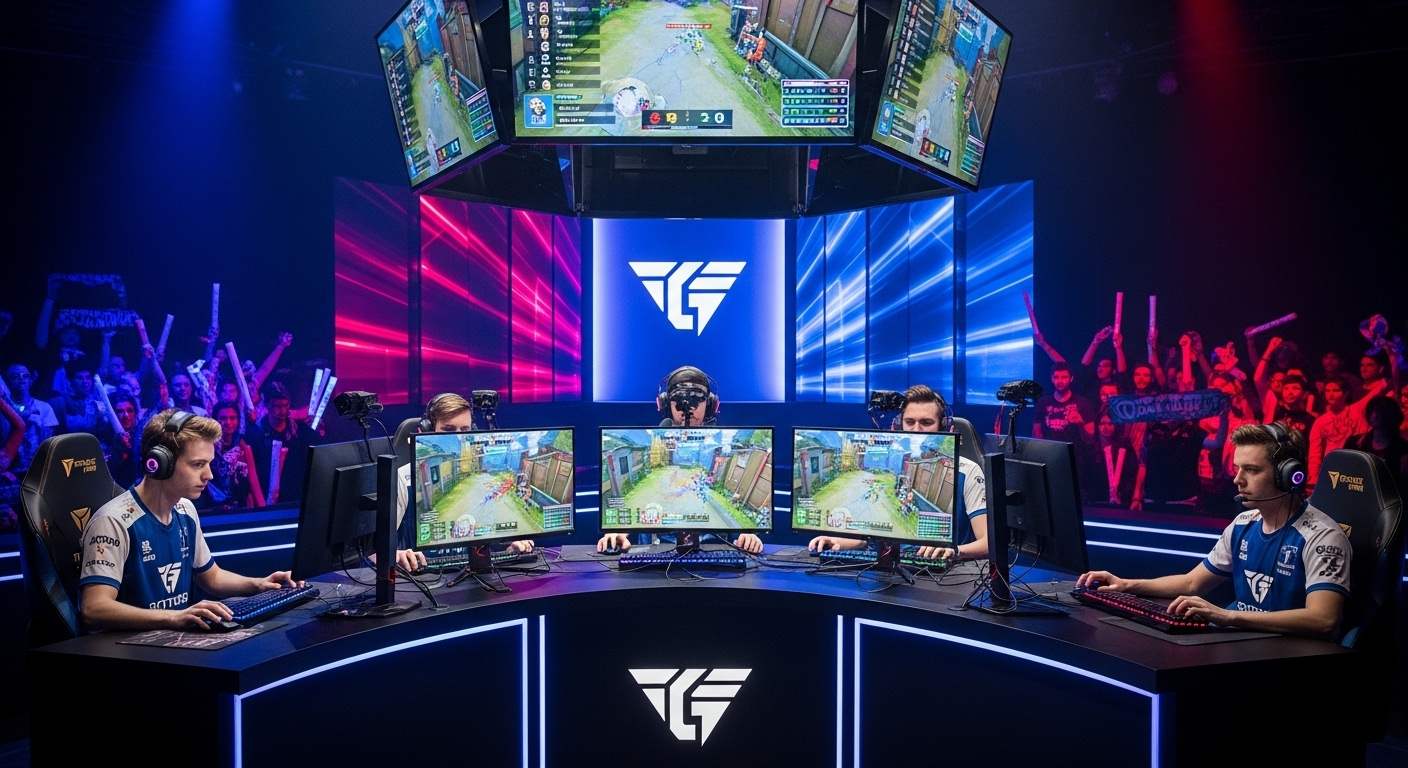
Tournaments became massive productions, featuring professional commentators, high-quality broadcasts, and live audiences. The skill level required to compete at the top became astonishingly high. Players spent years honing their reflexes, strategic understanding, and teamwork to stay competitive.
The Economics of Esports
Behind the scenes, esports evolved into a complex ecosystem of revenue streams. Prize pools are the most visible, but they represent only a fraction of the money circulating in the industry. Sponsorships, advertising, media rights, ticket sales, and in-game purchases form the economic foundation.
Sponsorships are particularly crucial. Companies see esports as a gateway to the younger generation—a demographic that consumes digital content more than traditional media. Brands like Intel, Red Bull, and Nike have invested heavily in teams and tournaments. Some have even created specialized products tailored to gamers.
Media rights have also become a lucrative sector. Just as television networks compete for sports broadcasting rights, streaming platforms and media companies bid for exclusive coverage of esports events. Meanwhile, game publishers themselves often act as the organizers, controlling the competitive structure to maintain brand consistency and ensure long-term sustainability.
The Role of Game Developers and Publishers
One unique aspect of esports is the involvement of game developers. Unlike traditional sports, where no single entity owns the game, esports titles are intellectual property controlled by companies. This gives developers enormous influence over how the competitive scene operates.
For example, Riot Games manages the League of Legends ecosystem with a franchised league model, similar to the NBA or NFL. Valve, on the other hand, allows a more open system for Dota 2 and Counter-Strike, where independent organizers can host tournaments. Blizzard has taken a hybrid approach with games like Overwatch and StarCraft II.
This control has benefits and drawbacks. On one hand, developers can ensure a consistent competitive experience and maintain the integrity of the game. On the other, it raises questions about long-term player rights, tournament accessibility, and potential monopolies. Still, the collaboration between developers and the community remains essential for the health of esports.
Esports and the Changing Perception of Gaming
One of the most fascinating changes brought by esports is how it has reshaped society’s perception of gaming. For decades, video games were dismissed as a waste of time, often stigmatized as antisocial or unproductive. Esports challenged that stereotype head-on.
Now, gaming is seen as a legitimate pursuit requiring skill, discipline, and intelligence. Schools and universities around the world have begun offering esports scholarships. Professional gamers are featured in mainstream media, interviewed alongside traditional athletes, and invited to global events.
This shift has also influenced parents and educators, who increasingly recognize gaming’s potential to teach problem-solving, teamwork, and strategic thinking. Esports is not merely entertainment—it’s an expression of digital-age competition and creativity.
The Rise of Women and Diversity in Esports
For much of its history, esports was dominated by men, both on stage and behind the scenes. However, the tide is changing. More women are entering the scene as players, streamers, and leaders. Organizations and advocacy groups are working to make gaming spaces more inclusive and supportive.
Female players like Sasha “Scarlett” Hostyn in StarCraft II and Li “Liooon” Xiaomeng in Hearthstone have proven that gender has nothing to do with skill. They’ve broken barriers and inspired new generations of players. Moreover, events such as all-women tournaments and diversity-focused initiatives are helping to bring balance to the industry.
The broader conversation about diversity also extends to race, nationality, and accessibility. Esports is inherently global, and that diversity has become one of its greatest strengths. Players from every corner of the world—South Korea, Sweden, China, Brazil, the United States, and beyond—compete on equal footing, united by their passion for gaming.
Esports and Technology: A Perfect Partnership
Esports couldn’t exist without technology, and technology continues to drive its evolution. High-speed internet, advanced graphics, and streaming platforms have made esports possible, but new innovations are shaping its future.
Virtual reality and augmented reality are poised to redefine competitive gaming by blending physical and digital spaces. Cloud gaming could eliminate the need for expensive hardware, making esports more accessible. Artificial intelligence is being used to analyze gameplay, optimize strategies, and improve performance coaching.
Even blockchain and digital collectibles are entering the space. Some organizations are exploring how non-fungible tokens (NFTs) and digital ownership can enhance fan engagement. Whether these trends succeed remains to be seen, but they highlight esports’ close connection to technological progress.
The Spectator Experience
One of the most underrated aspects of esports is its viewing experience. Watching professional players perform incredible feats of skill is captivating, even for those who don’t play the games themselves. Esports broadcasts are often filled with energy, fast-paced commentary, and production values that rival traditional sports.
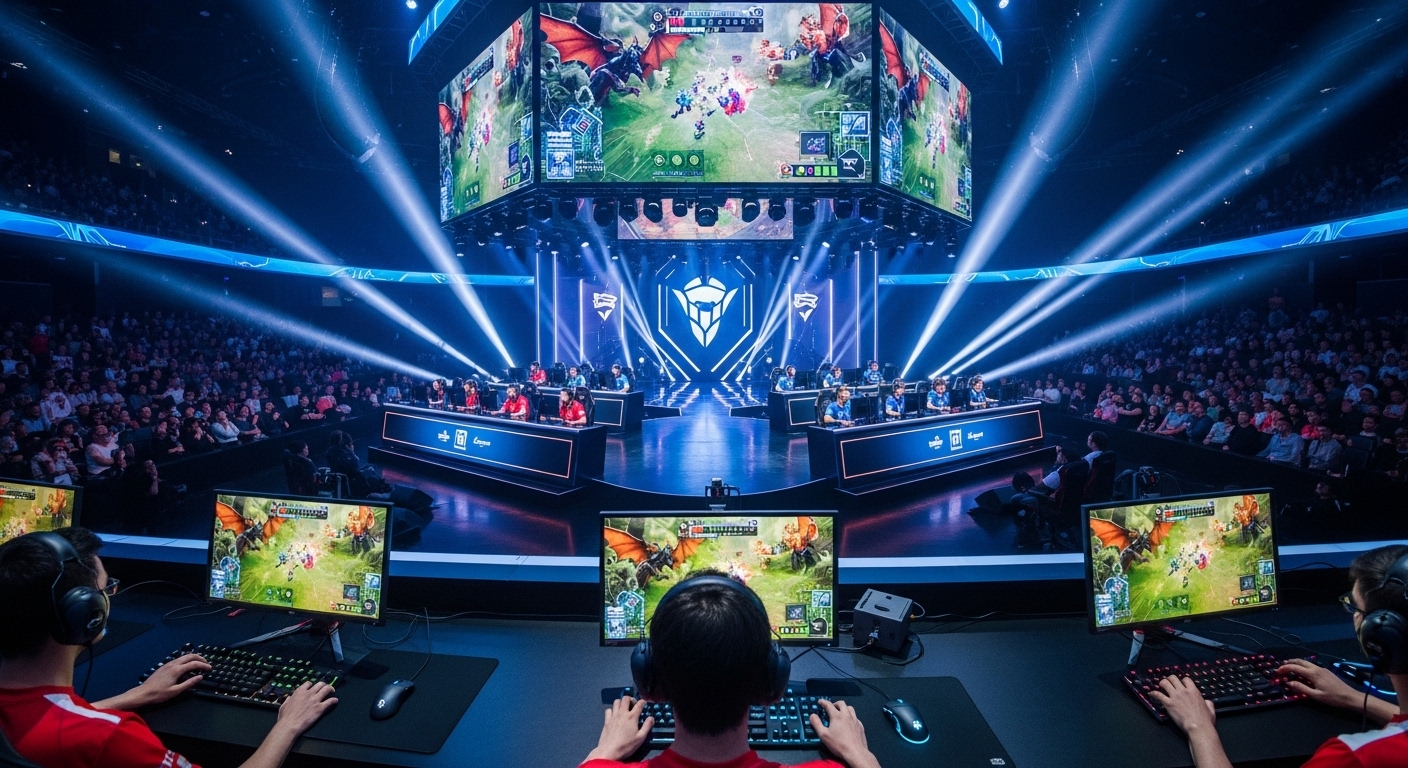
Stadiums full of cheering fans, dazzling light shows, and roaring soundtracks create an electric atmosphere. The emotional highs and lows—the clutch plays, comebacks, and upsets—mirror the drama of any major sporting event. Esports has mastered the art of storytelling through competition.
Fans also play an active role. Through live chats, social media, and community events, they shape the culture surrounding the games. Esports isn’t just something people watch—it’s something they participate in.
The Educational and Social Impact of Esports
Beyond entertainment, esports has also become a tool for education and social connection. Universities around the world now host esports programs, offering degrees in game design, event management, and digital marketing. High schools form competitive teams that teach teamwork and communication.
For many young people, esports provides a sense of belonging. Online communities offer friendship and shared purpose, especially for those who may not feel at home in traditional sports or social settings. It also promotes problem-solving, strategic thinking, and adaptability—skills that translate beyond the screen.
Furthermore, esports events bring together people from different cultures, fostering understanding and collaboration. International tournaments encourage global dialogue and shared enthusiasm, breaking down barriers that often divide people in other arenas.
Challenges and Criticisms
Of course, esports isn’t without its challenges. Like any rapidly growing industry, it faces issues that need careful management.
One major concern is player burnout. The competitive schedule can be relentless, with players often practicing up to twelve hours a day. The pressure to perform, combined with online scrutiny, can lead to stress and mental health problems. Many organizations are now investing in psychological support and balanced training to protect players’ well-being.
Cheating and match-fixing are also ongoing threats. Because esports takes place in a digital environment, there’s constant need for advanced anti-cheat technologies and strict regulation. Maintaining integrity is essential for credibility.
Another challenge is sustainability. Not every esports title can maintain long-term popularity. Games come and go, and when a title declines, so can the careers tied to it. The industry continues to adapt, but this volatility remains a concern for players and investors alike.
Esports and Traditional Sports: Rivals or Partners?
For years, people debated whether esports could truly be called a sport. While the physical demands are different, the strategic depth, teamwork, and dedication required make the comparison valid. Today, the debate has mostly shifted to collaboration rather than rivalry.
Traditional sports teams have entered the esports space, purchasing franchises or creating their own divisions. Football clubs like Paris Saint-Germain and FC Barcelona, as well as NBA teams like the Golden State Warriors, have invested heavily in esports. They see it not as competition but as expansion into the future of entertainment.
The International Olympic Committee has also taken notice, experimenting with virtual competitions and esports exhibitions. While full Olympic recognition is still a topic of debate, it’s clear that esports has earned its place in the global sporting conversation.
The Future of Esports
The future of esports looks bright, though uncertain in its exact shape. With continued technological progress, increased accessibility, and growing cultural acceptance, esports is poised to become one of the defining industries of the 21st century.
We can expect to see more integration between gaming, education, and media. Virtual reality arenas, advanced analytics, and global cross-platform tournaments could become the norm. Esports will likely continue merging with entertainment, blurring the lines between players, fans, and creators.
Yet, success will depend on balance—between competition and creativity, growth and integrity, profit and community. Esports has already proven that gaming is more than a pastime; it’s a cultural movement. Its next challenge is to maintain its authenticity while navigating the pressures of global success.
Conclusion: More Than Just Games
Esports is no longer a novelty—it’s a mirror of our digital age. It reflects how technology, entertainment, and community can intertwine to create something truly global. From a few college students playing Spacewar! in the 1970s to stadiums filled with millions of cheering fans, the journey of esports is a story of passion, innovation, and connection.
What makes esports truly special isn’t just the games or the money. It’s the people—the players, fans, creators, and dreamers who built an entire world around something they love. And that world keeps growing, one match, one click, and one victory at a time.