





Introduction: The Rise of a Global Digital Sport
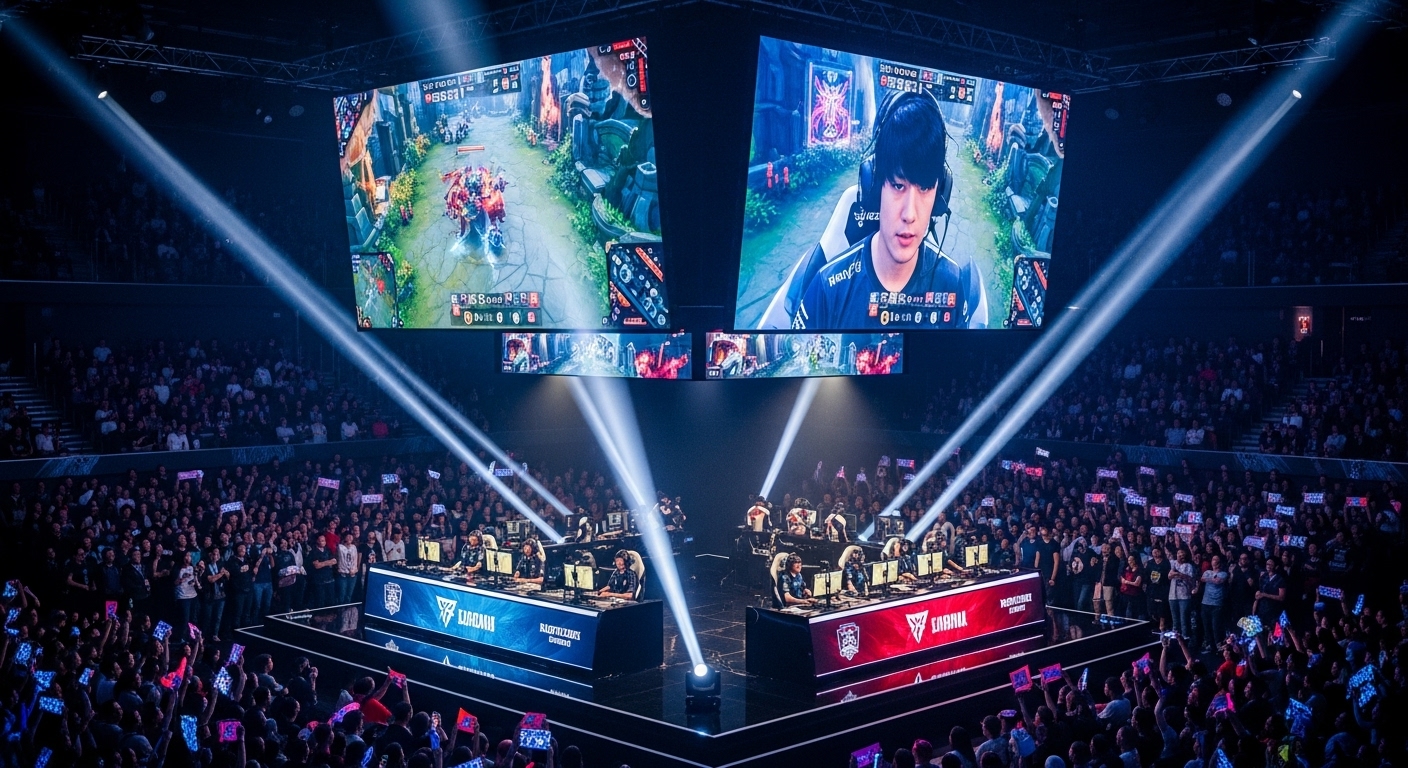
Esports has grown from a niche hobby into a global entertainment powerhouse, attracting millions of viewers, massive investments, and professional players who compete for life-changing prizes. What was once perceived as a pastime reserved for teenagers is now a structured, competitive, and rapidly expanding industry rivaling traditional sports in popularity. This evolution reflects not only technological advancements but also a cultural shift in how society views digital competition and entertainment.
The Evolution of Competitive Gaming
Competitive gaming has existed for decades, but the modern esports landscape truly began to take shape in the early 2000s. With the rise of broadband internet, gamers were able to compete globally, forming communities around titles like real-time strategy games, early first-person shooters, and multiplayer battle arenas. These games laid the foundation for what would become a multimillion-dollar industry.
Today, esports encompasses a wide variety of genres, from tactical shooters and sports simulations to complex strategy games. What remains consistent across all titles is the combination of skill, strategy, teamwork, and intense focus required to succeed.
The Structure of an Esports Ecosystem
Esports is far more than players competing on a screen. It is an entire ecosystem made up of organizations, teams, leagues, sponsors, coaches, analysts, production crews, and passionate fans.
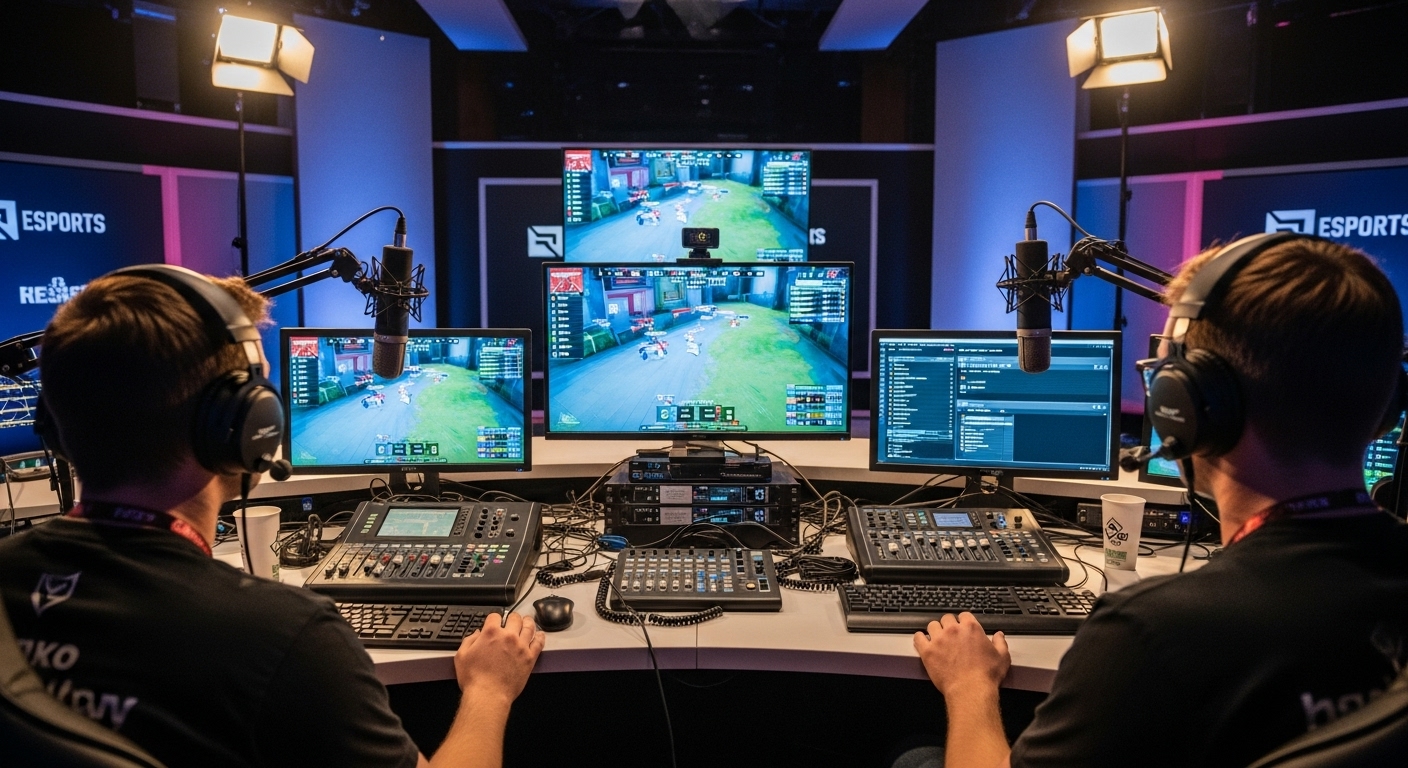
Professional teams operate much like traditional sports organizations, recruiting talent, building training facilities, and hiring support staff. Leagues and tournament organizers schedule competitive seasons, create rulebooks, and ensure fair play. Broadcasters produce high-quality events watched by millions across the world.
Behind every tournament is a complex network ensuring players perform at their best and spectators experience high-level entertainment.
Why Esports Attracts Modern Audiences
One of the greatest strengths of esports lies in its accessibility. Anyone with a device and internet connection can watch or participate in competitive gaming. Unlike traditional sports, esports does not require physical location, special facilities, or expensive equipment to enjoy.
Younger generations are especially drawn to esports because it aligns with their digital-first lifestyle. Interactive broadcasts, player streams, and community engagement offer a sense of closeness between fans and competitors. The ability to chat in real time, analyze gameplay, and connect globally makes esports uniquely interactive compared to many other forms of entertainment.
The Players: Modern-Day Digital Athletes
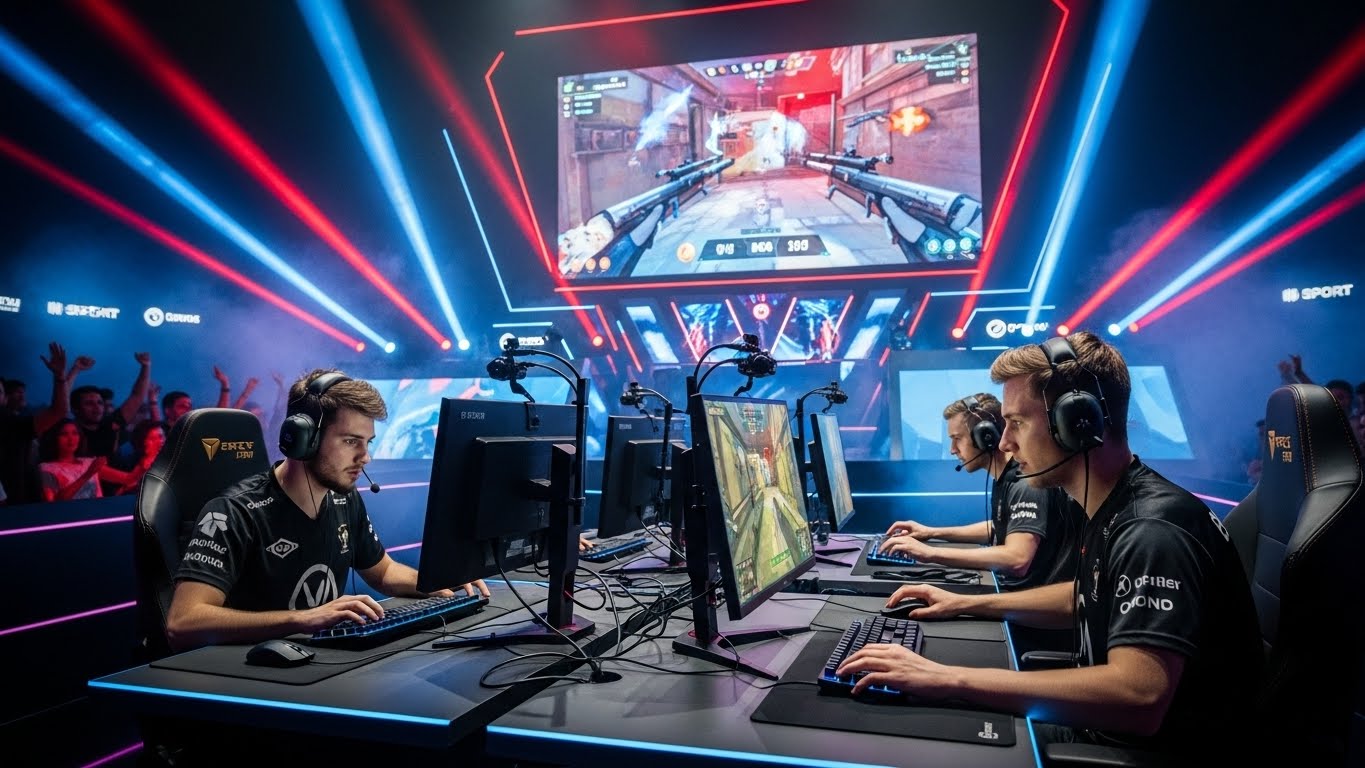
Professional esports players, often called pro gamers, dedicate thousands of hours to mastering their craft. They follow strict training schedules, analyze their gameplay, practice mechanics, and collaborate with teammates to refine strategies.
Beyond gameplay skills, pros must manage physical and mental health to maintain peak performance. Many teams now employ fitness trainers, nutritionists, sports psychologists, and sleep experts to ensure players stay healthy and focused.
Just like traditional athletes, pro gamers face intense competition, career pressure, and the need to constantly adapt to game updates and evolving meta strategies.
The Role of Technology in Shaping Esports
The success of esports is deeply tied to rapid technological evolution. High-performance hardware, improved game engines, low-latency internet connections, and advanced streaming platforms all contribute to the modern esports experience.
Virtual reality, artificial intelligence, and advanced analytics software continue to push the boundaries of competitive gaming, offering new ways to train athletes and engage fans. As technology evolves, the esports industry will continue to develop new formats and immersive experiences that keep audiences captivated.
The Economic Powerhouse Behind Esports
Esports has grown into a substantial economic force. Revenue streams come from sponsorships, merchandise, media rights, advertising, ticket sales, and in-game purchases. Major companies from industries such as automotive, clothing, technology, and beverages now invest heavily in esports partnerships, recognizing the influence and reach of the gaming community.
Prize pools for large tournaments often reach millions of dollars, and top players can earn substantial incomes through salaries, endorsements, and streaming revenue. The rapid expansion of esports has also created thousands of jobs across areas like event production, coaching, content creation, marketing, and game development.
Esports in Education and Career Development
Universities and educational institutions have begun acknowledging esports as a legitimate pathway for skill development and career growth. Many schools now offer esports scholarships, dedicated degree programs, and on-campus arenas for competitive teams.
Esports fosters valuable skills such as teamwork, communication, problem-solving, and strategic thinking. Even students who do not aim to become professional players can pursue careers in fields like game design, event management, broadcasting, or marketing. The presence of structured esports programs helps legitimize gaming as a meaningful educational and professional pursuit.
The Social Impact of Esports
Esports goes beyond competition; it builds communities. Fans form strong social bonds through shared interests in games, teams, and tournaments. Online forums, social media, local gaming events, and streaming platforms offer spaces for people from different cultures and backgrounds to connect.
Esports also encourages inclusivity by providing opportunities regardless of physical ability, gender, or geographic location. Many organizations actively promote diversity and accessibility, advocating for more representation in competitive gaming and leadership roles within the industry.
Challenges Facing the Esports Industry
Despite its success, esports faces significant challenges. Player burnout, fairness issues, inconsistent regulations, and financial instability in some organizations remain ongoing concerns.
Burnout is particularly common due to intense practice schedules and pressures of competition at a young age. Fairness issues can arise from cheating, match-fixing, or uneven tournament standards. Additionally, because esports includes many game titles owned by private companies, governance can become fragmented compared to traditional sports with unified oversight.
Addressing these challenges will require collaboration among developers, teams, league organizers, and community leaders.
The Future of Esports: What Comes Next
The future of esports is bright, with growth predicted across nearly all segments of the industry. As technology improves, competitive gaming will become even more immersive, potentially incorporating virtual reality and augmented reality.
Expect to see more regional leagues, international events, and cross-industry partnerships. Traditional sports organizations are increasingly entering the esports space, recognizing its growth potential and ability to engage younger fans.
Esports may also find a place in global sporting events, gaining further recognition as a structured and respected competitive discipline.
Conclusion: A New Era of Competition
Esports stands at the intersection of entertainment, technology, and global culture. What was once a small community of passionate gamers has transformed into an international phenomenon celebrated for its excitement, creativity, and competitive spirit.
As the digital world continues to evolve, esports will remain a defining force, shaping the future of sports and entertainment for generations to come. It is more than just playing games; it is a global movement that brings people together, challenges the limits of digital competition, and redefines what it means to be a modern athlete.