





Introduction: A Revolution on the Screen
Esports, once considered a niche hobby confined to dimly lit gaming cafés and basement LAN parties, has evolved into one of the world’s most dynamic and rapidly growing industries. Today, millions of fans tune in to watch skilled players compete in virtual battles that rival the intensity, strategy, and emotional investment of traditional sports. From teenagers aspiring to go pro to multinational companies investing in competitive gaming teams, esports has become a booming cultural and economic force. This blog explores how esports grew to this point, why it captivates global audiences, and what its future may hold.
The Rise of Competitive Gaming
In the early days of video gaming, competition existed but lacked the structure and visibility that esports enjoys today. Games were primarily played for fun, often among small groups of friends. However, as technology advanced and online connectivity improved, the landscape of gaming began to change dramatically.
With the emergence of high-speed internet, gaming transformed into a social and competitive platform. Players from across the world could now compete head-to-head, eliminating geographical restrictions. What followed was the formation of online communities, organized tournaments, and ranking systems that encouraged competitive spirit. These elements laid the foundation for the formalized esports industry we know today.
Game Titles That Built the Esports Empire
A handful of iconic games played crucial roles in shaping esports. These games did not simply entertain players; they created loyal fanbases and competitive ecosystems. Titles such as strategy-based arena games, team-based shooters, and football-style virtual sports attracted millions of viewers through their engaging gameplay, team dynamics, and expert-level strategies.
What makes these games ideal for esports is their balance between simplicity for casual viewers and complexity for seasoned spectators. While anyone can enjoy the excitement of a fierce match, dedicated fans appreciate the layers of decision-making, split-second reflexes, and tactical depth that professionals master. This combination helped games transition from living rooms to global stages.
The Professional Player: A New Breed of Athlete
Professional esports players challenge the stereotypes associated with gaming. Far from being casual hobbyists, they undergo rigorous training comparable to that of traditional athletes. Many pros practice for long hours each day to refine their mechanics, learn new strategies, and analyze opponents’ gameplay. Teams often hire coaches, strategists, nutritionists, and psychologists to support players’ performance and mental resilience.
Contrary to popular belief, esports requires significant physical skill as well. Players need exceptional hand-eye coordination, reaction speed, multitasking ability, and endurance to perform at high levels. Mental agility is equally important, as matches often rely on complex decision-making under intense pressure. The discipline and dedication of these players have helped shift the public perception of esports athletes, giving them recognition in mainstream culture.
Esports Arenas and Events: When the Virtual Goes Live
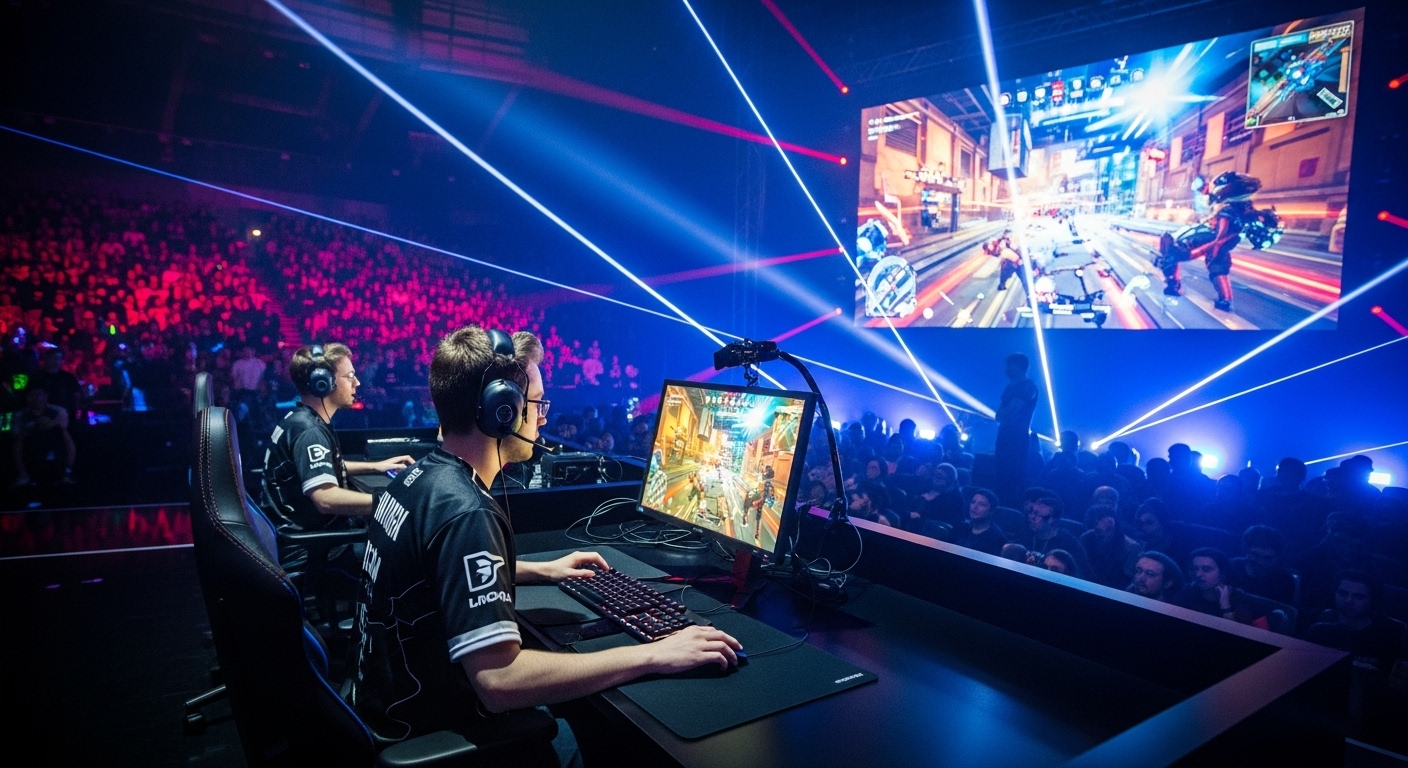
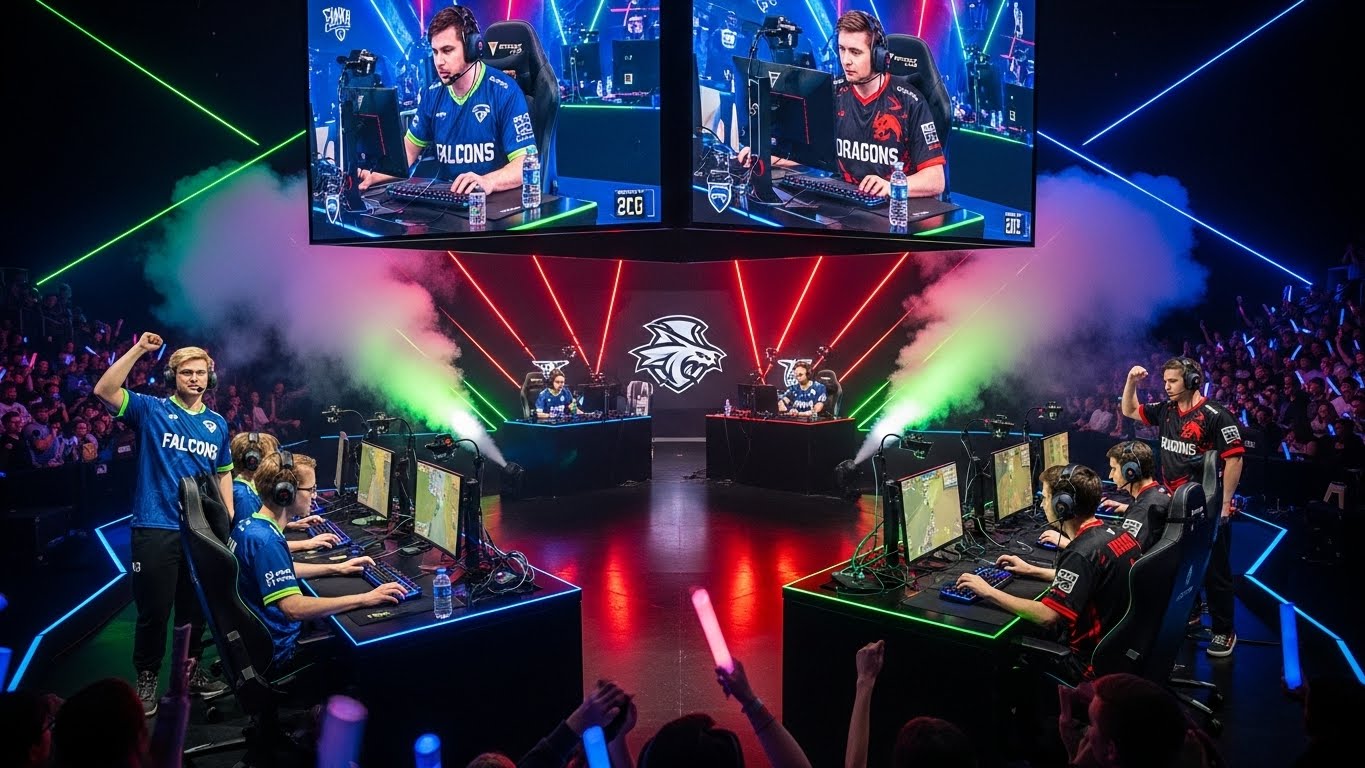
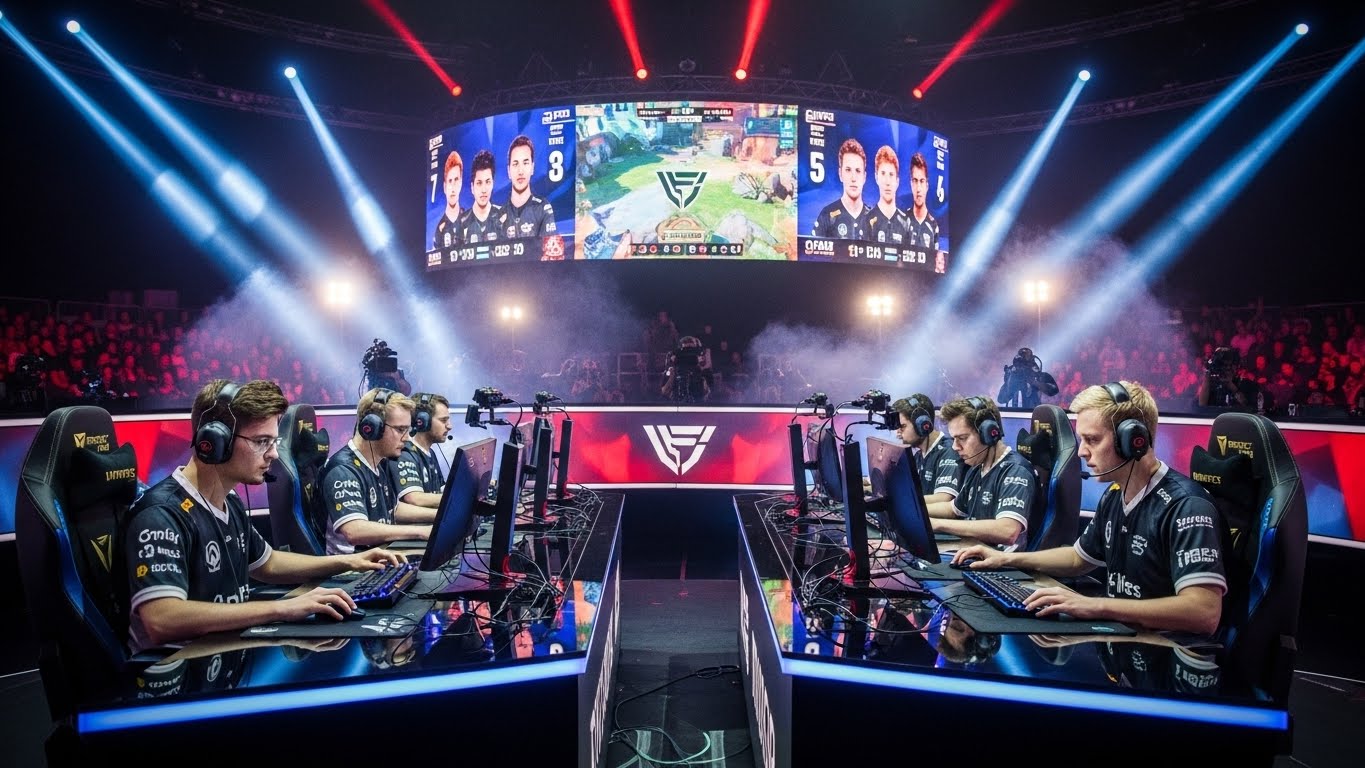
One of the most remarkable aspects of esports is how digital games have created real-world spectacles. Massive arenas that once hosted concerts or traditional sports events now fill with enthusiastic esports fans. These live events feature elaborate stage setups, massive screens, and theatrical lighting that create an electrifying atmosphere.
Crowds cheer for their favorite teams just as passionately as football or basketball fans would. Many spectators dress in team jerseys, create fan chants, and even travel internationally to attend major tournaments. The live audience experience has played a significant role in legitimizing esports as a global sporting event and strengthening the bond between players and their fan communities.
Streaming Platforms: The New Stadium Seats
While live tournaments attract thousands of attendees, online streaming platforms bring esports to millions globally. Spectators no longer need to purchase tickets or travel to specific venues. Instead, they can enjoy high-quality broadcasts, commentary, and replays from the comfort of their homes.
Streaming has democratized esports viewership, allowing newcomers to discover games and watch them at their own pace. It also offers aspiring players access to professional insights, gameplay strategies, and community interaction. In many ways, streaming has become the heartbeat of esports, bridging the gap between fans and players while fueling the industry’s explosive growth.
The Business of Esports: A Thriving Global Industry
The rapid expansion of esports has attracted the attention of investors, advertisers, and major global brands. Companies recognize the immense economic potential of the industry, leading to sponsorships, endorsement deals, merchandise sales, and media rights agreements.
Professional teams operate like traditional sports franchises, with managers, training facilities, and dedicated staff. Many organizations compete in multiple game titles, further expanding their reach and influence.
Esports also stimulates job creation in areas such as event management, broadcasting, content creation, coaching, marketing, and game development. This robust ecosystem not only generates revenue but also invites innovation, making esports one of the most exciting modern industries.
Why Esports Captivates the Modern Generation
The success of esports lies in its strong connection with younger generations. Unlike traditional sports that have been passed down through decades, esports naturally aligns with today’s digital-first world. It combines elements of entertainment, technology, and community, all of which resonate with modern lifestyles.
Esports is also inclusive and accessible. Almost anyone with a computer or console can attempt to compete or watch tournaments. Unlike many physical sports that require costly equipment or specific locations, esports invites participation from diverse backgrounds. This accessibility has played a vital role in fostering a global, multicultural community.
Moreover, esports celebrates creativity and strategy. Many games encourage experimentation, teamwork, and problem-solving, which adds depth and replay value. Fans not only watch matches but also become players themselves, deepening their engagement with the ecosystem.
Esports in Education and Career Development
In recent years, esports has entered academic institutions as well. Schools and universities have begun offering esports programs, clubs, and even scholarships. These initiatives reflect the growing acknowledgment of esports as a legitimate competitive and educational pursuit.
Beyond playing professionally, students learn valuable skills such as teamwork, leadership, communication, and critical thinking. Many go on to pursue careers in game design, marketing, broadcasting, or event management. This integration of esports into education highlights its potential to prepare future generations for a technology-driven world.
Challenges Facing the Esports Industry
Despite its success, esports faces several important challenges. Player burnout is a significant concern, as the demanding practice schedules and competitive pressure can lead to exhaustion. Maintaining mental and physical well-being is essential for long-term sustainability.
Another challenge is regulation. As esports becomes more global and commercialized, the need for standardized rules, oversight, and ethical guidelines has increased. Issues such as cheating, match-fixing, and player exploitation require consistent and fair policies.
Additionally, the rapid evolution of game titles means that esports must constantly adapt. Unlike traditional sports where rules remain stable, game updates can dramatically shift competitive balance. These changes, while exciting, pose challenges for teams and organizers.
The Future of Esports: Beyond the Screen
Looking ahead, the future of esports is filled with promise. As technology continues to advance, virtual reality, augmented reality, and improved game engines may revolutionize competitive gaming. Enhanced broadcasting techniques and interactive viewer experiences will make esports even more immersive.
Esports may also merge further with traditional sports, creating hybrid events and collaborative competitions. As society increasingly embraces digital entertainment, esports will continue evolving, expanding its audience, and redefining what it means to be a sport.
Conclusion: The Power of Play in a Modern World
Esports has transformed from a recreational pastime into a thriving global phenomenon. Its ability to bring people together, inspire competition, and create new career paths demonstrates the profound impact of digital culture on modern society. Whether you are a dedicated fan, an aspiring player, or a casual spectator, the world of esports offers excitement, community, and limitless potential. The digital arena is no longer just a game; it is a cultural movement shaping the future of entertainment and sports.