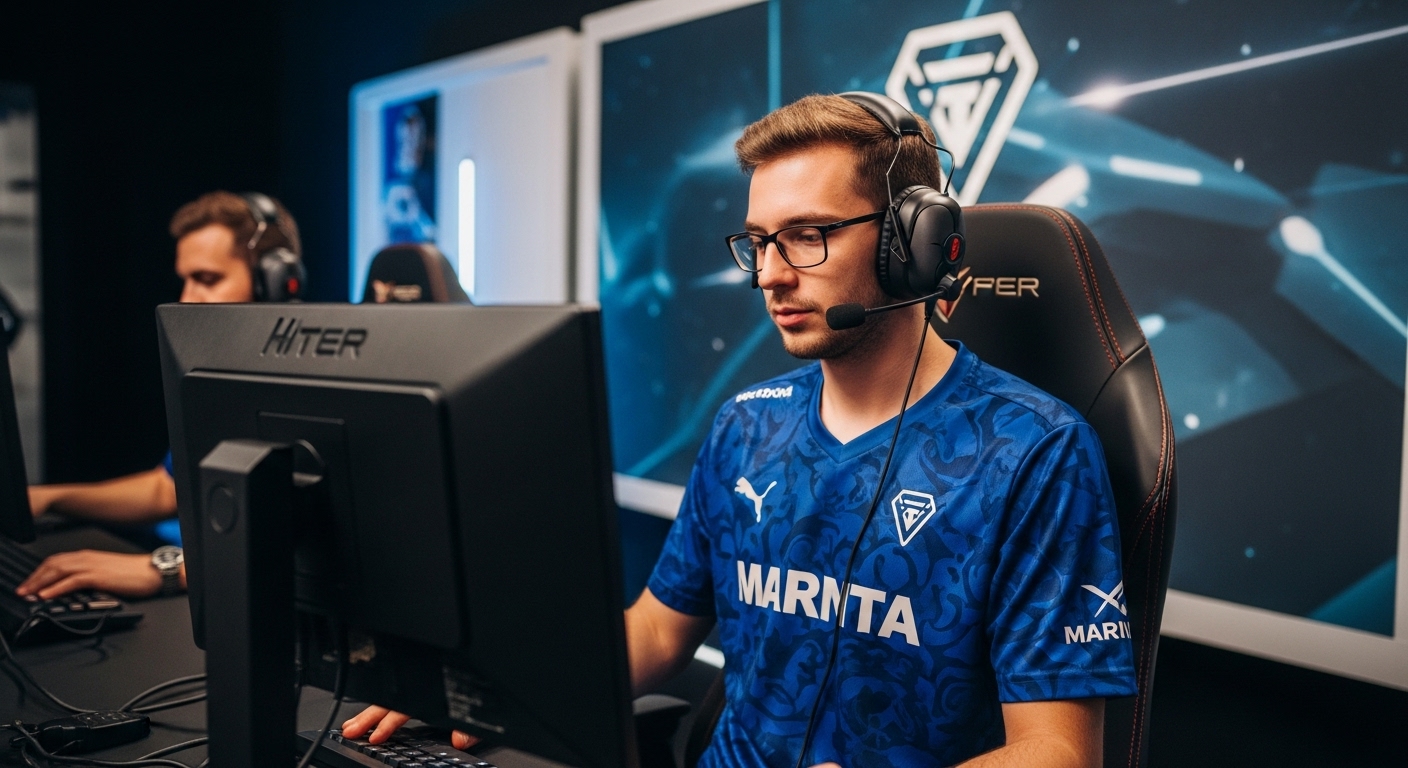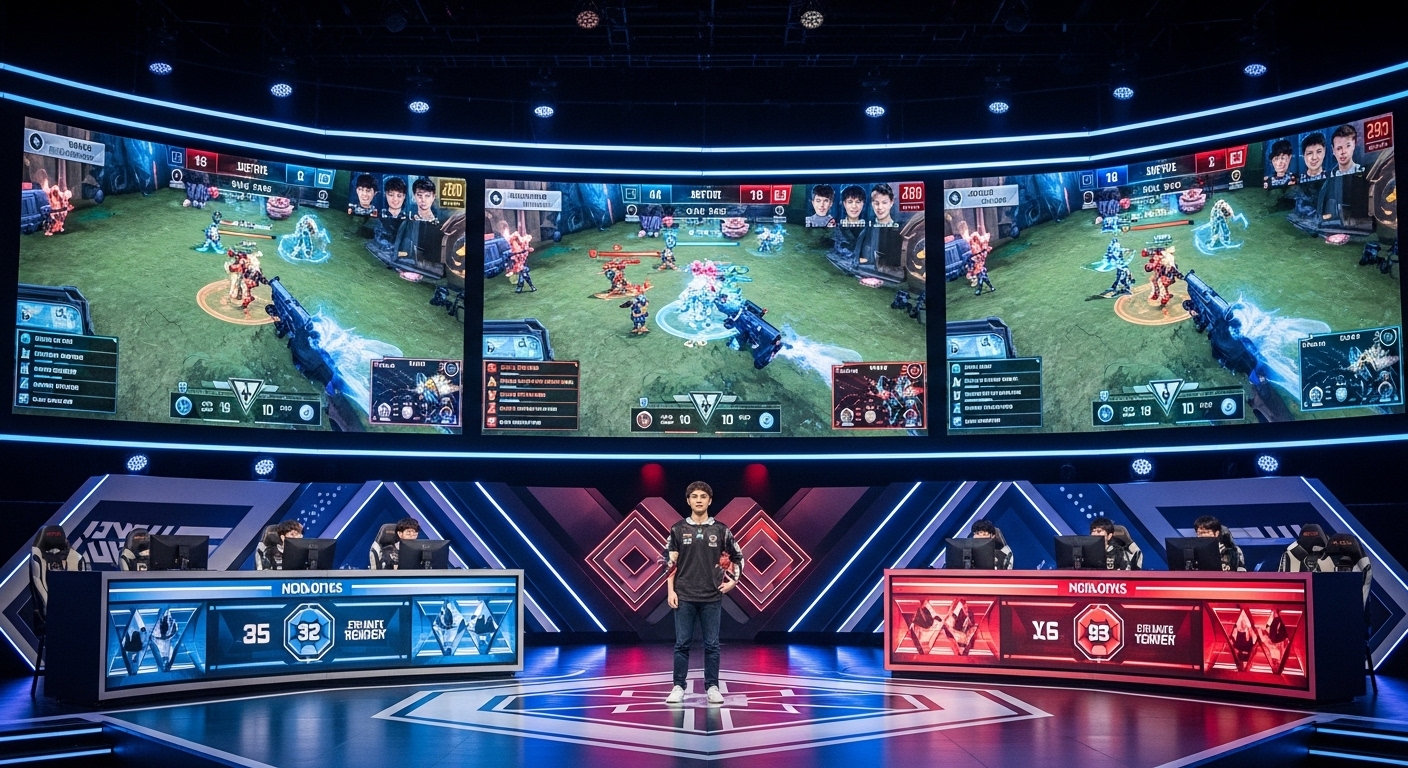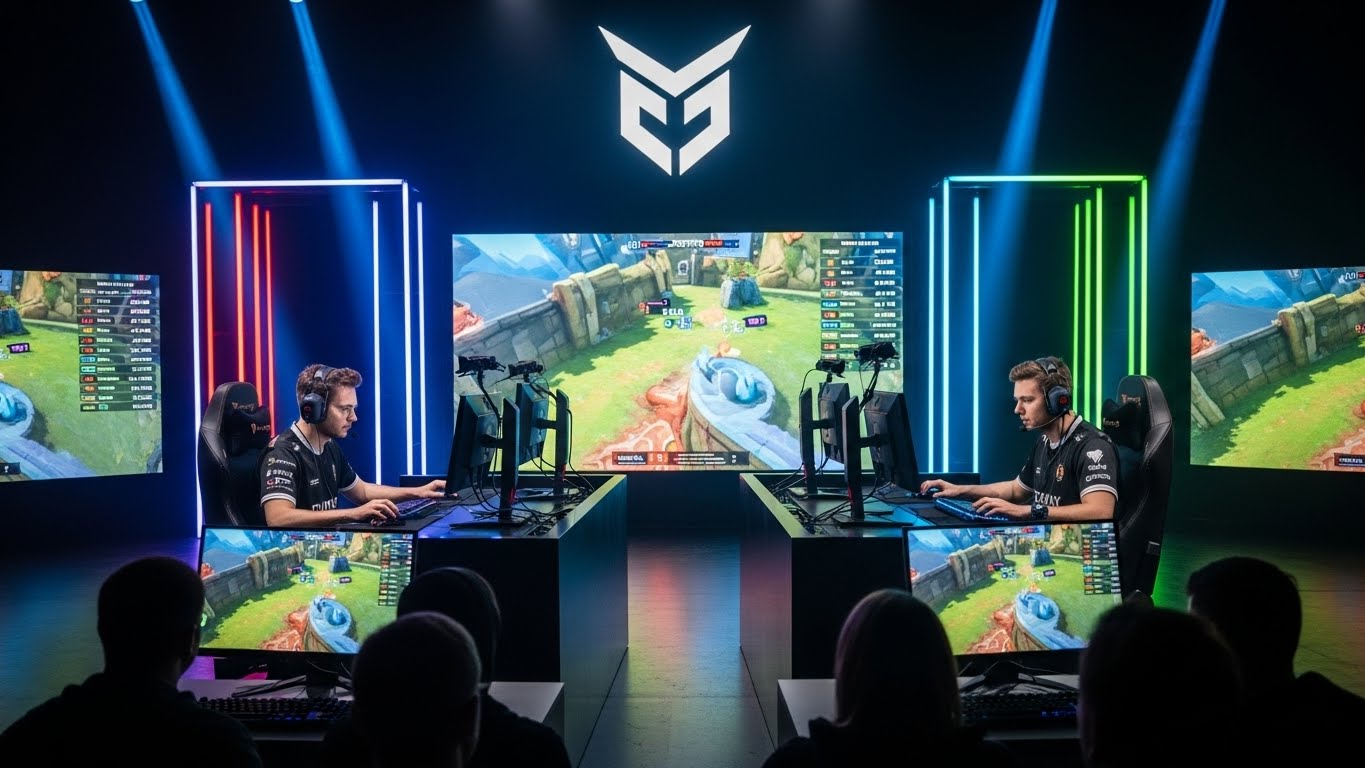






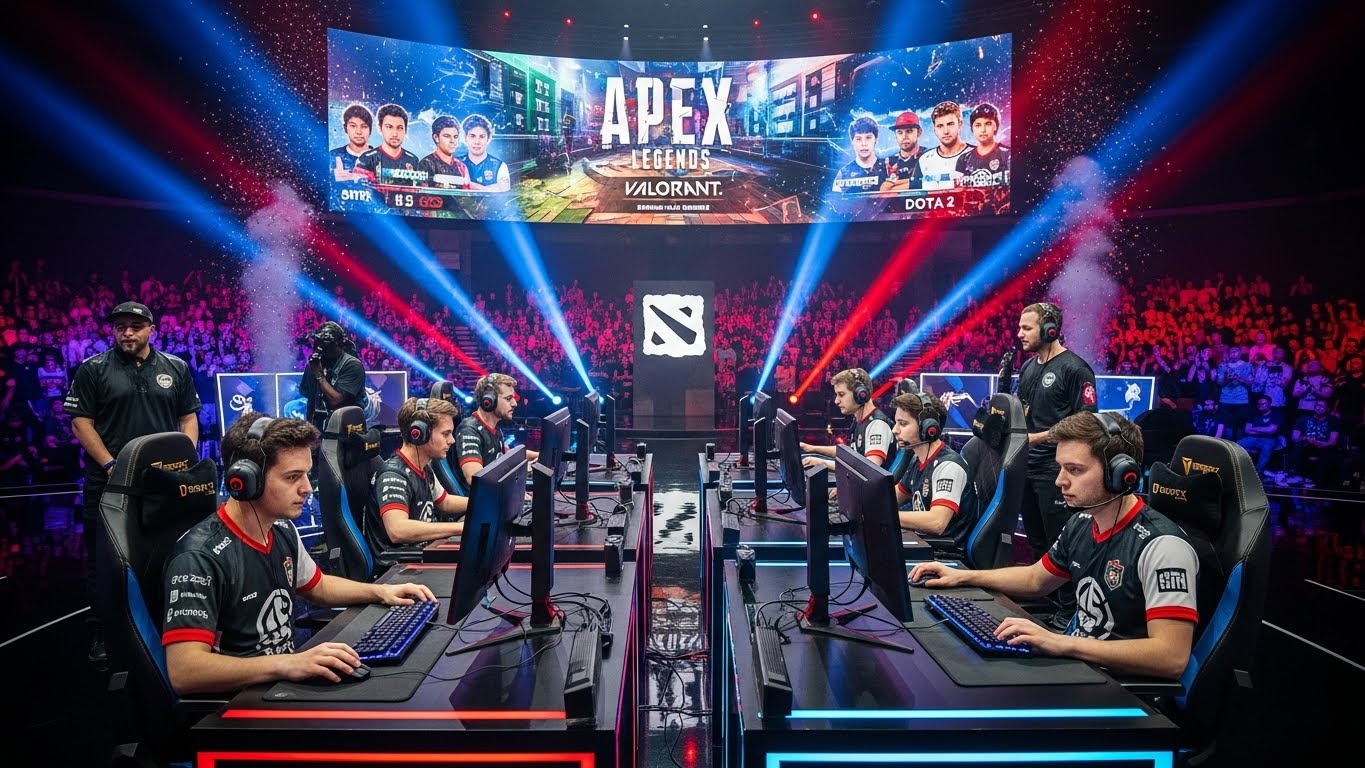
Esports, or competitive gaming, has evolved from niche hobbyist competitions to a global phenomenon that rivals traditional sports in popularity, viewership, and revenue. With professional players, massive tournaments, and streaming platforms attracting millions of fans worldwide, esports is redefining the landscape of entertainment, sports, and culture. This blog explores the growth, influence, and future of esports, highlighting its impact on players, communities, and industries.
The Evolution of Esports
The roots of esports can be traced back to the late 20th century when competitive video gaming began as small-scale contests among enthusiasts. Early arcade tournaments and local competitions laid the foundation for professional gaming. Titles such as Street Fighter, StarCraft, and Counter-Strike became iconic in shaping competitive gaming culture.
With the advent of high-speed internet and online multiplayer games, esports grew exponentially. Online platforms allowed players from different parts of the world to compete, creating a global competitive scene. Today, esports spans genres from real-time strategy and first-person shooters to battle royale games and sports simulations, attracting diverse audiences and participants.
Esports as a Professional Career
Esports has emerged as a legitimate career path for many players. Professional gamers earn income through tournament winnings, sponsorships, streaming, and team contracts. Top esports athletes can earn salaries comparable to traditional sports players, making gaming a viable profession for talented individuals.
The esports industry also supports careers beyond players. Coaches, analysts, content creators, tournament organizers, and marketing specialists are integral to the ecosystem. These roles highlight the growing economic opportunities within the esports industry, making it a multifaceted professional domain.
The Global Popularity of Esports
Esports has achieved remarkable global reach. Major tournaments, such as the League of Legends World Championship, Dota 2’s The International, and Fortnite World Cup, attract millions of live and online viewers. Platforms like Twitch, YouTube Gaming, and Facebook Gaming have made it possible for fans to follow competitions in real-time, creating a global esports community.
Asia, North America, and Europe lead the esports scene, with South Korea and China particularly known for their professional gaming culture. These regions invest heavily in esports infrastructure, training facilities, and youth development programs, reflecting the strategic importance of esports as both entertainment and cultural influence.
The Role of Streaming in Esports
Streaming platforms are at the heart of esports growth. Live broadcasts allow fans to watch their favorite players, interact through chat, and engage with the competitive scene from anywhere in the world. Streamers not only showcase their skills but also build personal brands, attracting sponsorships and collaborations.
Streaming has also created a participatory culture where fans can learn strategies, interact with professional gamers, and even influence content. This accessibility has democratized esports fandom, making it inclusive and interactive. Streamers often act as ambassadors for games, bridging the gap between casual players and professional competitions.
Esports and Technology
Technology plays a crucial role in the evolution of esports. High-performance gaming PCs, consoles, and peripherals are essential for competitive play. Fast internet connections, low-latency servers, and advanced streaming software ensure smooth gameplay and broadcasting.
Moreover, analytics and performance-tracking tools allow players and teams to analyze strategies, monitor performance, and improve their skills. Artificial intelligence and machine learning are increasingly used for game analysis, strategy optimization, and matchmaking, enhancing both competitive fairness and audience experience.
Physical and Mental Demands of Esports
Contrary to popular belief, esports requires significant physical and mental effort. Professional players maintain rigorous training schedules, often practicing for several hours daily. Reflexes, hand-eye coordination, strategic thinking, and multitasking are critical for high-level performance.
Mental resilience is equally important. Players must handle pressure, adapt to opponents’ strategies, and recover from losses. Team-based games demand communication, coordination, and leadership, while solo competitions require focus, adaptability, and strategic foresight. Esports athletes also prioritize fitness and nutrition to sustain performance during long tournaments.
Esports and Education
Esports is increasingly influencing education, with universities and schools offering scholarships, courses, and programs in competitive gaming. Academic institutions recognize esports as a field that develops critical skills such as teamwork, strategic thinking, problem-solving, and digital literacy.
Student leagues and collegiate tournaments provide pathways for young players to enter professional esports. Educational programs also focus on game design, event management, broadcasting, and esports marketing, preparing students for careers within this growing industry.
The Economic Impact of Esports
Esports is a multi-billion-dollar industry, generating revenue through sponsorships, advertising, merchandise, ticket sales, and media rights. Corporate partnerships with esports teams and events have become increasingly common, reflecting the marketing potential of the esports audience.
Beyond direct revenue, esports stimulates economic activity in related sectors. Technology companies, gaming peripherals manufacturers, streaming platforms, and event organizers all benefit from the growth of esports. Cities hosting major tournaments gain tourism revenue and global exposure, emphasizing the broader economic significance of competitive gaming.
Social and Cultural Impact of Esports
Esports has reshaped social and cultural perceptions of gaming. Competitive gaming fosters a sense of community, connecting players and fans worldwide. Online tournaments, fan forums, and streaming interactions create shared experiences that transcend geographical boundaries.
Esports also challenges traditional stereotypes about gamers. Professional players are disciplined, strategic, and highly skilled, while fans form passionate and supportive communities. The culture around esports celebrates creativity, skill, and innovation, contributing to a broader appreciation of digital entertainment as a legitimate cultural phenomenon.
Inclusivity and Diversity in Esports
Esports has the potential to be more inclusive than many traditional sports. Unlike physical sports, gaming can accommodate a wide range of physical abilities, making it accessible to more people. Initiatives promoting diversity and gender equality are gaining traction, with women and underrepresented groups increasingly participating in competitions and leadership roles.
While challenges remain, including harassment and unequal representation, the esports community is actively working to create safe and welcoming environments. Diversity in esports not only strengthens competition but also reflects the global and inclusive nature of gaming culture.
The Future of Esports
The future of esports is both exciting and unpredictable. Advances in virtual reality, augmented reality, and cloud gaming promise to redefine gameplay experiences. Esports may increasingly integrate immersive technologies, offering fans interactive and multi-sensory engagement.
As esports continues to grow, professionalization will increase, with more structured leagues, global tournaments, and regulatory frameworks. Esports may also become more mainstream, with greater recognition in media, education, and society. The rise of mobile esports is opening new avenues, making competitive gaming accessible to millions of casual players worldwide.
Challenges Facing Esports
Despite its rapid growth, esports faces several challenges. Regulatory frameworks for tournaments, player contracts, and betting are still evolving. Mental health concerns, burnout, and physical strain are pressing issues for professional players. Additionally, ensuring fair play, addressing cheating, and maintaining integrity are ongoing challenges for organizers.
Balancing commercial growth with player welfare, audience experience, and ethical considerations will be key to sustaining esports as a legitimate and respected industry. Thoughtful management and community engagement are essential for navigating these challenges.
Conclusion: More Than Just a Game
Esports is no longer a fringe activity; it is a cultural, economic, and social force that rivals traditional sports. It combines entertainment, competition, technology, and community in ways that are uniquely modern. From professional players and global tournaments to streaming platforms and fan communities, esports has become an integral part of the digital era.
The impact of esports extends beyond the screen. It fosters skills, creates careers, builds communities, and inspires innovation. As technology advances and gaming continues to evolve, esports will play an increasingly significant role in shaping the future of entertainment, culture, and society.
In essence, esports is more than just a game—it is a dynamic, transformative phenomenon that reflects the creativity, determination, and connectivity of the modern world. Whether you are a player, fan, or industry professional, engaging with esports offers a glimpse into the future of competitive entertainment and digital culture.