





Introduction: From Pixels to Global Phenomenon
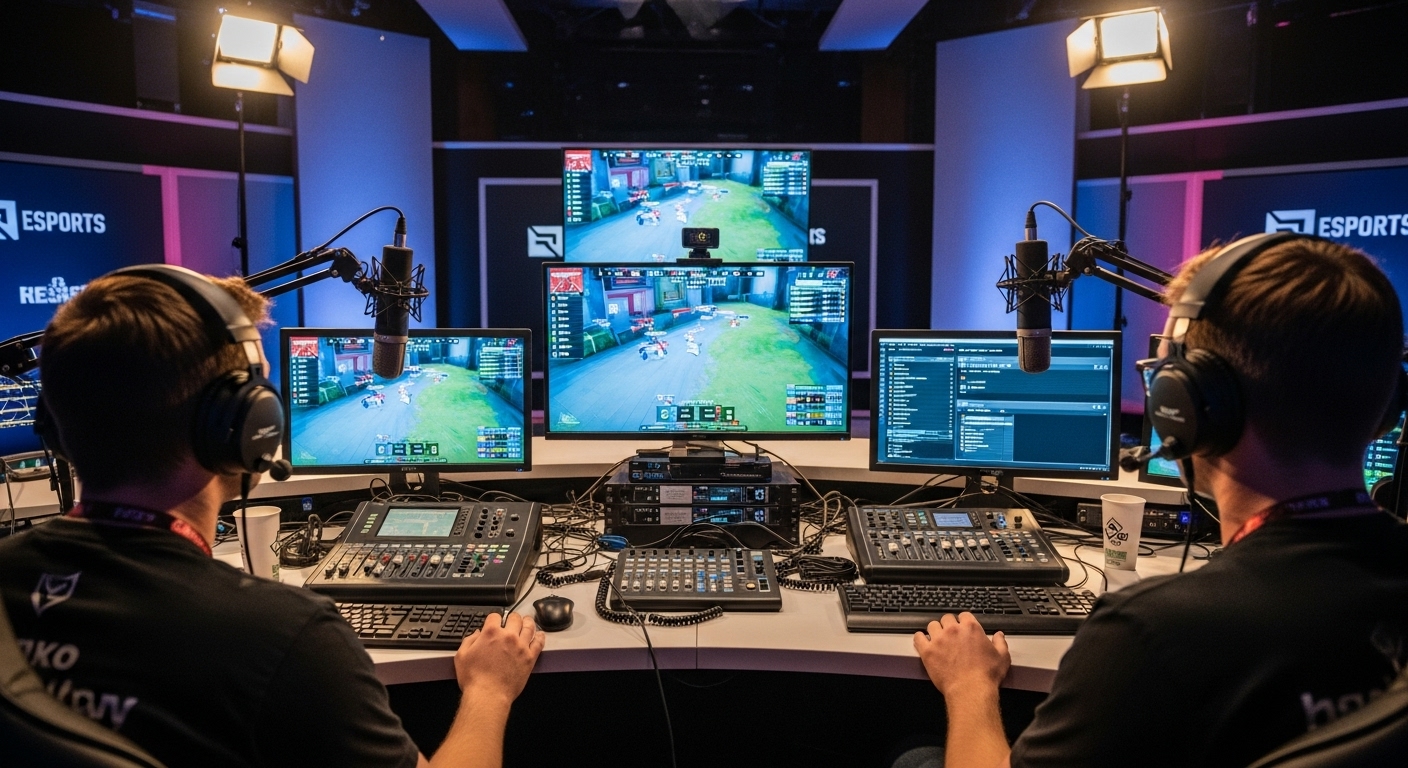
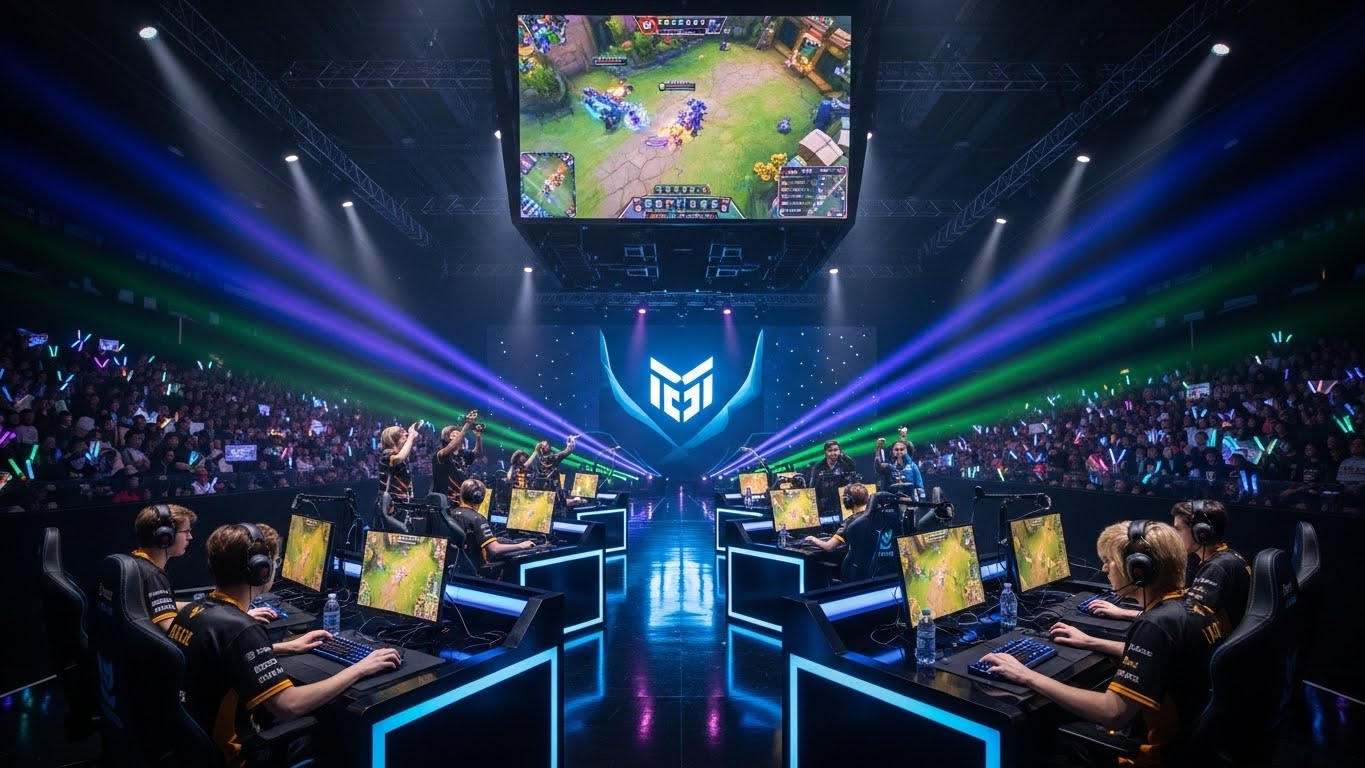
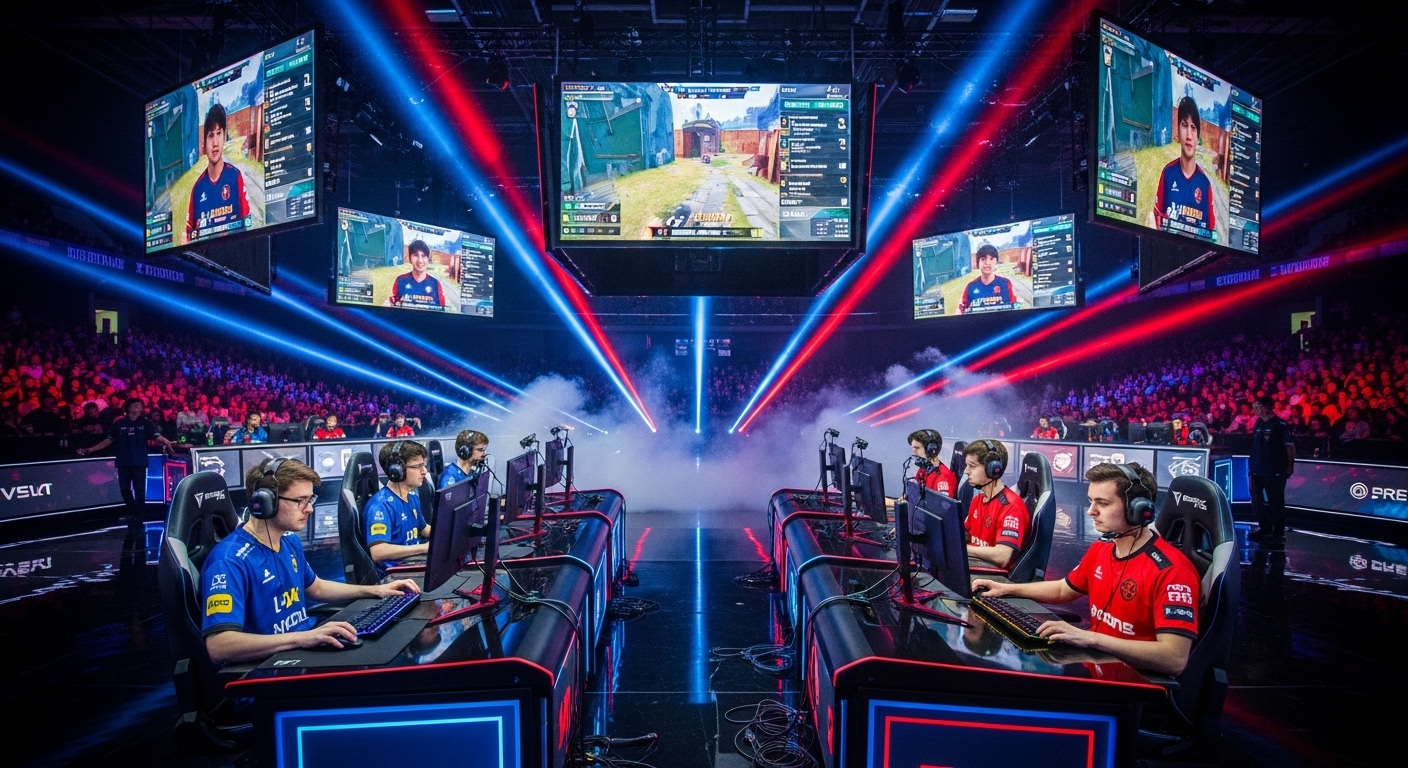
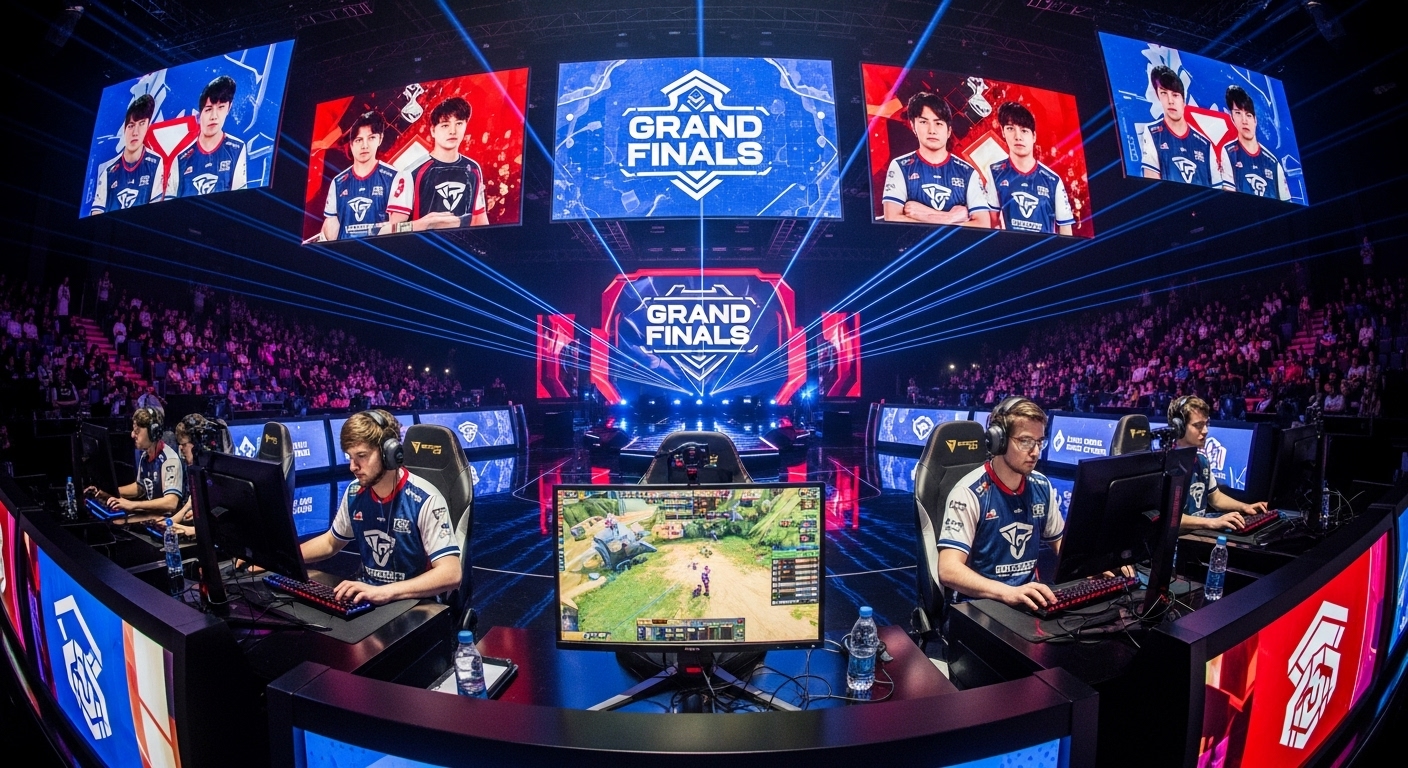
Esports has emerged as one of the most transformative trends in modern entertainment. Once considered a niche pastime for gamers, it has grown into a billion-dollar industry that rivals traditional sports in viewership, fan engagement, and professional organization. The rise of esports demonstrates how technology, culture, and competition have converged to create a new form of athleticism. Today, esports tournaments attract millions of viewers worldwide, with professional players, coaches, and analysts operating within a complex ecosystem that mirrors traditional sports leagues. This digital phenomenon has not only changed how we play games but also how we perceive competition, teamwork, and even fame in the 21st century.
The Origins of Competitive Gaming
The roots of esports can be traced back to the 1970s when video games began appearing in arcades and university campuses. The first documented video game competition took place in 1972 at Stanford University, where students competed in a game called Spacewar. During the 1980s, arcade games such as Pac-Man and Donkey Kong popularized competitive gameplay, as players gathered to challenge high scores and showcase their skills. The 1990s saw the rise of home consoles and multiplayer PC games, creating opportunities for players to compete both locally and online. Titles like StarCraft, Quake, and Counter-Strike laid the foundation for organized esports, introducing elements of teamwork, strategy, and reflex-based competition that remain central today. By the turn of the millennium, the stage was set for esports to evolve into a professional sport.
The Professionalization of Esports
The early 2000s marked the beginning of esports as a structured, professional endeavor. South Korea became a global leader in competitive gaming, transforming esports into a national pastime. Professional StarCraft players were broadcast on television and gained celebrity status, showing that competitive gaming could be a viable career. In the United States and Europe, leagues such as Major League Gaming provided organized tournaments for titles like Halo and Counter-Strike. Teams formed, sponsors invested, and coaching became a critical component of success. This period established the professional infrastructure necessary for esports to flourish, including contracts, competitive schedules, and a growing audience base. Gaming was no longer just entertainment; it became a serious pursuit for those with exceptional skill and dedication.
The Role of Streaming Platforms
The 2010s brought a revolutionary change to esports with the rise of streaming platforms such as Twitch and YouTube Gaming. These platforms enabled fans to watch live gameplay from anywhere in the world, dramatically increasing the reach and visibility of esports tournaments. Unlike traditional sports broadcasts, streaming allowed for interactive experiences, where viewers could chat with players, participate in polls, and join online communities. Major tournaments for games like Dota 2, League of Legends, and Fortnite attracted millions of viewers, sometimes exceeding the audiences of professional football and basketball games. Streaming also created opportunities for individual players to gain recognition and sponsorships, turning popular content creators into celebrities in their own right.
Skills and Strategy in Esports
A common misconception about esports is that it requires no real skill. In truth, competitive gaming demands extraordinary precision, strategy, and mental endurance. Professional players spend hours every day practicing their mechanics, developing strategies, and analyzing opponents’ gameplay. Reflexes, hand-eye coordination, situational awareness, and decision-making speed are critical. Esports also requires teamwork and communication, as most competitive games involve coordinated group play. Players must balance offensive and defensive strategies while adapting to rapidly changing scenarios. Mental resilience is another key factor, as maintaining focus under pressure is often the difference between victory and defeat. Coaches and analysts play essential roles in helping teams refine strategies and improve performance, further highlighting the professional nature of esports.
Economic Impact of Esports
Esports has grown into a billion-dollar industry with significant economic impact. Revenue streams include tournament prize pools, sponsorships, advertising, media rights, merchandise, and ticket sales. Corporations see esports as a way to connect with younger audiences, and brands outside of gaming, including fashion, automotive, and consumer electronics companies, are increasingly investing in sponsorships. Cities around the world now compete to host esports events, knowing they can attract tourism and media attention. Esports organizations operate like traditional sports franchises, managing rosters, coaching staff, and marketing campaigns. The financial growth of esports demonstrates its legitimacy as both an entertainment industry and a professional career path for players, commentators, and content creators alike.
Cultural Significance of Esports
Beyond its economic and competitive aspects, esports has become a significant cultural force. It reflects the values and interests of a generation that grew up with digital technology. Fans engage through streaming, fan art, memes, cosplay, and social media communities. Esports personalities have become cultural icons, influencing fashion, trends, and even lifestyle choices. The inclusivity of esports is gradually improving, with more opportunities for women, LGBTQ+ players, and individuals from diverse backgrounds to participate and gain recognition. Communities around esports foster connections that transcend geography, language, and culture, creating a shared digital experience that unites millions of people worldwide.
Technological Advancements Driving Esports
The growth of esports is closely tied to technological advancements. High-speed internet, gaming peripherals, and powerful computers allow players to compete at an elite level. Virtual reality, augmented reality, and cloud gaming are expanding the possibilities for competitive play and audience engagement. Artificial intelligence and data analytics help teams analyze performance and develop more effective strategies. Innovations in streaming technology enhance the viewing experience, making esports tournaments immersive and interactive. Technology not only enables the existence of esports but also continues to shape its evolution, pushing the boundaries of what is possible in competitive gaming.
Challenges Facing the Industry
Despite its success, esports faces several challenges. Player burnout is a serious concern, as professional gamers often train for 8 to 12 hours a day, leading to physical and mental fatigue. Regulatory issues, including contracts, transfers, and intellectual property rights, vary widely across regions, creating inconsistencies in the industry. Match-fixing, cheating, and gambling controversies have occasionally threatened the integrity of competitive gaming. Gender inequality and harassment remain pressing concerns, despite efforts to improve inclusivity. Addressing these challenges is essential for the long-term sustainability of esports, requiring support from organizations, governing bodies, and the community as a whole.
Education and Esports
The educational potential of esports is increasingly recognized. Universities and colleges around the world now offer esports programs and scholarships, providing opportunities for students to develop strategic thinking, teamwork, leadership, and technological skills. Esports also promotes STEM learning, as players often engage with software development, game design, and data analytics. Schools and educational institutions are beginning to view esports as a legitimate extracurricular activity that fosters personal growth, communication, and problem-solving skills. Integrating esports into education creates pathways for careers not only in competitive gaming but also in related fields such as broadcasting, event management, and game development.
The Future of Esports
The future of esports appears limitless. With growing global audiences, technological innovations, and increasing professionalization, esports is poised to become a mainstream form of entertainment and competition. Discussions about including esports in the Olympics and other multi-sport events highlight its rising legitimacy. Virtual reality, augmented reality, and mobile esports are expanding participation and accessibility, allowing players from diverse regions to compete at high levels. As the industry matures, it is likely to see more structured governance, enhanced player protections, and broader cultural acceptance. Esports is not just a trend—it is a permanent feature of the digital landscape and a symbol of how technology can redefine human competition.
Conclusion: Redefining Competition in the Digital Age
Esports represents a fundamental shift in how society defines athleticism, competition, and entertainment. It has transformed from a niche hobby into a global phenomenon with professional players, international tournaments, and a passionate fanbase. The industry combines skill, strategy, teamwork, technology, and culture, creating a unique form of competition that rivals traditional sports. Esports is not only changing the way games are played but also how they are watched, celebrated, and monetized. As technology continues to evolve and audiences expand, esports will remain at the forefront of the digital revolution, shaping the future of sports, entertainment, and culture in the years to come.