






Introduction: The Rise of Esports
Esports has emerged as one of the most transformative phenomena in the modern entertainment landscape. Once considered a niche hobby, competitive gaming has grown into a global industry attracting millions of players, fans, and investors. Esports encompasses organized competitions in various video games, ranging from strategy and multiplayer online battle arenas to first-person shooters and sports simulations. Its rapid growth demonstrates the convergence of technology, entertainment, and professional competition in ways never seen before.
The History and Evolution of Esports
The roots of esports trace back to the late 20th century when gaming competitions were small, local events. Early tournaments for games like Pac-Man, Street Fighter, and StarCraft laid the foundation for competitive gaming. As the internet became widespread, online multiplayer games enabled global competition, allowing players from different countries to challenge each other in real time. The evolution of esports includes the development of professional leagues, team franchises, streaming platforms, and dedicated arenas, transforming casual gaming into a structured, professionalized industry.
The Global Popularity of Esports
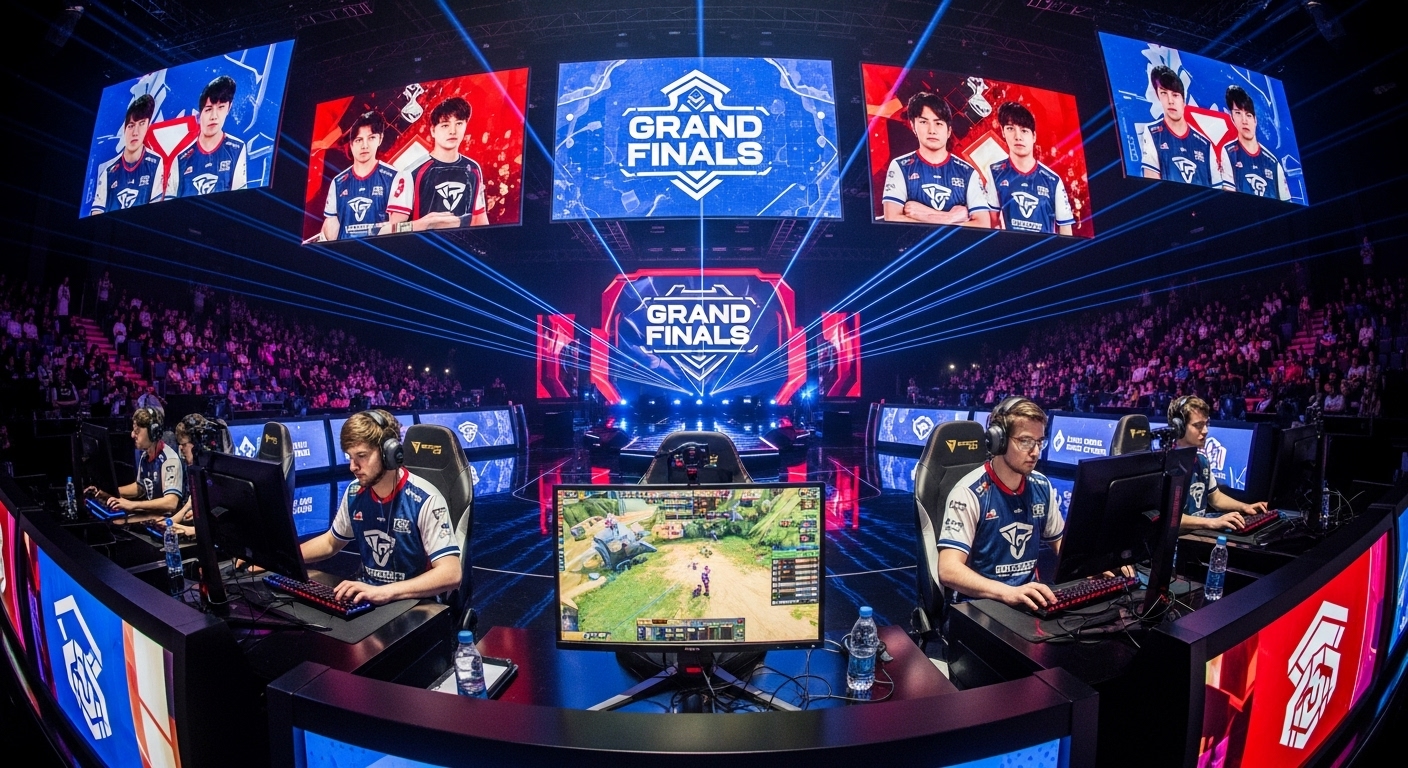
Esports has a worldwide following, with millions of players and fans across continents. Countries like South Korea, China, and the United States have become major hubs for competitive gaming. International tournaments attract audiences rivaling traditional sports events, demonstrating esports’ global reach and cultural impact. Its accessibility through online streaming platforms allows fans from anywhere to watch live competitions, follow favorite teams, and participate in community discussions, creating a truly global ecosystem.
Professional Teams and Players
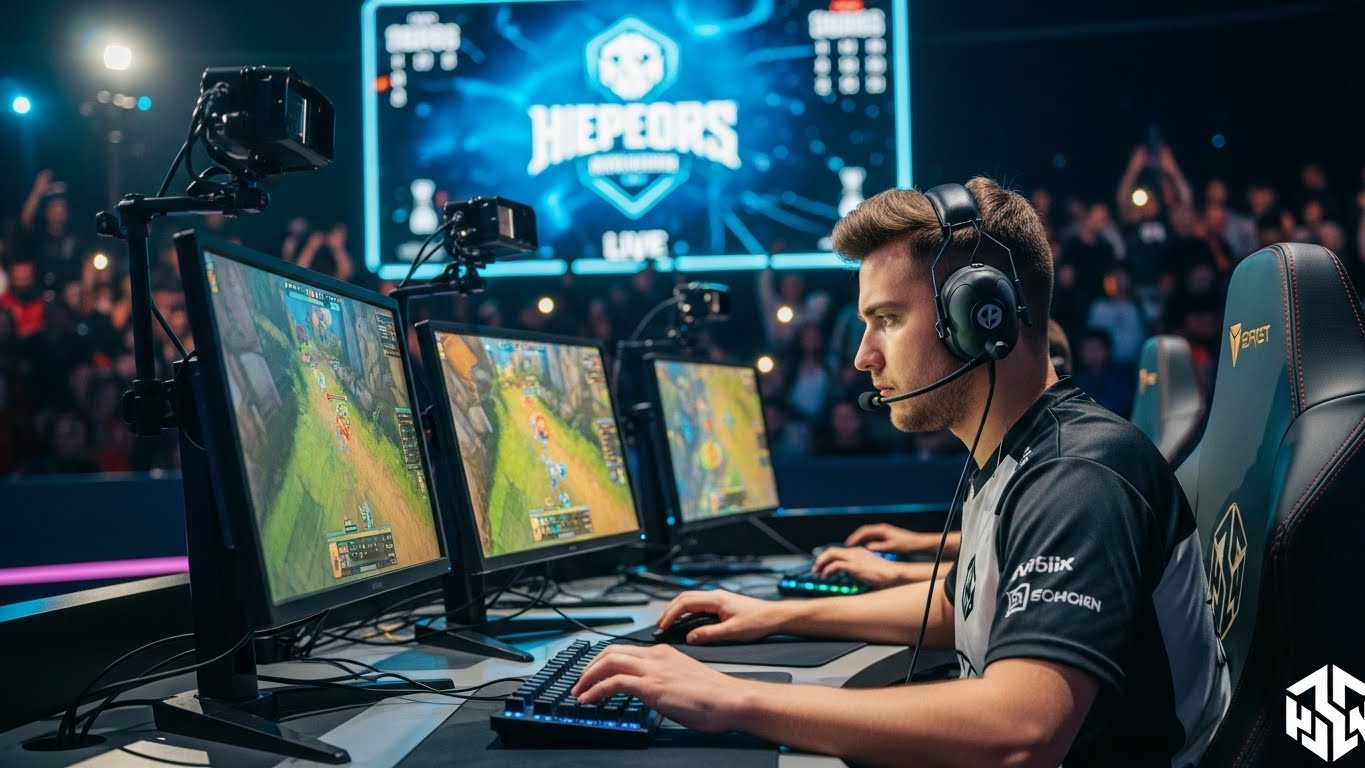
At the heart of esports are professional players and teams who train rigorously to compete at the highest level. Players often dedicate hours to practice, strategy development, and teamwork. Successful teams require collaboration, communication, and adaptability, similar to traditional sports. Professional esports players not only showcase skill and precision but also cultivate personal brands and connect with fans through streaming, social media, and public appearances. These athletes exemplify dedication, discipline, and the pursuit of excellence in a digital arena.
Popular Esports Games
Esports encompasses a wide range of games, each requiring unique skills and strategies. Multiplayer online battle arena games, such as League of Legends and Dota 2, focus on team coordination and tactical decision-making. First-person shooters like Counter-Strike and Valorant test reflexes, precision, and situational awareness. Sports simulations such as FIFA and NBA 2K replicate real-world sports dynamics, blending gaming with athletic knowledge. Each genre provides distinct challenges, catering to different audiences while emphasizing skill, strategy, and competition.
The Role of Streaming Platforms
Streaming platforms have revolutionized how esports is consumed and experienced. Platforms like Twitch, YouTube Gaming, and regional streaming services allow fans to watch live matches, interact with players, and access tutorials and highlights. Streaming also provides opportunities for aspiring players to showcase talent, gain followers, and attract sponsorships. By combining entertainment with accessibility, streaming has accelerated esports’ growth and transformed it into a mainstream phenomenon.
The Economics of Esports
Esports is a multi-billion-dollar industry encompassing sponsorships, media rights, merchandise, ticket sales, and advertising. Major tournaments offer substantial prize pools, attracting top-tier talent from around the world. Corporations invest in esports as a marketing tool, targeting younger, digitally-savvy audiences. Professional leagues operate like traditional sports franchises, with contracts, coaching staff, and dedicated training facilities. The economic impact of esports extends beyond gaming, influencing technology, media, and entertainment markets globally.
The Psychological and Physical Demands
While esports primarily involves mental skills, professional players face significant psychological and physical demands. High-level competition requires focus, quick decision-making, strategic thinking, and emotional control. Mental fatigue, stress, and pressure are common challenges that players must manage effectively. Physical health is also critical, as long hours of practice can lead to repetitive strain injuries, posture issues, and vision strain. Successful players integrate exercise, nutrition, and mental conditioning into their routines to maintain peak performance.
Esports and Youth Engagement
Esports has a profound influence on youth, offering opportunities for skill development, teamwork, and community participation. Young players learn problem-solving, communication, and strategic thinking through gameplay. Esports also encourages technological literacy and familiarity with digital platforms. Educational institutions and youth programs increasingly recognize esports as a valuable tool for engagement, fostering creativity, discipline, and leadership skills while providing safe, structured environments for participation.
The Social Impact of Esports
Esports builds communities and fosters social connections. Fans gather online to discuss strategies, share experiences, and celebrate achievements. Multiplayer games encourage collaboration and teamwork, teaching players how to communicate effectively under pressure. Esports also bridges cultural and geographical gaps, allowing individuals from diverse backgrounds to connect over shared interests. This social dimension highlights esports’ role not only as entertainment but also as a platform for community building and inclusion.
Challenges and Controversies
Despite its growth, esports faces several challenges. Issues such as player burnout, addiction, and toxicity in online communities require attention. Maintaining fair competition, regulating performance-enhancing tools, and ensuring mental and physical well-being are ongoing concerns. Additionally, debates over gender equality and representation highlight the need for inclusivity and accessibility. Addressing these challenges is essential to sustain esports as a positive and healthy industry for players, fans, and stakeholders.
Esports as a Career Path
Esports has created viable career opportunities beyond professional gameplay. Roles include coaching, team management, event production, content creation, commentary, and marketing. Skilled individuals can leverage esports to build personal brands, secure sponsorships, and influence industry trends. Educational programs and esports academies now prepare students for professional careers, blending gaming expertise with business, media, and technological knowledge. The rise of esports careers demonstrates the legitimacy and diversity of opportunities within the industry.
The Future of Esports
The future of esports is promising and dynamic. Emerging technologies such as virtual reality, augmented reality, and artificial intelligence are expected to enhance gameplay and audience engagement. Esports may integrate more closely with traditional sports, entertainment, and education, creating hybrid experiences. Global connectivity, innovative content, and inclusive practices will continue to drive growth. As esports evolves, it has the potential to redefine competition, entertainment, and digital culture for generations to come.
Esports and Cultural Influence
Esports is increasingly influencing mainstream culture, from fashion and music collaborations to media representation and celebrity endorsement. It reflects the values and interests of digitally-native audiences and inspires creative content across multiple industries. By blending gaming with entertainment, esports shapes trends, sparks conversations, and fosters cultural exchange. Its influence underscores the significance of esports as more than a niche hobby—it is a transformative cultural force.
Conclusion: Esports as a Global Phenomenon
Esports represents the convergence of technology, entertainment, and competition in unprecedented ways. It engages millions of players, spectators, and professionals worldwide, offering opportunities for skill development, community building, and personal growth. The industry’s evolution reflects broader societal trends, including digitalization, globalization, and innovation. With its unique blend of mental challenge, strategic depth, and entertainment value, esports is more than a form of gaming—it is a global phenomenon that continues to shape culture, careers, and the future of competition.