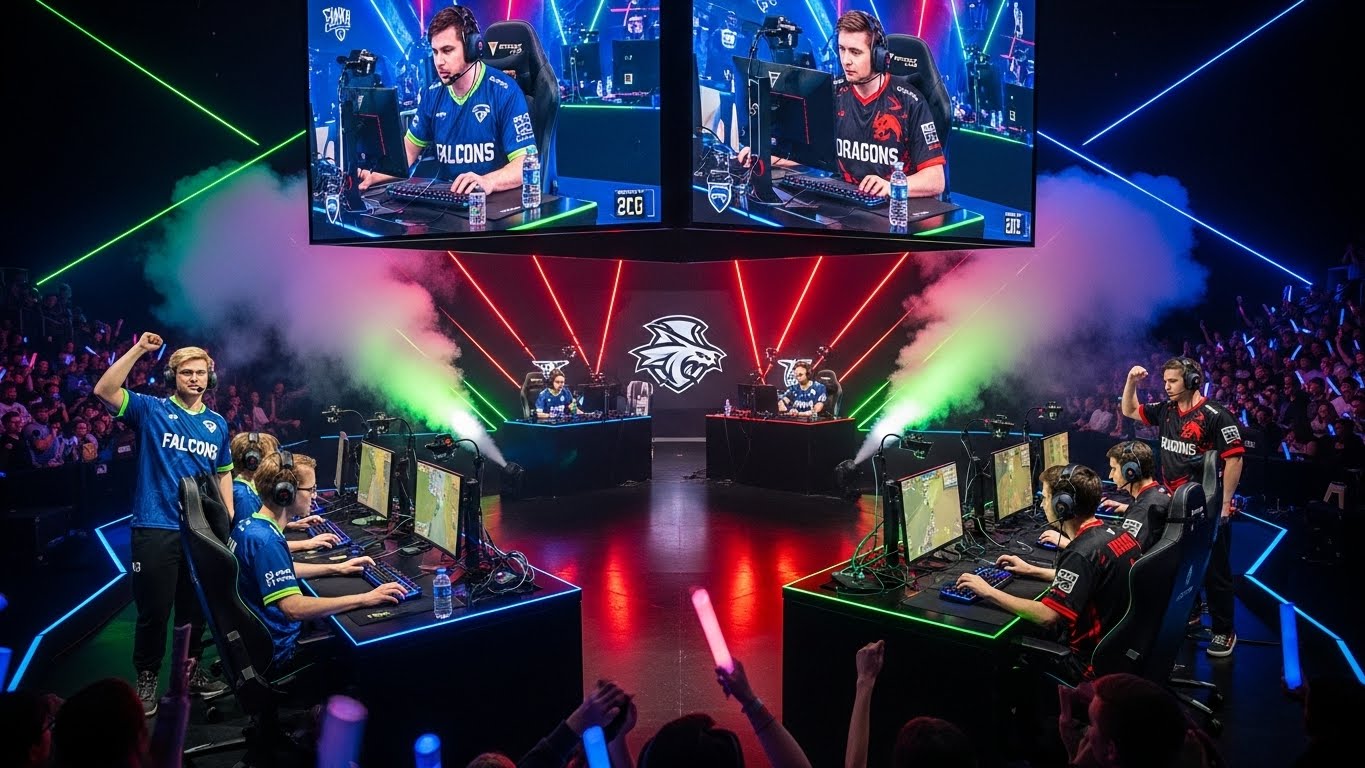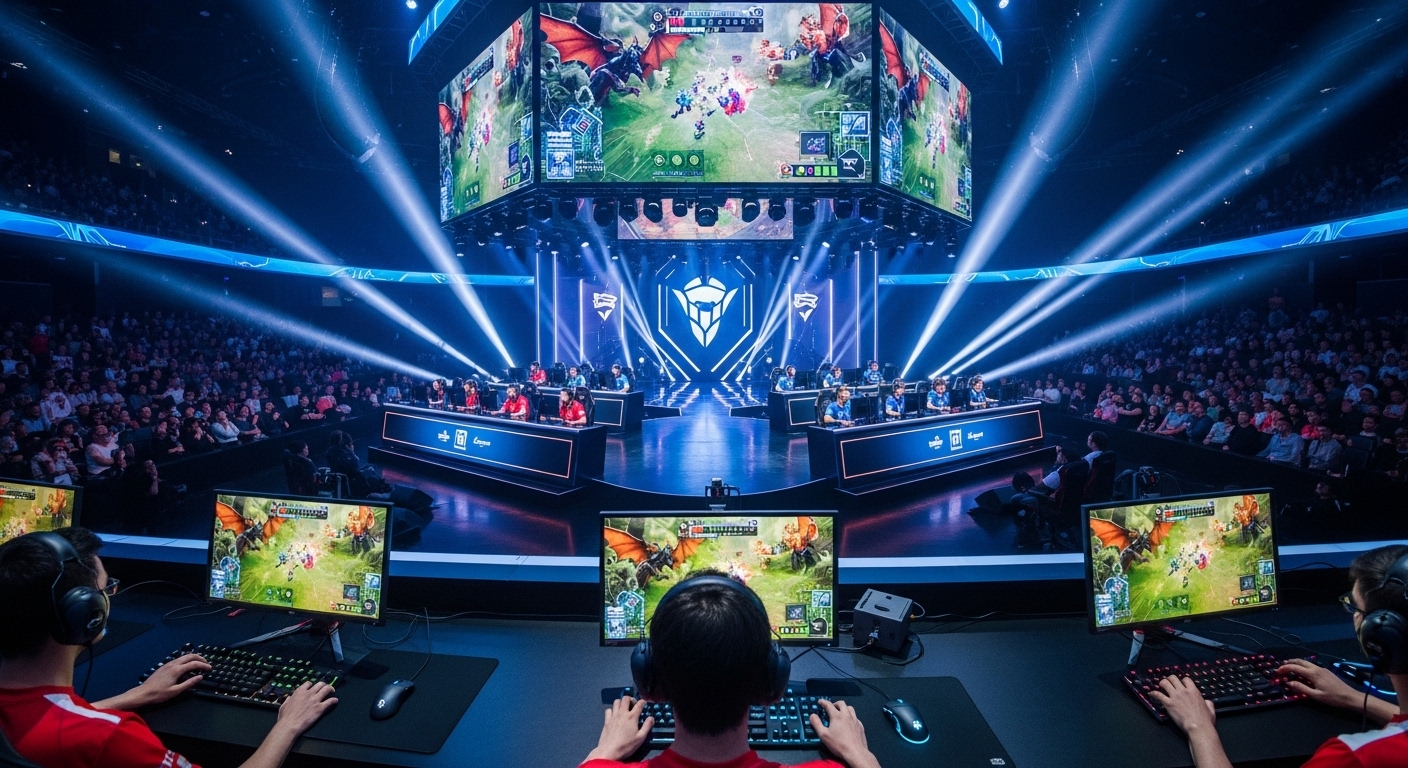






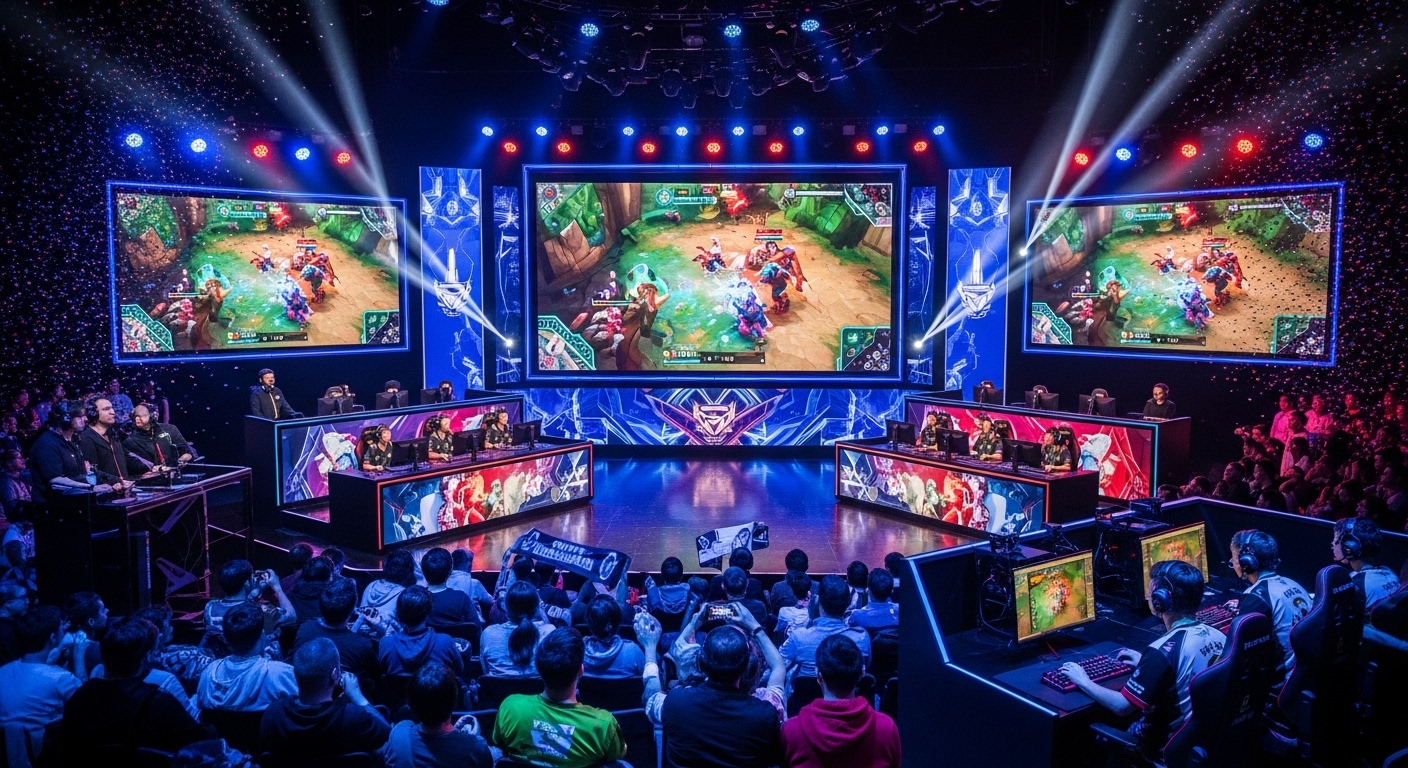
Esports, or electronic sports, has rapidly evolved from a niche hobby to a global phenomenon. What once began as casual video game competitions in living rooms and arcades has transformed into a professional industry with millions of fans, lucrative tournaments, and globally recognized players. With technological advancements, live streaming platforms, and a growing community, esports is redefining the landscape of sports and entertainment. This blog explores the rise of esports, its cultural significance, the business behind it, and its future in the digital age.
The Origins of Competitive Gaming
Competitive gaming traces back to the early days of video games in the 1970s and 1980s. Players would compete in arcade games like Pong, Space Invaders, and Pac-Man, often for bragging rights or small prizes. Local arcades became hubs for players to showcase their skills, fostering early gaming communities.
By the 1990s, the rise of home consoles and PC gaming brought competitive play into living rooms. Titles like Street Fighter, Super Mario Kart, and Warcraft attracted players seeking challenges beyond casual play. The emergence of LAN (Local Area Network) competitions allowed gamers to compete with friends in connected environments, laying the groundwork for modern esports.
These early tournaments were the seeds of a competitive culture that valued skill, strategy, and community. Although small in scale, they demonstrated that gaming could be more than just a pastime—it could be a competitive pursuit.
The Rise of Professional Esports
The 2000s marked the professionalization of esports. Games like StarCraft, Counter-Strike, and Dota 2 attracted international attention, with organized leagues, sponsorships, and professional players emerging. South Korea, in particular, became a hub for competitive gaming, with televised tournaments and training facilities for top players.
Esports began to resemble traditional sports in structure and strategy. Teams formed, coaches and analysts were hired, and training regimens became rigorous. Competitive players needed reflexes, strategy, teamwork, and dedication akin to professional athletes.
This era also saw the emergence of online communities where fans could discuss strategies, share highlights, and follow their favorite players. Competitive gaming became more than just participation—it became a spectacle.
The Role of Technology in Esports
Technology has been at the heart of esports’ growth. High-performance computers, gaming consoles, and ultra-fast internet connections have made global competition possible. Streaming platforms allow fans to watch live tournaments in real time, creating an interactive and engaging experience.
The development of esports-specific software has enhanced gameplay analysis, team communication, and training. Virtual coaching tools allow players to refine their strategies and improve reaction times. Graphics, sound design, and game mechanics are constantly evolving, raising the level of competition and audience immersion.
Without these technological advancements, esports could not have reached the scale and professionalism it enjoys today. Technology has transformed competitive gaming from casual matches into a sophisticated global industry.
Popular Esports Games and Genres
Esports encompasses a variety of games, each with unique mechanics and competitive communities. Multiplayer online battle arena (MOBA) games like League of Legends and Dota 2 focus on strategy, team coordination, and fast decision-making. First-person shooters (FPS) like Counter-Strike: Global Offensive and Call of Duty emphasize precision, reflexes, and tactical awareness.
Sports simulation games such as FIFA and NBA 2K allow players to compete in realistic virtual versions of traditional sports. Fighting games like Street Fighter and Tekken challenge players’ reaction times and pattern recognition. Battle royale games, including Fortnite and PUBG, combine survival tactics with fast-paced action, attracting millions of viewers globally.
Each genre has its own fan base, strategies, and professional circuits. This diversity allows esports to appeal to a wide audience, from casual players to hardcore enthusiasts, making it a dynamic and inclusive competitive platform.
The Cultural Impact of Esports
Esports is not just a form of entertainment; it is a cultural movement. It has created communities that transcend geography, language, and age. Fans form deep connections with teams and players, similar to traditional sports fandom. Social media and streaming platforms allow fans to interact, share content, and participate in discussions, fostering a sense of belonging.
Esports also challenges traditional notions of athleticism. Professional gamers demonstrate endurance, focus, strategic thinking, and teamwork—qualities that mirror conventional sports. Educational institutions are even incorporating esports programs, offering scholarships and developing training facilities to support competitive players.
Moreover, esports has influenced popular culture. Game-related merchandise, tournaments broadcasted globally, and celebrity gamers have become mainstream icons. The line between gaming and broader entertainment is increasingly blurred, as esports integrates with music, fashion, and media.
The Economics of Esports
Esports has grown into a multi-billion-dollar industry with revenue streams from sponsorships, advertising, merchandise, ticket sales, and media rights. Major corporations sponsor tournaments and teams, while brands invest in marketing campaigns targeting esports’ highly engaged audience.
Professional players can earn substantial incomes through salaries, prize money, streaming revenue, and endorsements. Top tournaments like The International (Dota 2) and the League of Legends World Championship offer prize pools in the millions of dollars, highlighting the financial potential of competitive gaming.
Esports also drives the growth of related industries, including content creation, streaming technology, gaming peripherals, and software development. The economic impact extends globally, providing jobs, fostering innovation, and attracting investment.
The Role of Streaming Platforms in Esports’ Growth
Streaming platforms such as Twitch, YouTube Gaming, and Facebook Gaming have been crucial to esports’ expansion. These platforms allow tournaments to be broadcast live to millions of viewers, creating an interactive experience where fans can chat, donate, and engage with content in real time.
Live streaming has also empowered individual gamers. Amateur players can showcase their skills, build fan bases, and even transition into professional esports. Content creators can monetize streams, tutorials, and highlights, creating a new digital economy around gaming.
The accessibility and reach of streaming platforms have transformed esports into a global phenomenon, connecting players and fans in ways that were impossible a decade ago.
Esports Training and Player Development
Professional esports requires rigorous training, often compared to traditional sports. Players dedicate hours to practicing mechanics, studying opponents, and refining strategies. Team coordination, mental resilience, and communication skills are critical for success.
Many esports organizations employ coaches, analysts, nutritionists, and psychologists to support players’ performance and well-being. Training facilities, or esports “arenas,” provide an environment designed for focus, competition, and team development.
This level of professionalism highlights esports as a serious pursuit. Players are not just gamers—they are athletes, strategists, and entertainers rolled into one.
Challenges Facing the Esports Industry
Despite its rapid growth, esports faces several challenges. Burnout and mental health concerns are significant, as players face intense schedules, high-pressure competitions, and long practice hours. Ensuring proper support and work-life balance is essential.
Regulatory issues, including doping, cheating, and match-fixing, pose threats to credibility. The industry must develop standardized rules, ethical practices, and fair play regulations to maintain integrity.
Accessibility and inclusivity also remain challenges. While esports is global, many regions lack infrastructure, funding, or opportunities for aspiring players. Expanding access and creating pathways for underrepresented groups is critical for sustainable growth.
The Future of Esports
The future of esports is bright, with continued technological advancements, growing audiences, and increasing mainstream acceptance. Virtual reality (VR) and augmented reality (AR) have the potential to create more immersive and interactive experiences, allowing fans to feel like part of the action.
Esports may continue to integrate with traditional sports, entertainment, and media. Hybrid events combining live audiences with digital platforms could redefine how fans experience competitions. Educational programs and training academies will likely expand, developing the next generation of professional players.
The industry’s growth also depends on innovation, ethical standards, and cultural acceptance. With continued support and recognition, esports is poised to become a permanent fixture in the global sports and entertainment landscape.
Conclusion: Esports as a New Era of Competitive Culture
Esports has come a long way from its humble beginnings in arcades and living rooms. It has grown into a professional, global industry that blends skill, strategy, entertainment, and technology. Beyond the competitions, esports fosters communities, drives economies, and challenges traditional definitions of sports and athleticism.
As technology evolves and audiences grow, esports will continue to expand its influence, offering new experiences, opportunities, and inspiration. The digital arena is no longer just a game—it is a symbol of human innovation, dedication, and the transformative power of technology.
Esports is not just about winning—it is about connecting people, celebrating creativity, and embracing the future of competition in an increasingly digital world.