





Introduction: The Emergence of Esports
Esports, short for electronic sports, has rapidly evolved from a niche pastime into a global phenomenon that captivates millions of players and viewers worldwide. What started as simple video game competitions has transformed into a multi-billion-dollar industry, attracting professional players, corporate sponsorships, and international audiences. Esports blends strategy, skill, teamwork, and entertainment, offering experiences that rival traditional sports in excitement and complexity. This blog delves into the history, cultural significance, economic impact, and future of esports, highlighting why it has become a defining element of modern entertainment.
The Evolution of Competitive Gaming
The roots of esports can be traced back to the 1970s and 1980s, with early arcade competitions and high-score challenges in games such as Space Invaders and Pac-Man. These humble beginnings laid the foundation for organized competitive gaming. The 1990s brought multiplayer PC games and LAN tournaments, allowing players to compete regionally and internationally. Titles like StarCraft, Counter-Strike, and Warcraft became the cornerstones of competitive gaming, building dedicated communities and fostering professional play. With the rise of high-speed internet, online competitions became possible, connecting players from different continents and creating a truly global gaming ecosystem. Today, esports spans multiple genres, including first-person shooters, real-time strategy, sports simulations, and battle royale games.
Structure and Organization of Esports
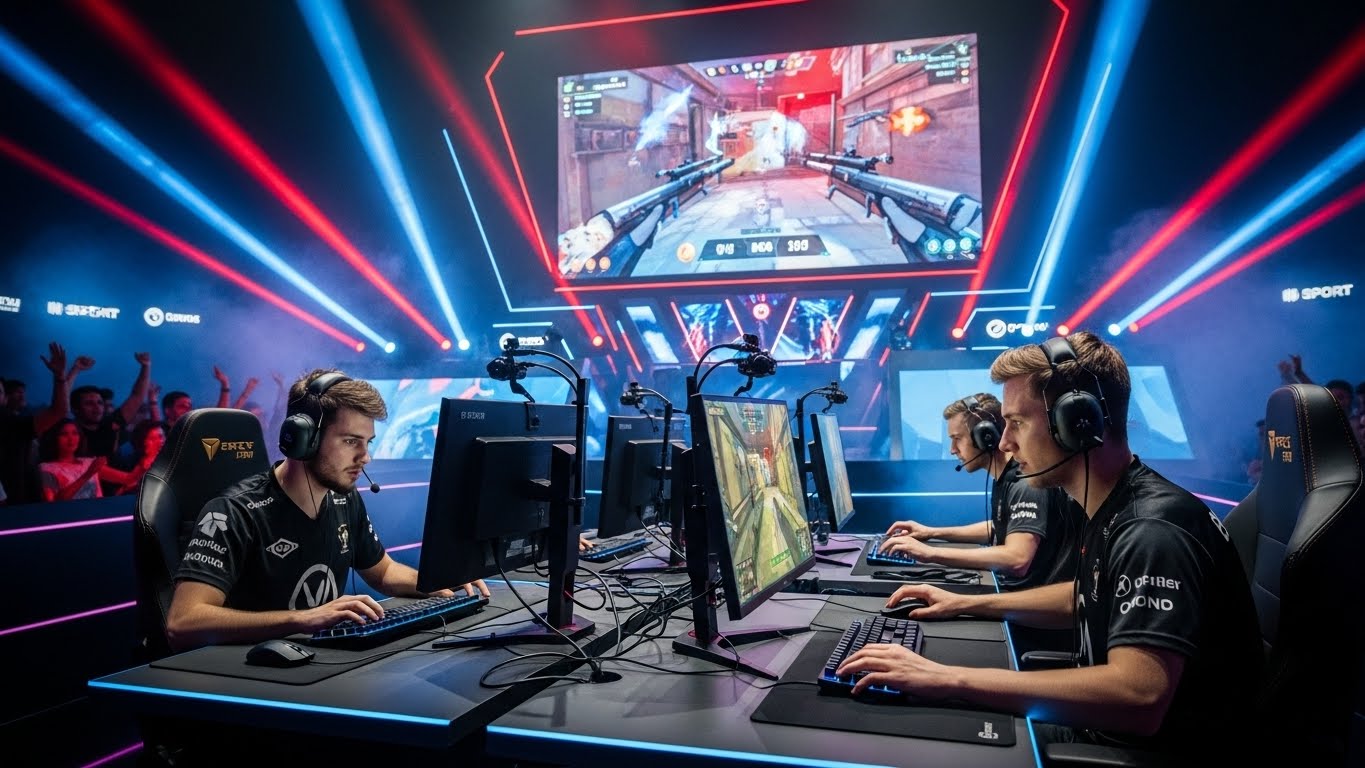
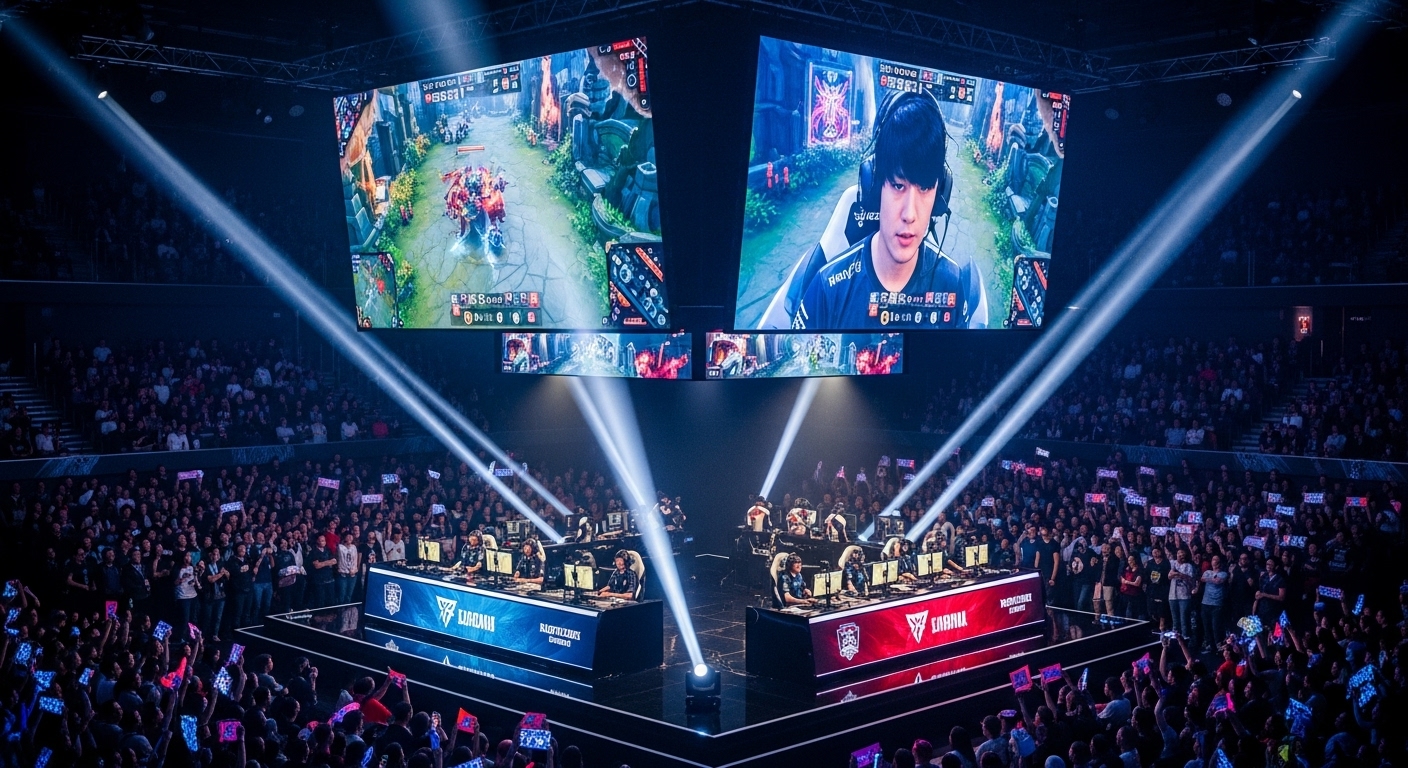
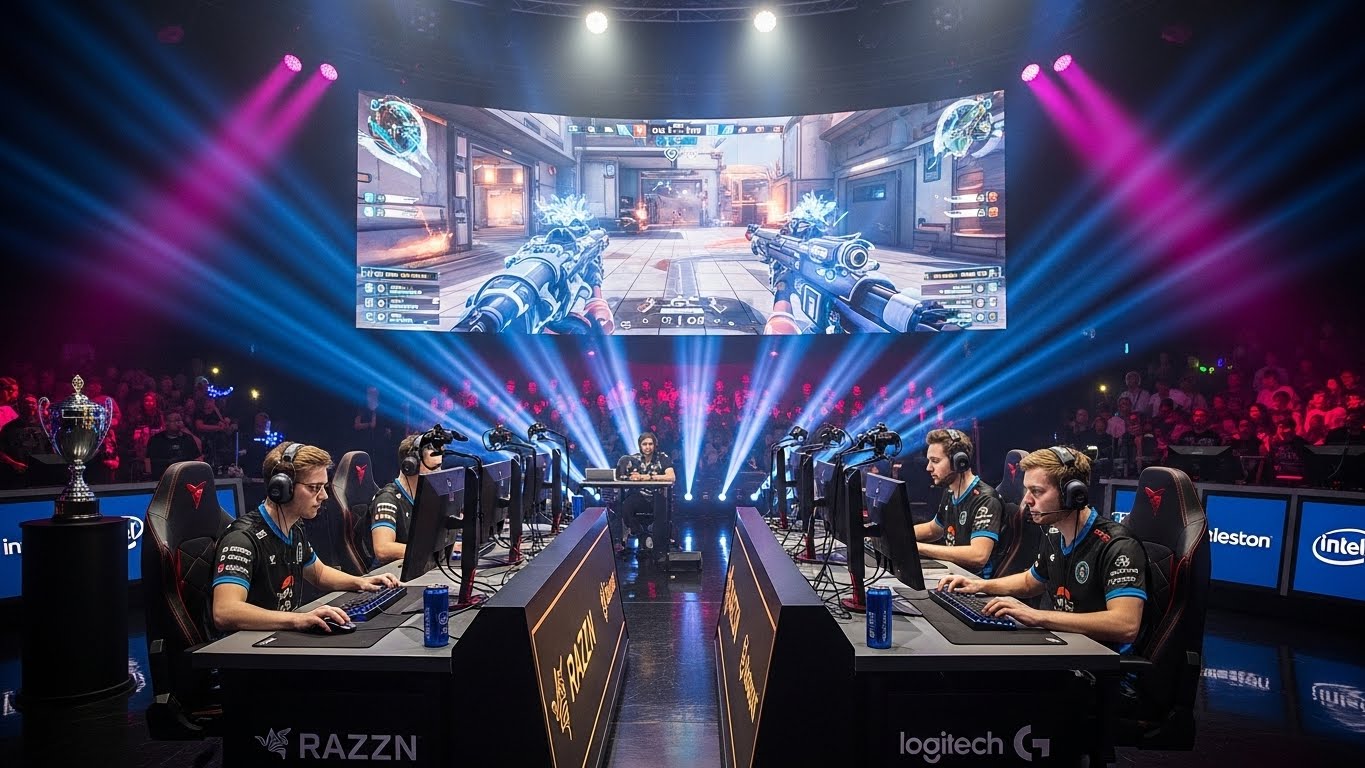
Esports is organized much like traditional sports, with leagues, tournaments, professional teams, coaches, and analysts. Teams compete in national and international tournaments with structured schedules, often supported by corporate sponsorships and media partnerships. Players train extensively, dedicating hours to perfecting mechanics, strategies, and teamwork. Tournaments are broadcasted live online and sometimes in arenas, attracting millions of viewers globally. The professionalization of esports ensures high standards of play, accountability, and recognition, making it a legitimate and respected form of competitive entertainment.
The Global Popularity of Esports
Esports has exploded in popularity over the last decade, appealing to players and viewers of all ages. Online streaming platforms allow millions of fans to watch live matches, engage in discussions, and follow their favorite teams and players. The accessibility of esports, requiring only a gaming device and internet connection, enables participation across geographic and socioeconomic boundaries. Unlike traditional sports, esports allows anyone to enter competitions, providing an inclusive platform for global engagement. Its rapid growth has made esports a significant part of popular culture, attracting attention from mainstream media, celebrities, and brands.
Esports as a Career Path
Competitive gaming has become a viable career for many individuals. Professional players dedicate extensive hours to practice, strategy, and team coordination, often comparable to traditional athletes. Successful esports athletes earn income through salaries, tournament winnings, sponsorships, and streaming revenue. Beyond players, the industry supports careers in coaching, content creation, event management, broadcasting, and marketing. Universities and schools have started offering esports programs and scholarships, providing educational pathways for aspiring professionals. This professionalization demonstrates that esports is not just a hobby but a legitimate field with career opportunities and long-term growth potential.
Social and Community Impact
Esports has a profound social impact, connecting individuals across cultures and regions. Players form communities, guilds, and teams that foster collaboration, mentorship, and friendship. Online competitions and events encourage social interaction, teamwork, and shared experiences. Spectatorship also promotes community engagement, as fans discuss strategies, celebrate victories, and follow ongoing storylines in esports leagues. Esports can be particularly inclusive, enabling people of different genders, abilities, and backgrounds to participate and excel on equal footing. This social aspect transforms esports from individual entertainment into a shared cultural experience.
Cognitive and Psychological Benefits
Engaging in esports provides several cognitive and psychological benefits. Strategy-based games enhance critical thinking, problem-solving, and decision-making skills. Fast-paced action games improve reflexes, hand-eye coordination, and spatial awareness. Team-based esports encourage communication, collaboration, and leadership skills. Playing competitively also teaches perseverance, discipline, and resilience, as athletes adapt to challenges and setbacks. While moderation is essential, esports offers intellectually stimulating experiences that cultivate mental agility and social competence.
Women in Esports
Historically, esports has been male-dominated, but female participation is growing steadily. Women compete at professional levels, create content, and take leadership roles within organizations. Initiatives promoting inclusivity, representation, and equal opportunities are helping break stereotypes and encourage female participation. Celebrating women in esports fosters diversity, broadens the audience, and inspires future generations to pursue competitive gaming regardless of gender. Inclusive practices ensure the long-term sustainability and growth of the esports industry.
Esports and Education
Esports has found its way into educational institutions, offering students opportunities for skill development, teamwork, and career exploration. Many schools and universities have esports programs, competitive teams, and scholarships. Participation in esports enhances time management, strategic thinking, communication, and leadership, complementing academic learning. Integrating esports into education equips students with valuable skills for both professional gaming careers and other fields, demonstrating its potential as a tool for holistic development in the digital age.
Economic Impact of Esports
The esports industry has become a significant economic driver globally. Revenue comes from tournament prizes, sponsorships, advertising, merchandise, media rights, and streaming platforms. Esports organizations attract investment from major corporations and venture capital, fueling growth and innovation. Events stimulate local economies by drawing spectators, tourism, and media attention to host cities. As the industry expands, it creates jobs in coaching, content creation, marketing, event management, and technology, highlighting the multifaceted economic influence of competitive gaming.
Technology and Innovation in Esports
Technology plays a pivotal role in the growth of esports. High-speed internet, advanced hardware, and streaming platforms enable global competition and spectatorship. Analytics tools help teams track performance, refine strategies, and optimize training. Emerging technologies like virtual reality, augmented reality, and artificial intelligence are beginning to transform gameplay, training, and fan engagement. Technological innovation ensures that esports remains dynamic, immersive, and evolving, offering new ways for players and audiences to interact with competitive gaming.
The Psychological Engagement of Spectators
Watching esports has a significant psychological impact on fans. Viewers experience emotional highs and lows, develop loyalty to teams, and engage in community discussions. Spectatorship creates a sense of belonging and social identity, similar to traditional sports fandom. Fans analyze gameplay, debate strategies, and celebrate victories collectively, enhancing social interaction and cognitive engagement. The psychological involvement of spectators adds depth to esports, making it an immersive form of entertainment that combines competition, socialization, and emotional investment.
The Future of Esports
The future of esports is poised for continued growth, innovation, and mainstream integration. Emerging game genres, cross-platform play, and virtual competitions are expanding participation and audience engagement. Universities and professional organizations are legitimizing esports as a career, while technology continues to enhance immersion, training, and viewer experience. Globalization will bring diverse esports games and players to wider audiences, promoting cultural exchange and collaboration. Inclusivity and sustainability will remain essential priorities, ensuring esports remains accessible, equitable, and impactful. The evolution of esports guarantees exciting opportunities for players, fans, and the industry as a whole.
Conclusion: Esports as a Cultural and Entertainment Force
Esports has transformed the gaming industry and redefined the concept of competition, entertainment, and community. It offers players a platform to showcase skill, strategy, and teamwork while providing spectators with engaging, immersive experiences. Beyond entertainment, esports promotes cognitive development, social interaction, inclusivity, and professional opportunities. The industry has economic significance, cultural influence, and technological innovation, making it a powerful force in the modern digital landscape. As esports continues to grow, it will remain a defining aspect of contemporary entertainment, shaping the way people play, connect, and engage with digital culture for generations to come.