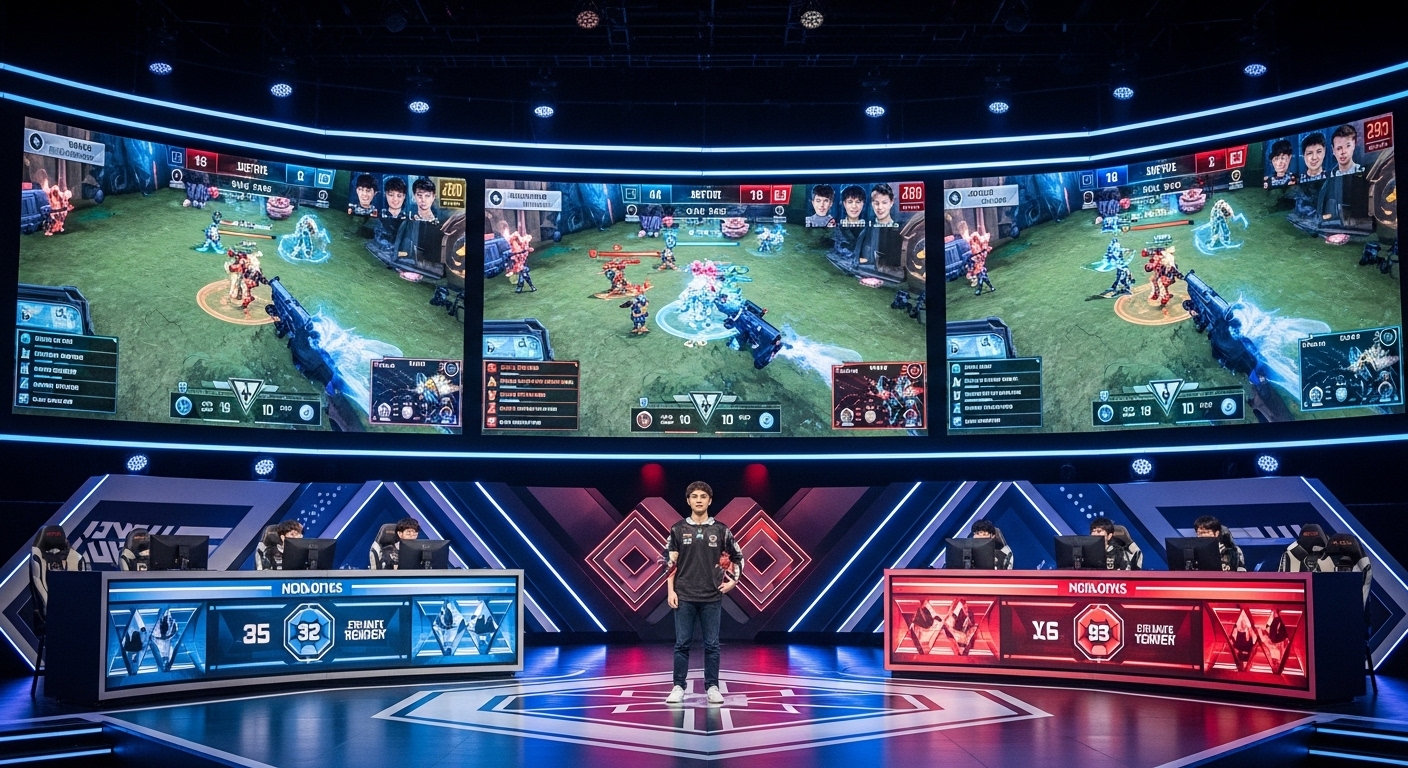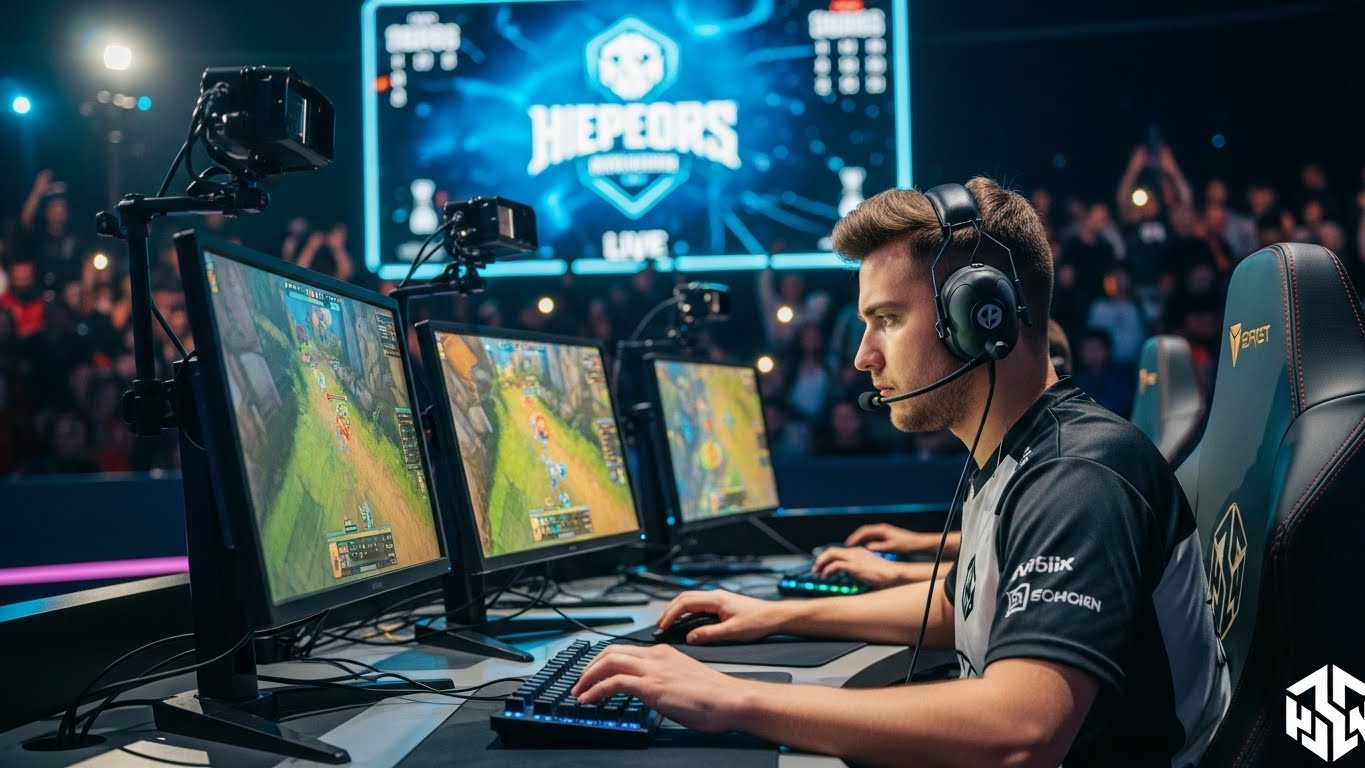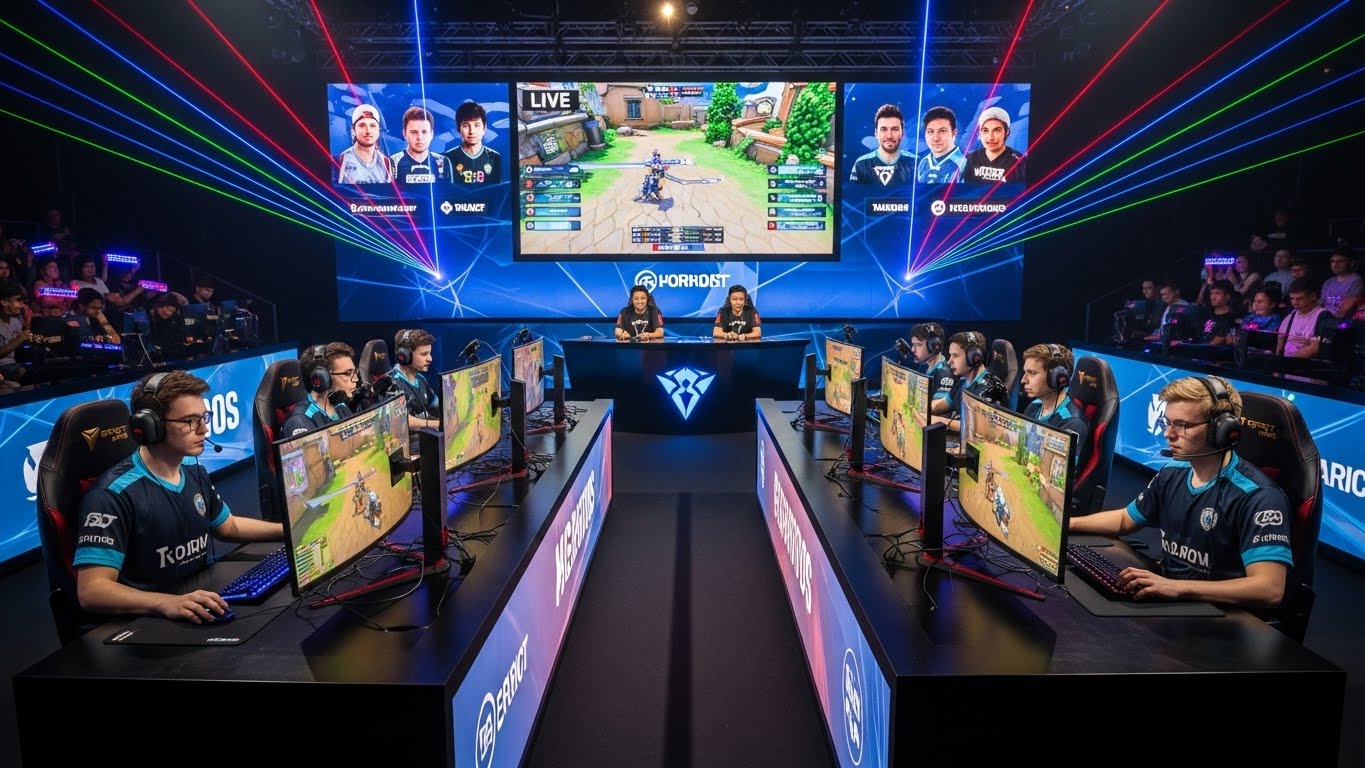






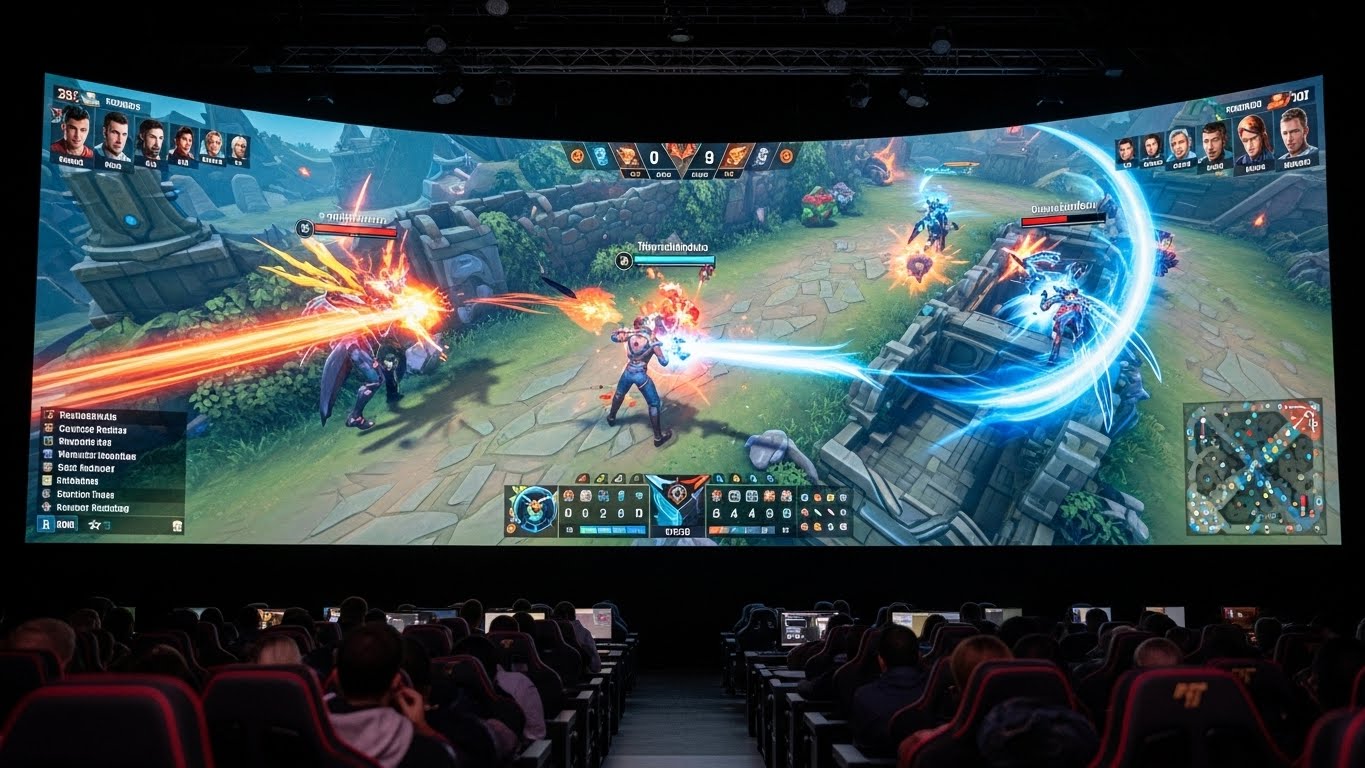
Esports, or competitive video gaming, has transformed from a niche hobby into a global phenomenon, captivating millions of players and viewers worldwide. What began as informal competitions among friends has evolved into a professional industry with structured leagues, sponsorship deals, and international tournaments. Esports now rivals traditional sports in terms of audience engagement, revenue, and cultural impact. This blog explores the rise of esports, its influence on gaming culture, technological advancements driving its growth, the business behind it, and what the future holds for this rapidly expanding industry.
The Origins of Esports: From LAN Parties to Competitive Leagues
The roots of esports trace back to the late 1970s and 1980s when arcade competitions and early computer gaming tournaments began to emerge. Early events, such as Space Invaders competitions and arcade high score contests, showcased the competitive potential of video games. The development of local area networks (LANs) allowed players to connect computers in close proximity, enabling multiplayer competitions that brought gaming communities together.
By the 1990s, games like Quake, StarCraft, and Counter-Strike fostered organized competitive scenes, particularly in Asia, North America, and Europe. Professional gaming leagues and tournaments began forming, offering prize money and recognition to the best players. These early esports events laid the foundation for the professional structure we see today, highlighting the potential for gaming to become a spectator sport with global appeal.
The Growth of Esports: A Global Audience
Esports has grown into a worldwide industry with millions of active participants and viewers. Platforms that allow live streaming of competitions, such as Twitch and YouTube Gaming, have played a pivotal role in making esports accessible to a global audience. Fans can watch professional players compete in real-time, interact with communities, and follow tournaments from anywhere in the world.
Games like League of Legends, Dota 2, Fortnite, and Call of Duty have cultivated massive followings, with events drawing audiences comparable to major traditional sports. International tournaments, such as the League of Legends World Championship and The International for Dota 2, offer multi-million-dollar prize pools and attract sponsorships from major brands. The combination of competition, entertainment, and community engagement has solidified esports as a mainstream cultural phenomenon.
Esports as a Professional Career
One of the most remarkable aspects of esports is its emergence as a viable career path. Professional players can earn substantial income through tournament winnings, streaming, sponsorships, and team salaries. Some players have achieved celebrity status, commanding large fanbases and influencing the gaming industry.
Beyond players, esports offers career opportunities in coaching, team management, broadcasting, event production, marketing, and game development. Universities and colleges have even introduced esports programs and scholarships, recognizing competitive gaming as a legitimate field of study. The professionalization of esports has created an ecosystem that supports talent, innovation, and sustained growth.
The Role of Technology in Esports
Technology is at the core of esports’ rapid growth. High-performance gaming hardware, fast internet connections, and advanced streaming platforms enable competitive play and live audience engagement. Modern esports tournaments rely on sophisticated infrastructure, including dedicated servers, broadcast-quality production equipment, and real-time analytics, to ensure seamless competition and viewership.
Game development technology also plays a critical role in shaping esports. Developers design games specifically for competitive play, incorporating balance, strategic depth, and spectator-friendly features. Artificial intelligence and data analytics are increasingly used to enhance player performance, understand audience behavior, and improve event management. Technology ensures that esports remains dynamic, engaging, and accessible to a growing global audience.
The Business of Esports
Esports has become a multi-billion-dollar industry driven by sponsorships, media rights, merchandise, advertising, and tournament revenue. Major brands, including technology companies, beverage producers, and lifestyle brands, invest heavily in esports sponsorships, leveraging its large and engaged audience. Media deals with streaming platforms and broadcasters provide additional revenue streams, while tournaments offer opportunities for ticket sales, merchandise, and in-game purchases.
Esports teams operate like traditional sports franchises, managing player contracts, coaching staff, marketing efforts, and fan engagement. Successful teams build strong brands, foster loyal fanbases, and attract lucrative partnerships. The commercialization of esports demonstrates that competitive gaming is not just entertainment but also a sophisticated and profitable business ecosystem.
The Cultural Impact of Esports
Esports has influenced gaming culture, youth engagement, and even mainstream entertainment. Professional competitions inspire players to improve their skills, participate in communities, and pursue careers in gaming. Esports also promotes teamwork, strategic thinking, and problem-solving, as players coordinate with teammates and adapt to dynamic game environments.
Streaming and content creation have further amplified esports’ cultural reach. Fans can watch gameplay, tutorials, and live commentary, creating interactive communities that transcend geographic boundaries. Esports has also influenced fashion, music, and lifestyle trends, as professional players and personalities become icons for a generation of gamers. Its impact extends beyond gaming, shaping broader cultural narratives and social interaction.
Challenges in Esports
Despite its growth, esports faces several challenges. One major concern is the sustainability of professional careers. The competitive lifespan of players can be short due to physical strain, mental health challenges, and the constant evolution of games. Teams and leagues must address these issues through player wellness programs, career development, and fair compensation.
Inclusivity and diversity remain ongoing challenges. Ensuring that esports is welcoming to players of all genders, backgrounds, and abilities is crucial for long-term growth. Additionally, issues like cheating, toxic behavior, and cybersecurity threats require continuous attention from developers, tournament organizers, and communities. Addressing these challenges is essential to maintain credibility, fairness, and sustainability in esports.
Esports and Education
Esports has begun to intersect with education, offering students opportunities to develop skills in teamwork, leadership, communication, and digital literacy. Schools and universities have established esports programs, competitive teams, and scholarships to attract talented players. Beyond gameplay, students gain experience in event management, content creation, and marketing through participation in esports initiatives.
Educational programs also emphasize responsible gaming, digital wellness, and ethical conduct, ensuring that students can benefit from esports while maintaining balance and personal development. The integration of esports into education highlights its potential as a tool for learning, skill development, and career preparation.
The Future of Esports
The future of esports promises further growth, innovation, and mainstream acceptance. Emerging technologies such as virtual reality, augmented reality, and artificial intelligence will enhance both gameplay and viewer experiences. Cloud gaming and faster internet infrastructure will enable more accessible and seamless participation, allowing players from diverse regions to compete at high levels.
Esports is also likely to expand into new genres, platforms, and audiences. Mobile esports, for example, is growing rapidly in regions with high smartphone penetration, offering competitive opportunities to players who may not have access to traditional gaming hardware. Cross-industry collaborations with entertainment, sports, and education sectors will continue to broaden esports’ reach and influence. The convergence of technology, culture, and competition ensures that esports will remain a dynamic and evolving phenomenon.
Conclusion: Esports as a Defining Force in Modern Entertainment
Esports has evolved from humble beginnings into a global industry with far-reaching cultural, technological, and economic significance. It has transformed how people play, watch, and engage with games, creating opportunities for professional careers, community building, and creative expression. By blending competition, entertainment, and technology, esports has established itself as a legitimate and influential force in the world of modern entertainment.
As the industry continues to grow, it will face challenges that require innovation, inclusivity, and sustainability. However, the future of esports is bright, with technological advancements, global audiences, and passionate communities driving its evolution. Competitive gaming is no longer just a pastime—it is a cultural movement, a professional pursuit, and a defining aspect of contemporary entertainment. The esports revolution is here to stay, reshaping the way the world experiences and values interactive entertainment.