





Introduction
E-sports, or electronic sports, has rapidly transformed from a niche subculture into a global phenomenon that rivals traditional sports in popularity, viewership, and revenue. With professional leagues, multimillion-dollar tournaments, celebrity gamers, and sponsorship deals, competitive gaming has established itself as a mainstream form of entertainment. But beyond the glitz and glamour, e-sports represents a profound shift in how we perceive competition, community, and the intersection of technology and human skill. In this blog, we explore the rise of e-sports, its cultural and economic impact, the lifestyle of professional players, technological innovations, and its future as a global entertainment powerhouse.
The Origins of E-Sports
E-sports traces its roots back to the 1970s and 1980s, when competitive gaming first emerged in arcades and early home consoles. Games like Space Invaders and Pac-Man were not only sources of entertainment but also sparked local competitions with high-score challenges. As video games became more sophisticated, tournaments began to form, often organized by communities or gaming magazines.
By the late 1990s and early 2000s, with the rise of the internet and multiplayer PC games, competitive gaming started to take a more structured form. Titles like StarCraft, Counter-Strike, and Warcraft III became the foundation of professional gaming. These games offered strategic depth, skill-based challenges, and multiplayer connectivity, creating the perfect environment for e-sports to flourish.
The Growth of E-Sports as an Industry
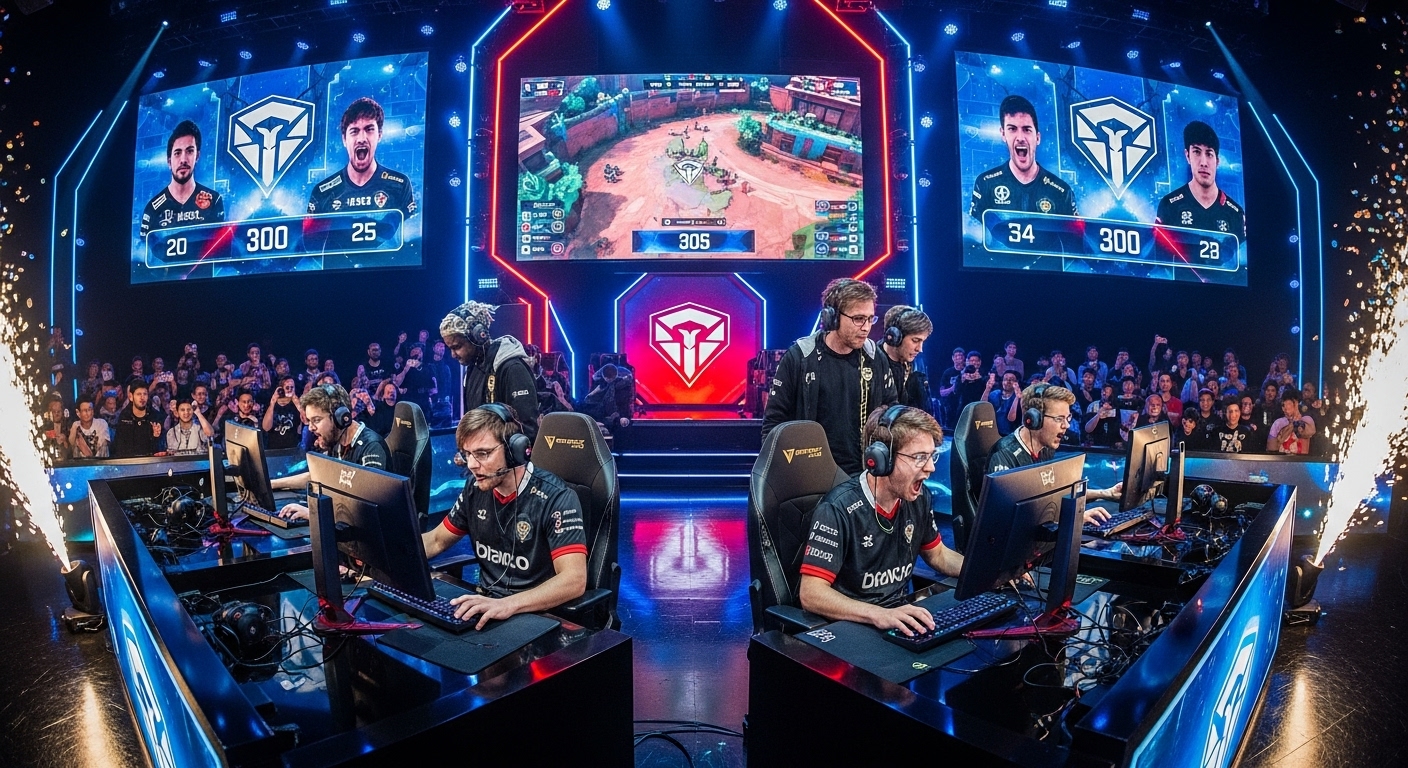
Today, e-sports is a billion-dollar industry encompassing tournaments, sponsorships, streaming, merchandise, and content creation. Professional leagues like the League of Legends Championship Series, Dota 2 International, and Overwatch League have turned gaming into a full-fledged career for thousands of players. Major tournaments now fill arenas and attract millions of viewers worldwide, demonstrating the mainstream appeal of competitive gaming.
Sponsorships and partnerships play a critical role in this growth. Brands ranging from energy drinks to technology companies invest heavily in e-sports, recognizing the loyalty and engagement of gaming audiences. Streaming platforms provide additional revenue streams, allowing fans to watch live matches, interact with players, and follow exclusive content. The convergence of media, technology, and community has transformed e-sports into a dynamic and lucrative ecosystem.
The Rise of Professional Gamers
Professional e-sports players are at the heart of this industry. These individuals train rigorously, often dedicating eight to twelve hours a day to practice, strategy, and physical conditioning. Contrary to the stereotype of gamers as casual players, professional competitors maintain a level of discipline similar to traditional athletes. Reflexes, mental agility, strategic thinking, and teamwork are critical for success.
The lifestyle of professional gamers is both demanding and glamorous. Many players travel internationally for tournaments, participate in promotional events, and cultivate personal brands through social media. They are not just athletes but influencers, shaping trends, game meta, and community culture. Young aspirants around the world now dream of becoming professional e-sports players, inspired by their idols and the recognition that gaming can be a viable career.
The Role of Streaming and Broadcasting
Streaming has been a game-changer for e-sports. Platforms dedicated to live game broadcasting have enabled millions to watch competitions in real time, interact with commentators, and engage with players directly. Streaming has also allowed amateur players to gain recognition, build fan bases, and even secure sponsorships, bridging the gap between casual and professional gaming.
Commentary, or casting, is an essential component of e-sports broadcasting. Skilled commentators provide insight, analysis, and entertainment, enhancing the viewing experience. Just as in traditional sports, storylines, rivalries, and player personalities make tournaments compelling to audiences. The ability to broadcast games globally has amplified e-sports’ cultural impact, making it accessible to fans regardless of geography.
E-Sports and Community Building
Community is at the core of e-sports culture. Fans are highly engaged, forming online forums, social media groups, and fan clubs to discuss strategies, predict outcomes, and celebrate favorite teams. Unlike traditional sports, e-sports communities are often highly interactive, influencing game development, tournament organization, and even the popularity of certain titles.
The social aspect of e-sports extends to in-game interactions as well. Multiplayer games foster teamwork, communication, and competition, creating a sense of belonging and shared purpose. E-sports has built a global community that transcends language, culture, and geography, making it one of the most inclusive and interactive entertainment platforms in the world.
E-Sports Training and Strategy
Success in e-sports requires more than raw talent. Professional teams analyze opponents, develop strategies, and engage in rigorous practice sessions. Games are studied meticulously, with players analyzing every move, map, and mechanic to gain a competitive edge. Teams often employ coaches, analysts, and support staff, creating a professional environment comparable to traditional sports franchises.
Mental preparation is equally important. E-sports athletes must maintain focus under high-pressure conditions, adapt to rapidly changing gameplay, and manage stress. Nutrition, exercise, and rest are also integral, as physical well-being impacts reaction times and cognitive performance. The combination of mental and physical training demonstrates the complexity and professionalism required to excel in competitive gaming.
Technological Innovation in E-Sports
E-sports thrives on technological advancement. High-speed internet, powerful computers, advanced graphics, and low-latency servers create the foundation for competitive play. Innovations in virtual reality, cloud gaming, and artificial intelligence promise to push the boundaries further, creating more immersive and dynamic experiences for both players and audiences.
Broadcasting technology has also enhanced e-sports. Multi-angle camera systems, in-game overlays, augmented reality graphics, and interactive viewer options have transformed tournaments into spectator spectacles. Technology not only enables the gameplay itself but also elevates the entertainment value of watching competitive gaming.
Global Impact of E-Sports
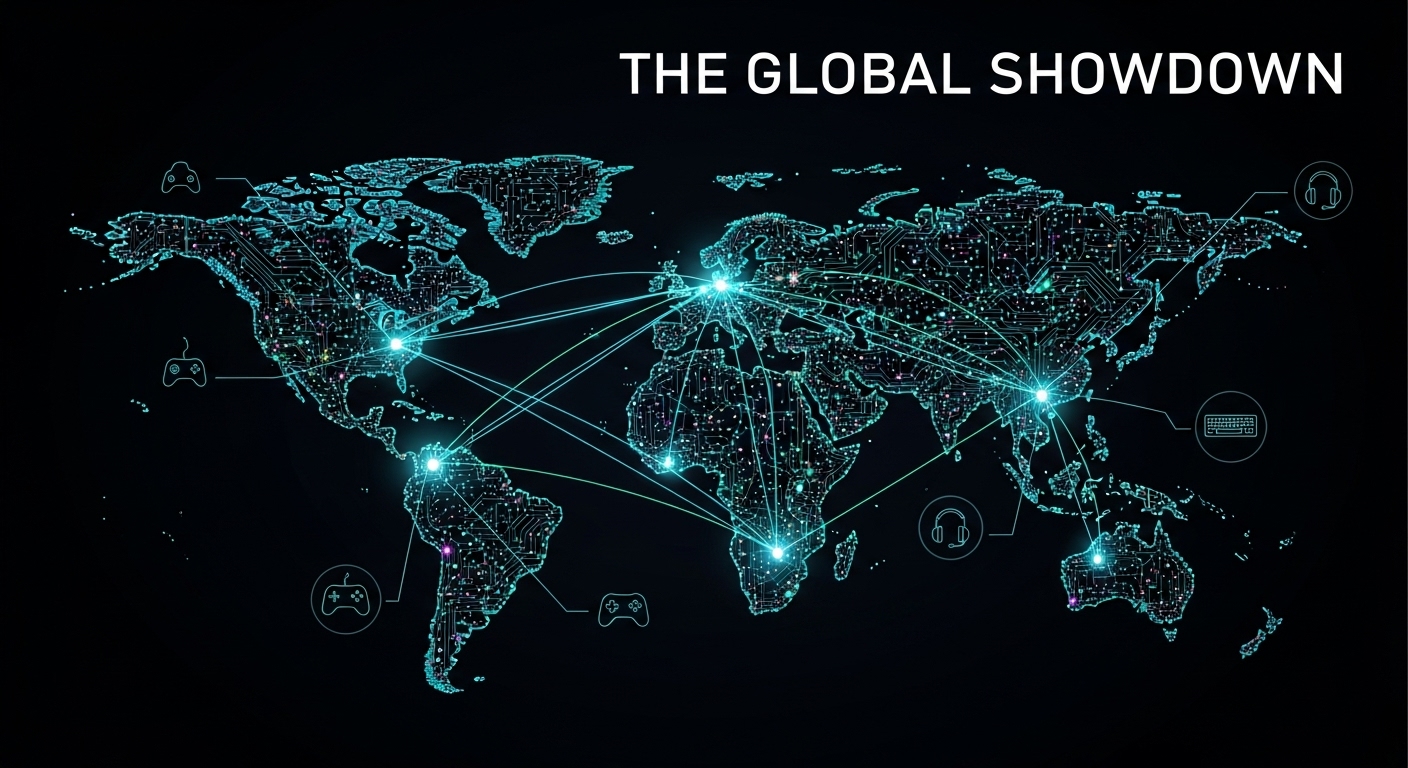
E-sports has become a truly global phenomenon. Professional players hail from countries across North America, Europe, Asia, and South America, creating an international competitive ecosystem. Major tournaments attract audiences in the tens of millions, rivaling traditional sports events in scale and excitement.
Cultural exchange is a natural byproduct of this globalization. Fans are exposed to different languages, strategies, and gaming cultures, promoting understanding and appreciation of diversity. E-sports also influences mainstream media, fashion, music, and advertising, highlighting its reach beyond gaming into broader cultural trends.
Challenges Facing the Industry
Despite its rapid growth, e-sports faces challenges. Concerns about player burnout, online toxicity, cheating, and accessibility persist. Maintaining a balance between commercial success and authentic community engagement is an ongoing task for organizers and developers. Gender representation and inclusivity also remain areas for improvement, with efforts underway to create a more equitable environment for all participants.
Additionally, regulatory and legal frameworks for professional gaming are still developing. Issues such as contracts, intellectual property, and fair competition standards require attention to ensure the sustainability and legitimacy of the industry.
The Future of E-Sports
The future of e-sports looks promising and innovative. Integration with virtual reality and augmented reality could redefine the spectator experience, offering immersive ways to watch and interact with competitions. Artificial intelligence may provide advanced analytics for teams and viewers, enhancing strategic depth and engagement.
E-sports is also likely to become more intertwined with traditional sports, entertainment media, and education. Universities and schools are introducing competitive gaming programs, while mainstream athletes are engaging with gaming communities. The blending of technology, culture, and competition ensures that e-sports will continue to evolve and shape global entertainment for years to come.
Conclusion
E-sports has emerged as one of the most influential and dynamic forms of modern entertainment. From its humble beginnings in arcades to massive global tournaments, competitive gaming has redefined how we perceive skill, competition, and community. It combines technology, strategy, athleticism, and creativity into a multifaceted industry that captivates millions. With professional players, passionate fans, innovative technology, and global reach, e-sports is more than a pastime—it is a cultural revolution. As the industry continues to grow, it promises to inspire, connect, and entertain audiences in ways that were once unimaginable, proving that the world of competitive gaming is here to stay.