





Introduction
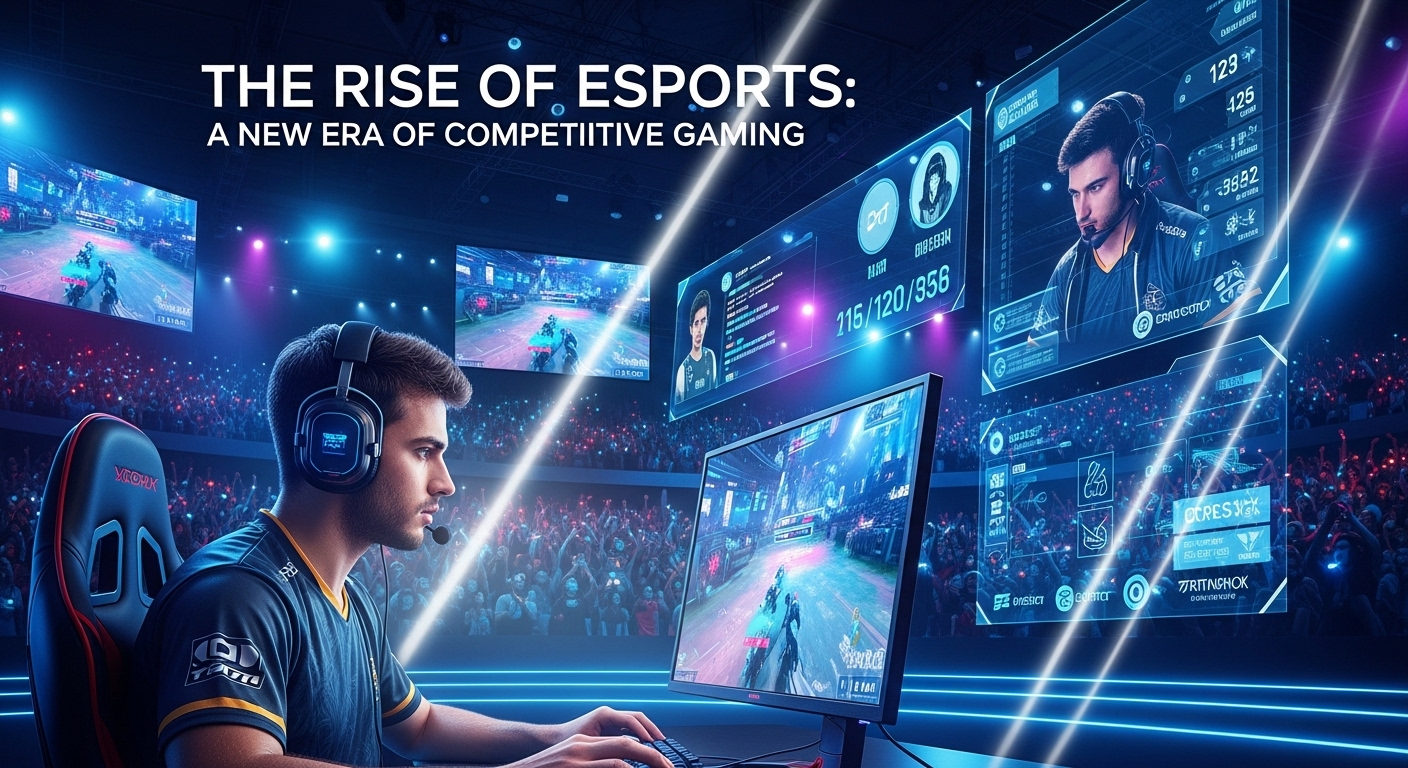
Esports has evolved from a niche hobby into a global phenomenon that rivals traditional sports in popularity and influence. Competitive gaming now attracts millions of players and viewers worldwide, turning virtual arenas into grand stages for talent, strategy, and teamwork. The rise of esports is not just about playing games—it’s about building communities, inspiring innovation, and redefining the meaning of competition in the digital age.
The Evolution of Esports
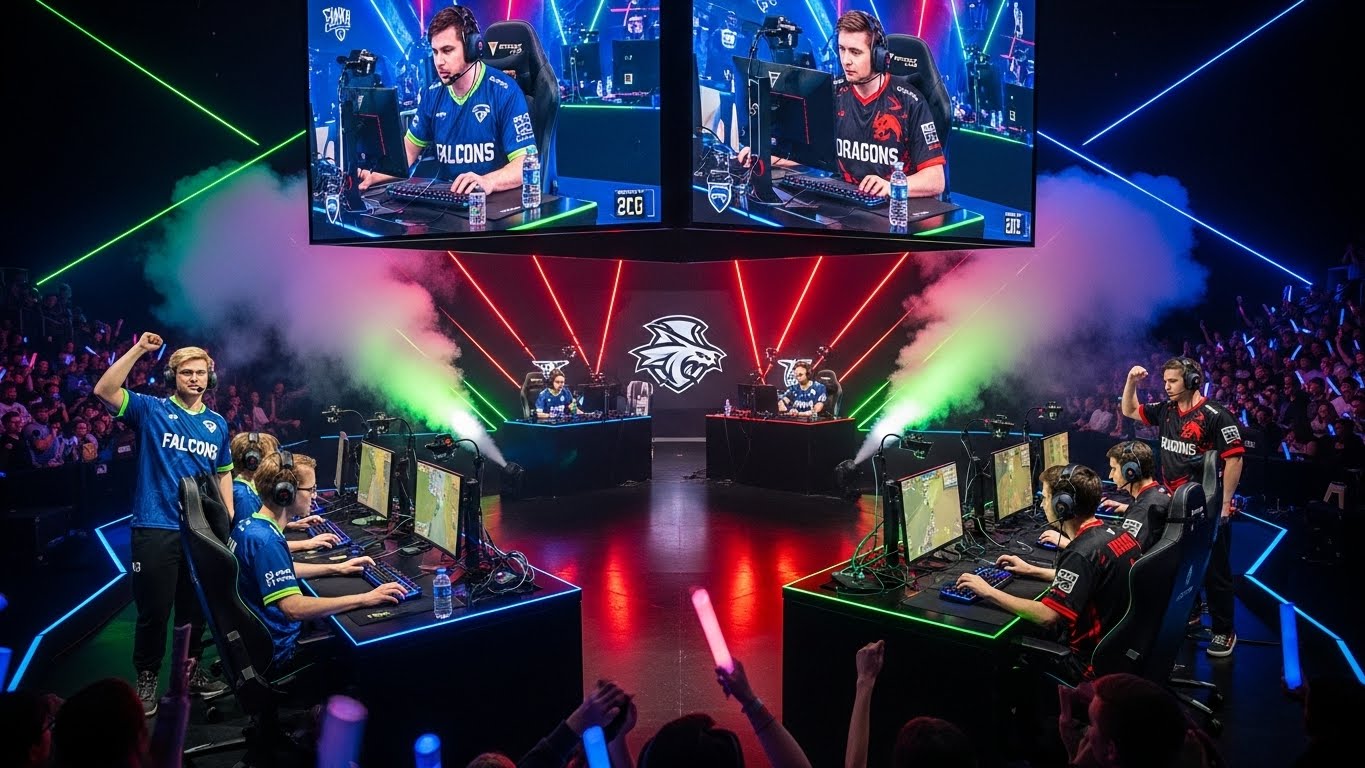
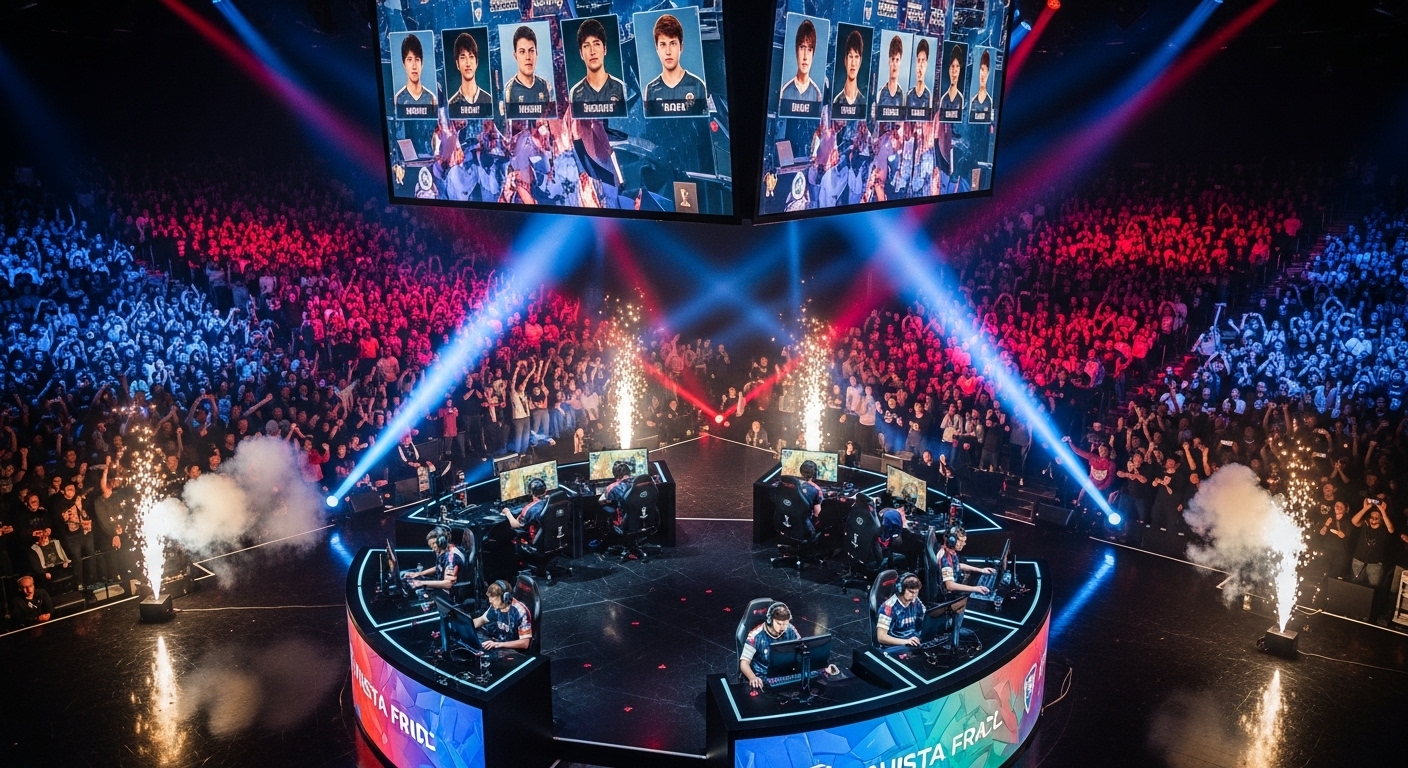
Esports began as small competitions among enthusiasts, often held in local arcades or online forums. Early tournaments paved the way for professional leagues, where organized teams and structured competitions became the norm. Today, esports features major international tournaments with high-stakes prize pools, live broadcasts, and professional commentary, showing how far competitive gaming has come from its humble beginnings.
The Life of a Professional Gamer
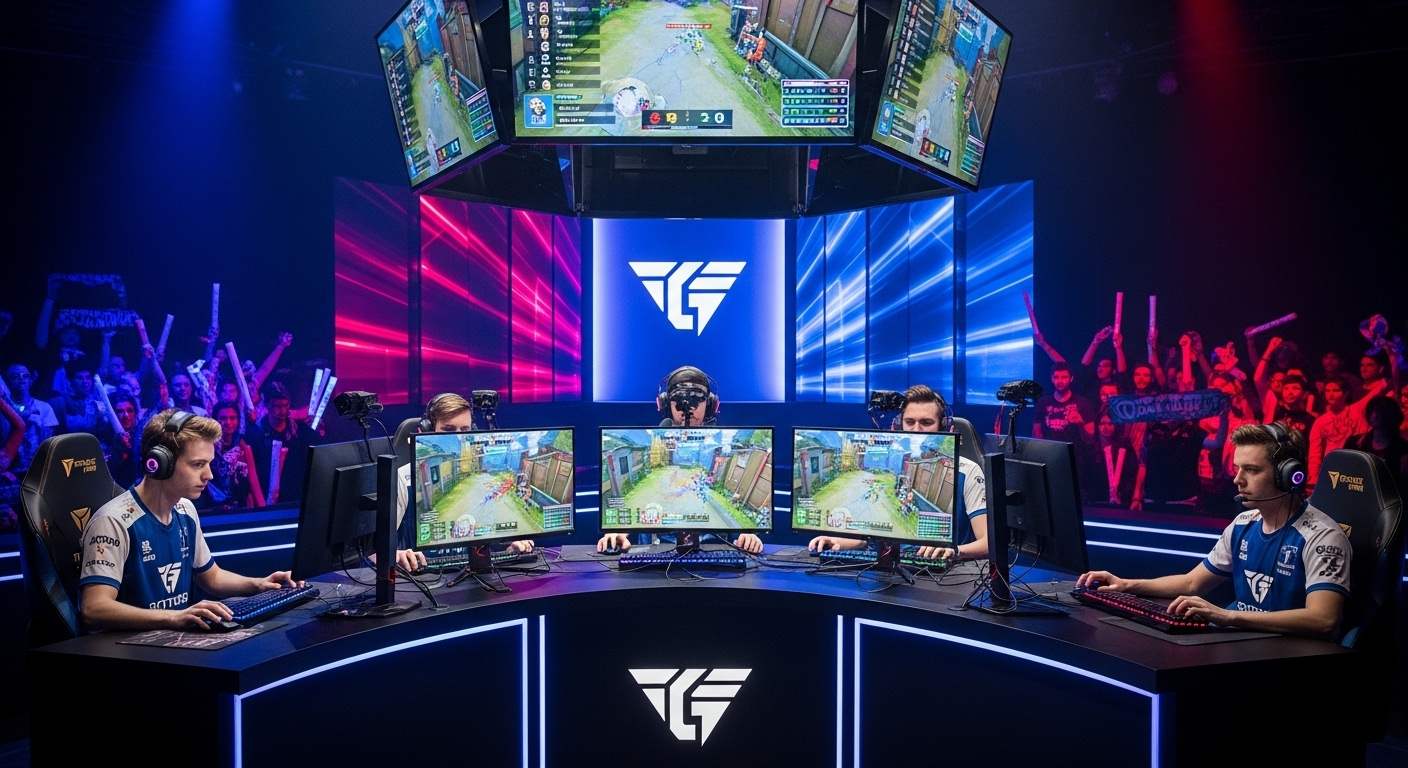
Professional esports players dedicate hours every day to mastering their craft. Training is intense, involving strategic planning, reflex improvement, and team coordination. Just like traditional athletes, professional gamers maintain rigorous schedules and participate in coaching sessions to refine their skills. Their dedication highlights that esports requires discipline, focus, and perseverance, challenging the misconception that it is merely casual entertainment.
Building a Global Community
Esports has created an unprecedented sense of connection among players and fans. Online multiplayer games allow individuals from different countries to compete and collaborate, forming friendships and communities across borders. Live tournaments bring fans together in stadiums, while online streaming platforms enable millions to watch in real time. The communal aspect of esports demonstrates that gaming is not just a solitary activity—it is a shared cultural experience.
Technology as the Backbone of Esports
Advanced technology powers every aspect of esports. High-performance gaming systems, ultra-fast internet connections, and cutting-edge software ensure smooth and competitive gameplay. Streaming technology allows audiences worldwide to experience events live, while innovations such as virtual reality and augmented reality promise even more immersive experiences in the future. Technology continues to push the boundaries of what esports can offer.
Economic and Cultural Impact
Esports is more than a form of entertainment—it is a rapidly growing industry. It generates revenue through sponsorships, merchandise, advertising, and media rights. Educational institutions are introducing esports programs and scholarships, while careers in game development, commentary, and event management are flourishing. Beyond economics, esports has influenced fashion, music, and social trends, showing that its cultural footprint extends far beyond gaming alone.
The Future of Esports
The future of esports is full of possibilities. As technology evolves, competitions will become more immersive and interactive. Global interest will expand, and professional esports will continue gaining recognition as a legitimate form of competition. With innovations like artificial intelligence, virtual reality, and cloud gaming, the next era of esports promises experiences that are more exciting, inclusive, and dynamic than ever before.
Conclusion
Esports is no longer just a pastime—it is a transformative cultural and competitive force. It unites people, challenges skill, and drives innovation in ways few other industries can. The journey from small-scale competitions to massive international tournaments demonstrates the power of gaming in the modern world. As esports continues to grow, it redefines competition, entertainment, and community, proving that the digital arena is here to stay.