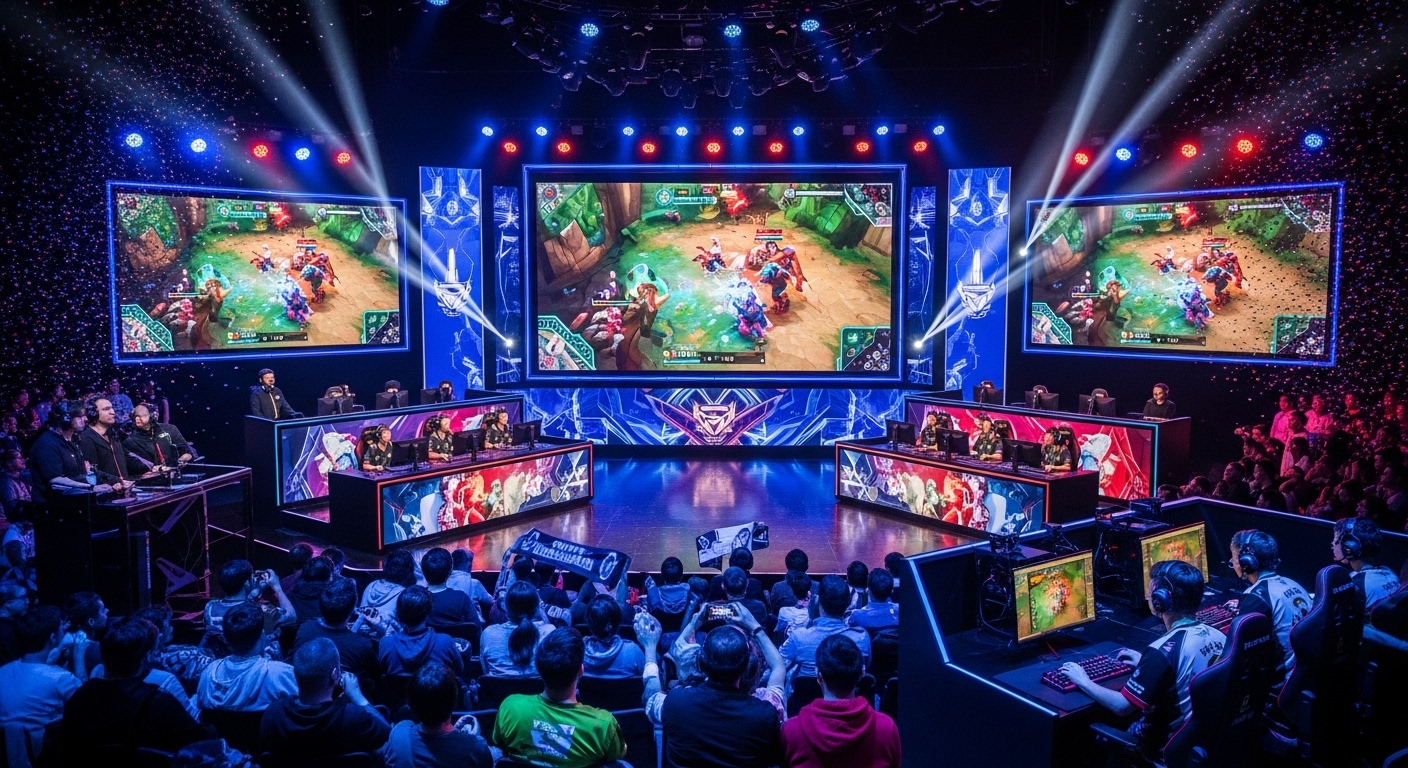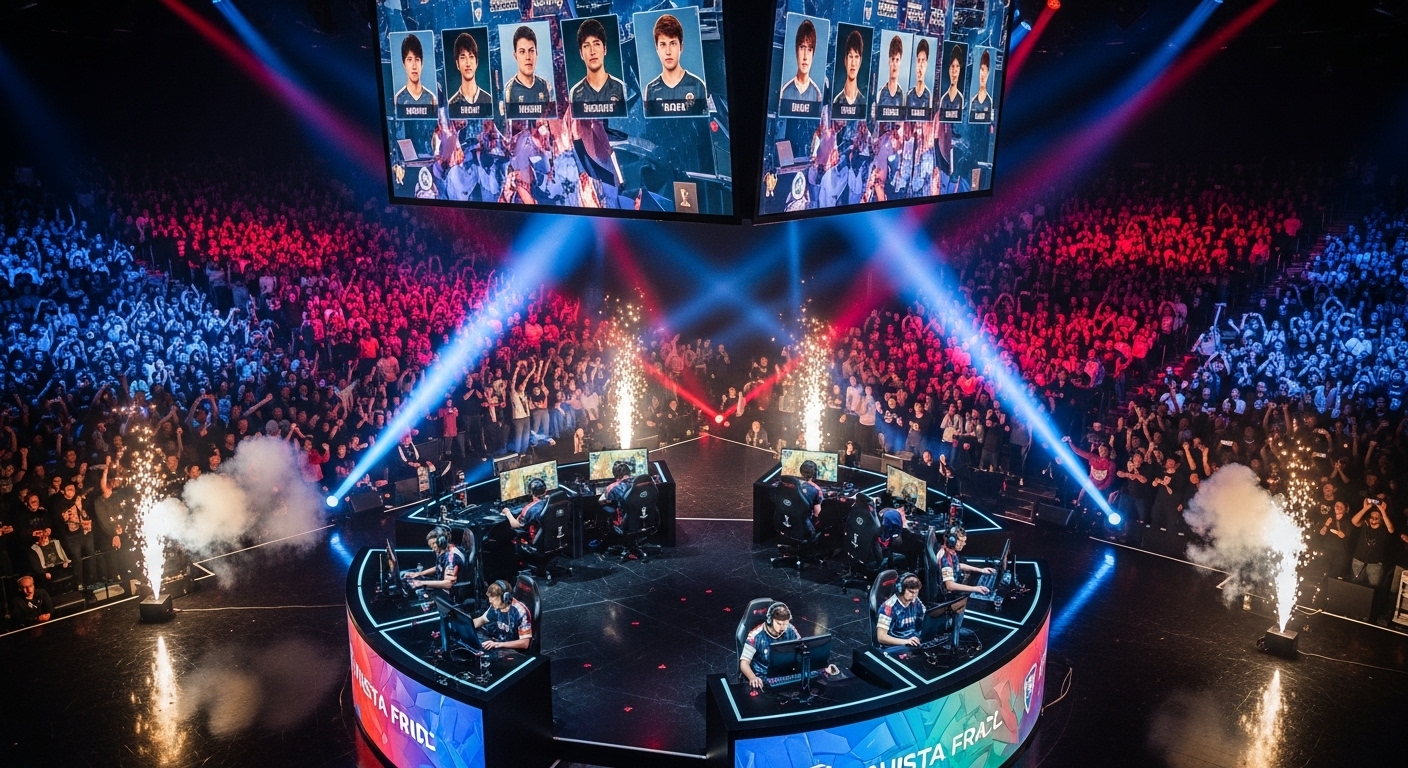






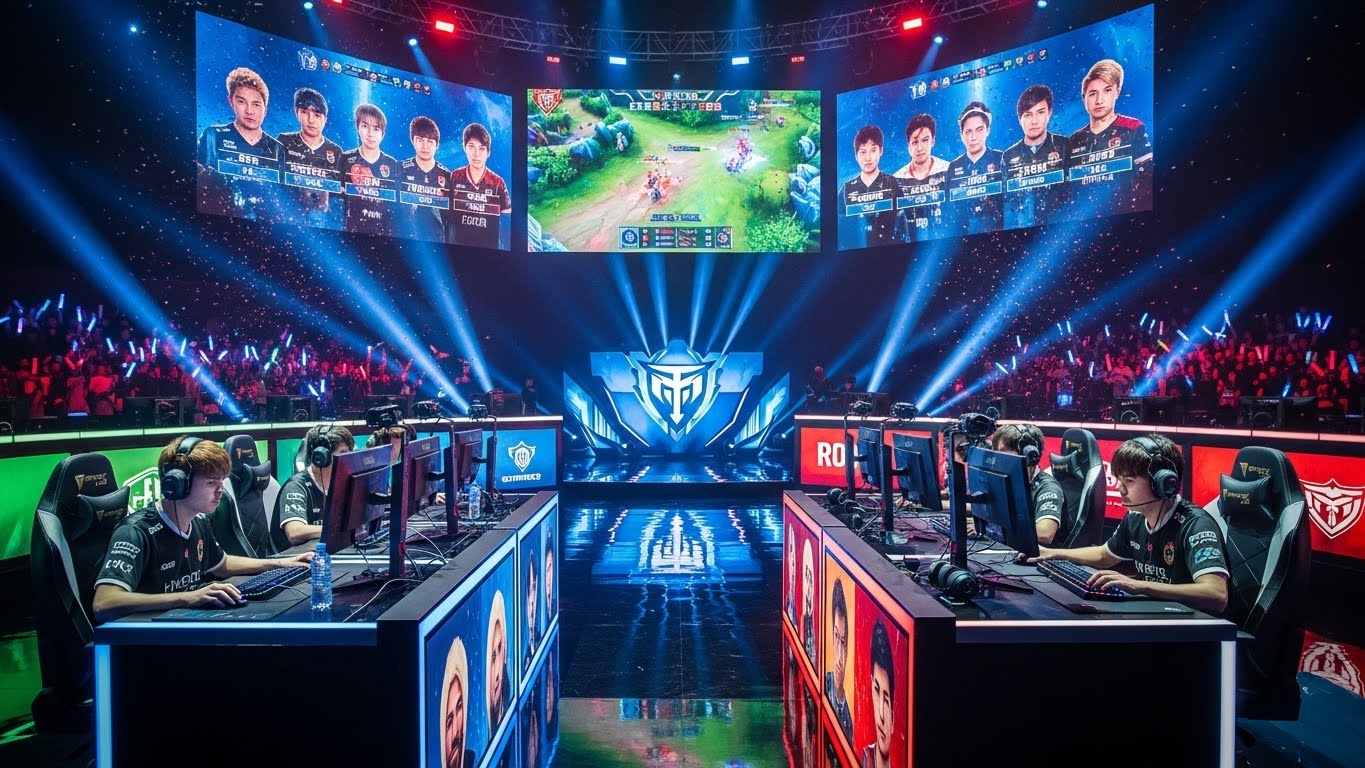
Esports, or competitive gaming, has rapidly evolved from a niche hobby into a global phenomenon that is shaping the entertainment and sports industries. What was once considered a pastime for enthusiasts is now a multi-billion-dollar industry with professional leagues, international tournaments, and millions of fans worldwide. Combining skill, strategy, technology, and community, esports has created a new paradigm of competition that blends athleticism with digital culture. This blog explores the rise of esports, its cultural significance, economic impact, technological innovations, benefits, challenges, and the promising future of competitive gaming.
The Origins of Esports
The roots of esports trace back several decades, reflecting the evolution of gaming itself. In the 1970s and 1980s, arcade games like Pong, Space Invaders, and Pac-Man introduced the concept of competitive gaming through high-score contests. Players competed locally, striving for recognition and social prestige.
The late 1990s and early 2000s marked a turning point with the emergence of multiplayer online games such as StarCraft, Counter-Strike, and Warcraft III. These games allowed players to compete across regions, creating online communities and organized tournaments. The accessibility of the internet enabled players to challenge opponents worldwide, laying the foundation for professional esports.
With the rise of streaming platforms and live broadcasts in the 2010s, esports transformed into a spectator sport. Fans could watch professional players compete in real-time, interact with communities, and follow global tournaments. This convergence of competition, technology, and audience engagement solidified esports as a legitimate and thriving industry.
The Global Popularity of Esports
Esports has become a global phenomenon, attracting millions of players and viewers. Games such as League of Legends, Dota 2, Counter-Strike: Global Offensive, Fortnite, and Valorant have cultivated massive communities and fan bases. International tournaments attract millions of live viewers, rivaling traditional sports events in viewership and fan engagement.
Accessibility is a key factor in esports’ popularity. Unlike traditional sports that may require specific physical attributes, esports emphasizes strategy, reflexes, coordination, and mental acuity. Players from diverse backgrounds, ages, and abilities can participate competitively, creating a more inclusive and democratic form of competition.
Furthermore, esports has developed a unique fan culture. Communities form around teams, players, and tournaments, providing platforms for discussion, analysis, and celebration. Fans engage in content creation, live streaming, and social media interaction, turning esports into not just a competition but a lifestyle and cultural phenomenon.
Cultural Impact of Esports
Esports is reshaping entertainment culture and social interaction. Professional players are now celebrated celebrities, inspiring millions of fans worldwide. Tournaments are global events, watched by audiences on multiple continents, while streaming platforms allow fans to interact directly with players in real-time.
Esports fosters a sense of community. Online teams and fan bases encourage collaboration, communication, and shared enthusiasm. In addition, esports challenges traditional notions of sports, demonstrating that physical strength is not the only measure of athleticism. Strategy, teamwork, mental agility, and quick reflexes are equally celebrated. This cultural shift broadens the perception of competition and highlights the diversity of skills that define success.
Esports has also influenced other areas of culture, including fashion, music, media, and digital content creation. Professional players’ styles, personalities, and branding inspire communities, while tournaments are covered by mainstream media, bridging the gap between digital and traditional entertainment.
Economic Significance of Esports
Esports has grown into a multi-billion-dollar industry with diverse revenue streams. Sponsorships, advertising, merchandise sales, broadcasting rights, and ticket sales for live events generate substantial income. International tournaments often feature prize pools worth millions of dollars, attracting top talent and fostering competition at the highest level.
Professional esports players earn substantial salaries, sponsorship deals, and tournament winnings. Organizations invest in training facilities, coaching staff, and analytics to optimize performance, demonstrating the seriousness and professionalism of the industry. Beyond players and teams, esports supports jobs in event management, content creation, marketing, software development, and more.
Major events also stimulate local economies. Cities hosting esports tournaments benefit from tourism, hotel occupancy, and media exposure. The economic impact of esports extends far beyond the game itself, demonstrating its transformative potential on multiple industries.
Technology Driving Esports
Technology is the backbone of esports. High-performance computers, gaming peripherals, stable internet connections, and software platforms ensure competitive fairness and performance optimization. Advanced analytics and artificial intelligence are increasingly used to refine player strategies and enhance training.
Streaming technology revolutionized audience engagement. Fans can watch live matches, access replays, and interact with communities globally. Virtual reality and augmented reality are beginning to offer immersive spectator experiences, while enhanced broadcast production allows multiple camera angles and detailed gameplay analysis. These technological advancements not only elevate competition but also create a richer, more engaging experience for fans worldwide.
Psychological and Cognitive Benefits
Esports offers numerous cognitive and psychological benefits. Competitive gaming requires focus, strategic thinking, and rapid decision-making. Players develop problem-solving skills, pattern recognition, memory, and multitasking abilities. Mental agility and adaptability are constantly tested, promoting cognitive growth.
Participation in esports also nurtures social skills and teamwork. Coordinating with teammates under pressure develops communication, collaboration, and leadership abilities. Success in competitions fosters confidence, resilience, and discipline. Contrary to common stereotypes, esports is a mentally rigorous activity that contributes to personal development and emotional well-being.
Esports and Education
Esports is increasingly recognized as an educational tool. Many universities and schools now offer esports scholarships and teams, providing students opportunities to compete while developing skills such as critical thinking, communication, and strategic planning.
Esports programs teach goal-setting, time management, and digital literacy. Players analyze gameplay, study strategies, and refine techniques through continuous practice. These skills translate to careers in technology, media, management, and other industries. In this sense, esports bridges entertainment and education, offering a platform for skill development and personal growth.
Challenges in Esports
Despite its rapid growth, esports faces significant challenges. Mental health is a pressing concern, as professional players experience long hours of practice, high-pressure competition, and public scrutiny. Burnout, anxiety, and stress require attention and support systems.
Regulation is another challenge. Unlike traditional sports, esports lacks a universally recognized governing body, leading to inconsistent rules, cheating incidents, and disputes across tournaments. Ethical issues, such as player exploitation and unhealthy gaming practices, must also be addressed to maintain integrity. Environmental considerations, such as the energy consumption of large-scale events and server infrastructure, are increasingly relevant.
The Future of Esports
The future of esports is dynamic and promising. Emerging technologies, including virtual reality, augmented reality, artificial intelligence, and cloud gaming, will make competitions more immersive and accessible. The industry is likely to expand into new genres, platforms, and global markets, attracting diverse audiences and participants.
Esports is also integrating with mainstream media, traditional sports, and entertainment. Athletes, celebrities, and brands are increasingly collaborating with esports platforms, expanding its visibility and legitimacy. Inclusivity, social responsibility, and mental health support will shape the industry’s growth, ensuring sustainable and ethical development.
Esports is poised to become an essential component of modern entertainment, education, and culture. Its growth will continue to redefine competition, challenge traditional perceptions of sports, and inspire future generations of digital athletes.
Conclusion
Esports is more than competitive gaming—it is a cultural, economic, and technological revolution. It blends skill, strategy, and entertainment into a dynamic global phenomenon that transcends traditional notions of sport. From local tournaments to international championships, esports has created opportunities for players, fans, and businesses alike.
The industry demonstrates the power of technology to connect people, foster community, and create new forms of achievement. As esports evolves, it will continue to shape digital culture, challenge perceptions of athleticism, and provide avenues for personal growth, social interaction, and professional development. Engaging with esports offers an exciting glimpse into the future of competition, entertainment, and human ingenuity.