





Introduction: A New Era of Competitive Entertainment
Esports, once seen as a casual pastime enjoyed by small gaming communities, has rapidly evolved into a global phenomenon. Today, millions of fans tune in to watch skilled players compete on digital battlegrounds, much like traditional sports fans flock to stadiums. The evolution of esports represents a cultural shift, where digital competition stands shoulder to shoulder with physical sports. With massive tournaments, professional players, thriving organizations, and dedicated fanbases, esports has secured its position in the world of entertainment.
As technology continues to advance and more people gain access to digital platforms, esports becomes more than a trend. It is a movement shaping how the world views competition, entertainment, and community. This blog explores the journey of esports, its modern impact, and the future that lies ahead for this fast-growing industry.
Defining Esports: More Than Just Gaming
Esports, short for electronic sports, refers to organized and competitive video gaming. Unlike casual gaming, esports involves structured tournaments, professional teams, and high-level strategies. Competitors, often called pro players, train extensively to master their games, whether they specialize in strategy titles, first-person shooters, battle arenas, or sports simulations.
Esports combines the thrill of gaming with the discipline of traditional athletics. Every competition requires precision, teamwork, quick thinking, and mental endurance. Games are not played randomly; they are studied, analyzed, and practiced tirelessly. This mixture of skill and strategy has drawn millions of players and fans into the esports world.
The Evolution of Esports: From Arcades to Arenas
The roots of esports stretch back to early arcade competitions and small gaming tournaments held in the 1970s and 1980s. Back then, players gathered to break high scores or challenge one another in friendly matches. As technology progressed, gaming shifted from arcades to home consoles and personal computers, expanding both the gaming community and the potential for competition.
The true turning point came with the rise of the internet. Online gaming allowed people from different countries to compete instantly, creating new opportunities for organized tournaments. Gradually, esports transformed from small community events to international competitions viewed by millions. What once seemed like a niche interest evolved into a mainstream global sport with major sponsors, elaborate venues, and massive financial investments.
The Professional Player: A New Kind of Athlete
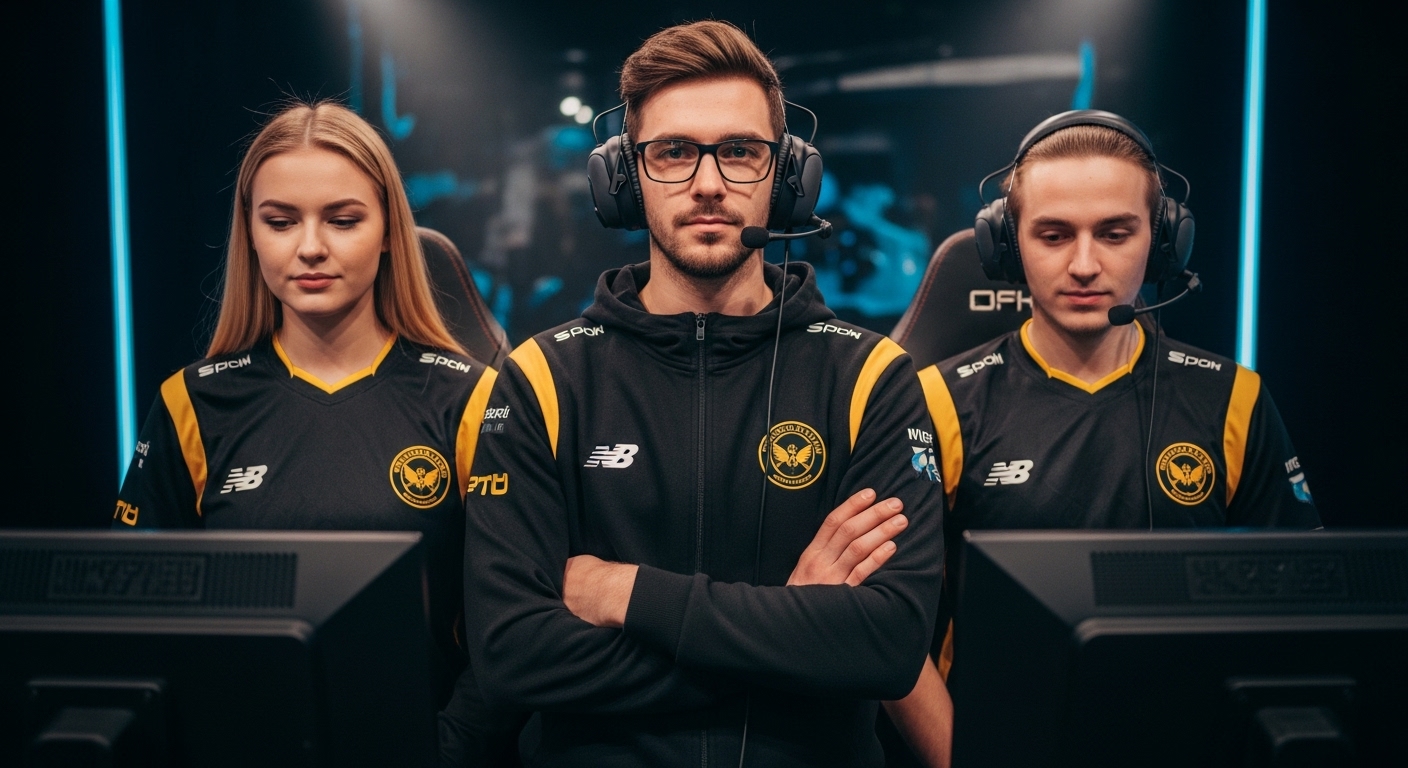
Professional esports players, often starting their careers in their teens, dedicate countless hours to improving their craft. Their training resembles that of traditional athletes, with daily practice routines, team meetings, strategy discussions, and mental conditioning. Many teams employ coaches, analysts, nutritionists, and fitness trainers to ensure players maintain both physical and mental balance.
Pro players possess exceptional reflexes, unmatched game knowledge, and the ability to remain calm under pressure. Their success is not just about clicking fast; it involves strategic decision-making, teamwork, and adaptability. The competitive nature of esports means that players must constantly evolve, as the gaming landscape changes frequently with new updates, strategies, and competitors.
Despite the challenges, professional gaming offers incredible opportunities. Players can earn significant incomes through tournament winnings, sponsorships, streaming, and brand partnerships. They gain loyal fanbases, travel internationally, and enjoy recognition similar to traditional sports stars.
Esports Teams and Organizations: Building the Industry
Esports organizations play a vital role in shaping the competitive environment. These organizations operate much like traditional sports clubs, managing teams across different games, providing training facilities, handling sponsorship deals, and supporting their players’ career growth.
Large organizations have influence that extends beyond gaming. They create merchandise lines, partner with international brands, and build global fan communities. Their presence strengthens the structure of competitive gaming and elevates esports into a polished, professional industry.
The rise of esports organizations has also opened up new career paths beyond playing. Coaches, graphic designers, event planners, analysts, video editors, managers, and marketers all contribute to the growing ecosystem of esports. This makes the industry more sustainable and diverse.
The Spectacle of Esports Tournaments
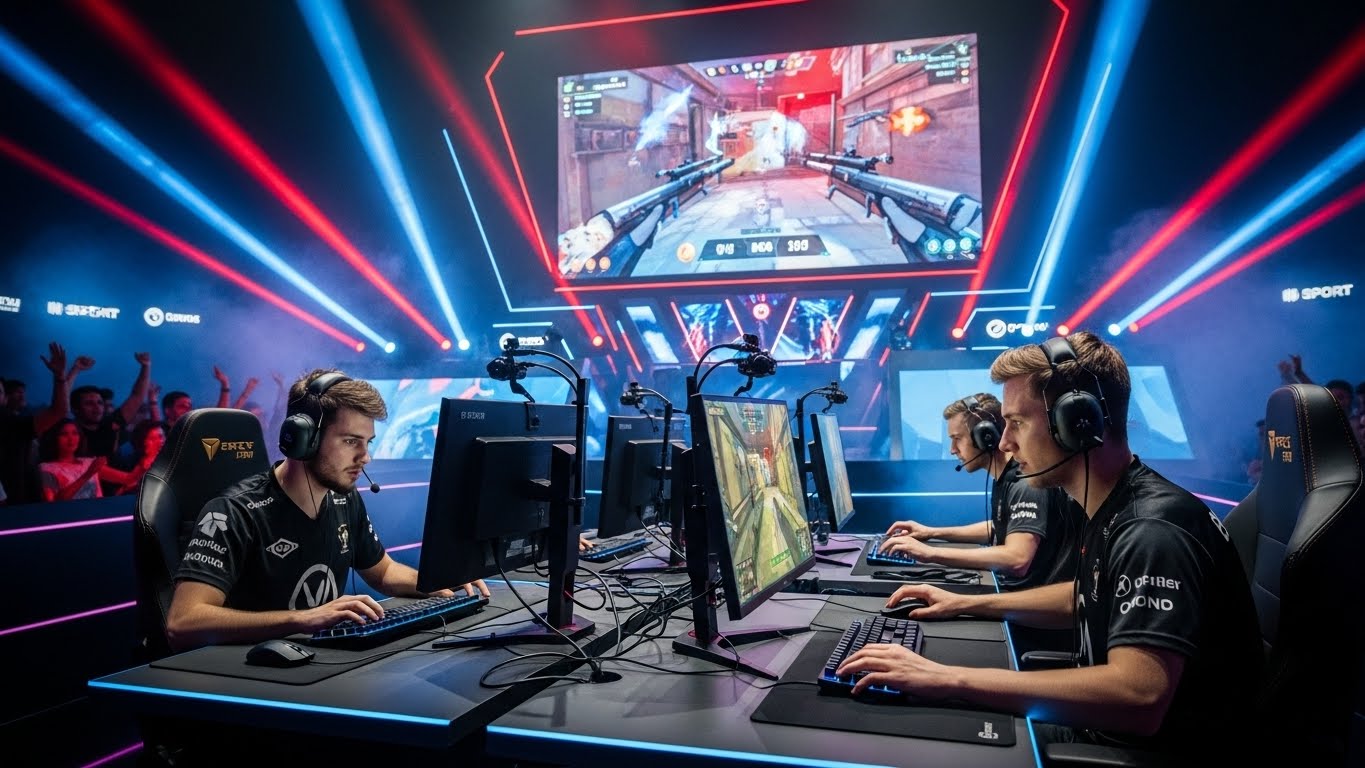
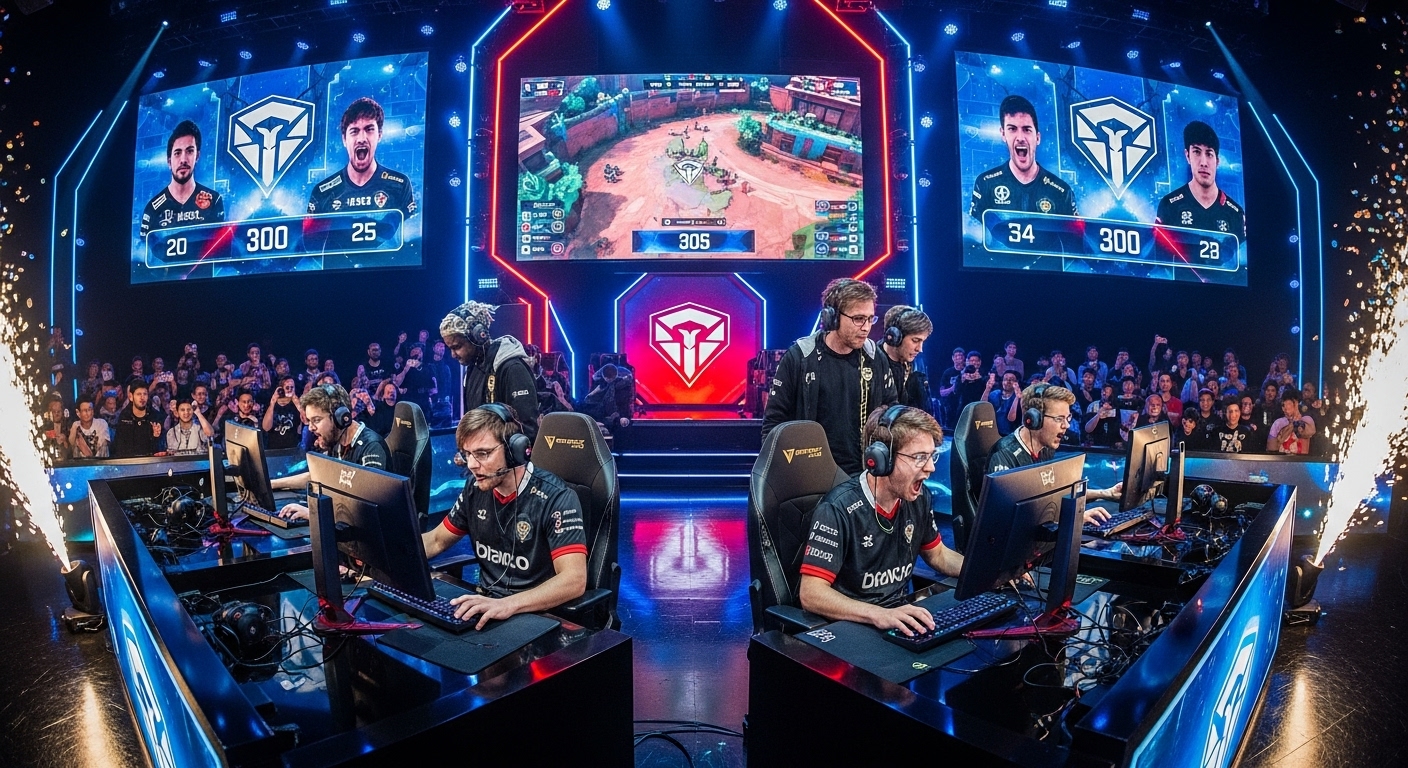
Esports tournaments are now among the most exciting events in the entertainment world. These competitions transform digital gameplay into real-world spectacles filled with energy, emotion, and anticipation. Fans gather in arenas to cheer for their favorite teams, while millions more watch from home.
Tournaments are known for their dramatic lighting, thrilling commentary, and unforgettable moments. They resemble major sporting events, complete with opening ceremonies, team introductions, and cheering crowds. The excitement of watching top-level competitors battle for victory creates unforgettable experiences for fans.
While some tournaments are global championships that draw participants from around the world, others focus on regional or local competitions, giving aspiring players a chance to shine. Regardless of the scale, the passion and excitement remain the same. Each event fuels the growth of esports and strengthens its position in modern culture.
Streaming and Social Media: Esports’ Greatest Allies
One of the biggest contributors to esports’ success is the rise of streaming platforms and social media. These platforms allow players to broadcast their gameplay live, interact with fans, and share their thoughts and routines. Fans can watch tournaments, learn strategies, and enjoy hours of entertainment from their favorite players.
Streaming has opened new paths for players to build careers. Many pro players also become streamers, earning income through subscriptions, donations, and brand partnerships. Streaming also allows fans to witness the hard work that goes into becoming an elite player, creating deeper engagement and appreciation for esports.
Social media platforms further amplify esports by spreading highlights, interviews, memes, discussions, and fan art. Esports is driven by community, and social media keeps that community alive 24 hours a day.
Esports in Education: A Surprising and Positive Shift
Schools and universities are increasingly recognizing the value of esports. Many institutions now offer esports clubs, competitive teams, and even scholarships for talented players. These programs show that gaming is not only about entertainment but can also support academic and personal development.
Students who participate in esports learn teamwork, leadership, communication, time management, and strategic thinking. These skills translate well into academic success and future careers. Esports programs also highlight career opportunities beyond playing, such as broadcasting, marketing, event management, and technology development.
The presence of esports in education helps dismiss outdated stereotypes about gaming and encourages a healthier understanding of how digital skills can support real-world achievements.
The Cultural Impact of Esports
Esports has influenced global culture in powerful ways. Gamers, once viewed as isolated individuals, are now celebrated as innovators, competitors, and entertainers. Fashion trends inspired by gaming aesthetics have become mainstream. Music artists collaborate with esports events, and celebrities often invest in esports teams.
Even traditional sports have acknowledged esports’ rise. Many athletes express admiration for pro players and sometimes participate in gaming themselves. Sports clubs have invested in esports divisions, bridging the gap between physical and digital competition.
Esports has also built one of the most diverse global communities. Players and fans from different cultures, languages, and backgrounds come together through shared passion. This inclusivity is one of esports’ greatest strengths.
Global Expansion: A Worldwide Movement
Esports is a universal phenomenon. Asia, Europe, North America, South America, and Africa each have thriving esports communities. This global spread has allowed esports to grow rapidly, with tournaments, organizations, and partnerships emerging in every region.
Countries are investing in esports training centers, hosting international events, and supporting young talent. The worldwide appeal ensures that esports remains a culturally rich and economically promising industry.
The Future of Esports: Innovation Without Limits
The future of esports is filled with potential. New gaming technologies, such as virtual reality, augmented reality, and cloud gaming, promise to elevate the competitive experience. These advancements may introduce new genres of esports or change how competitions are viewed.
More brands from outside the gaming world will enter esports, bringing financial investment and stronger legitimacy. Schools will continue adopting esports programs, and governments may offer more support as the industry grows.
The most exciting aspect is that esports has no boundaries. As long as people love games, competition, and innovation, esports will continue to thrive.
Conclusion: Esports Is Redefining Entertainment
Esports has transformed from a hobby into a global cultural force. It inspires millions, creates new jobs, and brings communities together. Its growth is fueled by passion, talent, technology, and the universal love of competition.
As esports moves forward, it will continue shaping the future of entertainment, education, and community. What once lived behind screens now fills arenas, homes, and hearts around the world. Esports is more than a game. It is a movement, a lifestyle, and a testament to how digital entertainment can unite people everywhere.