




Introduction to Esports
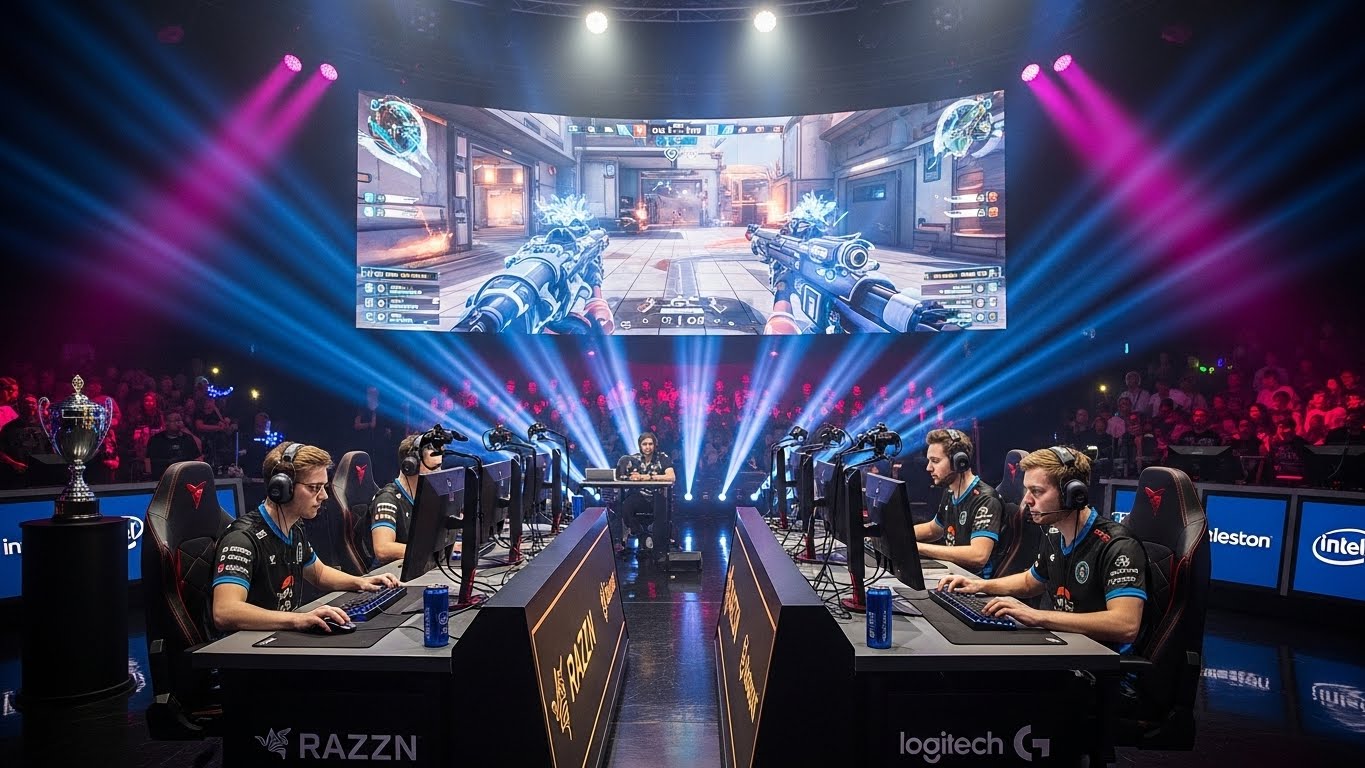
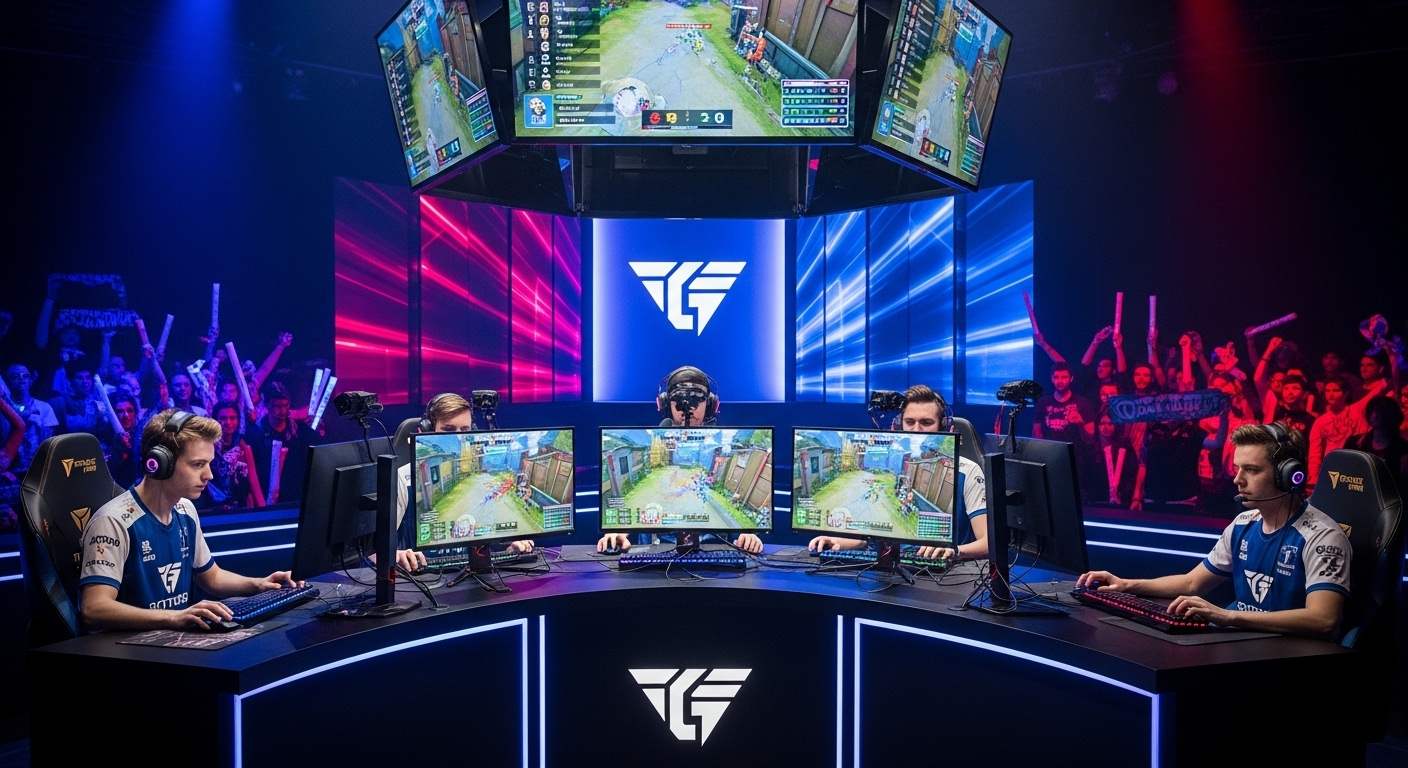
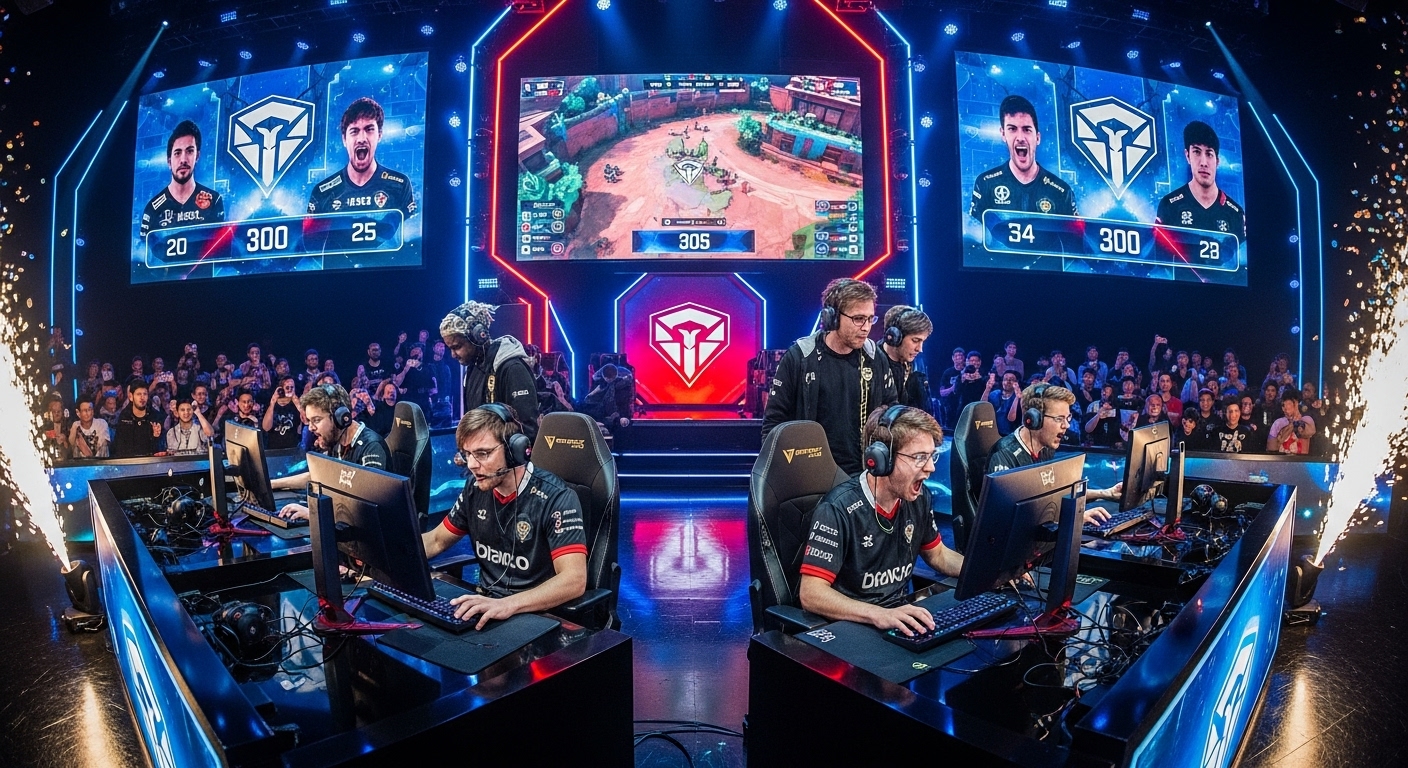
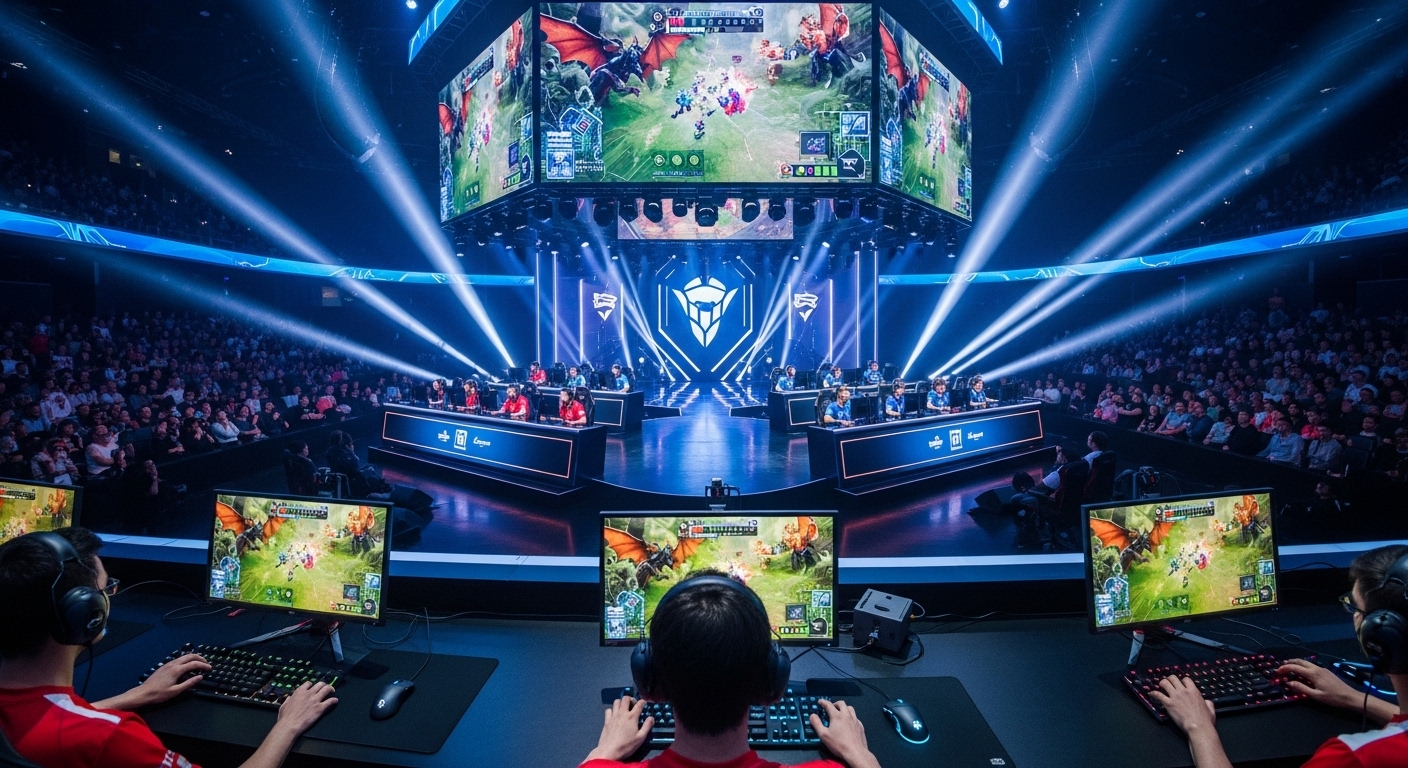
In the last two decades, a new wave of entertainment and competition has emerged that transcends the traditional boundaries of sports and gaming. Esports, short for electronic sports, has become a global phenomenon that captures the attention of millions of fans, players, and investors. What once began as small gatherings of gamers competing for fun has now evolved into a billion-dollar industry that rivals traditional sports in popularity, viewership, and cultural influence. Esports represents the perfect fusion of technology, competition, and community, making it one of the defining movements of the 21st century.
The rise of Esports is not a sudden event but rather a gradual evolution that reflects the advancements in technology, internet accessibility, and global connectivity. From early LAN parties to massive international tournaments held in stadiums, Esports has reshaped how people perceive gaming and competition. It has also given birth to new careers, industries, and opportunities for millions worldwide.
The Early Days of Competitive Gaming
The origins of Esports can be traced back to the late 1970s and early 1980s, when video games first began gaining popularity. One of the earliest known gaming competitions took place in 1980 with the “Space Invaders Championship,” which attracted over 10,000 participants across the United States. This event is often considered the first major milestone in competitive gaming.
During the 1990s, as home computers and gaming consoles became more common, the idea of competitive gaming started to spread. Games like Doom, Street Fighter II, and StarCraft became popular among enthusiasts who wanted to prove their skills against others. LAN parties, where players connected their computers locally to compete, became the heart of early Esports culture. These gatherings were social, community-driven, and often grassroots in nature.
The Internet Revolution and the Growth of Online Competition
The late 1990s and early 2000s marked a turning point for Esports. The widespread availability of high-speed internet transformed how games were played, allowing people from different parts of the world to compete against each other in real time. Online gaming networks like Battle.net and Xbox Live became the new arenas for competition.
This period saw the rise of professional gaming leagues and organized tournaments. Games such as Counter-Strike, Warcraft III, and Quake III Arena became central to competitive gaming culture. The first major Esports organizations and teams began to form, supported by sponsors and gaming companies eager to tap into the growing audience.
In South Korea, the Esports scene exploded with the popularity of StarCraft. The government recognized Esports as a legitimate form of competition, and television networks began broadcasting live matches. South Korea quickly became the global hub of Esports, producing professional players who achieved celebrity status. This movement inspired other countries to develop their own Esports ecosystems.
The Rise of Esports as a Professional Industry
By the late 2000s and early 2010s, Esports had evolved from small tournaments into large-scale international events with massive prize pools. Organizations like Major League Gaming (MLG), the Electronic Sports League (ESL), and later The International for Dota 2 began hosting competitions that attracted millions of viewers worldwide.
Streaming platforms played a crucial role in this transformation. The launch of Twitch in 2011 changed the Esports landscape forever. For the first time, fans could watch their favorite players and teams compete live from anywhere in the world. This accessibility helped Esports grow from a niche community into a mainstream form of entertainment.
Games like League of Legends, Dota 2, and Counter-Strike: Global Offensive became the cornerstones of professional Esports. Each of these titles developed its own competitive ecosystem, complete with structured leagues, professional teams, and dedicated fanbases. Prize pools grew exponentially, with some tournaments offering millions of dollars in winnings.
The Cultural Shift and Global Appeal of Esports
The global appeal of Esports lies in its diversity and inclusivity. Unlike traditional sports, which often require physical attributes or geographic advantages, Esports is accessible to anyone with a computer or console and an internet connection. Players from different backgrounds, cultures, and genders can compete on an equal footing based purely on skill, strategy, and teamwork.
Esports has also blurred the line between cultures. Fans from Asia, Europe, North America, and beyond unite under the banners of their favorite teams. Events like the League of Legends World Championship attract audiences from all corners of the globe, often exceeding the viewership numbers of major traditional sporting events.
The rise of Esports has also influenced popular culture. Many professional players and streamers have become celebrities with millions of followers. Esports has found its way into music, fashion, and even education. Universities now offer scholarships for Esports athletes, and academic programs dedicated to game design, broadcasting, and Esports management are becoming increasingly common.
The Business and Economics of Esports
Behind the flashing lights and roaring crowds lies a powerful economic engine driving the Esports industry. Revenue streams come from various sources: sponsorships, advertisements, merchandise sales, broadcasting rights, and ticket sales for live events. Companies like Intel, Red Bull, and major tech brands invest heavily in Esports marketing, recognizing the potential to reach younger, tech-savvy audiences.
Esports teams operate like traditional sports franchises, with coaches, analysts, and support staff. Players sign professional contracts and train rigorously to maintain peak performance. Many organizations provide facilities, nutrition plans, and psychological support, acknowledging the mental intensity required in high-level competition.
The business of Esports has also given rise to related industries. Game developers design titles with competitive play in mind, streaming platforms optimize their services for Esports broadcasts, and event organizers plan tournaments that rival the grandeur of global sporting events. The ecosystem continues to grow, attracting investors and entrepreneurs from all sectors.
Technology’s Role in Shaping Esports
Technology is the foundation upon which Esports is built. From advanced gaming hardware to sophisticated streaming infrastructure, technological innovation drives the growth and accessibility of Esports. High-performance computers, low-latency internet connections, and powerful gaming consoles ensure fair and smooth competition.
Streaming technology has democratized access to Esports. Players can now broadcast their gameplay to audiences of millions with minimal equipment. Artificial intelligence and data analytics have also begun to play a role, helping teams analyze opponents, optimize strategies, and improve player performance.
Virtual and augmented reality are expected to influence the next phase of Esports. As these technologies become more refined, they could create immersive gaming experiences that blend physical and digital realities, opening up new forms of competitive play.
The Social and Psychological Impact of Esports
Esports is more than entertainment; it is a social and psychological experience that connects people across the world. For many, gaming communities serve as social spaces where friendships are formed and teamwork is cultivated. Esports promotes cognitive skills such as problem-solving, quick decision-making, and hand-eye coordination.
However, the intense nature of competitive gaming also presents challenges. Players face immense pressure to perform, leading to stress, burnout, and mental fatigue. Balancing screen time, practice schedules, and personal well-being is essential for long-term success. Organizations and coaches now emphasize mental health support and sustainable training routines to ensure players can maintain their careers without sacrificing their health.
The Role of Esports in Education and Career Development
Esports has begun to enter the educational landscape in surprising and transformative ways. Schools and universities around the world have recognized the value of Esports as a legitimate field of study and competition. Students can now pursue degrees related to Esports management, broadcasting, and game design, preparing them for careers in this booming industry.
Esports also teaches valuable life skills. Team-based games require communication, leadership, and strategic thinking. These skills translate directly to real-world applications, helping young people develop confidence and discipline. Some educational institutions use Esports as a tool to engage students in STEM fields, encouraging interest in technology, coding, and digital creativity.
Challenges Facing the Esports Industry
Despite its remarkable growth, Esports faces several challenges that must be addressed for sustainable success. One of the primary concerns is regulation. Unlike traditional sports with governing bodies, Esports is fragmented across different games and organizations, each with its own rules and standards. This lack of unified governance creates inconsistencies and occasionally controversies related to player contracts, tournament integrity, and fair play.
Toxic behavior and harassment within gaming communities also pose problems. Efforts are being made to create more inclusive environments, promote diversity, and enforce ethical conduct. Ensuring the safety and well-being of players, especially minors, remains a top priority.
Financial stability is another challenge. While top-tier teams and tournaments generate massive revenue, smaller organizations often struggle to stay afloat. Creating a more balanced economic model that supports all levels of competition is essential for long-term growth.
Esports and Traditional Sports: A New Rivalry and Partnership
Esports is often compared to traditional sports, and in many ways, the two worlds are beginning to merge. Both rely on skill, training, strategy, and teamwork. Major sports organizations, including basketball and football clubs, have invested in Esports teams to reach younger audiences. Stadiums that once hosted physical sports events are now being used for Esports tournaments that fill seats with cheering fans.
The partnership between Esports and traditional sports is mutually beneficial. Traditional sports organizations bring experience in marketing and event management, while Esports introduces new forms of digital engagement and interactivity. The future may see even greater collaboration as technology continues to bridge the gap between physical and digital competition.
The Future of Esports
The future of Esports looks bright and limitless. Analysts predict that global Esports viewership and revenue will continue to rise as technology advances and more countries embrace gaming culture. Mobile Esports, in particular, has opened new doors for competition in regions with limited access to high-end gaming PCs, making Esports more inclusive than ever before.
As virtual reality, augmented reality, and artificial intelligence evolve, Esports will likely expand into new genres and formats. The concept of the “metaverse,” a shared virtual environment, could transform how players and fans interact, offering immersive experiences that go beyond traditional gameplay.
Education, entertainment, and technology will continue to converge, making Esports a central part of global digital culture. Governments and educational institutions are increasingly recognizing Esports as a legitimate career path, further cementing its place in society.
Conclusion: Esports as a Defining Movement of the Digital Era
Esports is more than a passing trend; it is a cultural revolution that reflects the digital transformation of the modern world. It has redefined what it means to compete, to be an athlete, and to be a fan. Through passion, technology, and global connectivity, Esports has built a bridge between entertainment and excellence.
From humble beginnings in small arcades to sold-out arenas watched by millions, the journey of Esports symbolizes the power of innovation and community. It has given countless individuals a sense of belonging, a platform for creativity, and an opportunity to achieve greatness in a new kind of arena.
As we move deeper into the digital age, Esports will continue to shape how we interact, play, and connect. It stands as a testament to human adaptability and the endless possibilities that arise when technology and passion unite. The world of Esports is not just about winning games; it is about redefining the meaning of competition, collaboration, and global unity in the modern era.
(Word count: approximately 2,180)