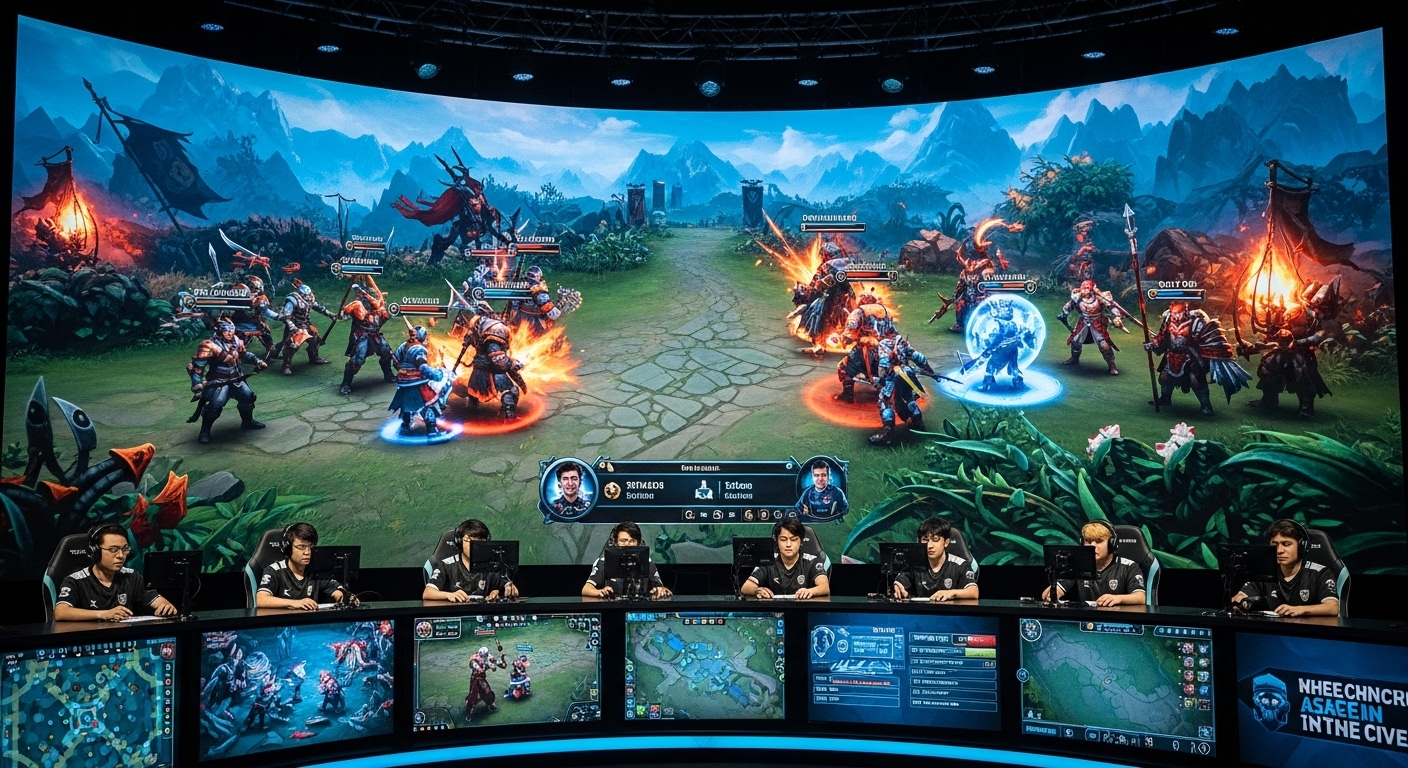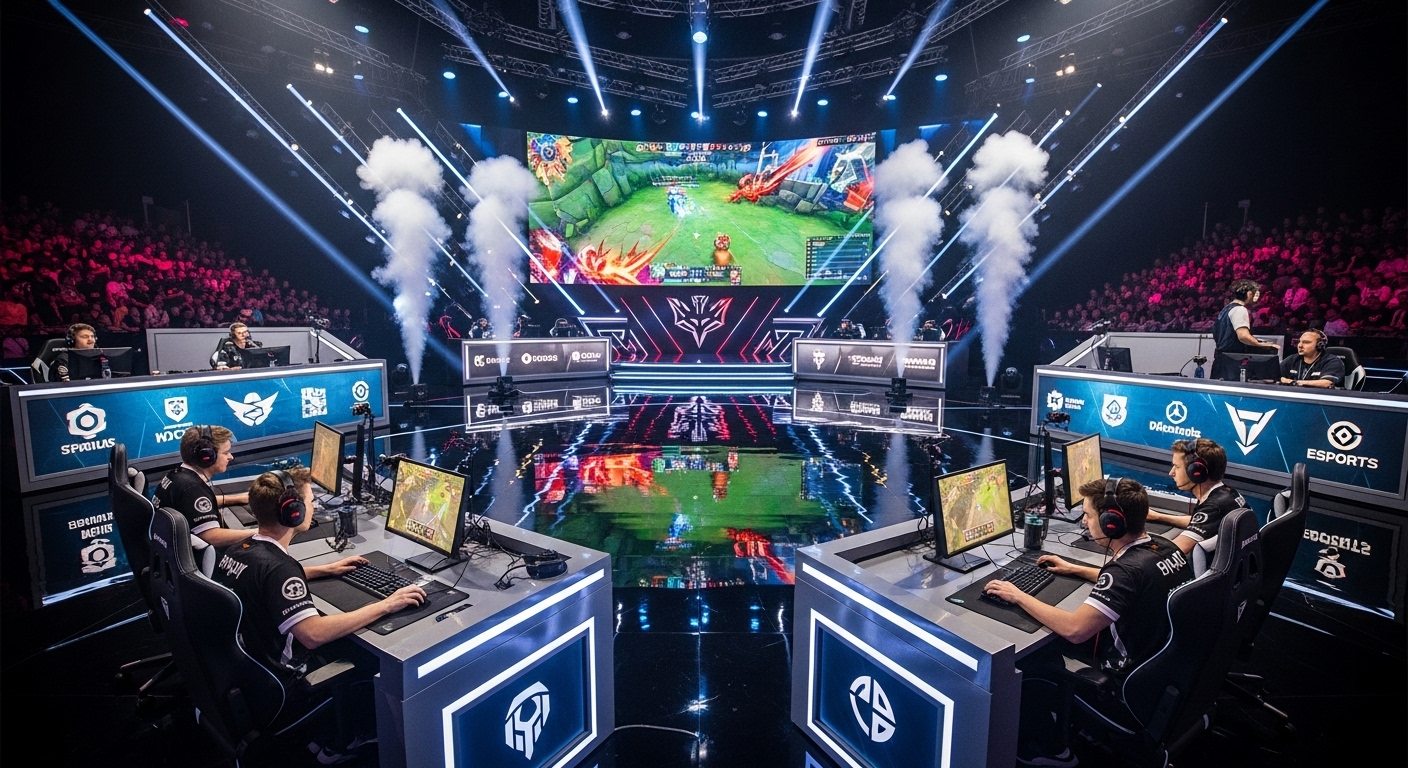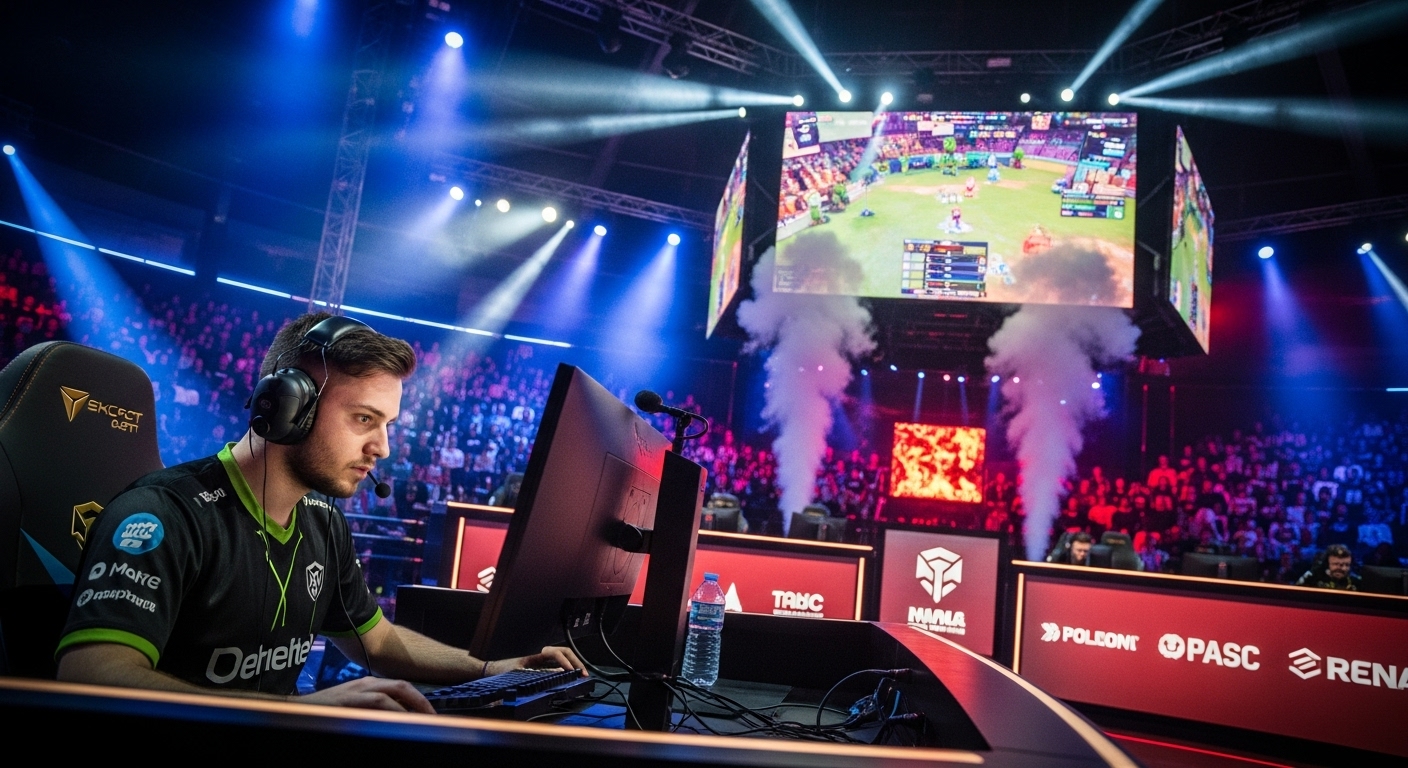






In the last few decades, the world of competitive gaming has evolved from a niche hobby to a global phenomenon. What started as small LAN parties and casual tournaments has transformed into an industry worth billions, with professional esports players, massive sponsorship deals, and packed arenas. Esports has rapidly become one of the most exciting sectors in the entertainment industry, challenging traditional sports for attention and viewership. In this blog post, we will dive into the rise of esports, explore its cultural impact, and examine where it’s headed in the future.
The Birth of Esports: From Arcade Games to Global Competitions
The roots of esports can be traced back to the early days of video gaming in the 1970s and 1980s. Competitive gaming began with arcade games like Pong and Space Invaders, where high scores were the ultimate mark of achievement. However, it wasn’t until the late 1990s that esports as we know it began to take form. Online gaming services like Battle.net and early multiplayer games like Quake and StarCraft allowed players from across the globe to compete against each other in real-time.
One of the first large-scale esports tournaments was held in 1997, when the Red Annihilation tournament for the game Quake attracted thousands of participants and a significant audience. It was during this time that the foundation of professional esports was set, with competitive events moving from small-scale gatherings to organized tournaments offering cash prizes and sponsorships.
The early 2000s saw a significant boost for esports, with games like Warcraft III, Counter-Strike, and StarCraft: Brood War taking the spotlight. This period marked the birth of major esports organizations and events like the Electronic Sports World Cup (ESWC) and the World Cyber Games (WCG), further cementing esports as a legitimate competitive arena.
Esports Today: A Multi-Billion Dollar Industry
Fast forward to today, and esports is no longer just a hobby for a select few. The esports industry has exploded, with professional teams, sponsors, and streaming platforms creating a complex ecosystem. Games like League of Legends, Dota 2, Fortnite, and Valorant are not only major titles but also multi-million-dollar franchises, attracting millions of viewers from around the globe.
The biggest events in esports rival traditional sports in terms of viewership. The League of Legends World Championship, for example, has surpassed viewership numbers for major sports finals like the Super Bowl, with millions of people tuning in online and attending live in-person events. The International, an annual tournament for Dota 2, has broken records with its massive prize pools, often in the tens of millions of dollars, funded by the community and game publishers.
In addition to the tournaments, esports players have emerged as global celebrities. Much like athletes in traditional sports, pro gamers have their own fanbases, endorsement deals, and social media followings. Esports stars like Faker (Lee Sang-hyeok), Ninja (Tyler Blevins), and Shroud (Michael Grzesiek) have become household names, transcending the world of gaming and becoming mainstream icons.
The Ecosystem of Esports: Teams, Sponsorships, and Streaming
The success of esports hinges on a multifaceted ecosystem that brings together teams, players, sponsors, media rights, and streaming platforms. Professional esports teams have become highly organized organizations, much like traditional sports teams. These teams recruit top talent, offer salaries, training, and access to top-tier resources, including coaches and analysts to help players improve their game.
Esports sponsorships have also played a crucial role in the industry’s growth. Big-name brands like Coca-Cola, Intel, and Nike are now heavily invested in esports, providing financial backing and endorsements for teams, events, and players. In return, these companies gain access to a massive, young, tech-savvy audience that is highly engaged and loyal.
The role of streaming platforms like Twitch and YouTube Gaming has also been essential in bringing esports into the mainstream. Streaming allows fans to watch live tournaments, interact with players, and engage with the community in real-time. Twitch, in particular, has become the go-to platform for esports content, with millions of viewers tuning in to watch not only professional tournaments but also casual play, commentary, and gaming discussions.
Esports and Its Cultural Impact: Beyond Gaming
Esports has grown beyond just being a form of entertainment. It is now an integral part of youth culture, especially among Gen Z and Millennials. For many young people, watching esports is just as exciting—if not more so—than traditional sports. Esports allows individuals to connect with like-minded people around the world, forming communities based on shared interests in gaming, competition, and strategy.
The popularity of esports has also led to an explosion of related industries, such as esports betting, merchandise sales, and gaming content creation. Platforms like YouTube and TikTok are filled with content creators who produce commentary, tutorials, and gaming highlights, further solidifying esports as a mainstay in digital culture.
Moreover, esports is making strides in education, with many universities offering scholarships for esports athletes. Schools now have esports teams, and some even offer degree programs dedicated to the business, management, and broadcasting of esports events. This marks a significant shift in how society perceives gaming, moving it from a pastime to a potential career path.
The Future of Esports: Growth, Regulation, and Mainstream Recognition
As esports continues to grow, the future looks bright, but there are several key factors that will shape its trajectory. First, the continued growth of esports viewership will likely push the industry toward even larger-scale events, including the possibility of esports being recognized as an Olympic sport. Many advocates argue that esports deserves a place at the Olympic Games, given its global appeal and growing audience.
However, with this rapid growth comes the need for regulation. Issues like cheating, match-fixing, and player burnout have been a concern in the esports world, just as they are in traditional sports. Esports organizations and governing bodies will need to implement strict rules and oversight to ensure that the competitive integrity of events remains intact.
Another aspect that will shape the future of esports is its increasing integration with virtual reality (VR) and augmented reality (AR). The advent of VR gaming may open up new frontiers for competitive gaming, creating immersive experiences for players and viewers alike. Esports could soon evolve into an entirely new dimension, blending physical movement, digital worlds, and live competitions in ways we can only imagine today.
Conclusion: Esports—A New Era of Competition
Esports has come a long way from its humble beginnings in arcades and local tournaments. Today, it stands as a multi-billion-dollar industry with millions of fans, professional players, and major sponsors. The digital age has created a new form of competition that transcends geography and unites people in ways that traditional sports never could.
As esports continues to evolve, it will not only change the way we think about competition but will also become a central aspect of global culture. Whether you’re a casual viewer or a die-hard fan, one thing is certain—esports is here to stay, and its future is only just beginning.