






Introduction
eSports, or competitive gaming, has transformed the gaming industry into a global spectacle. What began as casual video game competitions among friends has grown into professional tournaments watched by millions worldwide. From strategy games to fast-paced shooters, eSports is not only a form of entertainment but also a career path, a cultural phenomenon, and a hub for community engagement.
The Growth of eSports
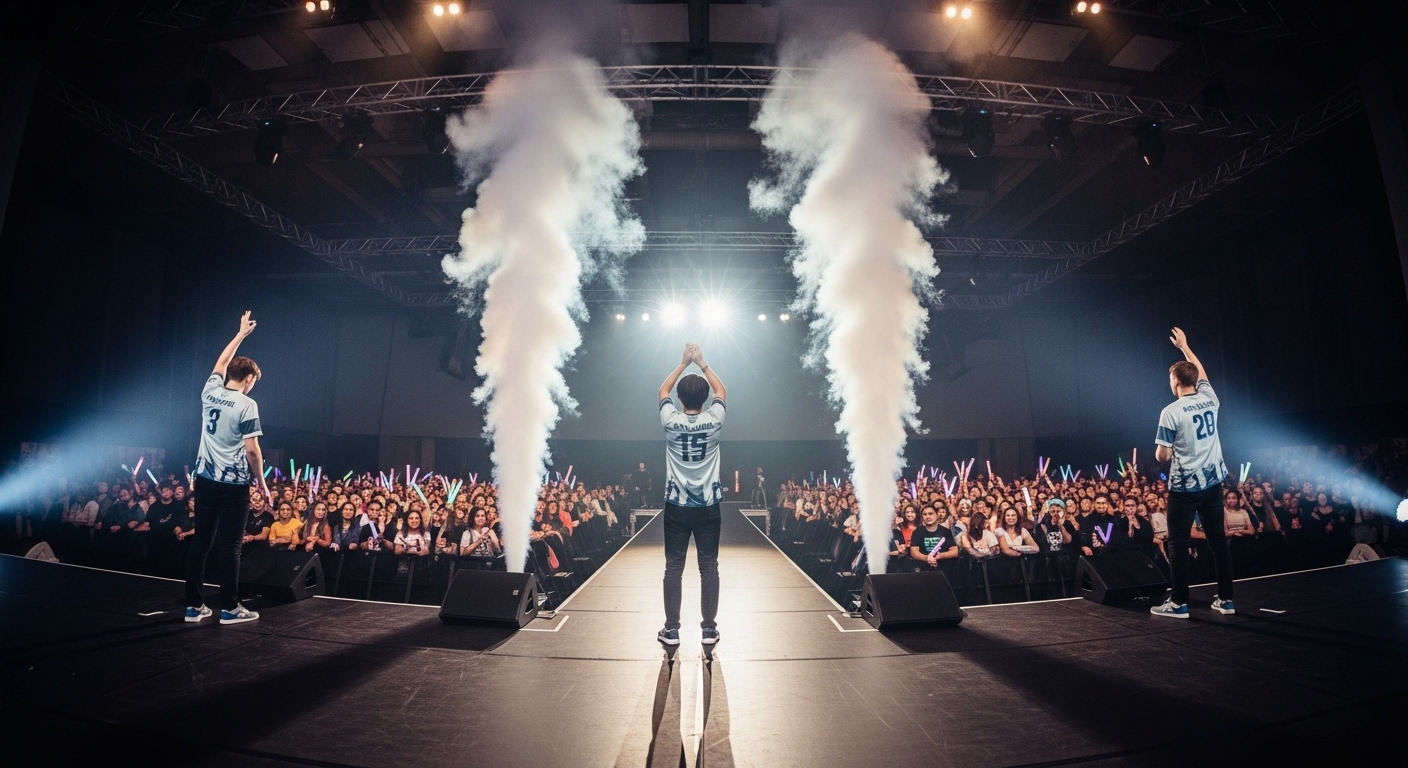
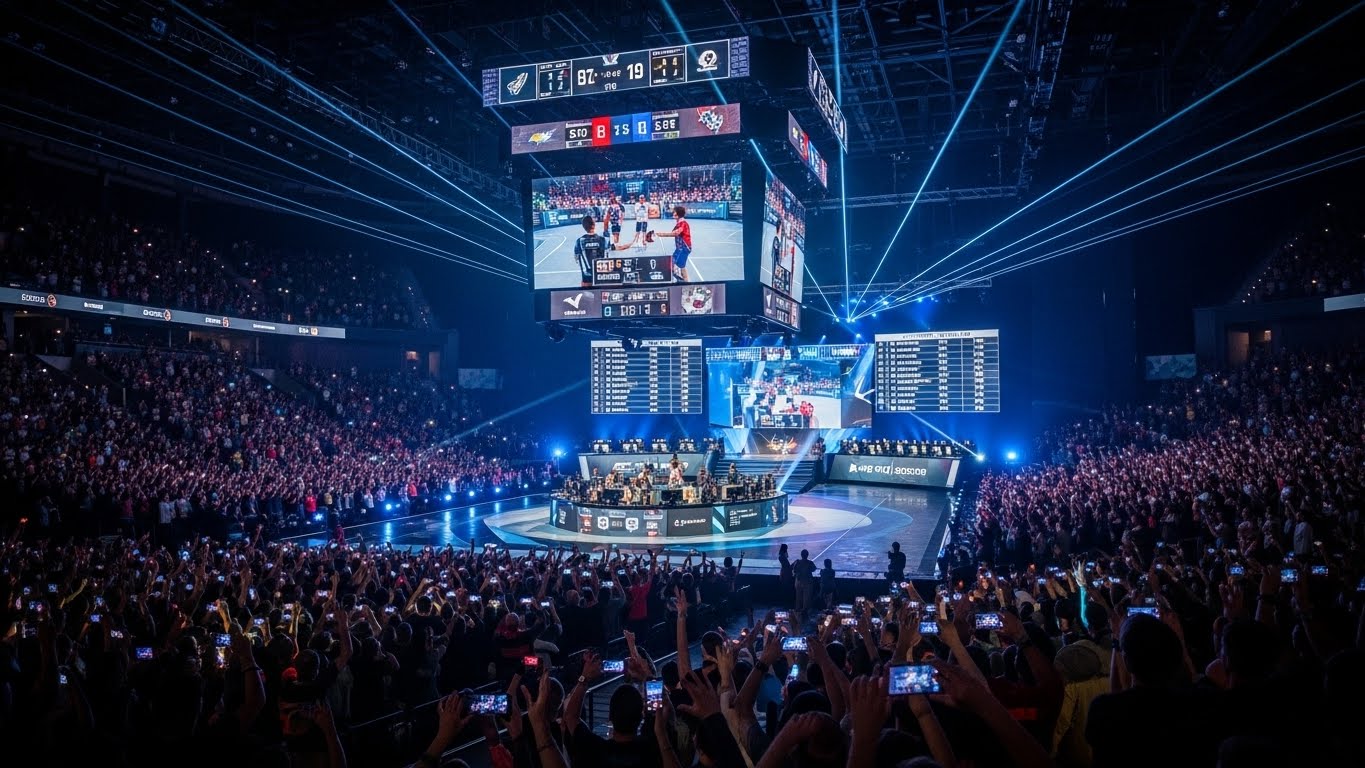
Over the last decade, eSports has evolved from niche online competitions to large-scale events with international recognition. Major tournaments now fill stadiums, attract sponsorships, and broadcast matches globally. The growth of high-speed internet, streaming platforms, and professional gaming organizations has fueled the rise of eSports, creating opportunities for players, commentators, and organizers alike.
Popular eSports Genres
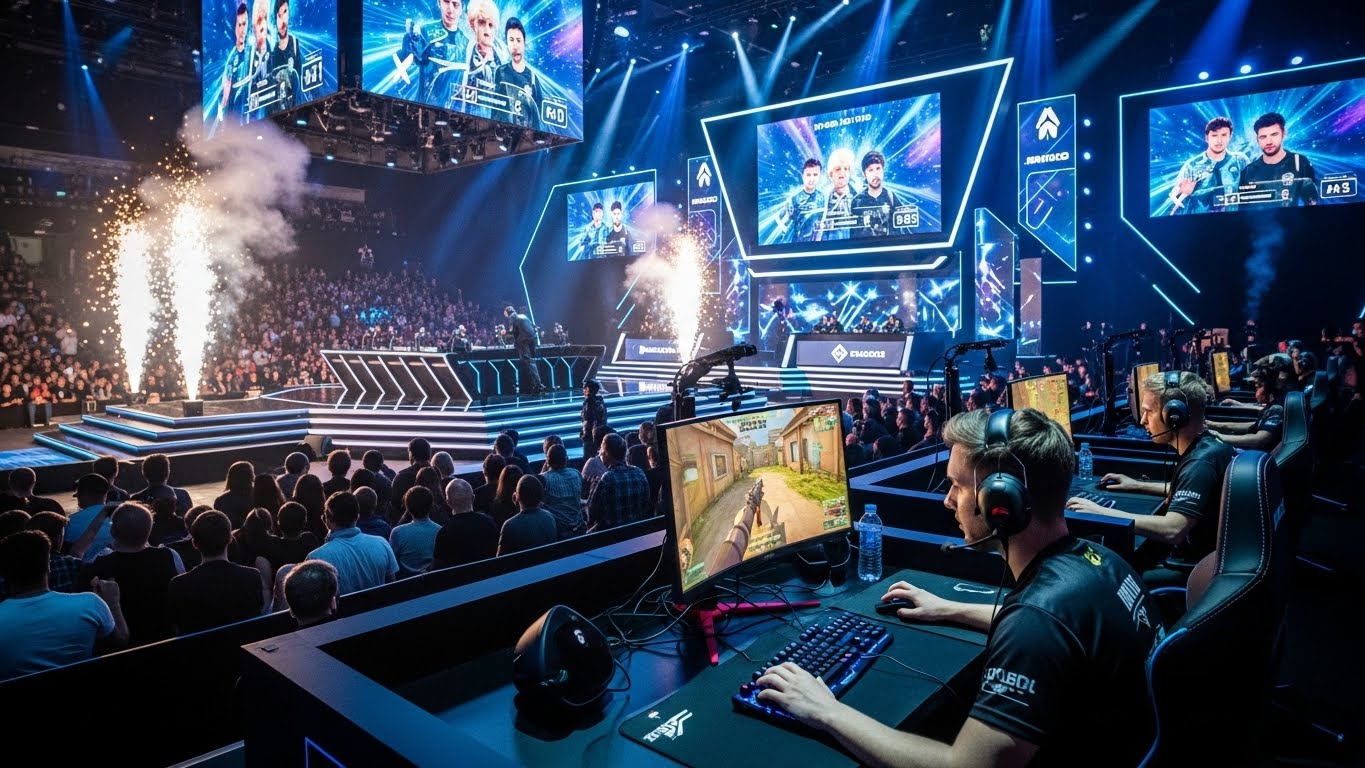
eSports encompasses a variety of game genres, each attracting unique audiences. Multiplayer online battle arenas (MOBAs) like League of Legends demand strategy and teamwork, while first-person shooters (FPS) such as Counter-Strike test reflexes and precision. Sports simulation games, card games, and battle royale formats also contribute to the competitive scene, offering diverse experiences for both players and spectators.
The Professional Player Experience
Professional eSports players train rigorously, often treating gaming like a full-time career. Practice schedules, strategy planning, and physical fitness are integral to maintaining competitive performance. Players compete in regional and international tournaments, representing teams or sponsors. The dedication and discipline required for eSports rival those of traditional sports, highlighting its legitimacy as a professional endeavor.
eSports and Community
eSports fosters vibrant communities that extend beyond the game itself. Fans engage through live streams, forums, and social media, sharing strategies, commentary, and enthusiasm. Tournaments bring together players and viewers, creating a sense of belonging and shared passion. The social aspect of eSports has turned gaming into a collaborative and interactive cultural experience.
Economic and Career Impact
The eSports industry has created numerous career opportunities beyond professional play. Streaming, coaching, event management, content creation, and marketing are just a few areas thriving in this ecosystem. Sponsorships, advertising, and merchandise have also turned eSports into a lucrative industry, generating millions in revenue and providing sustainable employment for those involved.
The Future of eSports
The future of eSports looks promising, with continued technological advancements and increasing mainstream recognition. Virtual reality, augmented reality, and AI-driven analytics are enhancing gameplay and audience engagement. Educational institutions are even offering programs for aspiring eSports professionals, solidifying competitive gaming as a credible career path.
Conclusion
eSports has transformed the perception of gaming from a casual pastime to a professional and cultural phenomenon. It combines skill, strategy, community, and entertainment, creating experiences that resonate globally. As technology evolves and interest grows, eSports will continue to redefine competition, entertainment, and the way people connect through gaming.