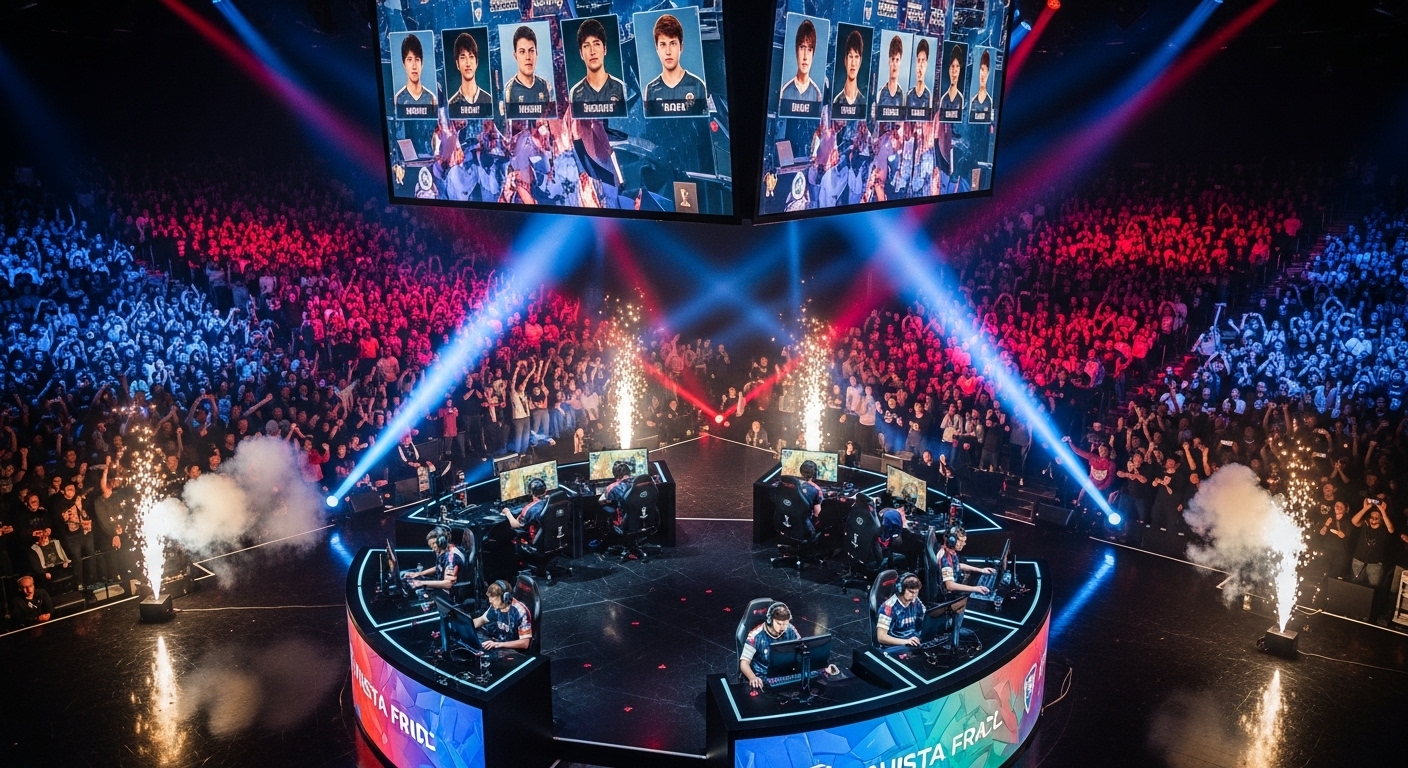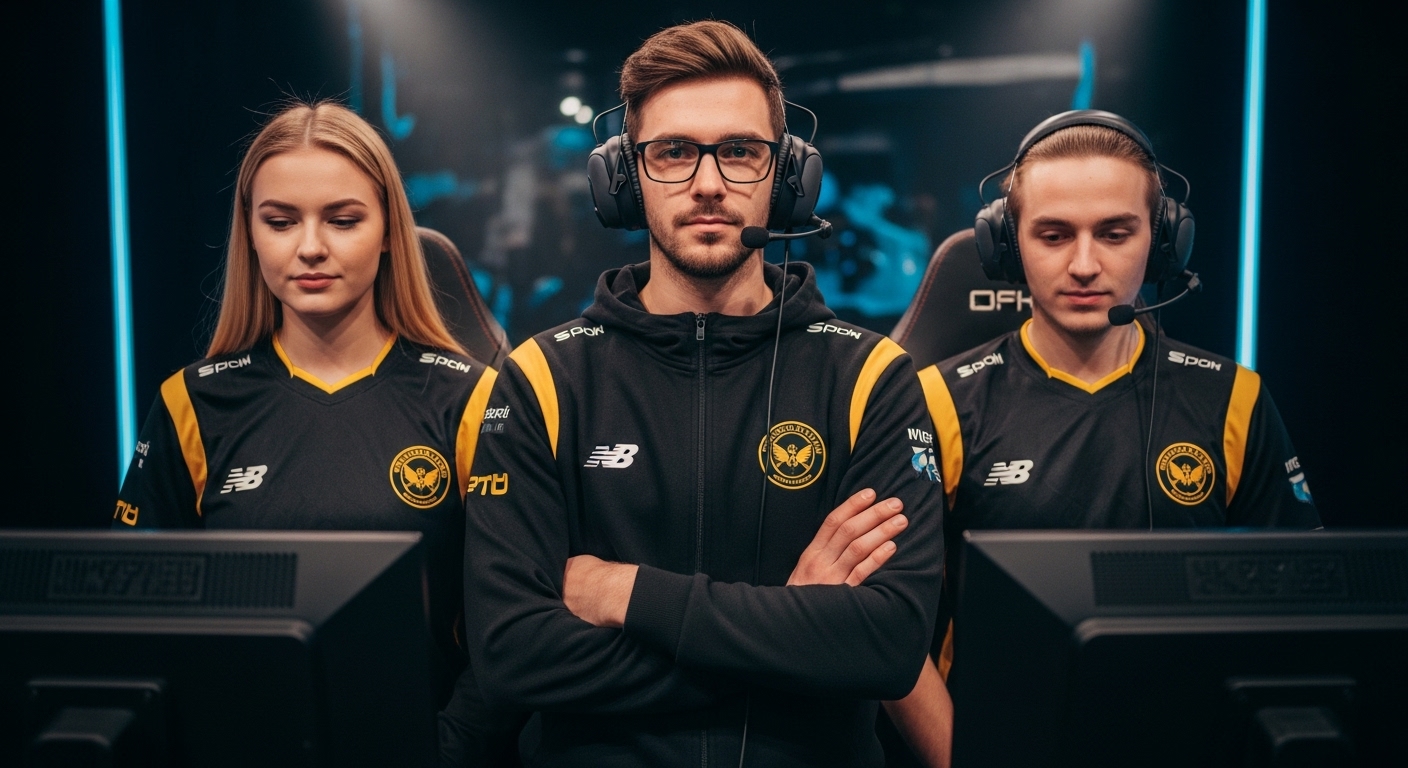





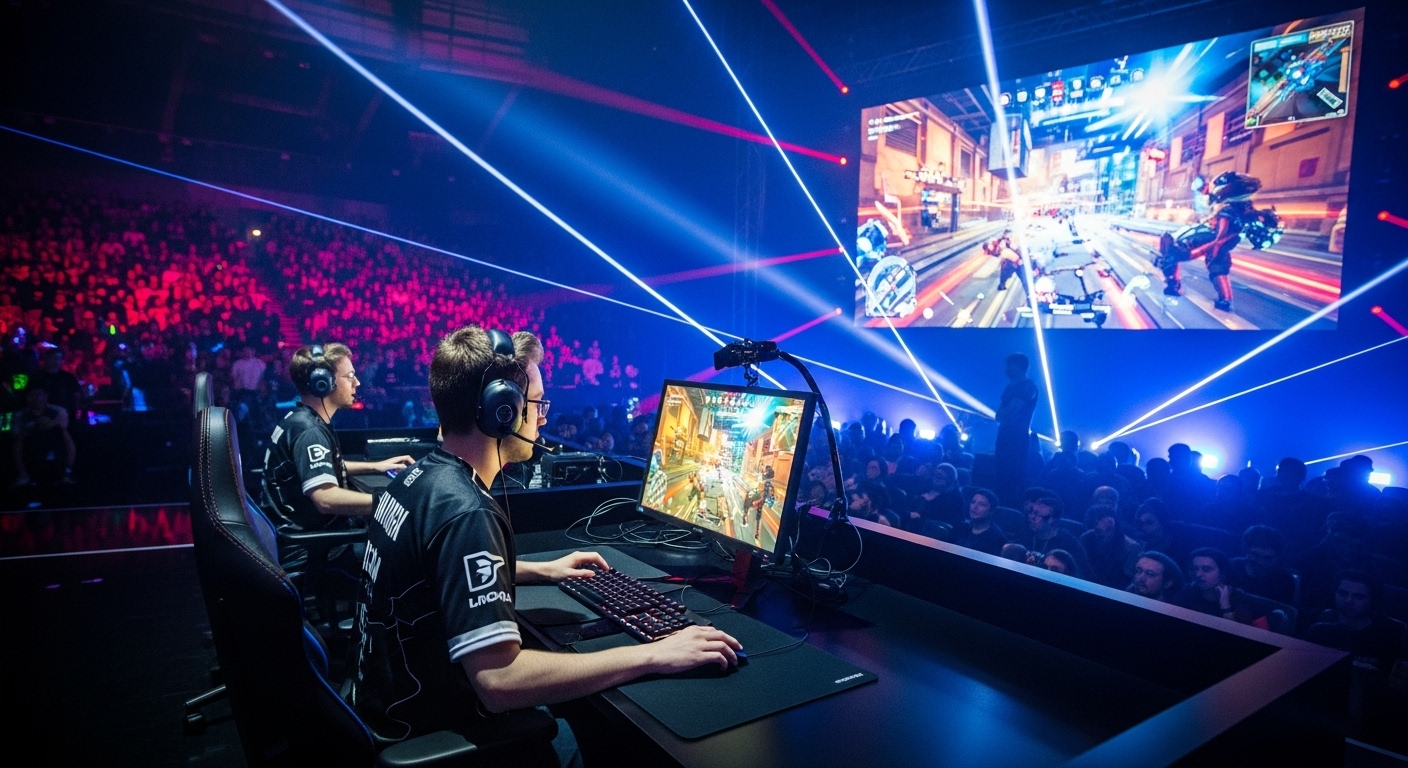
Esports has rapidly evolved from casual gaming into a highly competitive, professional industry watched by millions worldwide. While individual skill and strategy are often celebrated, one element consistently distinguishes the most successful teams from the rest: teamwork. In esports, no matter how talented a single player is, cohesive collaboration, communication, and synergy are essential to achieve victory.
This blog explores the critical role of teamwork in esports, the skills required to work effectively as a team, and how teamwork contributes to the growth of players, teams, and the industry as a whole.
Understanding Teamwork in Esports
Teamwork in esports is more than just playing together—it is the seamless coordination of multiple players, each performing specific roles, toward a shared goal. Whether in games like League of Legends, Dota 2, Overwatch, or CS:GO, team-based strategies and decision-making are vital to success.
Unlike solo competition, team-based esports requires players to synchronize their movements, share information, and make split-second decisions together. Individual brilliance may win small battles, but winning tournaments and achieving long-term success depends on how well the team functions as a single unit.
Communication: The Backbone of Successful Teams
One of the most important aspects of teamwork in esports is communication. Effective communication ensures that all players are aware of the current situation, anticipate opponent moves, and execute strategies efficiently.
Key Elements of Communication:
- Clear Callouts: Informing teammates about enemy positions, objectives, and potential threats.
- Strategy Coordination: Ensuring all team members understand and follow the agreed-upon game plan.
- Real-Time Adaptation: Reacting quickly to changes in the game, such as unexpected attacks or opportunities.
- Positive Reinforcement: Encouraging teammates and maintaining morale during challenging moments.
Teams that master communication gain a significant advantage, as even the most skilled players can falter without proper coordination.
Role Specialization and Synergy
In most esports titles, players have specific roles, each with unique responsibilities. Understanding and respecting these roles is a fundamental aspect of teamwork.
Examples of Role Specialization:
- In League of Legends, roles include Top Laner, Mid Laner, Jungler, AD Carry, and Support. Each player’s performance affects the team’s overall strategy.
- In Overwatch, roles like Tank, DPS (Damage per Second), and Support must work together to control objectives and secure victories.
- In CS:GO, players may specialize as Entry Fragger, Support, AWPer, or In-Game Leader, with each role complementing the others.
Successful teams develop synergy by combining individual strengths. When players understand each other’s playstyles and anticipate actions, the team functions more efficiently, creating a competitive edge over less coordinated opponents.
Trust and Dependability
Teamwork in esports also relies on trust. Each player must trust that their teammates will fulfill their roles, make smart decisions, and support the collective strategy. Trust fosters confidence and allows players to focus on their responsibilities without micromanaging or second-guessing others.
Building Trust:
- Consistency: Players who perform reliably in practice and competitions earn teammates’ confidence.
- Supportive Attitude: Encouraging teammates, sharing resources, and offering guidance when needed strengthens trust.
- Transparency: Open discussions about mistakes, strategies, and improvements build honesty and mutual respect.
Without trust, teams struggle with miscommunication, hesitation, and frustration—factors that can cost matches even when individual skill is high.
Conflict Resolution in Esports Teams
Even the most talented teams encounter disagreements. Differences in playstyle, strategy preferences, or personalities can create tension. How a team handles conflict often determines its long-term success.
Effective Conflict Resolution:
- Open Dialogue: Encourage team members to express opinions respectfully.
- Focus on Goals: Shift the discussion from personal differences to the shared objective of winning matches.
- Structured Practice: Address conflicts during training sessions rather than live matches to minimize disruptions.
- Team Leadership: Coaches or captains mediate disputes and guide the team toward constructive solutions.
Teams that handle conflict effectively maintain cohesion, improve performance, and develop resilience under pressure.
The Role of Coaching in Teamwork
Coaches play a crucial role in fostering teamwork in esports. They analyze gameplay, develop strategies, and help players improve both individually and collectively. Coaches also facilitate communication, role understanding, and conflict resolution.
How Coaches Enhance Teamwork:
- Strategic Planning: Create cohesive plans that leverage each player’s strengths.
- Performance Review: Provide constructive feedback to improve coordination and synergy.
- Mental Preparation: Train players to maintain focus, adapt under pressure, and support teammates emotionally.
A strong coaching staff can turn talented individuals into a world-class team by nurturing teamwork skills and ensuring alignment with organizational goals.
Teamwork Beyond the Game
Teamwork in esports extends beyond in-game coordination. Successful teams build relationships outside matches through practice sessions, team-building activities, and social interactions. These connections strengthen trust, communication, and morale, making players more effective during competition.
Benefits of Off-Game Teamwork:
- Stronger Bonding: Shared experiences foster mutual understanding and friendship.
- Improved Communication: Informal interactions enhance in-game coordination.
- Psychological Support: Teammates provide emotional encouragement during losses or slumps.
Teams that prioritize off-game relationships often outperform teams with purely technical skills but weaker interpersonal dynamics.
Examples of Teams Excelling in Teamwork
Some esports organizations are recognized globally for their exceptional teamwork and coordination:
- Team Liquid: Known for strategic adaptability and strong communication in games like Dota 2 and League of Legends.
- Fnatic: Renowned for synergy and consistency, excelling in multiple competitive titles.
- Astralis: Dominated CS:GO tournaments by emphasizing precise coordination, role specialization, and communication.
These teams demonstrate that teamwork can elevate performance beyond what individual skill alone can achieve, often becoming the decisive factor in championship victories.
The Impact of Teamwork on Esports Growth
Teamwork contributes to the growth of esports as an industry in multiple ways:
- Competitive Integrity: Well-coordinated teams create exciting, high-level gameplay that attracts fans.
- Fan Engagement: Teams with strong teamwork and camaraderie develop loyal fanbases.
- Sponsorship Opportunities: Brands prefer sponsoring teams that exhibit professionalism, cohesion, and a positive image.
- Player Development: Emphasizing teamwork improves player skills holistically, producing well-rounded professionals.
By highlighting the importance of teamwork, esports continues to evolve as a legitimate, respected, and globally recognized competitive sport.
Conclusion
While individual skill is important in esports, teamwork is the cornerstone of success. Effective communication, role specialization, trust, conflict resolution, and strong coaching create synergy that amplifies individual talent. Teams that master these elements consistently outperform others, achieve long-term success, and leave a lasting impact on the esports industry.
Teamwork in esports is not just about winning matches—it is about building relationships, fostering trust, and creating an environment where players can grow together. As esports continues to expand globally, the importance of teamwork will only become more pronounced, shaping the next generation of champions and the future of competitive gaming.