





Introduction: The Rise of a New Arena
Not long ago, competitive gaming was dismissed as a niche hobby enjoyed by a small group of enthusiasts in internet cafés and bedrooms. Today, esports stands as a global phenomenon that rivals traditional sports in viewership, cultural impact, and economic scale. Stadiums fill with fans cheering for digital athletes, millions watch live broadcasts from their homes, and professional players train with the intensity once reserved only for physical sports. Esports is no longer just about playing games; it is about competition, identity, community, and the future of entertainment.
Understanding Esports Beyond Gaming
Esports, short for electronic sports, refers to organized competitive video gaming at a professional or semi-professional level. Unlike casual gaming, esports is structured around leagues, tournaments, teams, and governing bodies. Players specialize in specific games and roles, mastering mechanics, strategy, and teamwork. Matches are officiated, statistics are analyzed, and outcomes can influence rankings and careers. What makes esports unique is its digital foundation, which allows competitions to transcend borders and bring together participants and audiences from every corner of the world.
A Brief History of Competitive Gaming
The roots of esports can be traced back to the early days of video games, when players competed for high scores in arcades. As technology advanced, local multiplayer competitions emerged, followed by online play that enabled global matchmaking. The late twentieth and early twenty-first centuries saw the rise of organized tournaments, professional teams, and sponsorships. Improvements in internet infrastructure and streaming technology transformed esports into a spectator sport, allowing fans to watch matches live and interact with players in real time. This evolution laid the groundwork for the massive industry esports has become today.
The Games That Built the Industry
Esports is not defined by a single game but by a diverse ecosystem of titles across genres. Strategy-based games reward tactical thinking and long-term planning, while first-person shooters emphasize reflexes, precision, and communication. Multiplayer online battle arenas focus on teamwork and adaptability, demanding players to make split-second decisions under pressure. Sports simulations bridge the gap between traditional athletics and digital competition, appealing to fans of both worlds. Each game contributes its own culture, fan base, and competitive structure, enriching the broader esports landscape.
The Professional Player’s Journey
Becoming a professional esports player requires far more than raw talent. Aspiring competitors often begin at a young age, spending countless hours refining their skills and understanding the intricacies of their chosen game. Training regimens can include mechanical drills, strategic analysis, team practice, and physical conditioning to maintain focus and health. Mental resilience is crucial, as players face intense pressure, public scrutiny, and the constant need to perform at their best. Success in esports often depends on adaptability, discipline, and a willingness to learn from both victories and defeats.
Teams, Organizations, and Infrastructure
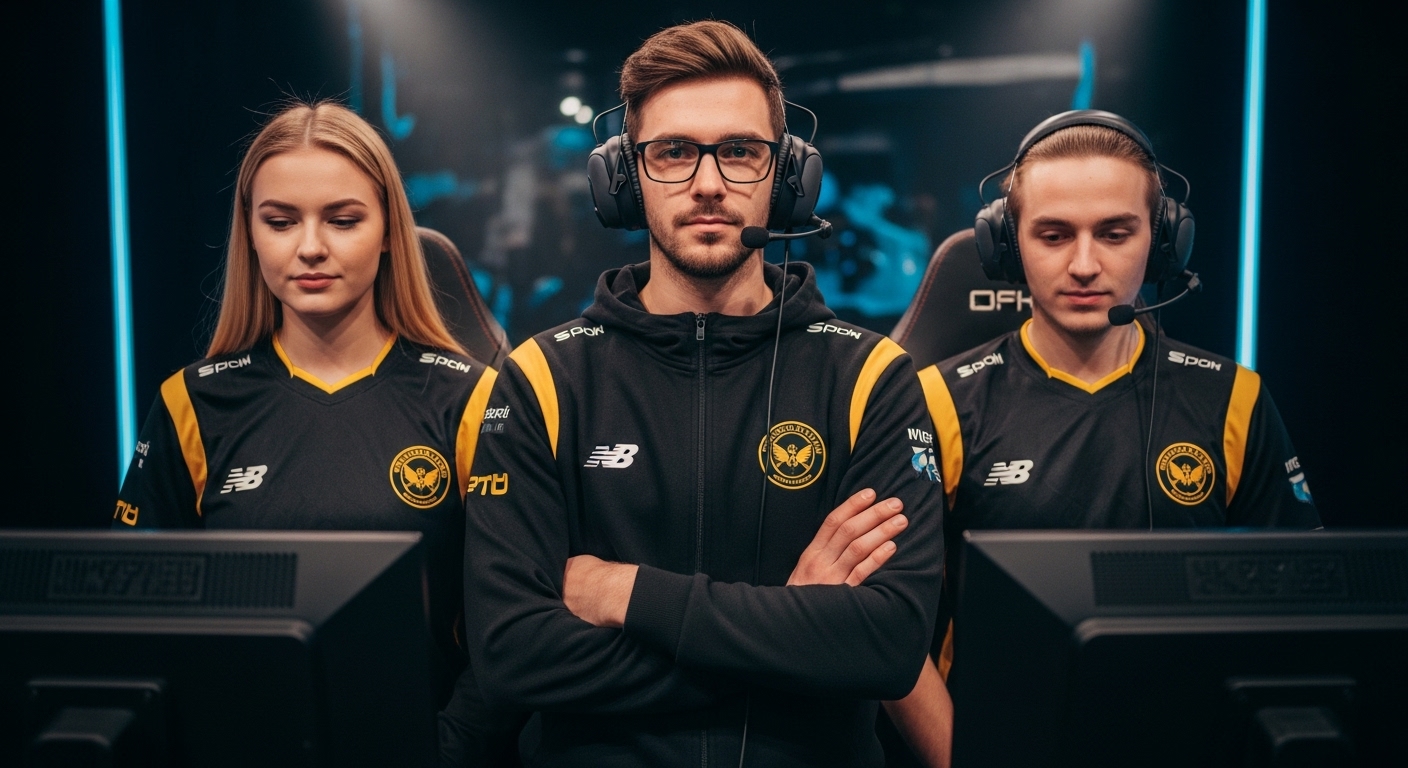
Behind every successful player stands a team and an organization that provides support and structure. Professional esports teams employ coaches, analysts, managers, and support staff who help players optimize performance. Organizations handle logistics, branding, sponsorships, and long-term planning, allowing players to focus on competition. Training facilities, sometimes referred to as gaming houses or performance centers, offer environments designed to foster teamwork and reduce distractions. This professional infrastructure mirrors that of traditional sports, reinforcing esports’ legitimacy as a competitive discipline.
The Role of Fans and Community
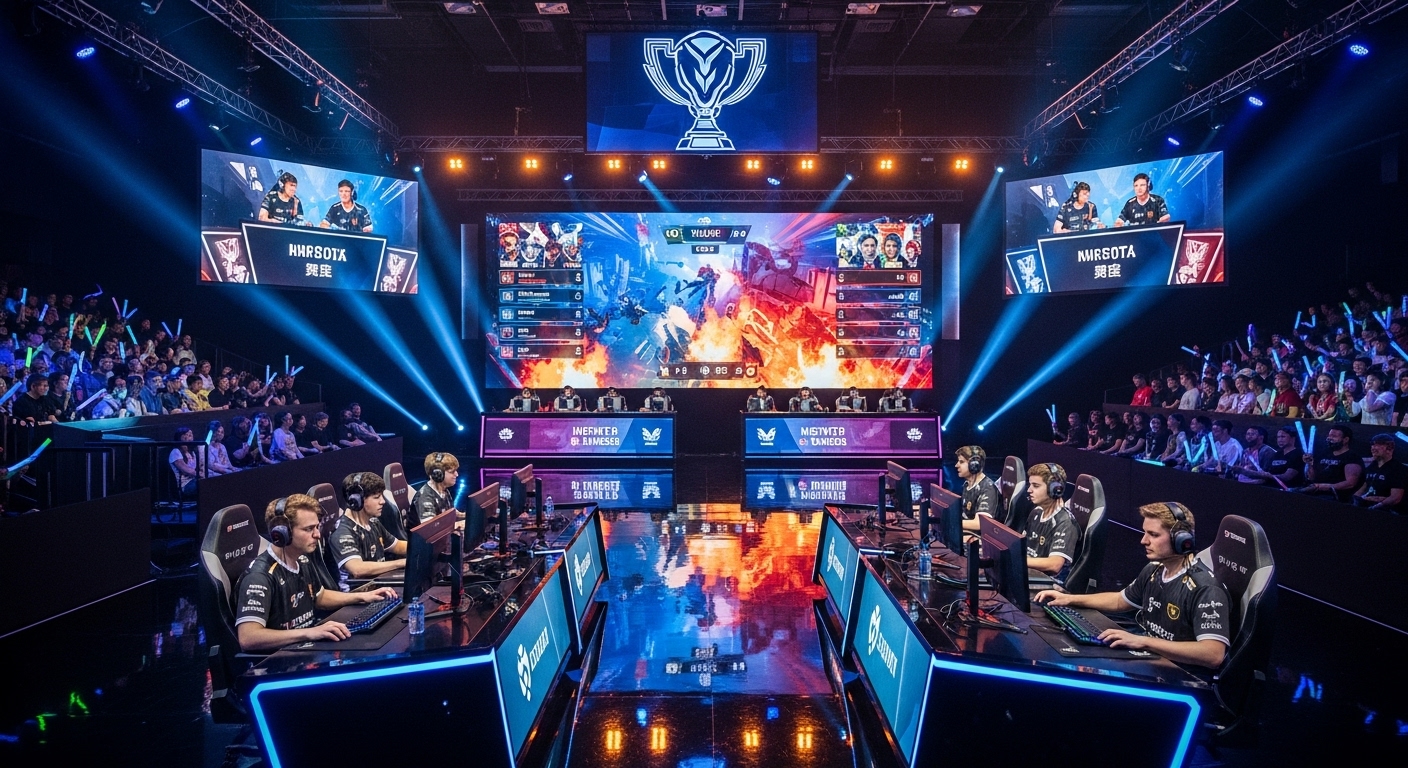
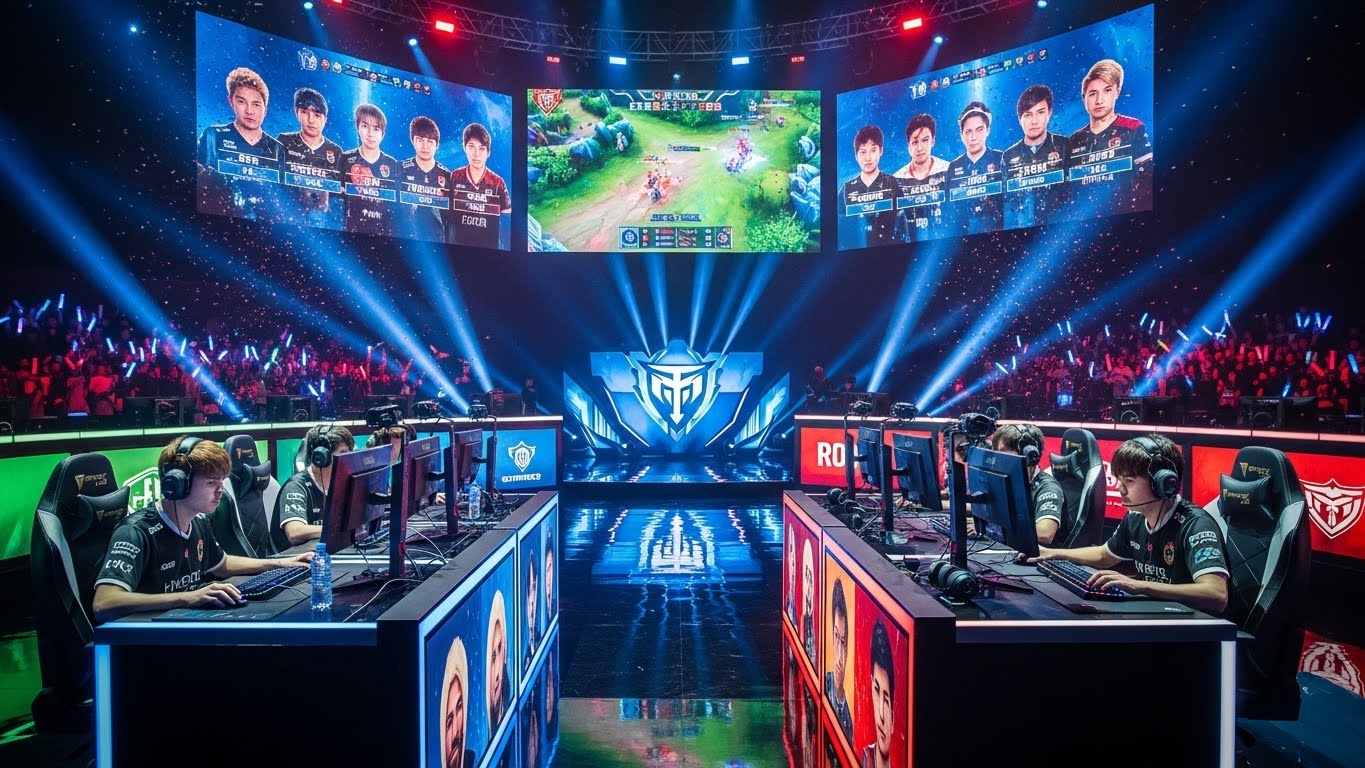
Esports thrives on its passionate and engaged community. Fans are not just spectators; they are active participants who contribute to the culture through discussions, fan art, and grassroots events. Live audiences bring energy and excitement to tournaments, while online viewers interact through chats and social platforms. This sense of connection between players and fans creates loyalty and shared identity. The accessibility of esports, where fans can play the same games they watch at a professional level, further strengthens this bond and fuels the industry’s growth.
Media, Broadcasting, and Storytelling
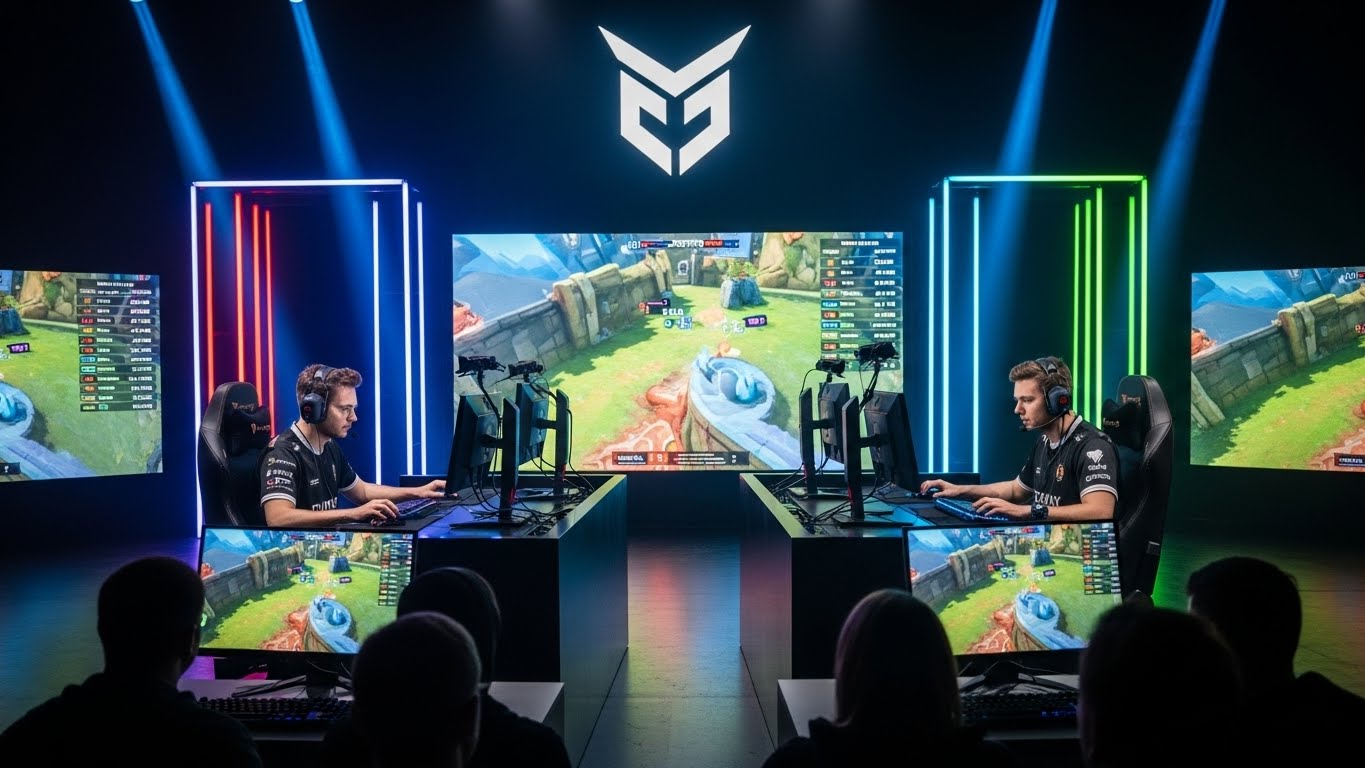
The way esports is presented to audiences plays a crucial role in its appeal. Professional broadcasts feature commentators, analysts, and production teams who transform matches into compelling narratives. Storylines develop around rivalries, underdog victories, and personal journeys, making competitions emotionally engaging. High-quality production values, including dynamic visuals and real-time statistics, enhance the viewing experience. As a result, esports broadcasts have become polished entertainment products that attract both dedicated fans and newcomers.
Economic Impact and Career Opportunities
Esports has evolved into a significant economic force, generating revenue through sponsorships, merchandise, ticket sales, and media rights. This growth has created a wide range of career opportunities beyond playing. Roles in event management, marketing, content creation, game development, and broadcasting are now integral to the industry. Educational institutions have begun offering programs related to esports management and production, recognizing its potential as a sustainable career path. The industry’s expansion continues to open doors for individuals with diverse skills and interests.
Esports and Traditional Sports: A Shared Future
Rather than competing with traditional sports, esports increasingly complements them. Many sports organizations have invested in esports teams or leagues, recognizing the opportunity to engage younger audiences. Athletes from traditional sports have also shown interest in competitive gaming, blurring the lines between physical and digital competition. Both fields share values such as teamwork, discipline, and competitive spirit. This convergence suggests a future where esports and traditional sports coexist, learn from each other, and collaborate in innovative ways.
Challenges Facing the Esports Industry
Despite its success, esports faces several challenges that must be addressed for long-term sustainability. Issues such as player burnout, inconsistent regulations, and concerns about fair play require careful management. The rapid pace of change in games and technology can make it difficult for organizations to maintain stability. Additionally, ensuring inclusivity and diversity within the community remains an ongoing effort. Addressing these challenges will be essential for esports to mature and maintain its credibility on the global stage.
The Cultural Significance of Esports
Beyond competition and commerce, esports has become a cultural movement that reflects broader changes in how people interact with technology and entertainment. It challenges traditional notions of sports and athleticism, expanding the definition to include mental agility and digital skill. Esports also provides a platform for global interaction, where language and geography are less significant barriers. In doing so, it fosters cross-cultural understanding and shared experiences in a digital world.
The Future of Esports
Looking ahead, the future of esports appears both dynamic and promising. Advances in technology will continue to shape how games are played and watched, potentially introducing new forms of interaction and immersion. As the industry matures, governance and professional standards are likely to improve, providing greater stability for players and organizations. With its ability to adapt and innovate, esports is well positioned to remain a central part of global entertainment for years to come.
Conclusion: A Digital Revolution in Competition
Esports has transformed from a pastime into a powerful industry that redefines competition in the modern era. It blends technology, entertainment, and human ambition into a form of sport uniquely suited to the digital age. Through its players, fans, and communities, esports continues to grow and evolve, challenging perceptions and creating new opportunities. As pixels become powerhouses, esports stands as a testament to how passion and innovation can reshape the world of competition.