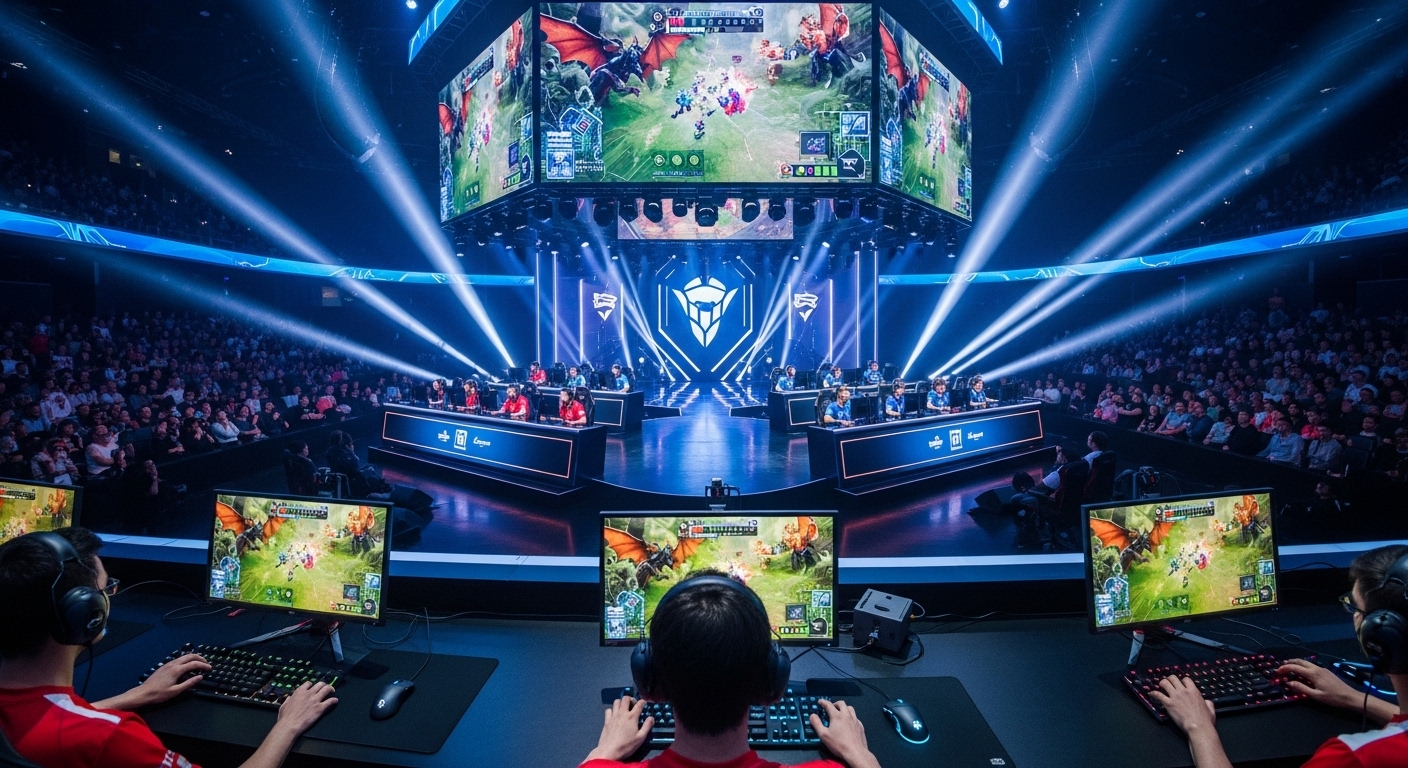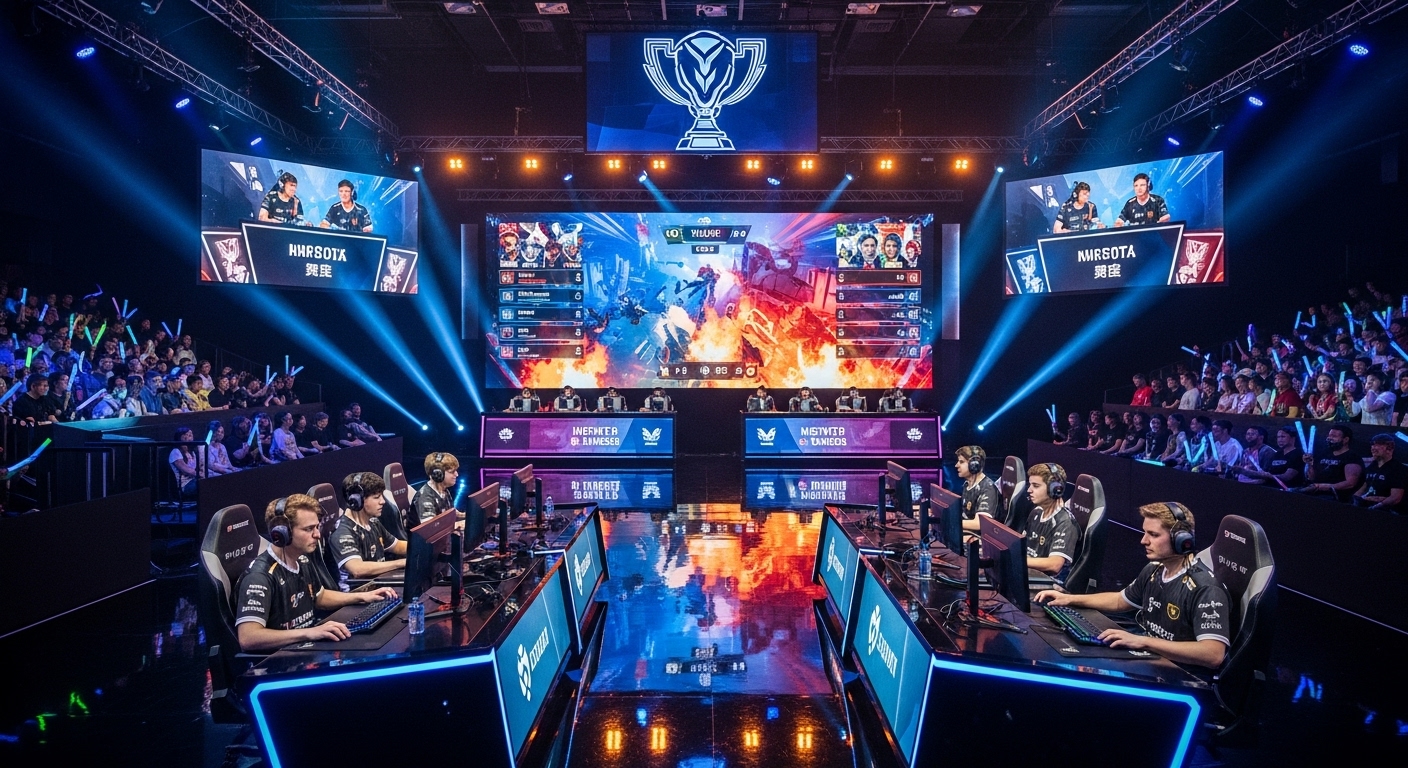






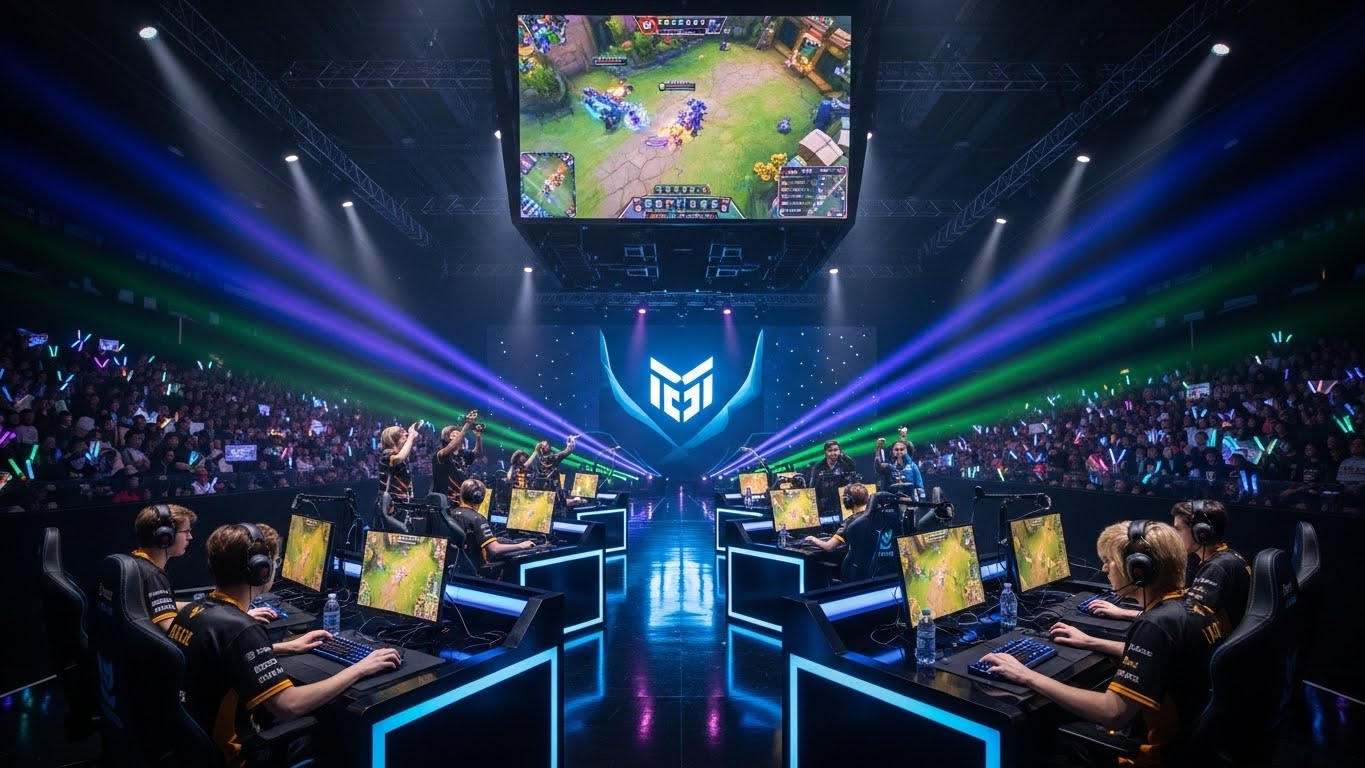
Esports, also known as competitive video gaming, has grown from a niche pastime into a global entertainment phenomenon. What was once considered a hobby for gamers is now a professional industry with millions of fans, international tournaments, and substantial economic impact. Esports combines strategy, reflexes, teamwork, and entertainment, creating a unique cultural experience. This blog explores the rise of esports, its cultural and economic impact, technological innovations, benefits, challenges, and what the future holds for this dynamic industry.
The Origins of Esports
The history of esports dates back several decades. In the 1970s and 1980s, early video games such as Pong, Space Invaders, and Pac-Man introduced the concept of competitive gaming. Players competed for high scores at arcades and local tournaments, setting the foundation for organized competition. However, esports truly began to take shape in the late 1990s and early 2000s with the rise of multiplayer online games such as StarCraft, Counter-Strike, and Warcraft III. These games allowed players to compete over the internet, giving birth to online tournaments and professional gaming communities.
The real turning point for esports came with the growth of streaming platforms. Gamers could broadcast their matches live, attracting audiences from around the world. This shift transformed esports from a niche hobby into a global industry, establishing competitive gaming as a mainstream form of entertainment.
The Global Popularity of Esports
Esports has become a worldwide phenomenon, appealing to millions of fans across continents. Titles like League of Legends, Dota 2, Fortnite, and Call of Duty have millions of active players and fans who follow tournaments, live streams, and esports leagues. International competitions attract huge audiences, rivaling traditional sports events in terms of viewership and engagement.
What sets esports apart is its accessibility. Unlike traditional sports that may require physical strength or specialized facilities, esports emphasizes strategy, coordination, and reflexes, making it accessible to a wider range of people. Fans can participate actively through online play, streaming, and discussions, creating a highly interactive community.
Cultural Impact of Esports
Esports has significantly influenced modern culture. It has created new forms of entertainment, social interaction, and fan engagement. Players and teams have become cultural icons, inspiring communities around the world. Streaming platforms, social media, and content creators have amplified esports’ cultural reach, making it more than just a form of competition—it is a lifestyle.
Esports also fosters inclusion and diversity. Gamers from different backgrounds, genders, and abilities can compete and succeed. This inclusivity is a major factor in its global appeal, as it allows people who may not participate in traditional sports to engage in competition and community building.
Economic Significance of Esports
The economic impact of esports is substantial. The industry generates revenue through tournament prize pools, sponsorships, merchandise, ticket sales, and broadcasting rights. Major international tournaments offer prize money worth millions of dollars, attracting top talent and generating significant global interest.
Professional esports players are now recognized as legitimate athletes, earning salaries, endorsements, and sponsorship deals. The industry also creates employment opportunities in event management, game development, coaching, marketing, and broadcasting. Cities hosting esports events benefit from tourism, local business growth, and media exposure. The growth of esports demonstrates how digital entertainment can become a thriving economic ecosystem.
Technology and Innovation in Esports
Technology is at the heart of esports. Competitive gaming relies on high-performance computers, gaming peripherals, fast internet connections, and software that supports real-time multiplayer interaction. Beyond hardware, analytics and artificial intelligence play a growing role in player performance, coaching, and strategy development.
Streaming technology has revolutionized fan engagement. Viewers can watch live matches, interact with players, and access on-demand content. Virtual reality and augmented reality are beginning to create more immersive experiences, while advanced camera technology allows audiences to experience games from multiple perspectives. These innovations make esports a highly engaging and interactive form of entertainment.
Psychological and Cognitive Benefits
Esports is not just entertainment; it provides significant cognitive and psychological benefits. Competitive gaming demands quick decision-making, strategic planning, and multitasking. Players develop problem-solving skills, memory retention, and spatial awareness, all of which have applications beyond gaming.
Participation in esports also promotes social interaction and teamwork. Players communicate and coordinate with teammates under high-pressure conditions, enhancing communication skills and emotional intelligence. Achieving milestones and performing well in competitions fosters confidence, resilience, and discipline. These benefits demonstrate that esports contributes positively to mental and personal development.
Education and Esports
Esports is increasingly recognized in educational contexts. Universities and colleges now offer esports scholarships, establish teams, and integrate gaming-related programs into their curricula. These initiatives highlight the strategic thinking, discipline, and collaboration skills developed through competitive gaming.
Beyond formal education, esports encourages continuous learning. Players study game mechanics, analyze strategies, and learn from professional competitions. These skills—critical thinking, adaptability, and teamwork—are transferable to careers in technology, media, and creative industries.
Challenges Facing Esports
Despite its rapid growth, esports faces several challenges. Mental health is a significant concern. Long practice hours, intense competition, and public scrutiny can lead to stress, burnout, and anxiety. Support systems and wellness initiatives are essential to protect players’ well-being.
Regulation is another challenge. Unlike traditional sports, esports lacks a universal governing body, leading to inconsistent rules, cheating, and disputes in competitions. Ethical concerns, including exploitation of players and unhealthy gaming practices, must also be addressed. Additionally, the environmental impact of large-scale tournaments, such as energy consumption and electronic waste, requires attention as the industry grows.
The Future of Esports
The future of esports is bright and dynamic. Emerging technologies, such as virtual reality, augmented reality, and artificial intelligence, will create more immersive experiences for players and audiences. Esports is likely to expand into new genres, platforms, and international markets, reaching a broader and more diverse audience.
Integration with mainstream media and traditional sports will further enhance its visibility and cultural significance. Celebrities, athletes, and brands are increasingly collaborating with esports platforms, blending entertainment, marketing, and sports in new ways.
Inclusivity and social responsibility will shape the industry’s evolution. Promoting diversity, gender equality, and accessibility will broaden participation, while mental health support, ethical governance, and sustainable practices will ensure responsible growth.
Conclusion
Esports is more than a digital pastime; it is a cultural, economic, and technological revolution. From local competitions to global tournaments, esports combines skill, strategy, and entertainment in ways that traditional sports cannot replicate. It offers personal growth, social engagement, and economic opportunities, demonstrating its transformative power in modern society.
As esports continues to evolve, it will break new boundaries, attract wider audiences, and inspire future generations. Whether as a player, spectator, or professional, engaging in esports provides an opportunity to experience the convergence of technology, competition, and community. In a world increasingly defined by digital interaction, esports represents the future of entertainment, showing how games can unite, challenge, and inspire people around the globe.