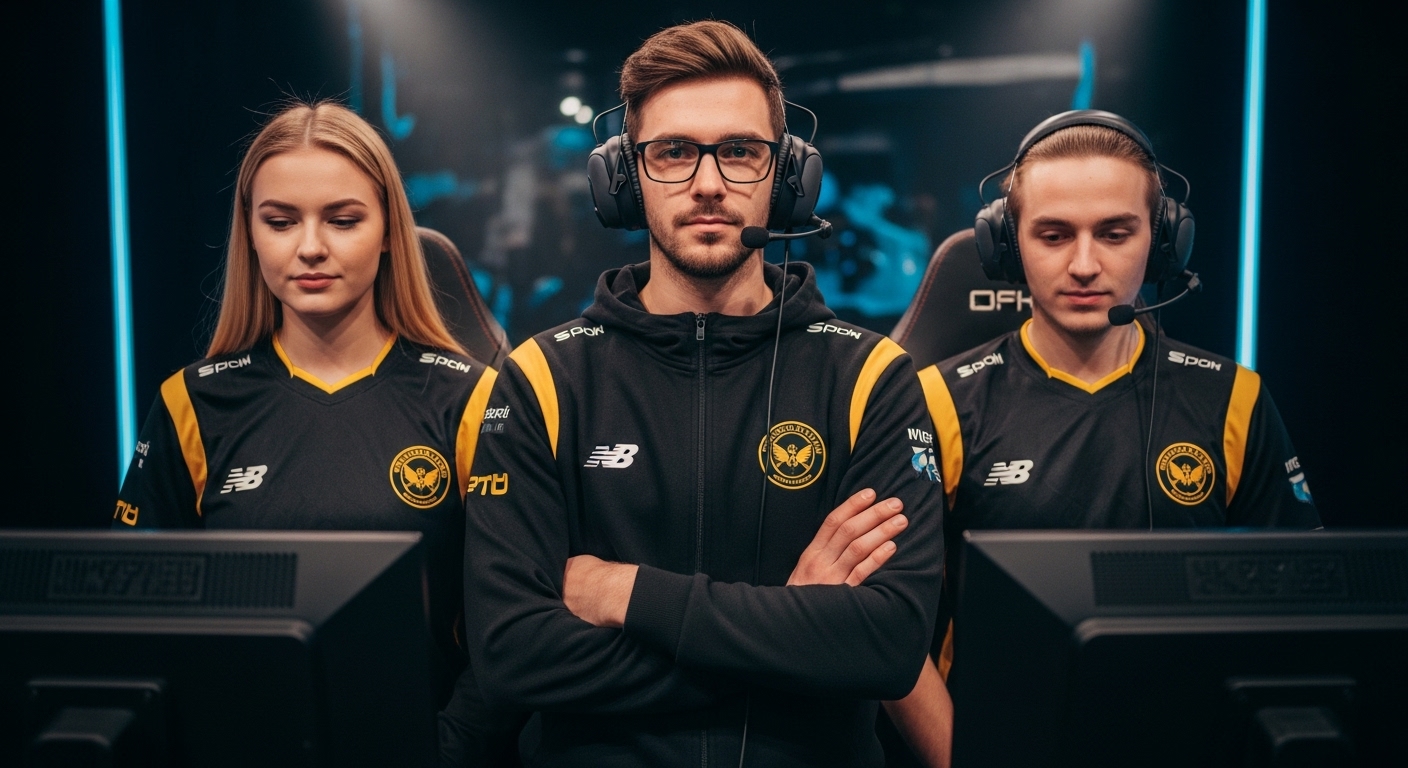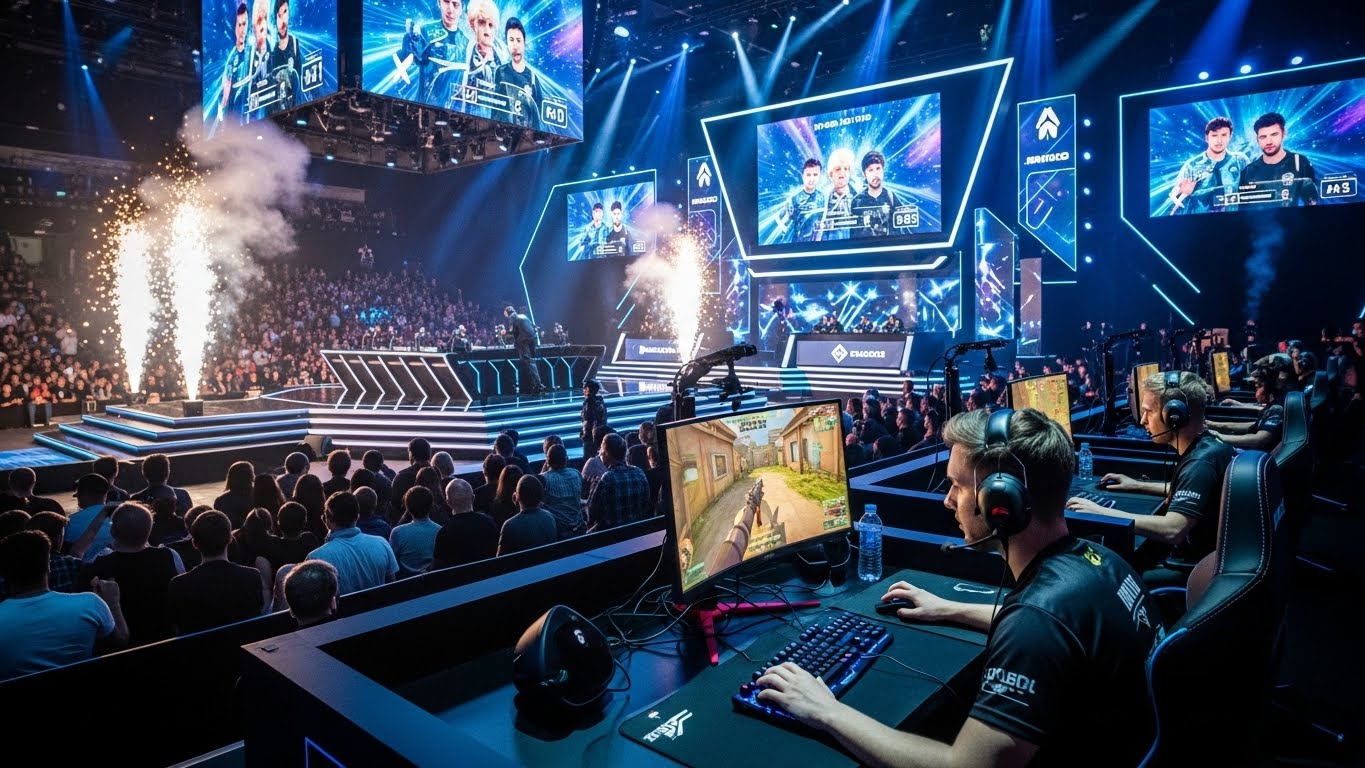






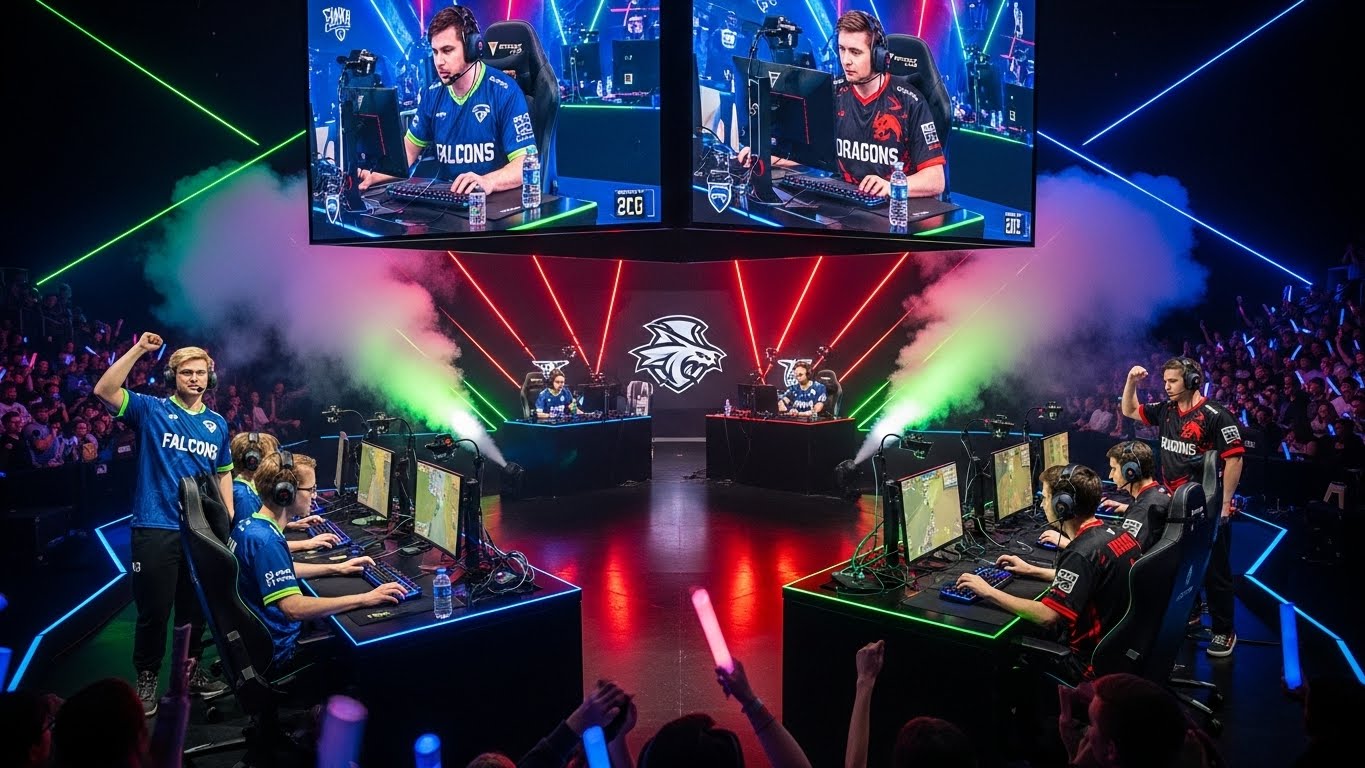
Esports, or competitive gaming, has emerged as a global phenomenon, transforming the way people perceive sports, entertainment, and technology. What was once considered a niche hobby has evolved into a multi-billion-dollar industry, attracting millions of players, fans, and sponsors worldwide. From casual online matches to high-stakes international tournaments, esports combines strategy, skill, and entertainment in ways traditional sports could not have imagined decades ago. In this article, we explore the world of esports, examining its rise, impact on culture, economic significance, technological advancements, and the challenges and opportunities that lie ahead.
The Rise of Esports: From Basement Gamers to Global Tournaments
The roots of esports can be traced back to the 1970s and 1980s, when early arcade competitions and home console tournaments started gaining popularity. Games like Space Invaders and Pac-Man laid the groundwork for competitive gaming, but it was not until the advent of multiplayer online games in the late 1990s and early 2000s that esports began to take a recognizable form. Titles such as StarCraft, Counter-Strike, and Warcraft III became pioneers in competitive gaming, spawning local tournaments and online leagues.
The real turning point for esports came with the widespread availability of high-speed internet and streaming platforms. Players could now compete globally, and audiences could watch live matches in real time. Platforms dedicated to gaming content allowed fans to follow their favorite players and teams, creating a sense of community and fandom that mirrors traditional sports. Today, esports tournaments draw massive audiences, rivaling some of the world’s most-watched sporting events, and professional players enjoy fame and recognition comparable to traditional athletes.
The Cultural Impact of Esports
Esports has reshaped entertainment and social culture. It provides a platform where individuals of different ages, genders, and backgrounds can engage in competition, collaboration, and community building. Unlike traditional sports, which often require physical prowess, esports is more accessible, emphasizing mental agility, strategy, and reflexes. This inclusivity has allowed esports to flourish in regions where conventional sports may not dominate, giving rise to new cultural icons and fanbases.
Streaming platforms and content creators have also transformed esports into a lifestyle. Fans do not just watch games; they interact with players, discuss strategies, and participate in community events. This level of engagement has led to the development of esports communities that are socially vibrant and culturally influential, shaping trends in fashion, language, and entertainment. The cultural significance of esports is evident in how mainstream media, brands, and educational institutions now recognize it as a legitimate and influential activity.
The Economics of Esports: A Multi-Billion-Dollar Industry
Esports has grown into a global economic powerhouse. Revenue streams include sponsorships, advertising, merchandise sales, ticket sales for live events, and broadcasting rights. Leading companies invest heavily in teams, tournaments, and content creation, reflecting the massive commercial potential of competitive gaming. Professional players can earn substantial incomes through salaries, endorsements, and prize money, while organizations invest in infrastructure to nurture talent and sustain competitive excellence.
International tournaments like The International, League of Legends World Championship, and EVO attract millions of viewers and generate tens of millions of dollars in prize pools. This economic ecosystem is not limited to players alone; it includes game developers, event organizers, broadcasters, marketing agencies, and content creators. The rapid monetization of esports demonstrates how digital entertainment can create thriving industries, providing employment opportunities and reshaping traditional business models in sports and media.
Technology and Innovation in Esports
Esports is inherently tied to technology, both in gameplay and audience experience. High-performance gaming computers, specialized peripherals, and reliable internet connections are critical for competitive success. Beyond hardware, software innovations like artificial intelligence and analytics are increasingly used to enhance player performance, develop strategies, and optimize training routines. Data-driven insights allow players and coaches to analyze opponents, identify patterns, and improve decision-making in high-pressure scenarios.
Streaming and broadcasting technology have also revolutionized fan engagement. Platforms that allow live streaming, chat interaction, and on-demand content provide viewers with immersive experiences. Augmented reality, virtual reality, and advanced camera angles bring audiences closer to the action, blurring the lines between physical and digital spectatorship. Esports exemplifies how technology can transform traditional entertainment, offering interactive and personalized experiences at an unprecedented scale.
Psychological and Cognitive Benefits of Esports
Contrary to common misconceptions, esports is not just a passive or recreational activity; it demands intense mental focus, quick decision-making, and strategic thinking. Players must analyze complex scenarios, adapt to rapidly changing conditions, and coordinate effectively with teammates, developing skills that have applications beyond gaming. Research suggests that competitive gaming can improve cognitive abilities such as problem-solving, multitasking, memory retention, and spatial awareness.
Moreover, esports provides social and psychological benefits. Players often form strong communities and support networks, enhancing social connections and teamwork. Participating in tournaments, achieving milestones, and mastering game mechanics fosters self-confidence, resilience, and goal-setting skills. Esports challenges the stereotype of gaming as a purely sedentary activity, highlighting its potential to enhance mental acuity and personal development.
Education and Esports: The Emerging Academic Connection
Educational institutions are increasingly recognizing esports as a viable avenue for student engagement and skill development. Many universities and colleges now offer scholarships for esports athletes, provide esports clubs, and even integrate competitive gaming into curricula focused on game design, technology, and digital media. These initiatives acknowledge the discipline, teamwork, and strategic thinking required in esports, treating it as a legitimate field of study and professional pursuit.
Beyond formal education, esports also encourages lifelong learning. Players study game mechanics, watch tutorials, analyze professional matches, and develop communication skills. This blend of informal and formal learning contributes to personal growth and prepares participants for diverse careers in gaming, technology, and creative industries.
Challenges in the Esports Ecosystem
Despite its rapid growth, esports faces several challenges. Mental health concerns are prevalent among professional players due to long hours, performance pressure, and the competitive nature of the industry. Burnout, anxiety, and stress are common, necessitating support systems and wellness programs for players.
Another challenge is regulation. Unlike traditional sports with established governing bodies, esports lacks uniform oversight, leading to issues such as cheating, unfair competition, and inconsistent rules across tournaments. Ethical concerns, including player exploitation and unhealthy gaming practices, must be addressed to ensure sustainable growth. Additionally, the environmental impact of large-scale gaming events, from energy consumption to electronic waste, is becoming an increasingly important consideration for the industry.
The Future of Esports
The future of esports is poised for continued growth and innovation. Advances in technology, including virtual reality, augmented reality, and artificial intelligence, will further transform the gaming experience, making it more immersive, interactive, and accessible. Esports is likely to expand into new genres, platforms, and global markets, attracting diverse audiences and participants.
Furthermore, the integration of esports with mainstream media, traditional sports, and entertainment is creating hybrid experiences. Celebrities, professional athletes, and brands are collaborating with esports platforms, blurring the lines between conventional and digital entertainment. This convergence will enhance visibility, credibility, and cultural relevance, solidifying esports as a permanent fixture in the global entertainment landscape.
Social responsibility and inclusivity will also shape the future of esports. Efforts to promote diversity, gender equality, and accessibility will broaden participation and create a more equitable gaming culture. Mental health initiatives, ethical regulation, and sustainable practices will ensure that the industry grows responsibly, balancing commercial success with the well-being of players and communities.
Conclusion
Esports is more than just a digital pastime; it is a cultural, economic, and technological revolution that continues to redefine entertainment. It has transformed the way people compete, connect, and engage with media, offering opportunities for personal growth, social interaction, and professional success. From small-scale local tournaments to massive international events, esports embodies skill, strategy, and innovation, capturing the imagination of millions worldwide.
As technology evolves and the industry matures, esports will continue to break barriers, expand audiences, and inspire new generations. Its unique combination of competition, community, and creativity ensures that esports is not just a trend but a transformative movement that shapes the future of entertainment, sports, and culture. Engaging in esports, whether as a player, fan, or professional, opens doors to limitless possibilities, demonstrating the enduring power of games to inspire, challenge, and unite people around the globe.