




Introduction: Esports—A New Era of Competitive Gaming
Esports, or electronic sports, has become a global phenomenon in recent years. What started as a niche activity for gamers has evolved into a multi-billion-dollar industry, attracting millions of fans, sponsorships from major brands, and global tournaments with immense viewership. In fact, esports has grown so significantly that it now rivals traditional sports in terms of viewership and participation, with events being broadcast across multiple platforms such as Twitch, YouTube, and even television networks.
From college dorm rooms to packed stadiums, esports represents the next frontier of entertainment. But what makes esports so compelling? Why has it captured the attention of not only gamers but also mainstream audiences? This blog will delve into the rise of esports, its impact on the gaming community, its transformation into a global entertainment industry, and what the future holds for competitive gaming.
What is Esports? A Look at Competitive Gaming
At its core, esports is the professional, organized play of video games, often featuring multiplayer online games. These games, ranging from first-person shooters (FPS) to multiplayer online battle arenas (MOBAs) and real-time strategy (RTS) games, are played by teams or individuals who compete for cash prizes, sponsorships, and global recognition.
Esports tournaments take place at various scales, from local LAN (local area network) parties to international events like The International (Dota 2), League of Legends World Championship, and the Fortnite World Cup. Esports players—many of whom are highly skilled professionals—train for hours, often adopting the same rigorous routines as athletes in traditional sports.
The gaming titles most commonly featured in esports include “League of Legends,” “Counter-Strike: Global Offensive,” “Dota 2,” “Overwatch,” “Fortnite,” and “Call of Duty.” These games require strategic thinking, teamwork, reflexes, and precision, making them ideal for competitive play.
The Evolution of Esports: From Hobby to Global Industry
Esports has been around for decades, but its transformation into a global industry has been relatively recent. The 1990s saw early competitions, like the Nintendo World Championships and the rise of LAN parties, where players would compete in games like “Doom” and “Warcraft.” However, these were small-scale, localized events, and esports lacked the structure and professional recognition it has today.
The real turning point for esports came in the early 2000s with the rise of broadband internet, online gaming platforms, and the increasing popularity of games that were designed for competitive play. Games like “StarCraft” in South Korea, which attracted massive viewership, helped lay the foundation for esports as a spectator sport. By the mid-2000s, esports had expanded internationally, with large-scale tournaments, such as DreamHack and the Electronic Sports World Cup, becoming regular fixtures in the competitive gaming landscape.
With the rise of streaming platforms like Twitch in the early 2010s, esports gained global exposure. Players could broadcast their gameplay to millions of viewers, while fans could interact directly with their favorite gamers in real time. Sponsorships from major brands, including Red Bull, Intel, and Coca-Cola, poured into the scene, further legitimizing esports as a mainstream form of entertainment.
Today, esports has become a highly organized, professionalized industry, with leagues, teams, coaches, and managers working behind the scenes to support players and ensure success in tournaments. The International, one of the most prestigious esports events, offers a prize pool that often exceeds $30 million, drawing players and viewers from across the globe.
The Esports Ecosystem: Players, Teams, and Fans
The success of esports can be attributed to its diverse ecosystem, which includes not only players but also teams, coaches, analysts, sponsors, content creators, and, of course, fans.
- Players: At the heart of esports are the players, who spend countless hours honing their skills. Esports athletes often train similarly to traditional athletes, focusing on mental sharpness, hand-eye coordination, strategy, and teamwork. Some of the top esports players have contracts with major organizations and receive salaries, sponsorship deals, and prize winnings.
- Teams: Esports teams are structured similarly to traditional sports teams. They often have a coach, manager, and support staff, all of whom help strategize and prepare for upcoming tournaments. Teams like Cloud9, T1, and FaZe Clan have become household names, and many players represent specific teams that compete in global leagues. These teams train and strategize for specific titles and work together to maximize their chances of winning tournaments.
- Sponsors and Partnerships: The growth of esports has attracted massive sponsorship from both traditional companies and new-age tech brands. The sponsorships in esports include product placements, advertisements, and even collaborations for special in-game events. Brands like Coca-Cola, Nike, and Mercedes-Benz are just a few of the corporate giants that have invested heavily in esports, showcasing the industry’s vast potential.
- Fans: The fanbase of esports is one of the most passionate and engaged in the world. Fans follow players and teams through social media, live streams, and in-person events. Twitch, YouTube Gaming, and other streaming platforms have become the go-to destinations for fans who want to watch live competitions, interact with players, and keep up with the latest esports news. The rise of esports has even led to the formation of fan clubs, esports podcasts, and online communities where fans can share content and discuss the latest developments in the industry.
Esports and the Growth of Streaming Platforms
Streaming has been one of the biggest driving forces behind the rise of esports. Platforms like Twitch and YouTube have provided an avenue for both professional players and amateur streamers to showcase their skills and connect with fans.
Twitch, the leading live-streaming platform for gamers, was instrumental in the growth of esports. By offering a space where viewers could watch live tournaments, interact with players, and access exclusive content, Twitch revolutionized how esports were consumed. Today, major esports events attract millions of concurrent viewers, and esports stars have become influencers in the gaming community.
Furthermore, esports content creators and streamers often build careers by streaming their gameplay, providing commentary, and creating educational content. Some streamers have transitioned into professional esports roles, while others have become brands in their own right, with millions of followers and lucrative sponsorship deals.
Esports in Mainstream Culture
The rise of esports has bridged the gap between traditional sports and digital entertainment, leading to a growing cultural acceptance of competitive gaming. Esports are increasingly being broadcast on traditional television networks, and major sporting organizations have even ventured into the esports space. For example, the NBA has launched its own esports league, the NBA 2K League, while Formula 1 has created the F1 Esports Series.
Esports have also found their way into universities, with many institutions offering scholarships to students who excel in competitive gaming. College esports leagues have become a common way for young players to gain recognition and further their careers in gaming.
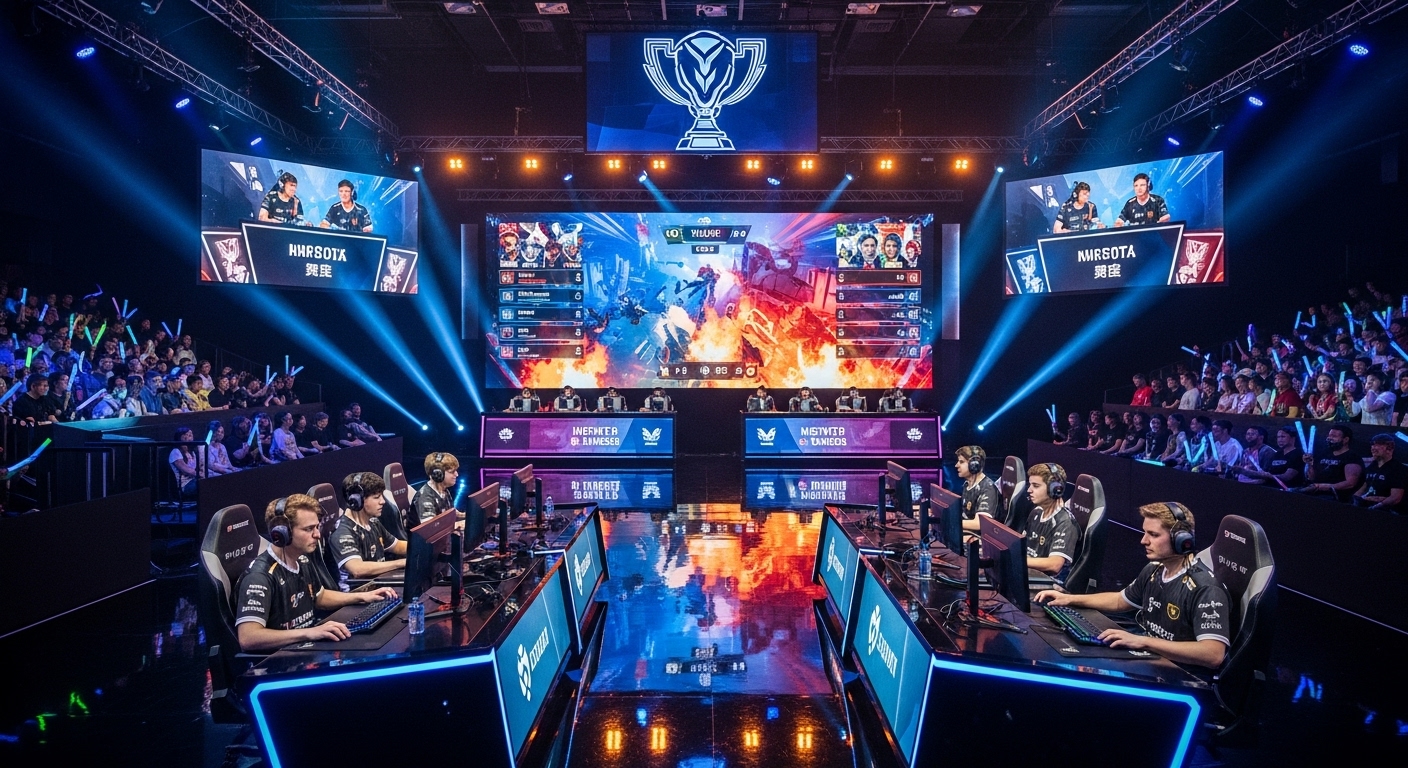
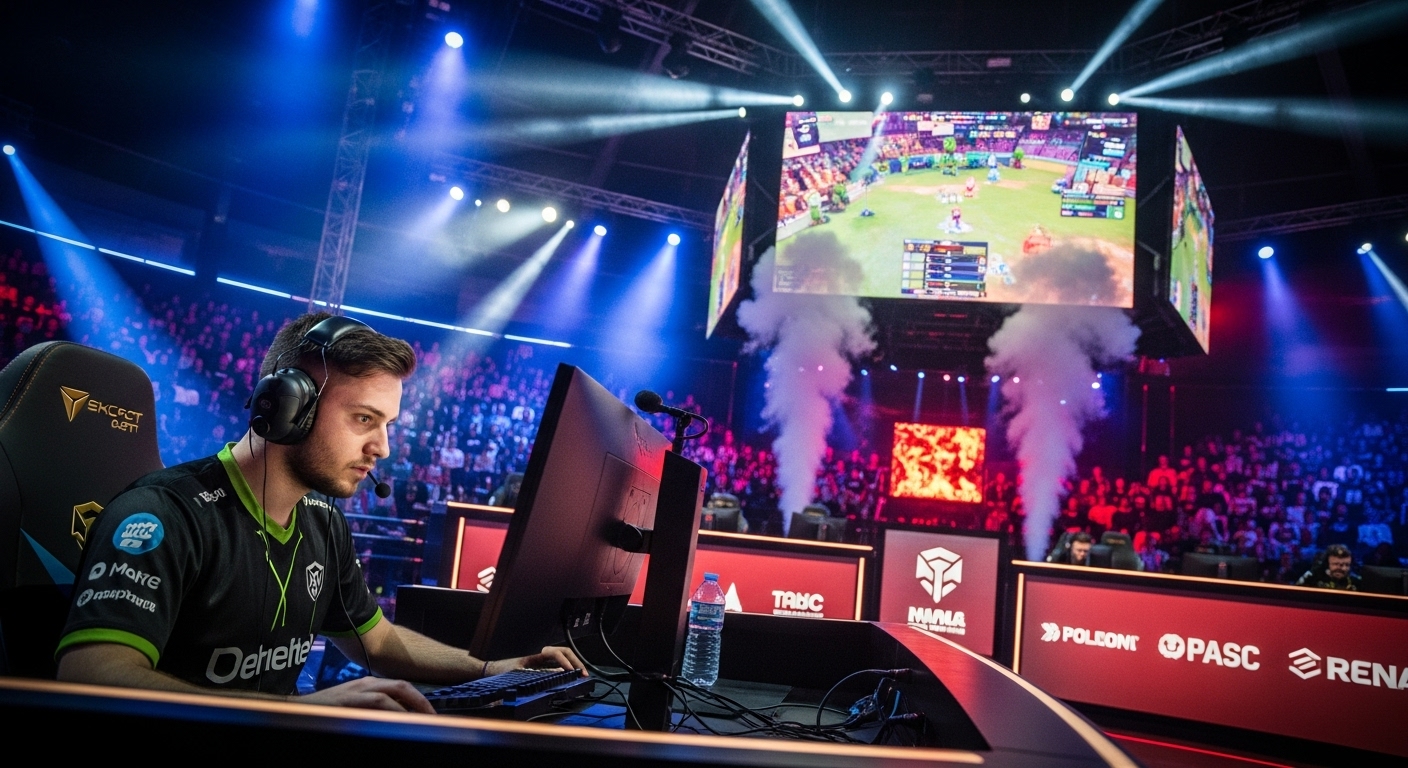
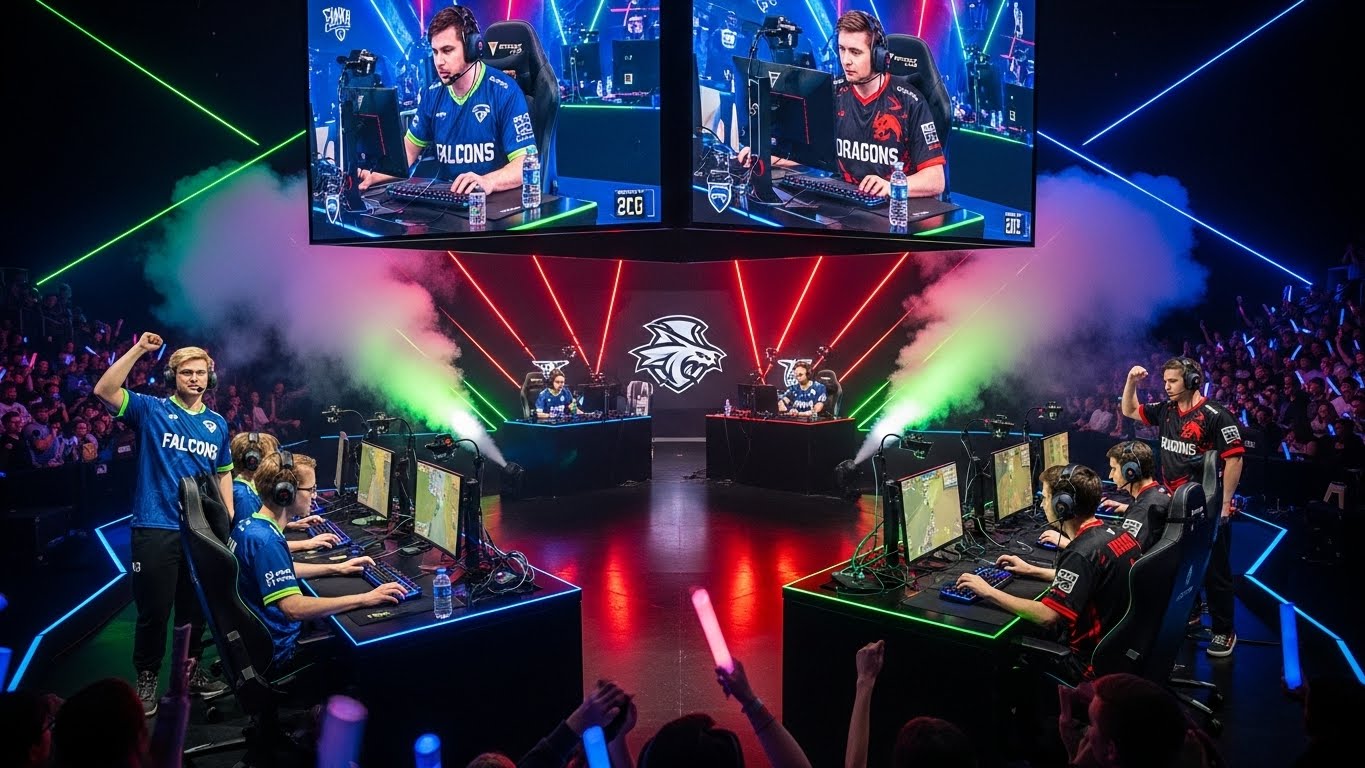
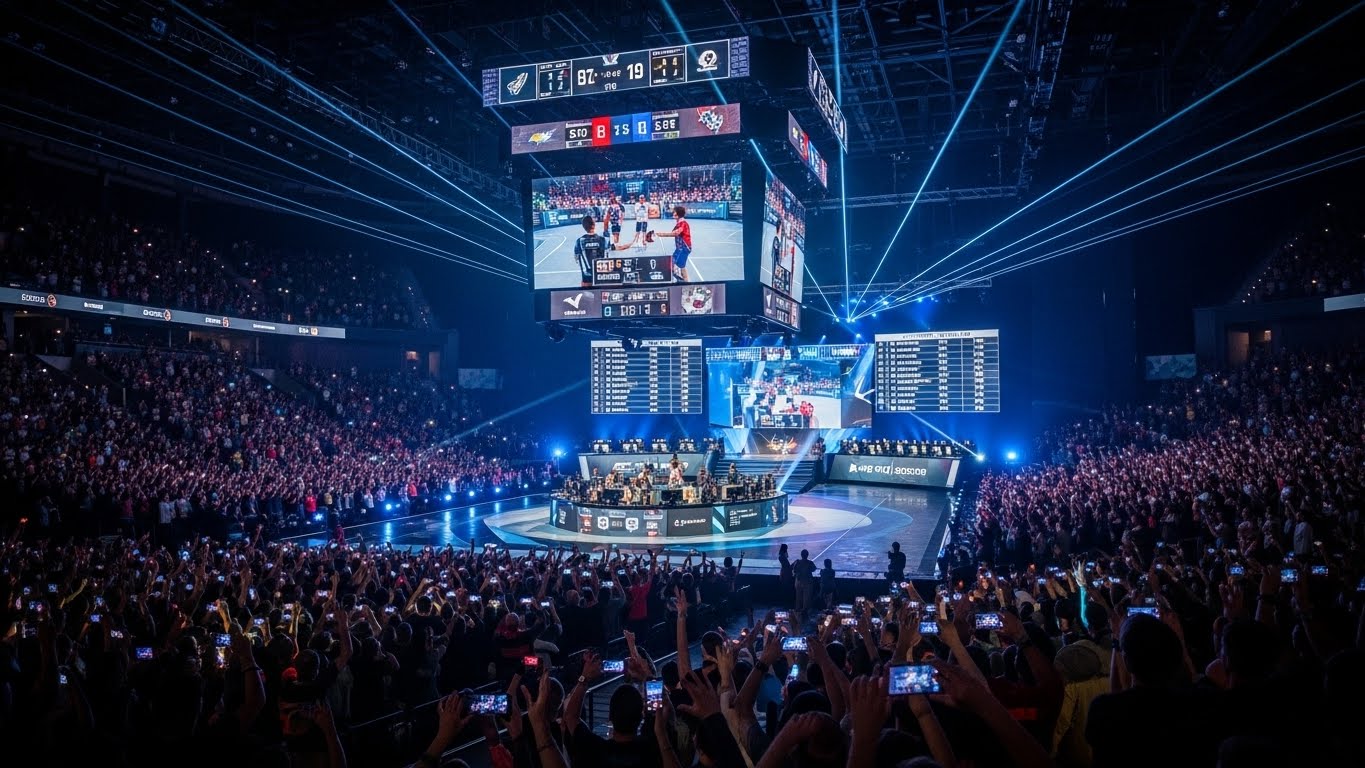
Moreover, esports tournaments are being held in massive arenas, with fans traveling across the world to watch their favorite players compete in person. The atmosphere at these events is electric, with crowds cheering for their favorite teams and players just as they would at a traditional sports event.
Challenges and Future of Esports
Despite its rapid growth, esports faces several challenges. One of the biggest concerns is the sustainability of the industry. While esports is booming, it relies heavily on sponsorships, advertising, and prize pools. As the industry matures, esports organizations must explore more diverse revenue streams to ensure long-term growth.
Another challenge is the issue of player burnout. Many esports players start their careers at a young age and face intense pressure to perform at high levels. This can lead to mental and physical exhaustion, which can impact both their personal well-being and their performance in competitions. Addressing player health and mental wellness is an important aspect of ensuring the longevity of esports careers.
Looking ahead, the future of esports looks incredibly promising. With more mainstream recognition, increasing investment, and a growing fan base, esports will continue to evolve and shape the future of entertainment. The rise of mobile gaming, virtual reality (VR), and augmented reality (AR) also holds exciting potential for the esports industry, with new ways to engage players and fans alike.
Conclusion: A New Era of Entertainment
Esports has transformed from a niche hobby to a global industry that influences millions of people around the world. As competitive gaming continues to grow, it will have an ever-increasing impact on culture, entertainment, and even the way we view traditional sports. With its dynamic ecosystem of players, teams, sponsors, and fans, esports represents a new frontier in the world of entertainment.
In the coming years, esports will continue to evolve and innovate, offering fans new ways to experience competition and giving players an opportunity to showcase their talents on a global stage. The world of esports is just getting started, and its influence will only continue to expand, making it an exciting space to watch and be a part of in the future.