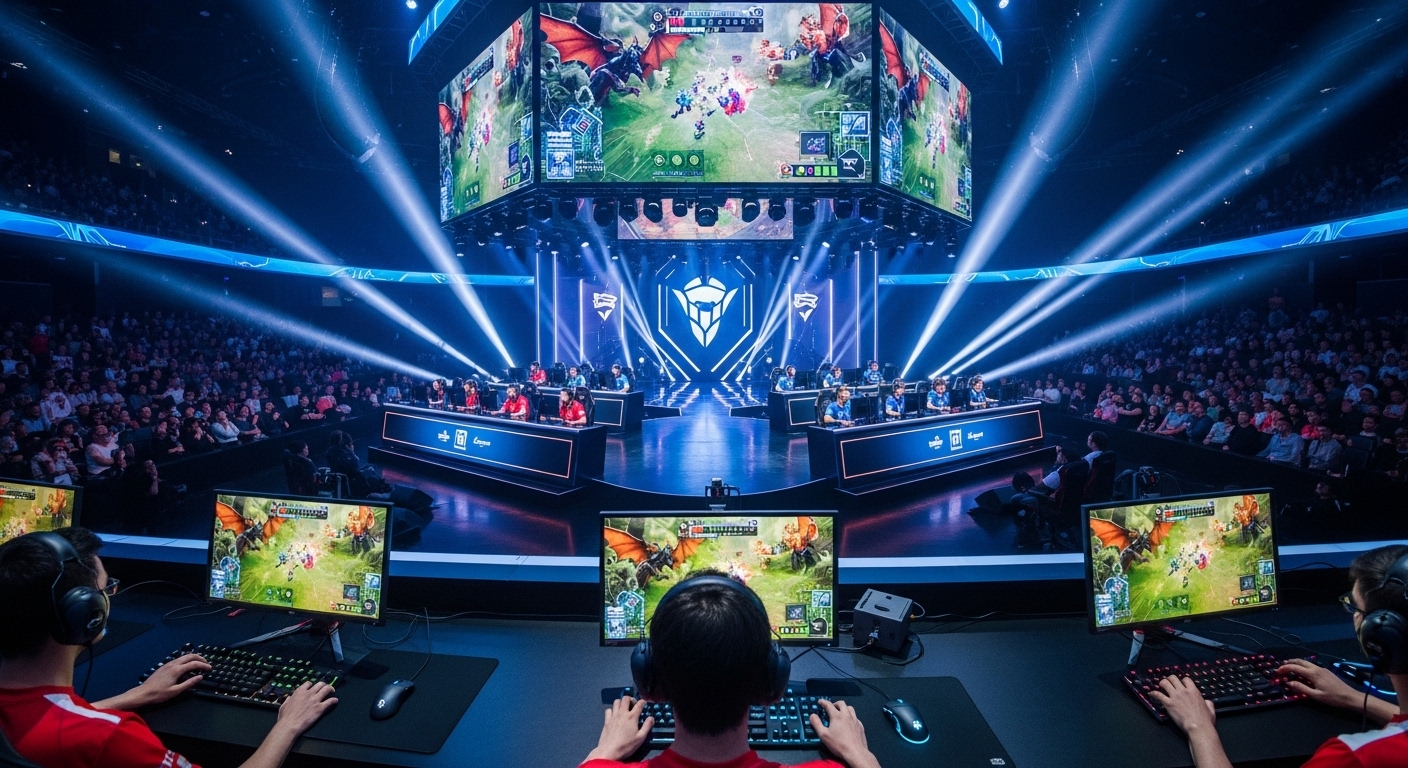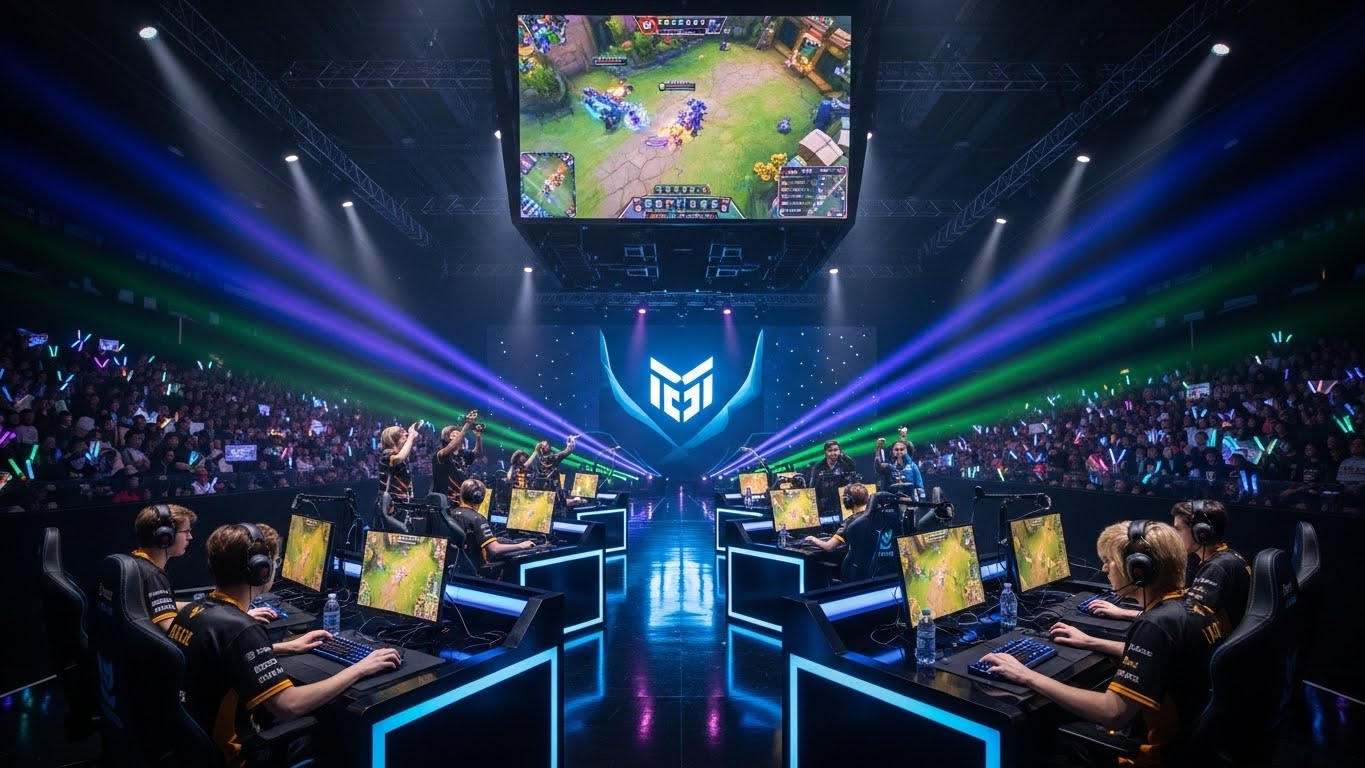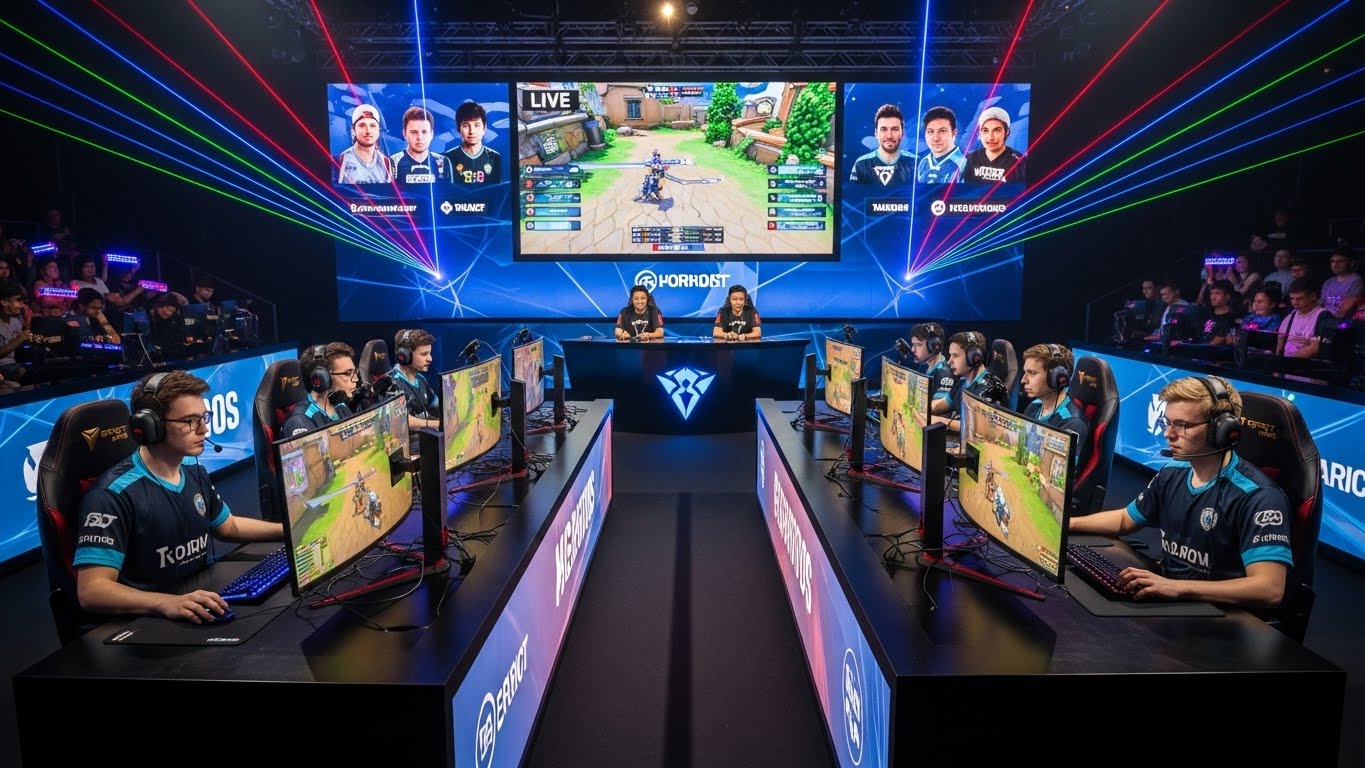






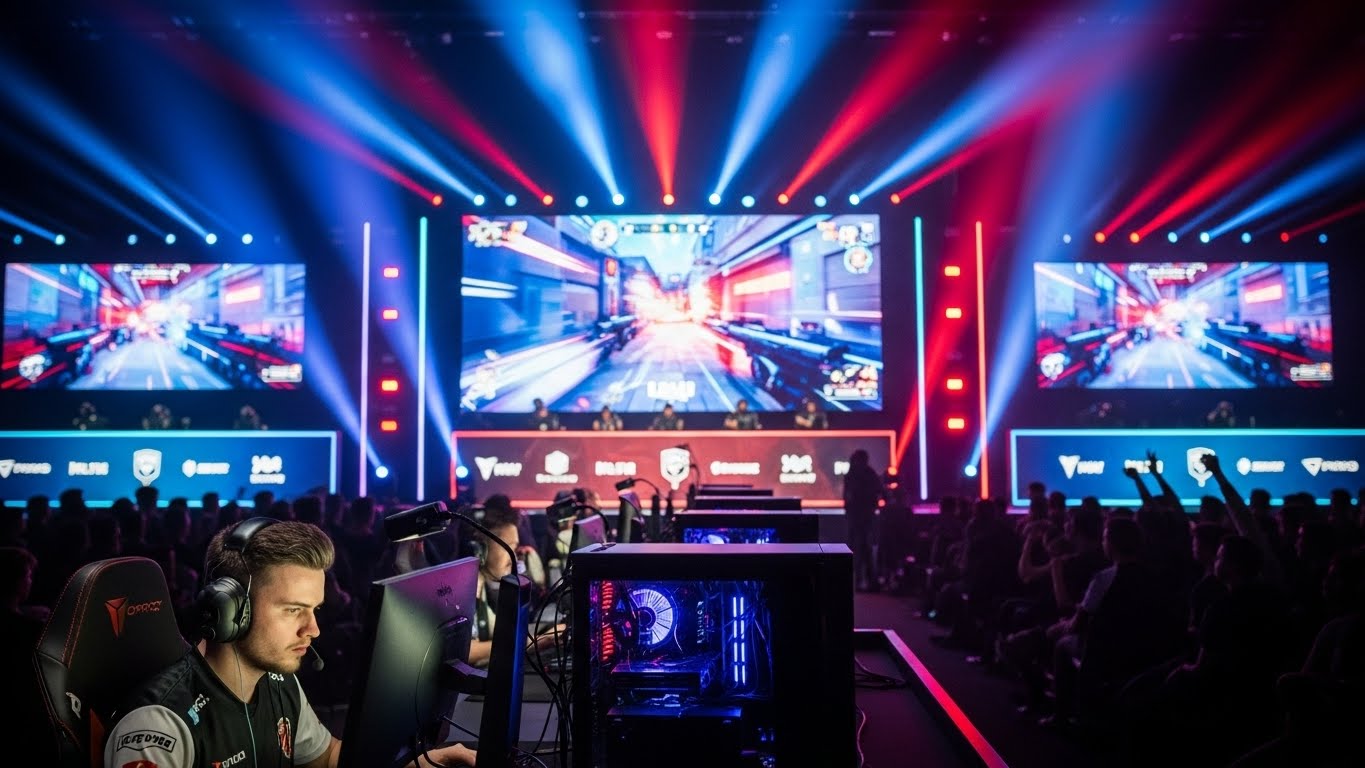
Esports, short for electronic sports, has evolved from a niche hobby to a multi-billion-dollar industry, capturing the imagination of millions around the world. What began as informal tournaments between friends or local competitions has now grown into a professional, structured environment with millions in prize money, worldwide audiences, and top-tier sponsorships. In this blog post, we explore the rise of esports, its impact on gaming culture, and how it’s reshaping the landscape of competitive sports.
What is Esports?
At its core, esports involves organized, multiplayer video game competitions, particularly between professional players, individually or as teams. These events are often streamed online, attracting a global audience. The games played in esports tournaments range from strategy-based games like League of Legends and Dota 2, to first-person shooters like Counter-Strike: Global Offensive and Call of Duty, as well as sports simulation games like FIFA.
Esports is not merely about playing games; it’s about creating a competitive, community-driven experience. It encompasses tournaments, leagues, coaching, broadcasting, and even fan engagement, creating a dynamic ecosystem that extends far beyond the players themselves.
The Evolution of Esports: From Casual to Professional
The roots of esports date back to the 1970s and 1980s when the earliest video game competitions were held. The “Intergalactic Spacewar Olympics,” hosted by Stanford University in 1972, is considered one of the first organized esports events. However, the real boom in esports came with the rise of the internet in the late 1990s and early 2000s.
In the early 2000s, games like StarCraft, Quake, and Warcraft III gained a following, and competitive gaming started to gain serious attention. The creation of large tournaments such as the World Cyber Games (WCG) and The International further cemented esports as a legitimate competitive pursuit.
By the mid-2010s, esports entered its golden age. Broadcasting platforms like Twitch allowed viewers to watch their favorite players and teams live, and prize pools for tournaments grew exponentially. Games such as League of Legends, Overwatch, and Fortnite became household names, and the esports scene attracted mainstream sponsorships, media coverage, and large-scale investments.
Key Factors Contributing to Esports’ Popularity
1. Technological Advancements
One of the driving forces behind the rise of esports is the rapid evolution of technology. High-speed internet, faster processors, and improved graphics cards have not only made video games more immersive and realistic but also enabled players to engage in high-quality, lag-free competitions. Additionally, streaming services like Twitch, YouTube Gaming, and Facebook Gaming provide a platform for esports content to reach a vast, global audience.
2. The Growth of Online Communities
The digital nature of gaming has fostered the growth of online communities, where players can connect, share experiences, and compete. Esports leagues and tournaments are built on these communities, offering a way for fans to engage with the players and the games themselves. Social media platforms such as Twitter, Instagram, and Discord have further deepened fan interaction and loyalty, making esports feel more personal and engaging.
3. The Popularity of Streaming Platforms
The explosion of live-streaming platforms, particularly Twitch, has helped bring esports to the masses. These platforms not only allow fans to watch esports tournaments live, but they also give players a platform to showcase their skills, interact with fans, and build a career from streaming. Esports stars like Ninja, Shroud, and Faker have become household names, with millions of followers across multiple platforms.
4. Corporate Sponsorships and Investments
As esports grew in popularity, so did the business opportunities surrounding it. Major brands such as Coca-Cola, Red Bull, and Intel have made significant investments in esports, sponsoring teams and events. This influx of corporate sponsorships has allowed tournaments to offer bigger prize pools and increase the visibility of the sport. Furthermore, traditional sports teams, including NBA and NFL franchises, have also begun investing in esports teams, helping to bridge the gap between traditional and digital sports.
5. Accessibility and Diversity
Unlike traditional sports that often require a certain level of physical skill, esports offers a more inclusive and accessible platform for competition. Players of all ages and backgrounds can compete, often with only a computer and internet connection as the primary requirement. This has helped make esports more diverse, with players from all over the world participating in tournaments, regardless of their physical location or skill level.
The Structure of Esports Competitions
Esports competitions are highly organized and follow specific structures, much like traditional sports leagues. The format of tournaments varies depending on the game, but generally includes regional qualifying rounds, group stages, playoffs, and a grand final. Some games, like League of Legends, also have franchised leagues where teams represent specific cities or regions, similar to the structure of professional sports leagues like the NBA.
Esports Careers: More Than Just Playing
While professional players make up the most visible part of the esports world, there is a vast network of professionals behind the scenes that help keep the industry running. From coaches and analysts to broadcasters, event organizers, and content creators, esports offers a wide range of career opportunities.
- Pro Players: These are the stars of the esports world, competing in high-stakes tournaments and representing their teams. Many esports athletes are full-time professionals, living off tournament winnings, sponsorships, and streaming revenue.
- Coaches & Analysts: Much like in traditional sports, esports teams often have coaches who help players improve their strategies and performance. Analysts also play a critical role, providing data-driven insights that can help players and teams refine their tactics.
- Casters & Broadcasters: Much like sports commentators, esports casters provide live commentary during matches. They play a pivotal role in keeping viewers engaged and explaining the intricacies of the game to those who may not be familiar with it.
- Event Organizers & Producers: Esports tournaments require significant planning, coordination, and production. From live broadcasts to stage setups and event logistics, the role of an event organizer is crucial to the success of an esports competition.
- Content Creators: Streamers, YouTubers, and social media influencers have become integral to the esports ecosystem. Many esports stars and teams create content, engage with fans, and market their brands through social media platforms.
The Impact of Esports on Traditional Sports
Esports has had a profound influence on traditional sports in several ways. For one, it has helped redefine what competition looks like in the modern world. The ability to engage in global competitions without leaving the comfort of one’s home has changed how we view sports and athleticism.
Additionally, esports has opened up new opportunities for cross-promotion and collaboration between traditional sports and gaming. Several professional sports teams, including NBA franchises like the Golden State Warriors and Cleveland Cavaliers, have invested in esports teams, creating synergy between the two industries. Major sports networks like ESPN also cover esports events, showcasing how the lines between digital and physical sports are becoming increasingly blurred.
The Future of Esports
The future of esports looks incredibly promising. As technology continues to evolve, we can expect even more immersive experiences, including virtual reality (VR) and augmented reality (AR) games that could take esports to new heights. The continued growth of mobile gaming, especially in regions like Asia, will also contribute to esports’ global expansion.
Furthermore, the increasing professionalization of esports — with better player protections, training facilities, and mental health support — will continue to raise the level of competition. As esports becomes more mainstream, it could eventually be included in major international events, such as the Olympics, solidifying its place in the global sporting community.
Conclusion: Esports as the Future of Competition
Esports has come a long way since its humble beginnings and is now a global industry with a massive fan base, professional players, and significant economic impact. It has redefined the concept of sports, making competition more accessible, inclusive, and global. The integration of technology, online communities, and corporate sponsorships has propelled esports into the mainstream, with no signs of slowing down.
As the industry continues to grow and evolve, one thing is clear: esports is not just a passing trend — it is the future of competition. Whether you’re a player, a fan, or someone looking to explore new career opportunities, there’s never been a better time to be part of the esports revolution.