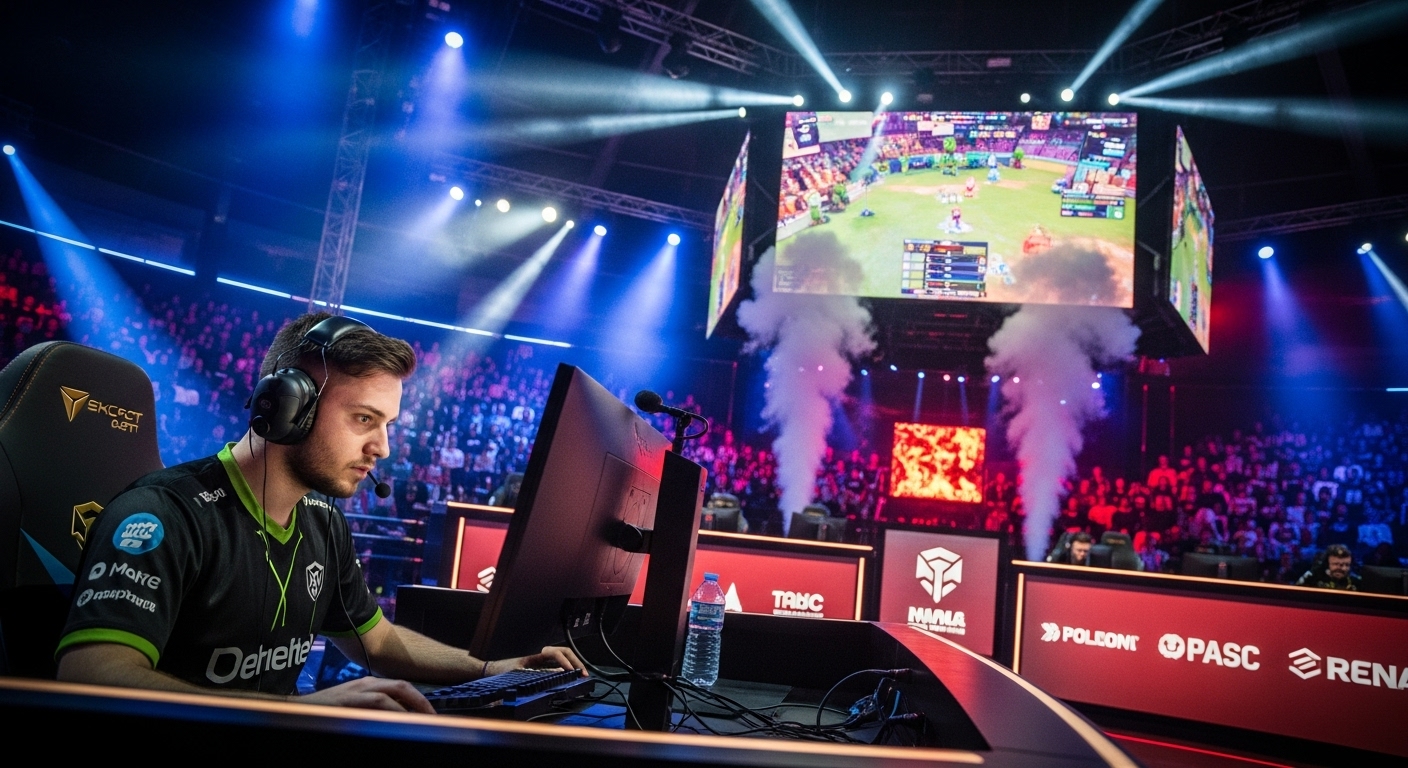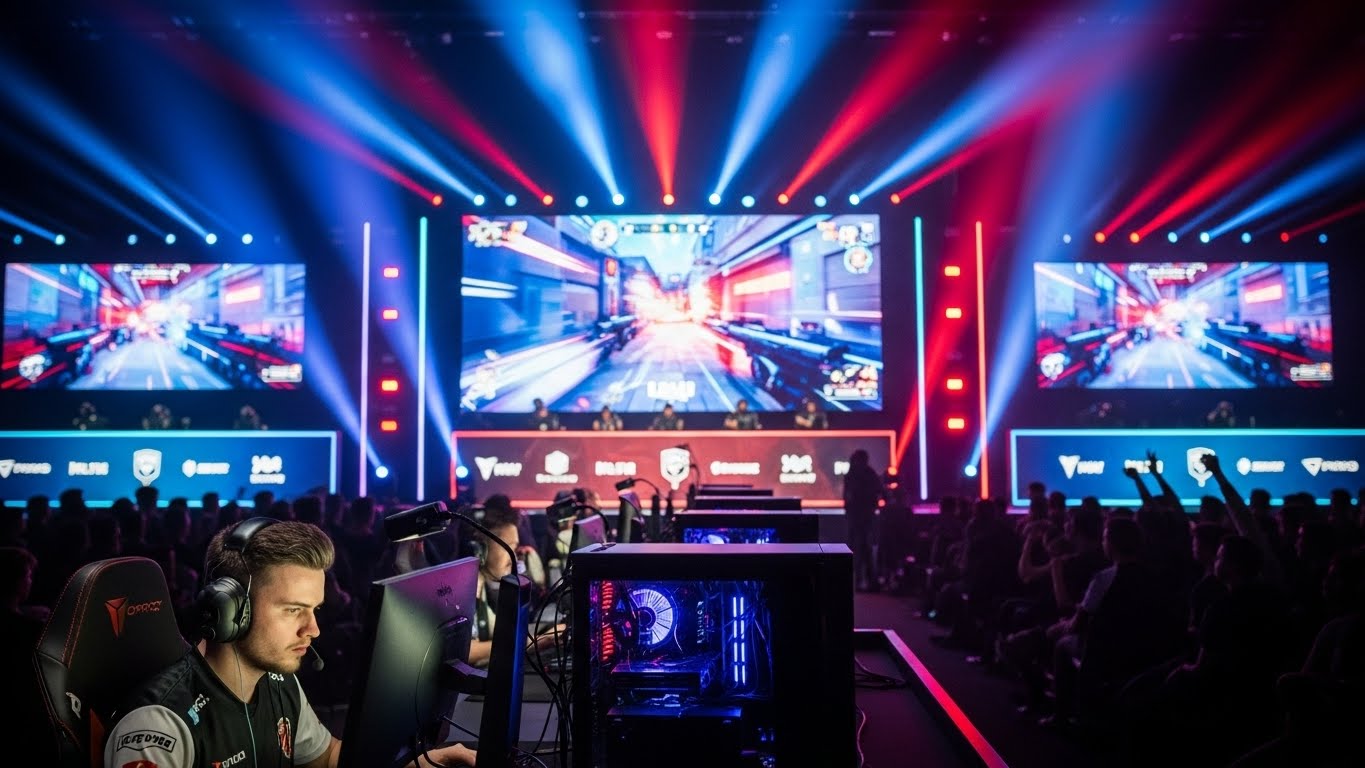






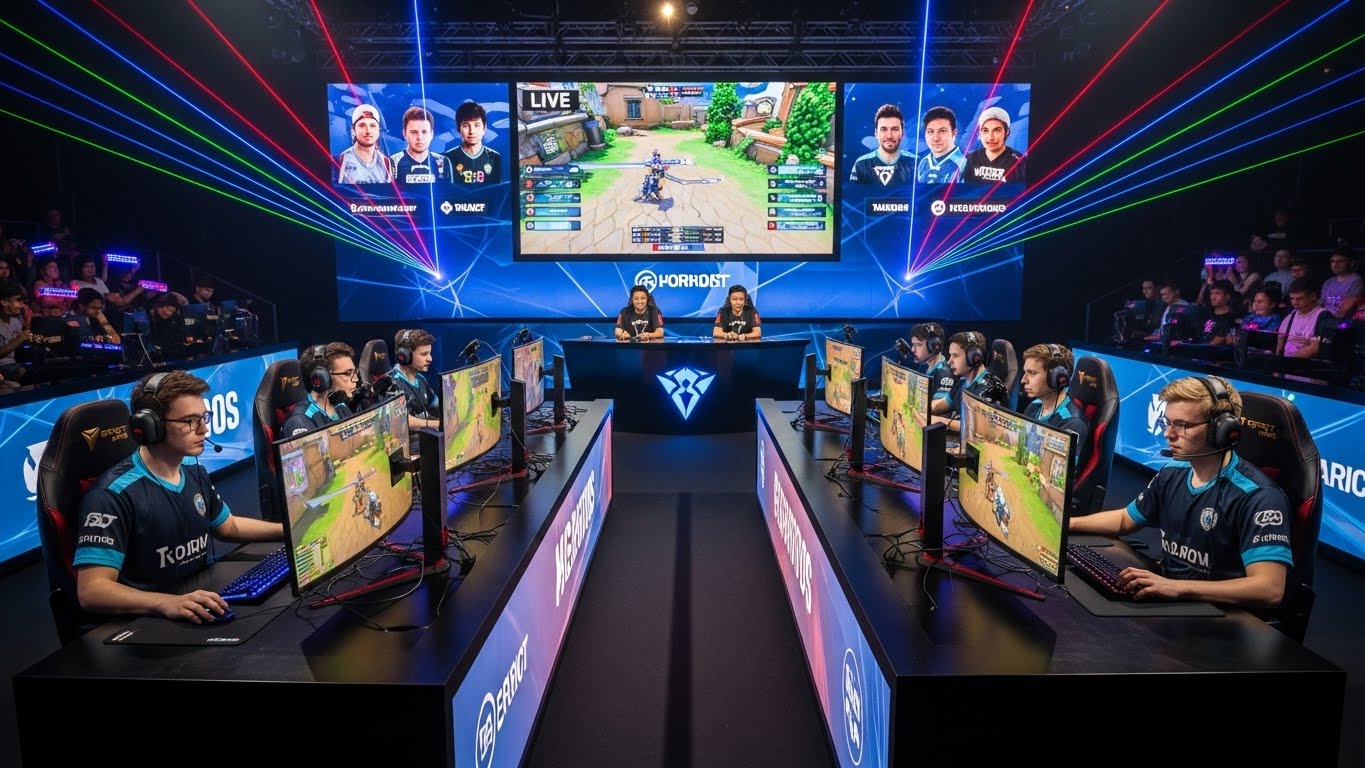
Esports has emerged from the shadows of traditional sports and casual gaming to become a global phenomenon that attracts millions of players and viewers worldwide. What was once considered a niche hobby has now evolved into a professional industry with competitive leagues, sponsorship deals, and international tournaments. This blog explores the history, impact, challenges, and future of esports, providing insight into a digital revolution that is reshaping the world of sports and entertainment.
The Origins of Competitive Gaming
Competitive gaming is not a product of the modern internet era; its roots date back decades. In the 1970s and 1980s, arcade competitions and early video game tournaments became popular among enthusiasts. The first known video game competition took place in 1972 at Stanford University, where players competed in the game “Spacewar.” This humble beginning laid the foundation for the organized esports competitions we see today.
The 1990s saw the rise of local area network (LAN) parties and early online multiplayer games, such as “Quake” and “StarCraft.” These games fostered competitive communities and introduced the concept of esports as we recognize it now. As internet connectivity improved, players from different regions could compete in real-time, opening the doors to a global esports community.
The Growth of Esports as an Industry
Over the past two decades, esports has transformed from a hobby into a multi-billion-dollar industry. Games such as “League of Legends,” “Dota 2,” “Counter-Strike: Global Offensive,” and “Fortnite” have professional leagues, massive prize pools, and dedicated fan bases. Major tournaments, including the League of Legends World Championship and The International, attract millions of viewers online and offer prize pools exceeding tens of millions of dollars.
Sponsorships and endorsements have played a significant role in this growth. Brands from various industries, including technology, beverages, and apparel, recognize the marketing potential in esports audiences, which primarily consist of younger, tech-savvy demographics. Professional esports teams operate similarly to traditional sports franchises, with training facilities, coaching staff, and management teams ensuring players perform at their best.
The Appeal of Esports
Esports appeals to a broad spectrum of people, from casual gamers to professional athletes. For players, the thrill of competition, strategic gameplay, and the opportunity to earn a career through gaming are major motivators. For spectators, esports offers excitement, entertainment, and a sense of community. Streaming platforms have transformed the way fans engage with games, allowing them to watch live matches, interact with players, and participate in online discussions.
Another significant factor in esports’ appeal is accessibility. Unlike traditional sports, esports does not require extensive physical facilities, and anyone with a computer or console can participate. This accessibility has democratized competitive gaming, allowing individuals from diverse backgrounds to showcase their skills on a global stage.
The Role of Technology in Esports
Technology is the backbone of esports. High-speed internet, powerful gaming hardware, and advanced software have enabled the growth of competitive gaming. Streaming platforms allow real-time broadcasting of matches to global audiences, while analytics tools help teams improve strategies and performance. Virtual reality and augmented reality are beginning to influence esports, offering immersive experiences for players and viewers alike.
Additionally, technology has facilitated esports training. Professional players use simulators, performance-tracking software, and coaching platforms to hone their skills. The integration of data analytics ensures that players can analyze every aspect of gameplay, from reaction times to decision-making patterns. This technological support has elevated esports to a level comparable to traditional professional sports.
Esports as a Career
One of the most intriguing aspects of esports is the career opportunities it creates. Professional players can earn substantial salaries, sponsorships, and winnings from tournaments. Beyond players, careers in coaching, broadcasting, event management, marketing, and game development are expanding within the esports ecosystem.
Esports has also influenced education. Several universities now offer scholarships for competitive gamers, and programs focusing on esports management and development are becoming more common. These initiatives reflect the increasing legitimacy of esports as a professional field and open doors for aspiring players and professionals alike.
Challenges Facing the Esports Industry
Despite its rapid growth, esports faces several challenges. One of the primary concerns is player burnout. Competitive gaming requires intense focus, long hours of practice, and constant mental resilience. Without proper support and management, players can experience physical and psychological strain, including repetitive stress injuries and mental health issues.
Another challenge is regulation. Unlike traditional sports, esports lacks standardized governance across games and regions. This inconsistency can lead to disputes over tournament rules, player contracts, and cheating incidents. Developing fair and transparent regulations is crucial for the long-term sustainability of the industry.
Monetization and revenue distribution also present difficulties. While top players and teams earn significant income, many aspiring professionals struggle financially due to the uneven distribution of resources and sponsorships. Addressing these inequalities is necessary to ensure esports remains accessible and inclusive.
The Cultural Impact of Esports
Esports is more than a competition; it is a cultural movement. Gaming conventions, live events, and online communities have created a shared culture among enthusiasts worldwide. Cosplay, fan art, and content creation further enrich the ecosystem, blending gaming with art, entertainment, and social interaction.
Esports also influences traditional media. Major tournaments are broadcast on television, and professional players gain celebrity status similar to athletes in conventional sports. The rise of esports personalities and influencers highlights the intersection between gaming, social media, and entertainment.
Furthermore, esports promotes teamwork, strategy, and problem-solving skills. Players often work in teams, requiring communication, coordination, and adaptability. These skills are transferable to real-world contexts, challenging the stereotype that gaming is merely a pastime.
The Future of Esports
The future of esports looks promising, with continued growth expected in the coming years. Emerging technologies, such as virtual reality, artificial intelligence, and cloud gaming, will redefine the esports experience. These advancements will enhance player performance, create immersive spectator experiences, and expand the reach of esports globally.
Esports may also integrate further with traditional sports. Collaborations between gaming and sports franchises are already underway, with athletes investing in esports teams and virtual competitions becoming part of mainstream sporting events. This convergence underscores esports’ legitimacy as a global competitive platform.
The globalization of esports is another trend. While North America, Europe, and East Asia currently dominate the industry, emerging markets in South America, Africa, and Southeast Asia present untapped potential. As connectivity improves and local tournaments gain traction, esports will continue to become a truly worldwide phenomenon.
Conclusion
Esports has transformed from a niche hobby into a professional, global industry that captivates millions. Its growth is fueled by technology, accessibility, and cultural appeal, offering career opportunities and entertainment for players and fans alike. While challenges remain, such as player burnout and regulatory inconsistencies, the industry continues to innovate and expand.
Looking ahead, esports is poised to redefine the concept of competition in the digital age. By blending technology, entertainment, and athleticism, esports represents a new frontier in sports and culture. As more people recognize the skill, dedication, and community inherent in esports, it will continue to cement its place as a powerful force in the modern world.