




Introduction: The New Frontier of Competition
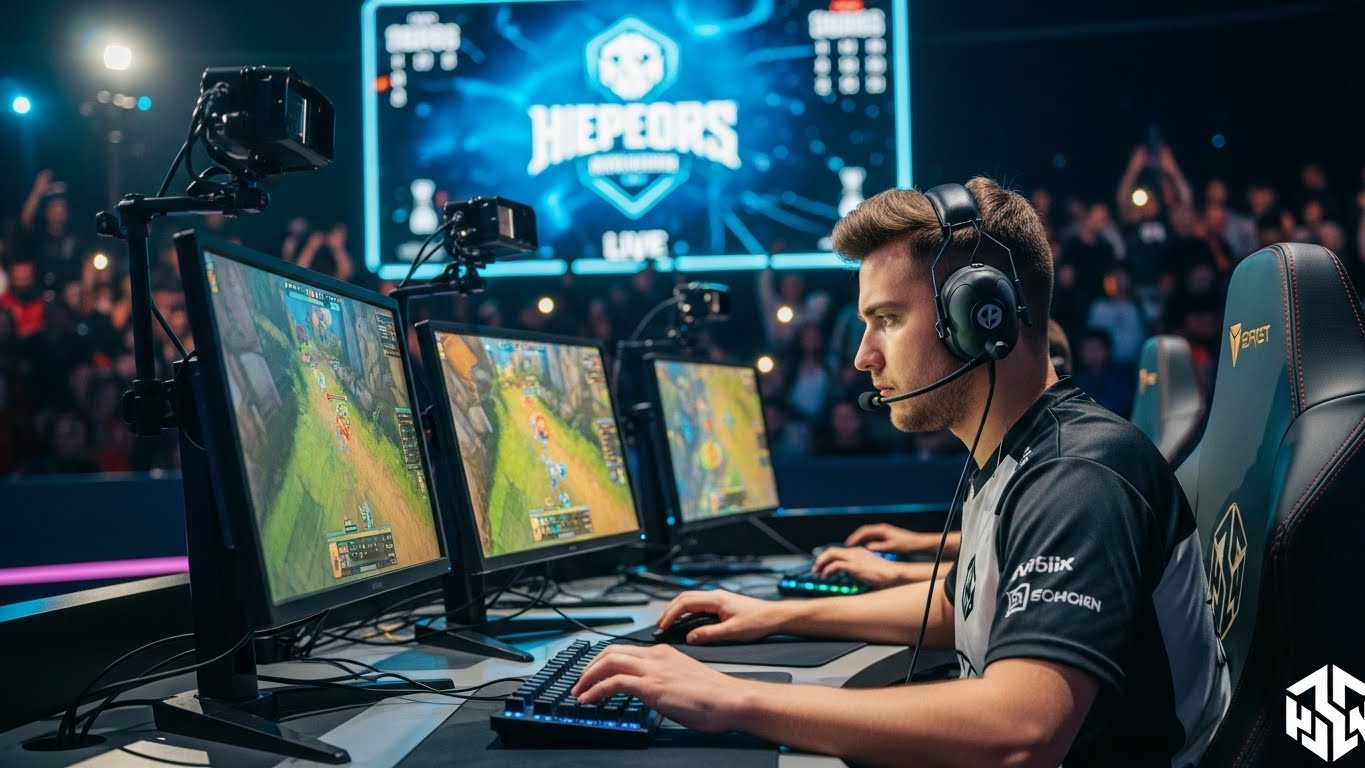
Esports, short for electronic sports, has evolved from a niche hobby into a global phenomenon. What began as casual gaming competitions in college dorms and small local tournaments has grown into an industry worth billions of dollars. The rise of streaming platforms, professional leagues, and global sponsorships has transformed esports into a legitimate career path and a serious spectator sport. With millions of players and fans worldwide, esports is no longer just about gaming—it represents a new cultural movement, a technological revolution, and a unique form of entertainment that bridges the gap between traditional sports and digital innovation.
The History of Esports: From Arcade Games to Global Arenas
Esports has a fascinating history that reflects the evolution of technology and gaming culture. In the late 1970s and 1980s, competitive gaming was mostly limited to arcade machines and local gaming centers. Early competitions often involved games like Space Invaders, Pac-Man, and Donkey Kong, where high scores were the primary measure of success. These tournaments, although small in scale, laid the groundwork for what would eventually become professional esports.
The 1990s brought the rise of personal computers and networked gaming. Games like Quake and StarCraft introduced online multiplayer modes that allowed players to compete beyond their local communities. This period also saw the emergence of organized tournaments with significant prize money, attracting attention from both players and media. By the early 2000s, esports had grown internationally, with South Korea leading the charge. The popularity of StarCraft: Brood War in Korea gave birth to professional gaming leagues, televised competitions, and fan followings comparable to traditional sports.
The Modern Esports Industry: Scale, Scope, and Opportunities
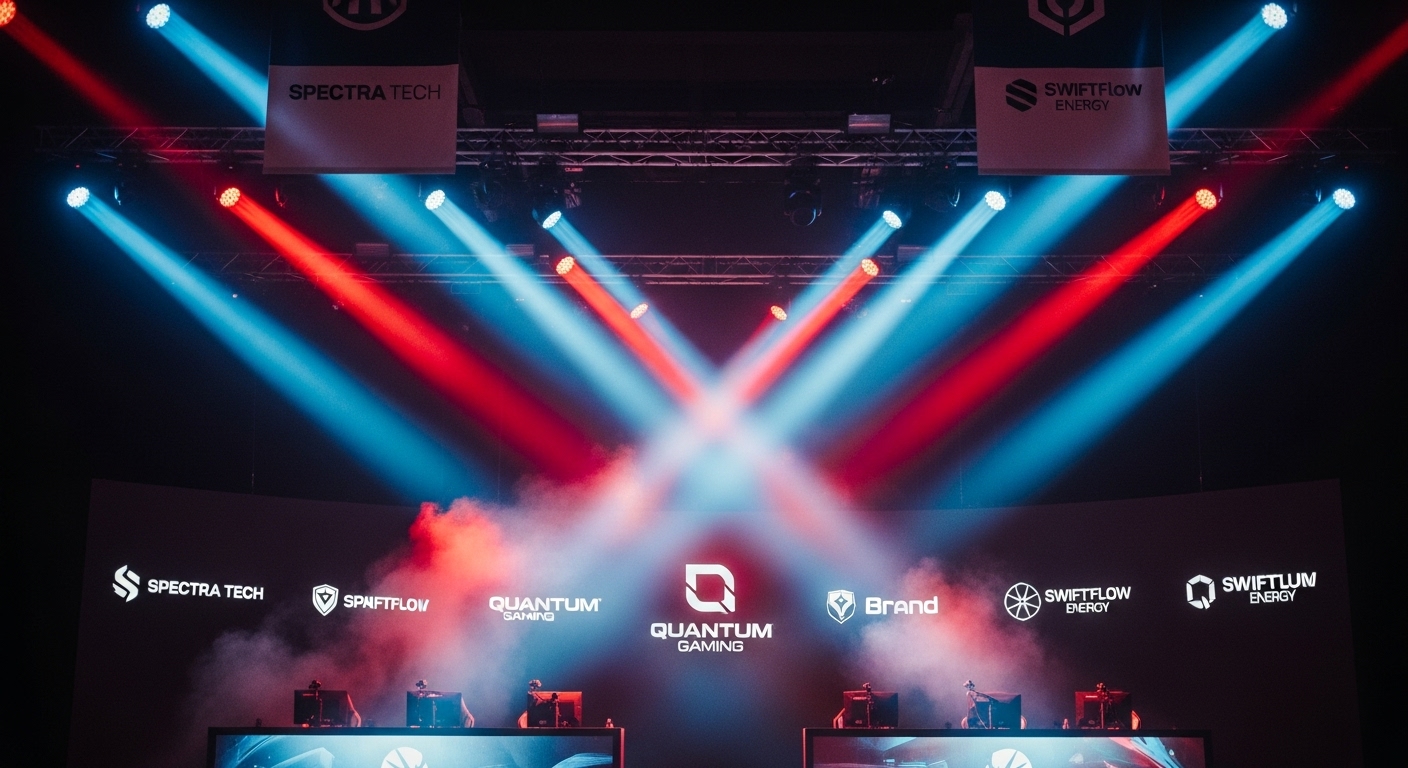
Today, esports is a billion-dollar industry encompassing multiple game genres, professional teams, sponsorships, and streaming platforms. Popular games such as League of Legends, Dota 2, Counter-Strike: Global Offensive, and Fortnite dominate the competitive scene, each with its own dedicated fanbase and professional ecosystem. Major tournaments now fill arenas with tens of thousands of spectators, while millions more watch live streams online. The rise of platforms like Twitch, YouTube Gaming, and other streaming services has made esports accessible to a global audience, allowing fans to follow tournaments, interact with players, and even participate in fantasy esports leagues.
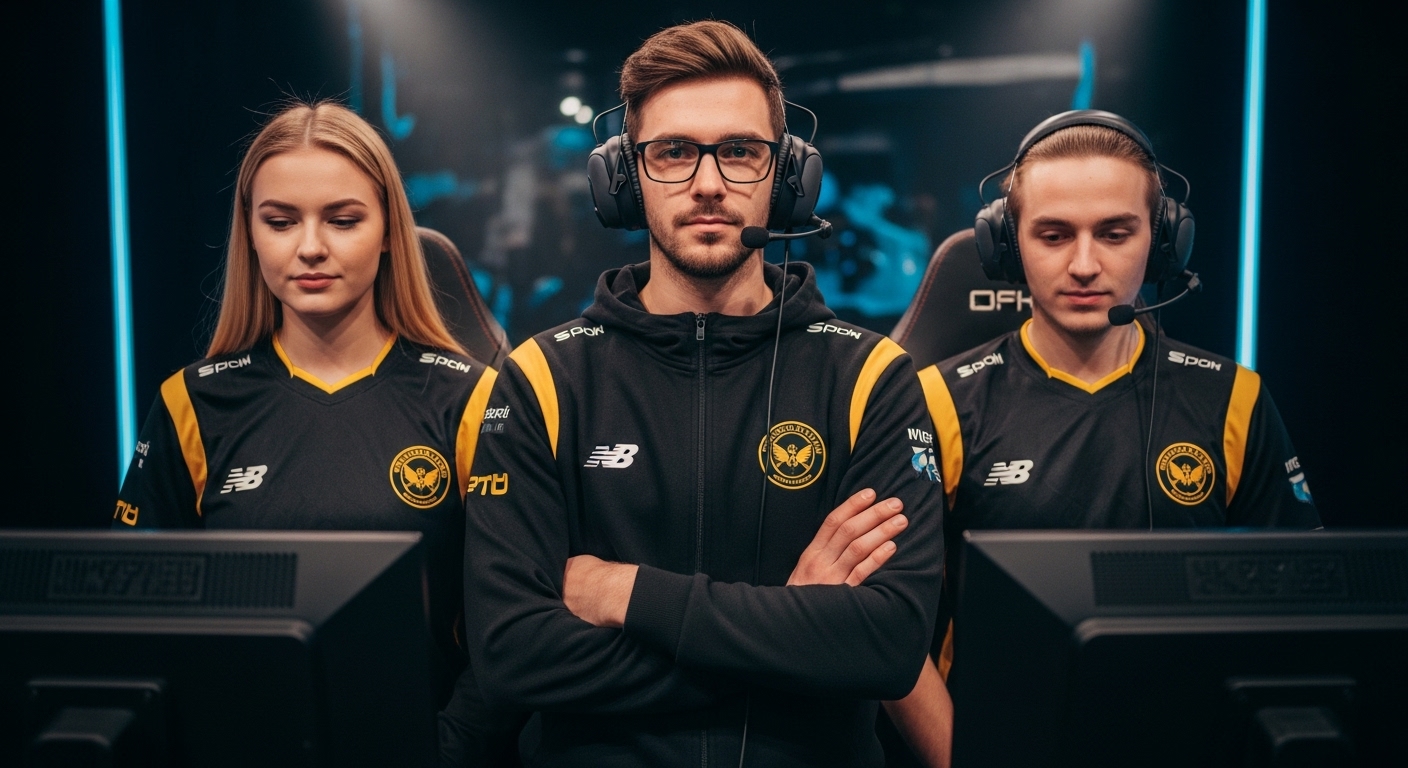
Professional esports organizations operate similarly to traditional sports teams. Players are scouted for their skill, dedication, and teamwork, and they often sign contracts that include salaries, training schedules, and sponsorship deals. The career path of an esports athlete is demanding, requiring hours of practice, strategic planning, and continuous adaptation to evolving game mechanics. Yet, for many, it offers fame, financial rewards, and the opportunity to compete at the highest level.
Esports as a Spectator Sport: The Power of Streaming and Broadcasting
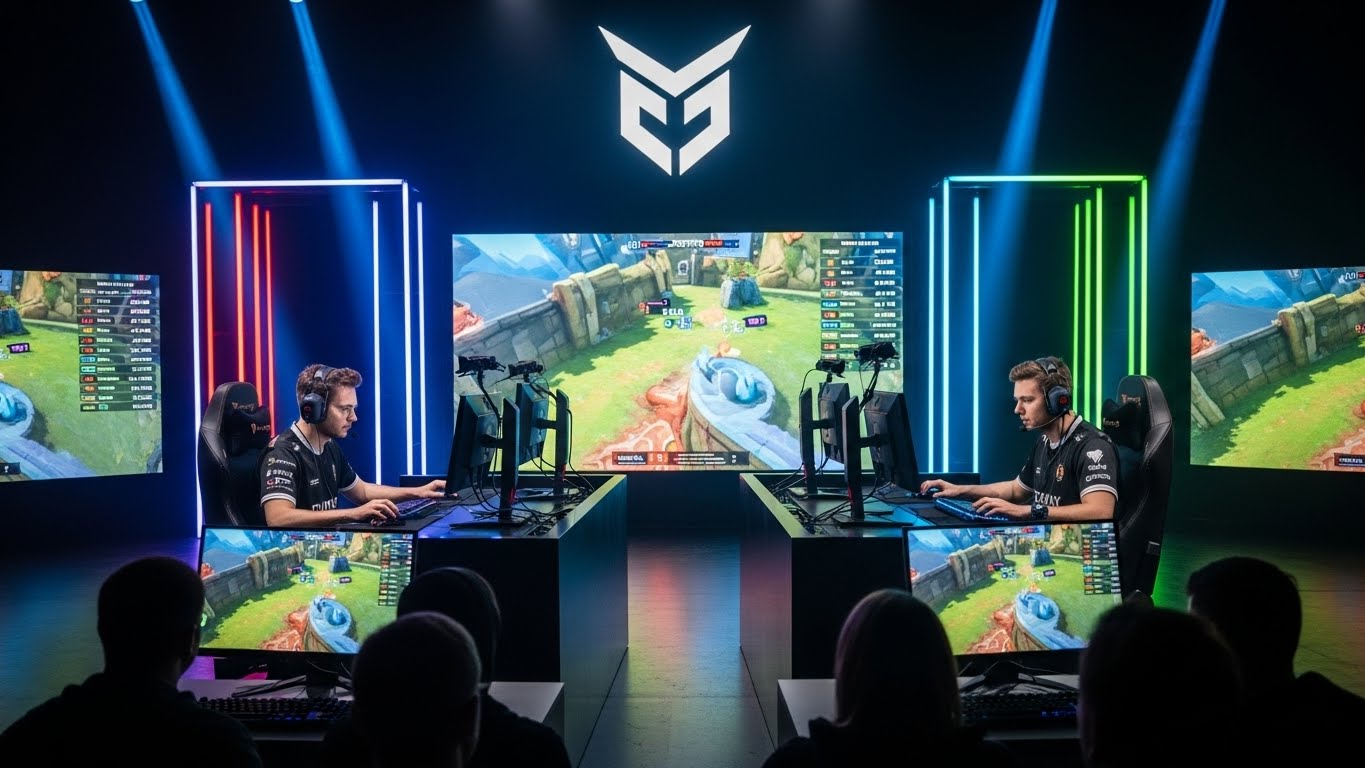
One of the defining features of modern esports is its accessibility to spectators. Unlike traditional sports, which often require physical presence or television subscriptions, esports thrives on digital platforms. Live streaming has revolutionized the way fans consume esports, providing real-time commentary, interactive chat, and global coverage. Esports broadcasters use advanced production techniques, including multiple camera angles, player POVs, in-game statistics, and replays, to create an immersive viewing experience.
The social aspect of esports cannot be understated. Fans gather virtually to celebrate victories, discuss strategies, and support their favorite teams. Online communities, forums, and social media platforms enhance fan engagement, creating a sense of belonging and shared passion. Tournaments like The International for Dota 2 and the League of Legends World Championship attract millions of viewers, rivaling traditional sporting events in viewership and fan engagement.
Economic Impact: Sponsorships, Investments, and Career Opportunities
The economic significance of esports has grown exponentially. Brands and companies recognize the value of reaching a young, tech-savvy audience, leading to lucrative sponsorship deals. Top esports teams secure partnerships with major corporations, ranging from energy drinks and hardware manufacturers to apparel brands and global tech companies. These sponsorships provide teams with financial stability and allow them to invest in training facilities, coaching staff, and player development programs.
The growth of esports also has a broader economic impact, creating job opportunities beyond players and coaches. Tournament organizers, event managers, broadcast technicians, content creators, and marketing specialists all contribute to the industry. Universities have even started offering esports scholarships, reflecting the increasing legitimacy of esports as a career path. For many young gamers, the dream of becoming a professional player is no longer far-fetched; it is a viable and respected profession.
The Psychology of Competitive Gaming: Skill, Strategy, and Teamwork
Esports is more than just fast reflexes and hand-eye coordination. High-level competitive gaming requires strategic thinking, adaptability, communication, and mental resilience. Players must analyze opponents, anticipate strategies, and make split-second decisions under pressure. Team-based games emphasize coordination, role specialization, and synergy, highlighting the importance of teamwork and leadership.
The psychological demands of esports are significant. Players often face stress, fatigue, and the pressure of high-stakes competition. Mental health and performance coaching have become integral to professional teams, helping players manage stress, maintain focus, and optimize their performance. Cognitive skills such as pattern recognition, memory, and multitasking are honed through regular practice, underscoring the intellectual rigor involved in competitive gaming.
Social and Cultural Impact: Breaking Stereotypes and Building Communities
Esports has challenged traditional stereotypes about gaming and gamers. Once dismissed as a pastime for socially isolated individuals, gaming has emerged as a social, competitive, and highly skilled activity. Esports has created inclusive communities where players of diverse backgrounds, genders, and nationalities can connect, collaborate, and compete. International tournaments foster cross-cultural interaction, allowing fans and players to share experiences and celebrate diversity.
The cultural impact of esports extends to entertainment, fashion, music, and lifestyle. Esports players are influencers in their own right, shaping trends, launching merchandise lines, and engaging with millions of followers. Gaming conventions, fan meetups, and cosplay events further integrate esports into broader popular culture, making it a powerful force in modern entertainment.
Challenges and Controversies: Ethics, Regulation, and Sustainability
Despite its rapid growth, esports faces several challenges. One major concern is the lack of standardized regulation across games, tournaments, and regions. Issues such as cheating, match-fixing, and doping have surfaced, highlighting the need for stricter oversight and governance. Player burnout and mental health are also pressing issues, as intense practice schedules and high-stakes competition can lead to exhaustion and stress.
The esports industry must also navigate economic sustainability. While top-tier players and teams earn significant income, many aspiring professionals struggle to make a living. Prize money distribution, sponsorship inequities, and regional disparities present ongoing challenges. Ensuring fair opportunities and long-term stability is crucial for the continued growth of esports as a respected profession.
The Future of Esports: Innovation and Integration
Looking ahead, esports is poised for even greater growth and innovation. Advancements in technology, such as virtual reality, augmented reality, and AI-assisted training, will redefine gameplay and spectator experiences. Mobile esports is expanding rapidly, particularly in regions where smartphones are more accessible than high-end gaming PCs. This trend broadens the global reach of esports, allowing new audiences and players to participate.
Integration with traditional sports is also becoming more common. Some sports leagues are embracing esports as a complementary activity, hosting tournaments or creating esports divisions. This convergence blurs the line between physical and digital competition, demonstrating the versatility and adaptability of esports as a modern sport.
Conclusion: Esports as a Cultural and Professional Revolution
Esports is no longer a fringe hobby; it is a cultural phenomenon and a legitimate career path that continues to shape the future of entertainment, technology, and competition. From its humble beginnings in arcades to its current status as a billion-dollar industry, esports has redefined what it means to be an athlete, a fan, and a community. It combines skill, strategy, and creativity, offering opportunities for personal growth, professional success, and global connection.
The story of esports is still being written, with new games, players, and innovations continually reshaping the landscape. As technology advances and communities grow, esports will remain a dynamic and influential force, proving that the spirit of competition transcends screens and pixels, uniting people worldwide through passion, skill, and the love of the game. The rise of esports is more than just a trend—it is a revolution in the way we play, watch, and experience competition.