





Introduction
In just a few decades, esports has transformed from a quiet subculture of dedicated gamers into a global force that commands millions of fans and billions in revenue. What began as humble competitions in small gaming communities has grown into a worldwide phenomenon where digital athletes compete in packed arenas, viewers tune in from every continent, and teams are sponsored by some of the largest companies in the world. Esports is no longer just a form of entertainment. It has become a lifestyle, a career, a business, and for many young people, a dream worth chasing.
This blog explores the incredible rise of esports, the factors driving its popularity, the culture that surrounds it, and what the future holds for this ever-evolving industry.
The Early Roots of Competitive Gaming
Competitive gaming did not suddenly appear overnight. Its origins date back to the early days of arcade machines and classic consoles, where players battled each other for high scores and bragging rights. The 1980s saw the first organized video game competitions, but these events were small, local, and far from what esports represents today.
As internet technology improved in the late 1990s, multiplayer games surged in popularity. Titles like StarCraft, Counter-Strike, and Quake ignited the spark of competitive gaming around the world. These games required quick reflexes, deep strategic thinking, and teamwork, laying the foundation for what would eventually become professional esports.
The Modern Explosion of Esports
Esports began evolving rapidly in the 2010s, boosted by technological advancements, accessible online platforms, and the rise of multiplayer-focused games. Professional tournaments began offering significant prize pools, attracting elite players from across the globe. Popular competitive games such as League of Legends, Dota 2, Call of Duty, and Fortnite became household names and introduced millions of people to the world of esports.
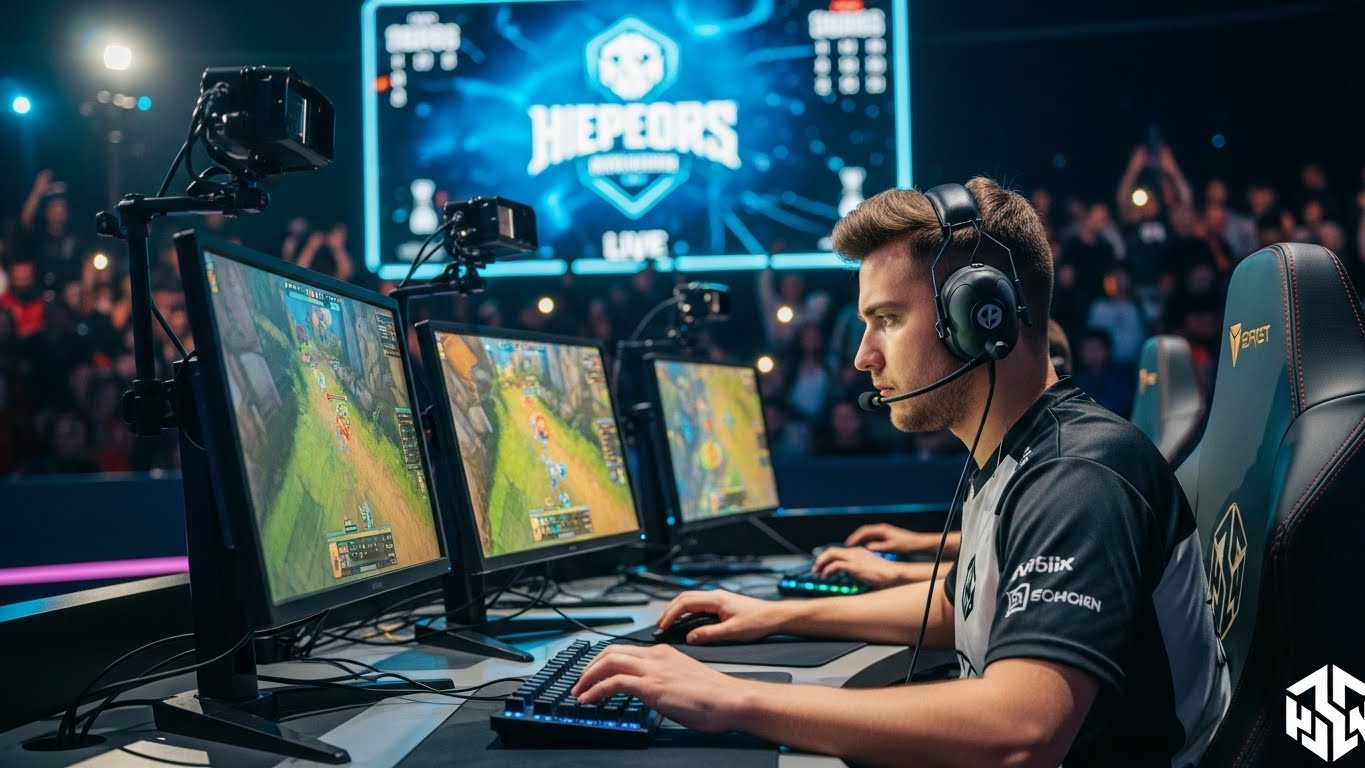
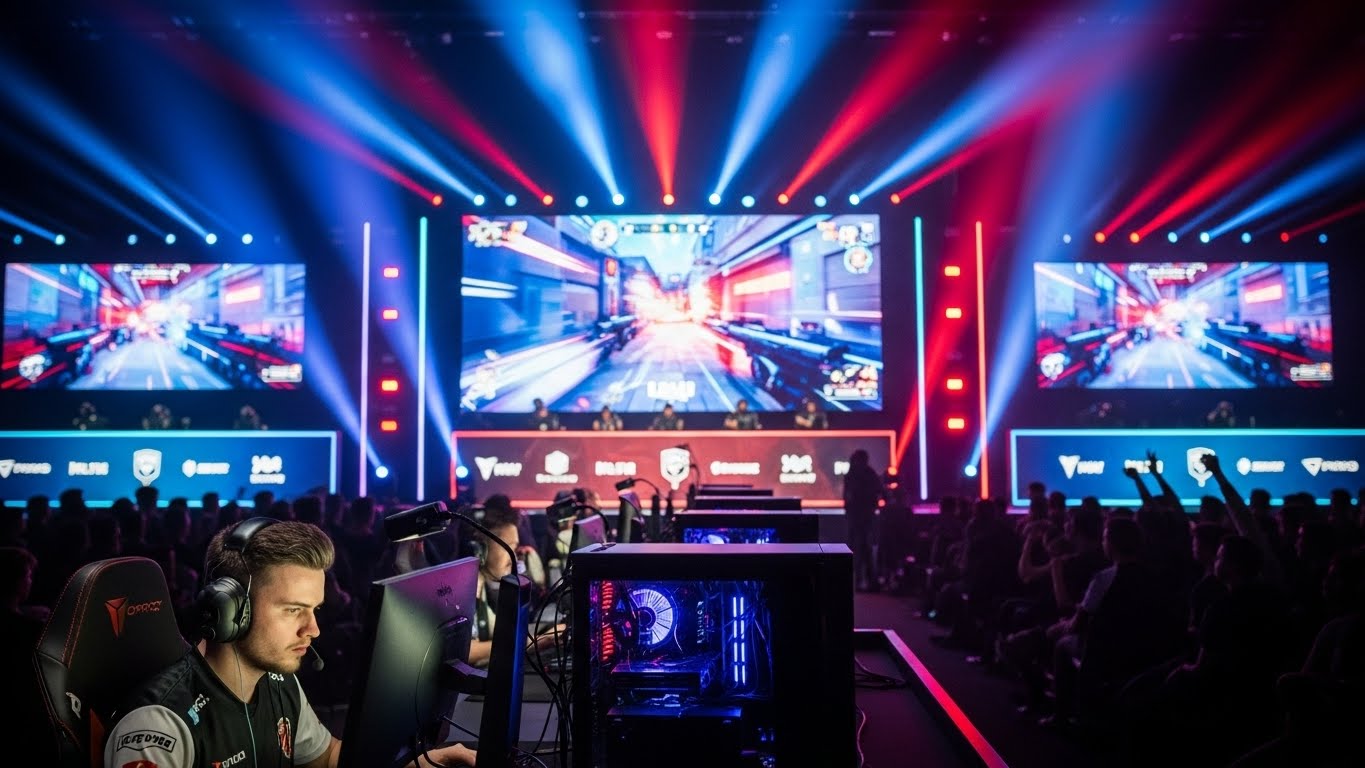
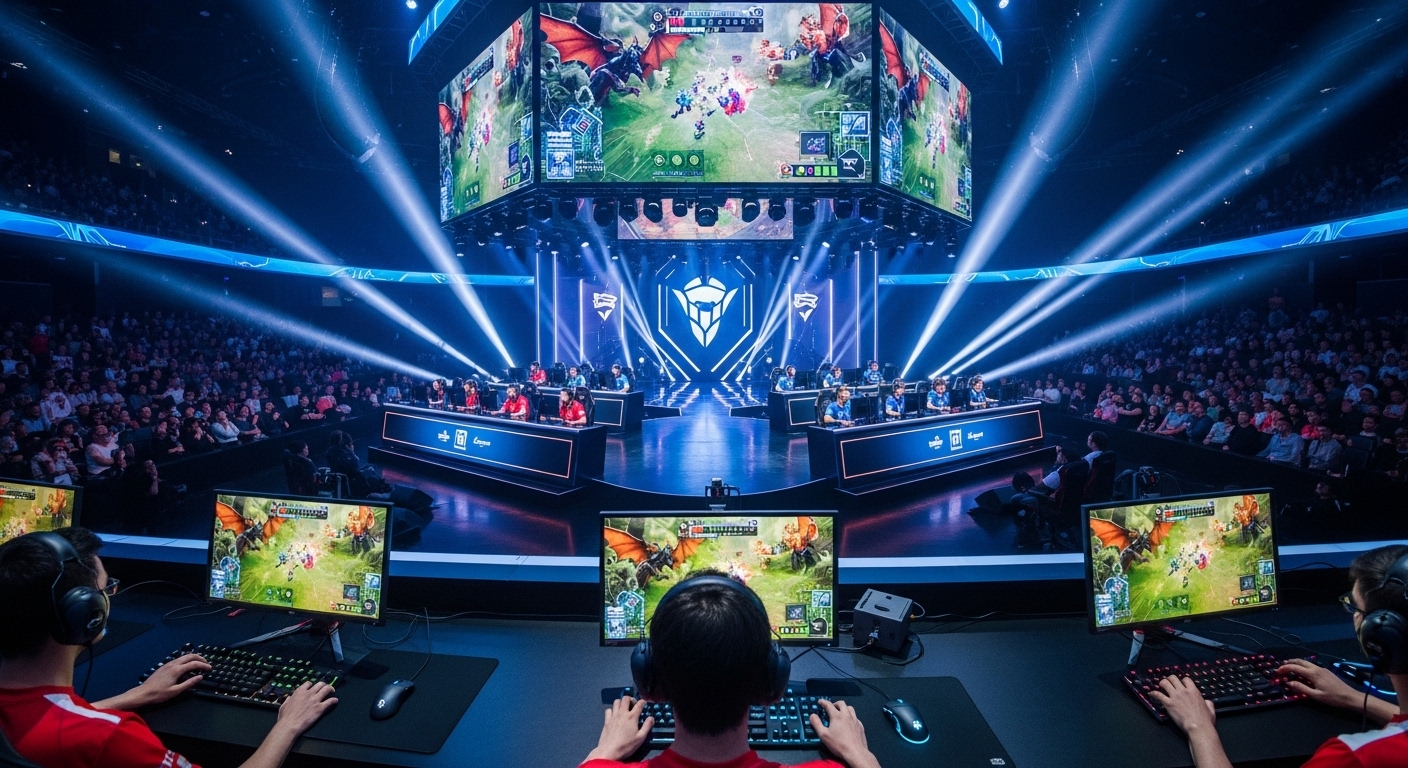
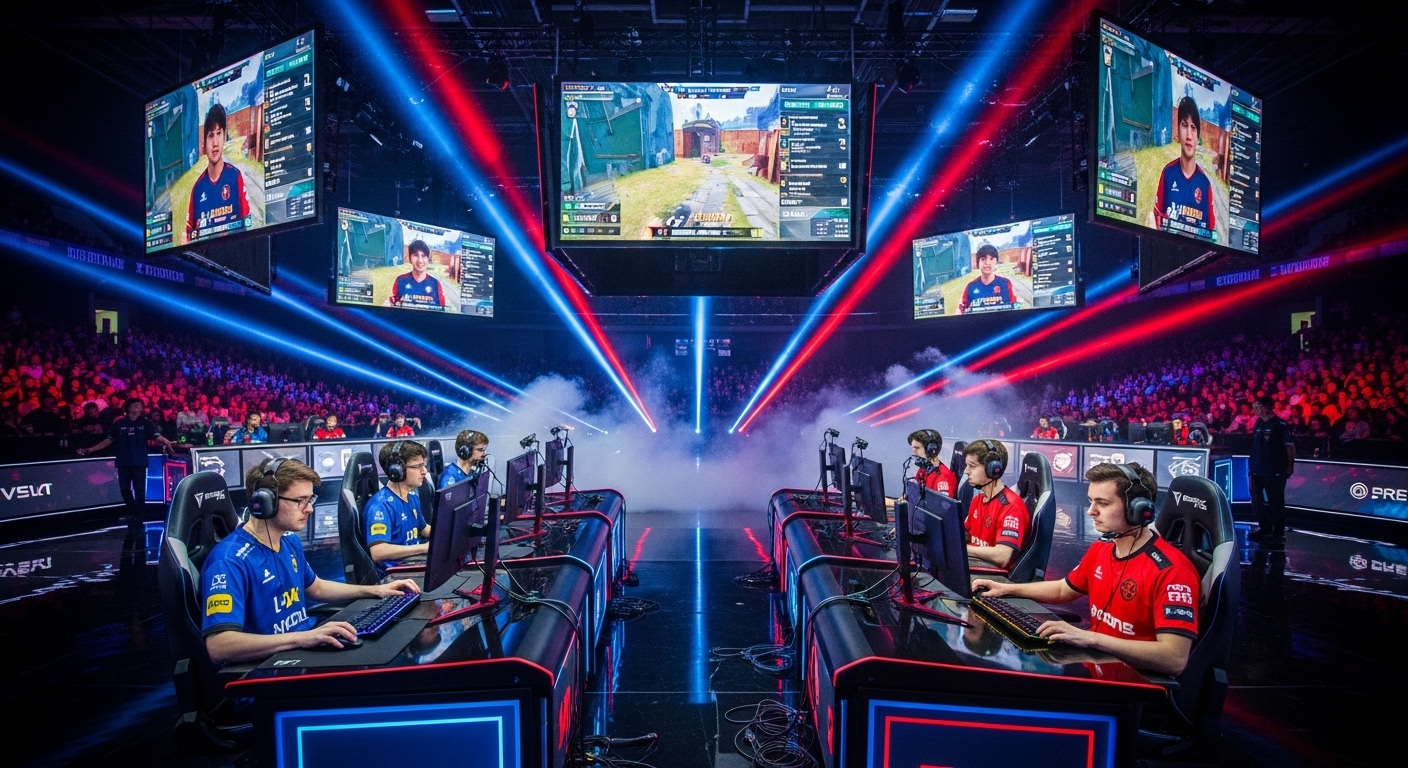
Esports events started filling arenas with cheering crowds, complete with stage lights, commentators, and intense atmospheres rivaling traditional sports. These developments helped esports earn recognition as a legitimate competitive field rather than a casual pastime.
The Appeal of Esports for Players
One of the biggest reasons esports has gained immense popularity is its accessibility. Unlike traditional sports, which often require physical attributes, expensive training facilities, or specialized equipment, esports simply requires a gaming device, an internet connection, and dedication.
Esports players must master complex mechanics, strategic decision-making, teamwork, and perseverance. The learning curve is steep, but the rewards are enormous. Many players begin their journey by competing online, climbing ranked ladders, or joining amateur leagues. With enough talent and practice, they may be scouted by professional teams or organizations.
The Rise of Professional Teams and Coaching
Professional esports teams operate much like traditional sports teams. They have managers, coaches, analysts, nutritionists, and psychologists supporting their players. Training schedules are intense, often involving long hours of practice, strategy discussions, and replay analysis.
Coaches play a crucial role in shaping strategies, identifying weaknesses, and preparing teams for high-stakes tournaments. Analysts break down gameplay frame by frame, helping players improve reaction times and in-game decision-making. This level of structure and discipline has elevated esports to match the professionalism seen in established sports industries.
The Role of Streaming and Content Creation
Streaming platforms have revolutionized esports by offering players and fans a way to connect in real time. Competitive games are exciting to watch, and platforms that allow live viewing have helped esports reach a global audience. Players can stream their practice sessions, interact with fans, and build personal brands.
Content creation has become an essential part of the esports ecosystem. Many retired professionals or aspiring players turn to streaming as a full-time career. This allows them to earn income, stay engaged with their communities, and remain connected to the gaming world.
Sponsorships and Economic Impact
The business side of esports has expanded almost as rapidly as the games themselves. Major companies across industries recognize the value of investing in esports because the audience is large, engaged, and often young. Sponsorship deals from brands related to technology, beverages, apparel, and even financial institutions have flooded the market.
Prize money for tournaments has reached staggering amounts, especially for games like Dota 2. Advertising, merchandising, ticket sales, and broadcasting rights contribute to the massive financial ecosystem that surrounds esports. This economic boom has not only benefited players but has also created thousands of jobs in event production, game development, digital marketing, and media.
Esports and Global Culture
Esports has become part of global culture, influencing how people interact, socialize, and express themselves. Teams have passionate fan bases, complete with chants, merchandise, and social media communities. Esports jerseys are worn proudly, and players are celebrated as celebrities.
Gaming conventions, festivals, and fan meetups bring people together from all corners of the world. Esports has broken cultural, geographical, and linguistic boundaries, uniting individuals through a shared passion for competition and digital entertainment.
The Skills Behind the Screen
While many people still underestimate competitive gaming, esports demands numerous skills that are just as impressive as those required in traditional sports. Players must demonstrate fast reaction times, hand-eye coordination, strategic planning, communication, adaptability, and emotional control.
Many of these skills transfer to real-life situations. The discipline developed through esports helps players manage time, tackle challenges, and collaborate effectively. These qualities make esports more than just a game. It becomes a training ground for personal growth and development.
The Importance of Mental and Physical Health
As esports has evolved, the importance of maintaining both physical and mental health has become clearer. Players often spend long hours practicing, which can lead to fatigue, stress, and burnout. To combat this, many teams now incorporate physical exercise, balanced diets, and mental wellness routines into their training programs.
Esports psychologists help players handle pressure, maintain focus, and build confidence. Ensuring players stay healthy is essential for maximizing performance and prolonging careers in the competitive gaming world.
Esports in Education
Educational institutions around the world are increasingly embracing esports. Schools and universities offer esports clubs, competitive teams, and even scholarships for talented players. This integration validates esports as a legitimate extracurricular activity that develops valuable skills.
Academic programs focused on esports management, game design, marketing, and broadcasting are helping students prepare for careers in the industry. This educational shift highlights the growing acceptance of esports as a serious and promising field.
Challenges Facing the Esports Industry
Despite its success, esports faces several challenges. Maintaining fair competition is a constant concern due to issues like cheating or match-fixing. Regulations vary across regions, making global standards difficult to enforce.
Another concern is the intense pressure on young players, who often enter the professional scene at very early ages. Developing support systems that protect their well-being is critical for the industry’s long-term health.
The Future of Esports
The future of esports holds limitless potential. As technology continues to advance, new forms of competitive gaming will emerge. Virtual reality, augmented reality, and artificial intelligence may revolutionize how games are played and experienced.
Esports may also continue to merge with traditional sports, creating hybrid events that appeal to even broader audiences. More nations may officially recognize esports athletes, and global tournaments may expand further. The community-driven, innovative spirit of esports ensures that it will continue to evolve in exciting and unexpected ways.
Conclusion
Esports has come a long way from its humble beginnings, transforming into a global phenomenon that blends skill, technology, culture, and passion. It offers players a path to professional competition, fans a new form of entertainment, and businesses a booming industry full of opportunity.
As esports continues to grow and influence society, one thing is clear: it is far more than just playing games. It is a dynamic arena where digital champions rise, stories unfold, and millions join together to celebrate the thrill of competition. The esports revolution has only just begun, and its impact will shape the future of entertainment for generations to come.