





Introduction
Esports, once a niche interest, has rapidly evolved into a cultural and economic powerhouse. What began as small gatherings of competitive gamers has transformed into a global phenomenon that attracts millions of viewers, generates billions of dollars, and is even recognized by universities and professional organizations worldwide. Whether you’re a casual gamer, a professional competitor, or someone who simply enjoys watching competitive gaming, the rise of esports has revolutionized the world of entertainment. This blog will explore the origins, growth, and cultural impact of esports, providing a comprehensive look at how this digital sport has become a defining force in the 21st century.
The Birth and Growth of Esports
Esports, short for electronic sports, refers to competitive video gaming at a professional level. Its origins can be traced back to the early days of online multiplayer games. In the late 1990s and early 2000s, games like “Quake” and “StarCraft” began to gain popularity in South Korea, where professional tournaments were first organized. The turn of the millennium saw the emergence of LAN (Local Area Network) parties, where players gathered to compete in person, fueling the competitive gaming culture. These early events were small, often held in community centers or college campuses, but they laid the groundwork for what would become a global esports industry.
The first major milestone for esports came in 1997 when the “Red Annihilation” tournament for the game “Quake” was held, with the winner earning a prize of $10,000. From there, the esports scene grew in scale and sophistication, with games like “Warcraft III” and “Counter-Strike” drawing large audiences. However, it wasn’t until the rise of “League of Legends” and other multiplayer online battle arena (MOBA) games in the late 2000s that esports began to truly explode in popularity.
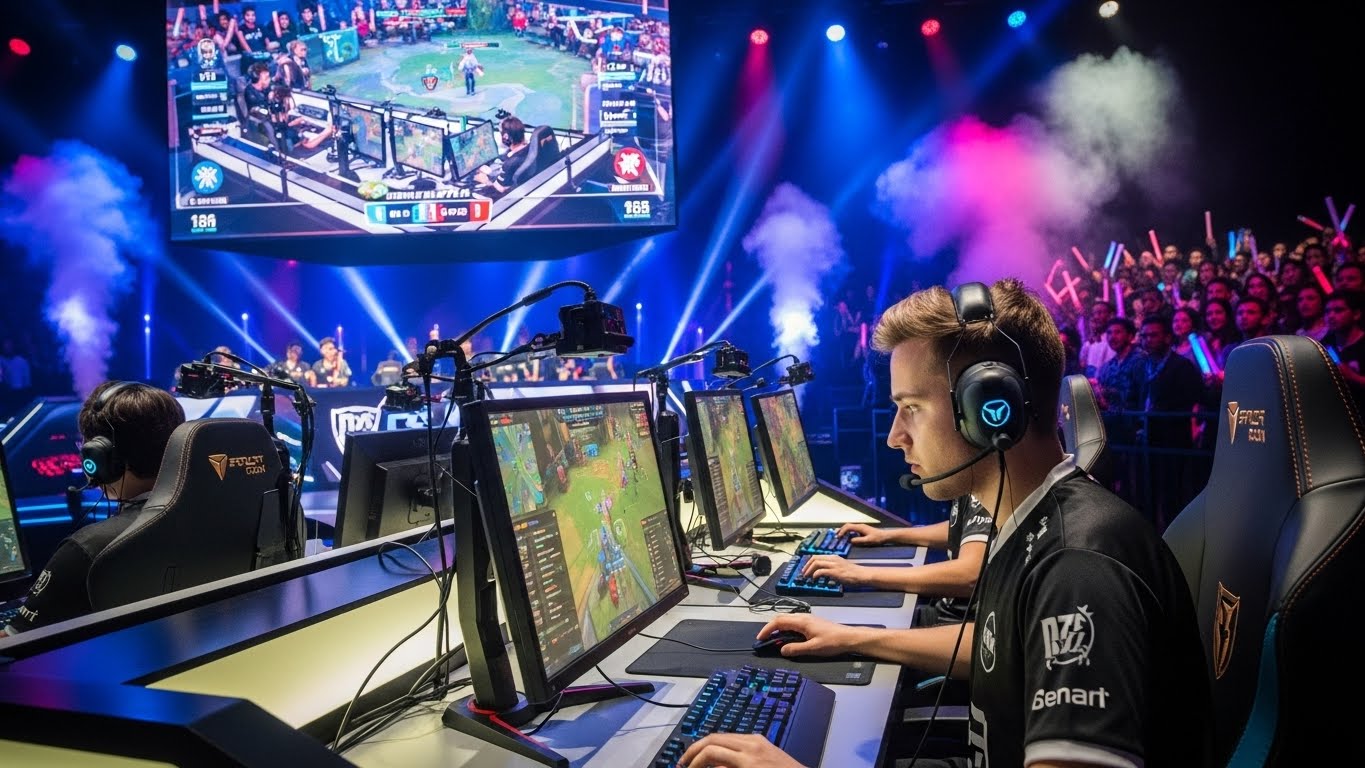
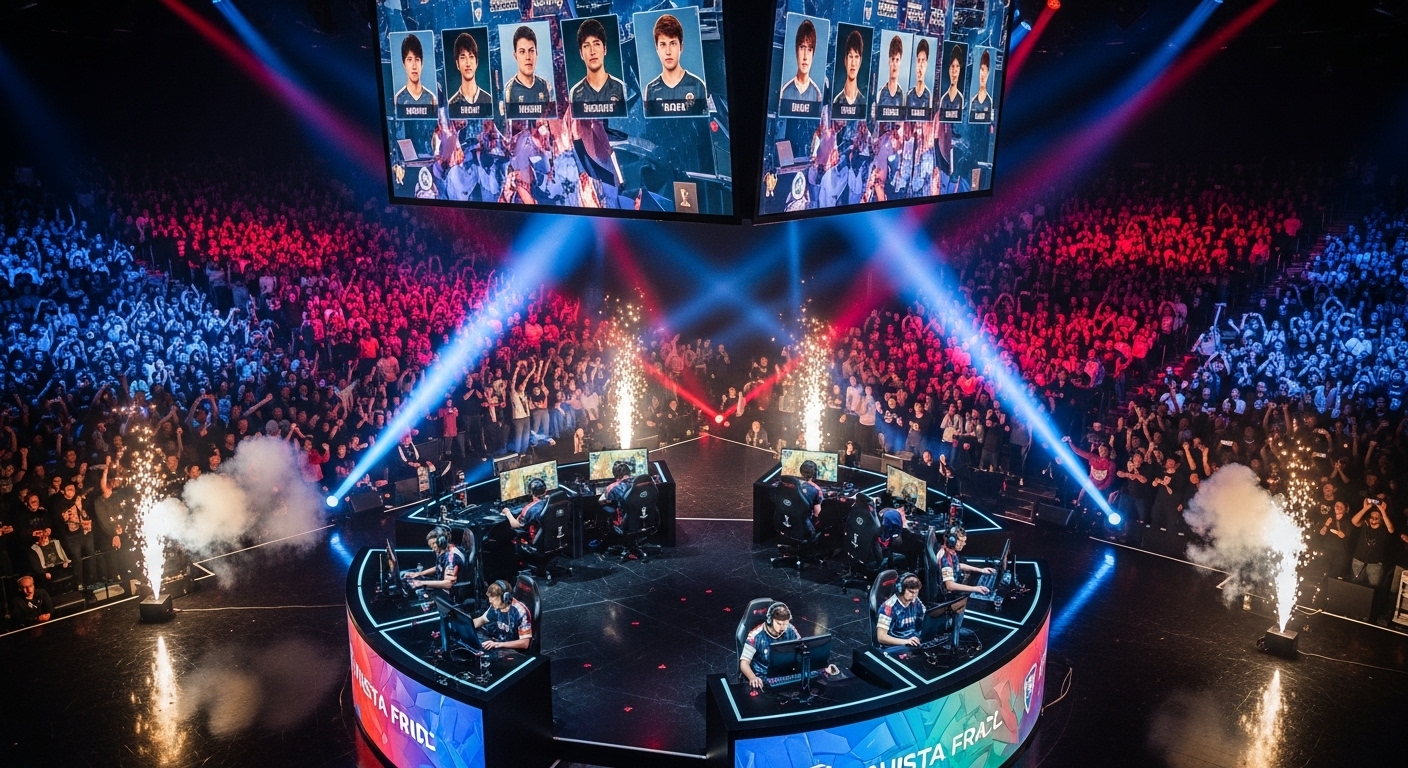
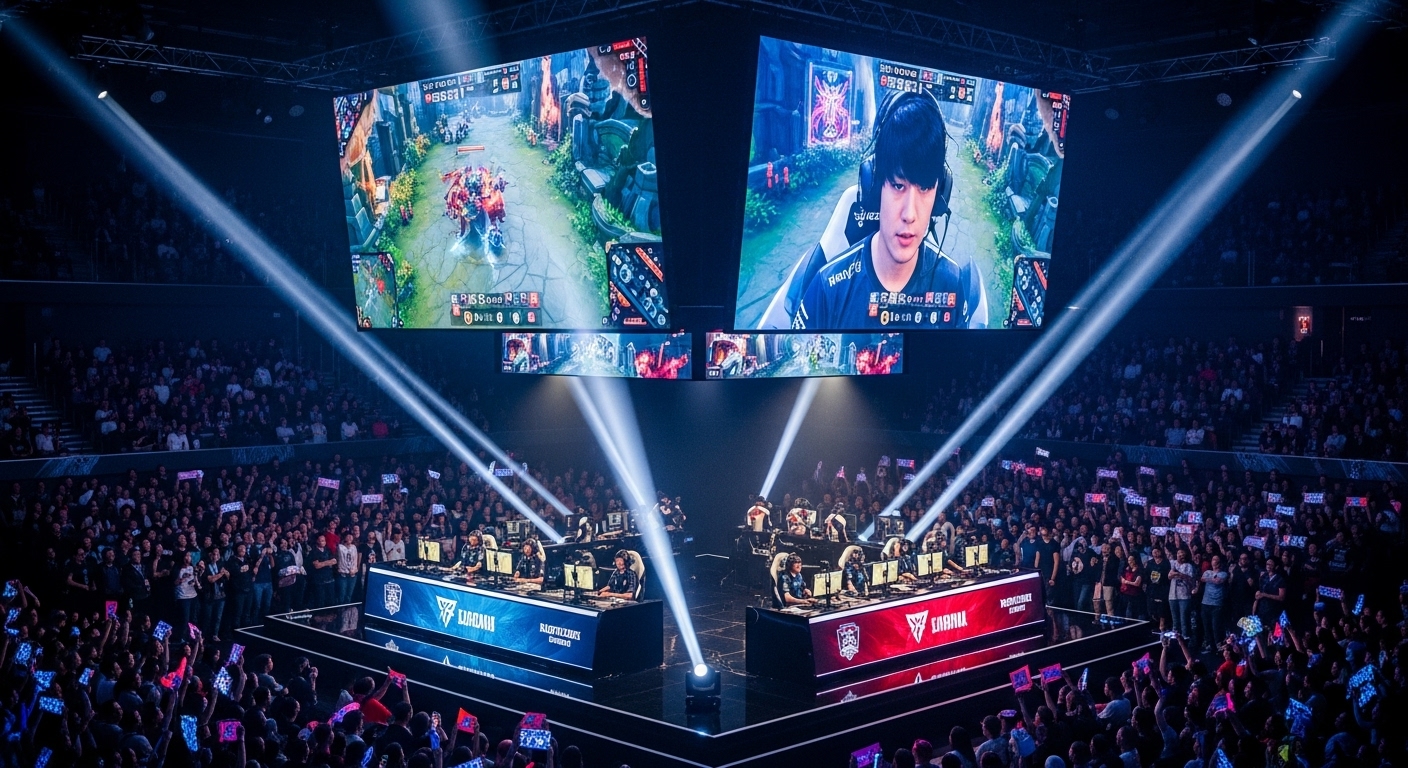
As esports tournaments started attracting large audiences and corporate sponsors, the industry began to resemble traditional sports leagues, with professional teams, coaches, analysts, and broadcasters. Today, esports events are held in massive arenas, streamed to millions of viewers worldwide, and feature multi-million-dollar prize pools, marking esports as a significant force in the global entertainment industry.
The Economic Power of Esports
Esports has quickly transformed into a multi-billion-dollar industry. In 2021, the global esports market was valued at over $1 billion, and this number is projected to grow in the coming years. The revenue is generated through various streams, including sponsorships, advertising, media rights, ticket sales, merchandise, and esports betting. Major brands from various industries, including technology, automobiles, apparel, and energy drinks, have invested heavily in esports, seeing it as an opportunity to reach a young, tech-savvy audience.
Sponsorship deals are one of the primary sources of revenue for esports teams and tournaments. Companies like Intel, Red Bull, Coca-Cola, and Nike have made significant investments, helping to elevate esports from a hobbyist activity to a mainstream form of entertainment. In 2021, the League of Legends World Championship, one of the most prestigious esports tournaments, generated more than $35 million in revenue, showcasing the immense commercial potential of competitive gaming.
Broadcasting and media rights have also played a crucial role in the industry’s growth. Platforms like Twitch, YouTube Gaming, and Facebook Gaming allow fans to watch live streams of their favorite games and players in real-time. These platforms have not only enabled greater visibility for esports but have also given rise to a new generation of streamers and influencers who have built careers around broadcasting their gameplay. Esports broadcasts attract millions of viewers, with large-scale events often drawing viewership comparable to traditional sports like the Super Bowl or the FIFA World Cup.
The Most Popular Esports Games: From MOBAs to Battle Royales
One of the defining characteristics of esports is the wide variety of games that are played competitively. The games featured in major esports tournaments are often highly skill-based and require players to master complex strategies, quick reflexes, and teamwork. The most popular esports titles have a few common traits: they are highly competitive, have a dedicated player base, and provide viewers with exciting and engaging gameplay.
One of the most influential games in the esports landscape is “League of Legends.” Developed by Riot Games, “League of Legends” is a multiplayer online battle arena (MOBA) game that has been the centerpiece of competitive gaming for over a decade. The game’s annual World Championship attracts millions of viewers, and the professional leagues in North America, Europe, and China feature multi-million-dollar prize pools. “League of Legends” is a prime example of how a game can evolve into an esport, with its highly structured competitive ecosystem and passionate fan base.
Another esports giant is “Dota 2,” developed by Valve Corporation. Known for its deep strategy and high skill ceiling, “Dota 2” has been a dominant force in esports since its release in 2013. The game’s biggest tournament, The International, consistently boasts one of the largest prize pools in esports history, often exceeding $30 million. “Dota 2” features a unique gameplay style that appeals to both players and spectators, combining strategy, mechanics, and teamwork in a highly competitive environment.
The rise of battle royale games has also had a profound impact on the esports scene. Titles like “Fortnite” and “PUBG” have introduced a new genre of competitive gaming that focuses on survival, strategy, and individual skill. “Fortnite” in particular, with its vibrant graphics and innovative building mechanics, has become a cultural phenomenon, with both casual players and professional esports teams competing in high-stakes tournaments. The Fortnite World Cup, held in 2019, featured a $30 million prize pool, further cementing the game’s place in esports history.
The Esports Ecosystem: Teams, Players, and Tournaments
At the heart of esports is its ecosystem of professional players, teams, tournaments, and fans. The competitive gaming scene operates similarly to traditional sports leagues, with professional teams recruiting top-tier players and competing in structured tournaments. Esports teams, like Cloud9, Team Liquid, and Fnatic, are akin to traditional sports franchises, with players often signing contracts, receiving salaries, and having coaches and analysts to help them refine their skills.
Esports tournaments are the culmination of months of training and competition, where players and teams face off in high-stakes matches for massive prize pools. These tournaments are often broadcast live, with thousands of spectators watching in person and millions more tuning in online. Some tournaments are single-elimination events, while others are part of a league system, where teams compete for points over the course of a season.
Major esports events include the League of Legends World Championship, The International (for “Dota 2”), the Fortnite World Cup, and the ESL Pro League (for “Counter-Strike: Global Offensive”). These tournaments attract top players from around the world, with some offering prize pools that rival those of traditional sports competitions. The sheer scale and excitement of these events have made esports a cultural touchstone, drawing in fans from diverse backgrounds.
Esports Streaming: The Future of Entertainment
One of the key factors behind the rise of esports is the advent of streaming platforms like Twitch, YouTube Gaming, and Facebook Gaming. These platforms have revolutionized the way esports content is consumed, allowing fans to watch live gameplay, engage with streamers, and become part of a global community. Streaming has opened up new opportunities for both players and fans to connect in ways that were not possible before.
For professional players, streaming has become a way to supplement their income and build their personal brand. Many top esports athletes stream regularly, providing fans with a behind-the-scenes look at their practice routines, gameplay, and lifestyle. Some streamers, like Ninja and Shroud, have become household names, building massive followings and branching out into mainstream entertainment. These streamers have helped bring esports into the spotlight, turning gaming into a viable career path.
For viewers, esports streaming provides an immersive and interactive experience. Fans can watch live events, engage with commentators, and chat with other viewers during matches. The rise of esports streaming has created a new form of entertainment that is both engaging and accessible, offering fans the chance to watch their favorite games and players compete at the highest level.
The Future of Esports: Innovation, Challenges, and Growth
As esports continues to grow, there are several challenges and opportunities on the horizon. One of the primary challenges is the need for better regulation and governance to ensure fair play and player welfare. Esports, like traditional sports, faces issues such as cheating, match-fixing, and burnout. As the industry matures, it will need to implement more robust systems to address these concerns and maintain the integrity of competitive gaming.
On the other hand, there are also immense opportunities for innovation. The development of virtual reality (VR) and augmented reality (AR) gaming could revolutionize esports by offering new ways for players to interact with games and for fans to experience competitions. Moreover, the continued growth of mobile gaming presents new avenues for esports expansion, as games like “PUBG Mobile” and “Clash Royale” have already proven to be successful esports titles.
In terms of cultural impact, esports will likely continue to blur the lines between gaming and traditional entertainment. As more networks and platforms invest in esports, we could see more esports events featured on mainstream television, attracting even broader audiences. The global nature of esports, combined with its youth-driven demographic, positions it to become a permanent fixture in the entertainment industry.
Conclusion
Esports has come a long way from its early days as a niche hobby. Today, it is a thriving global industry that rivals traditional sports in terms of popularity, viewership, and revenue. With its dynamic games, professional teams, and massive fan base, esports is reshaping the landscape of competitive gaming and entertainment. As the industry continues to grow and evolve,