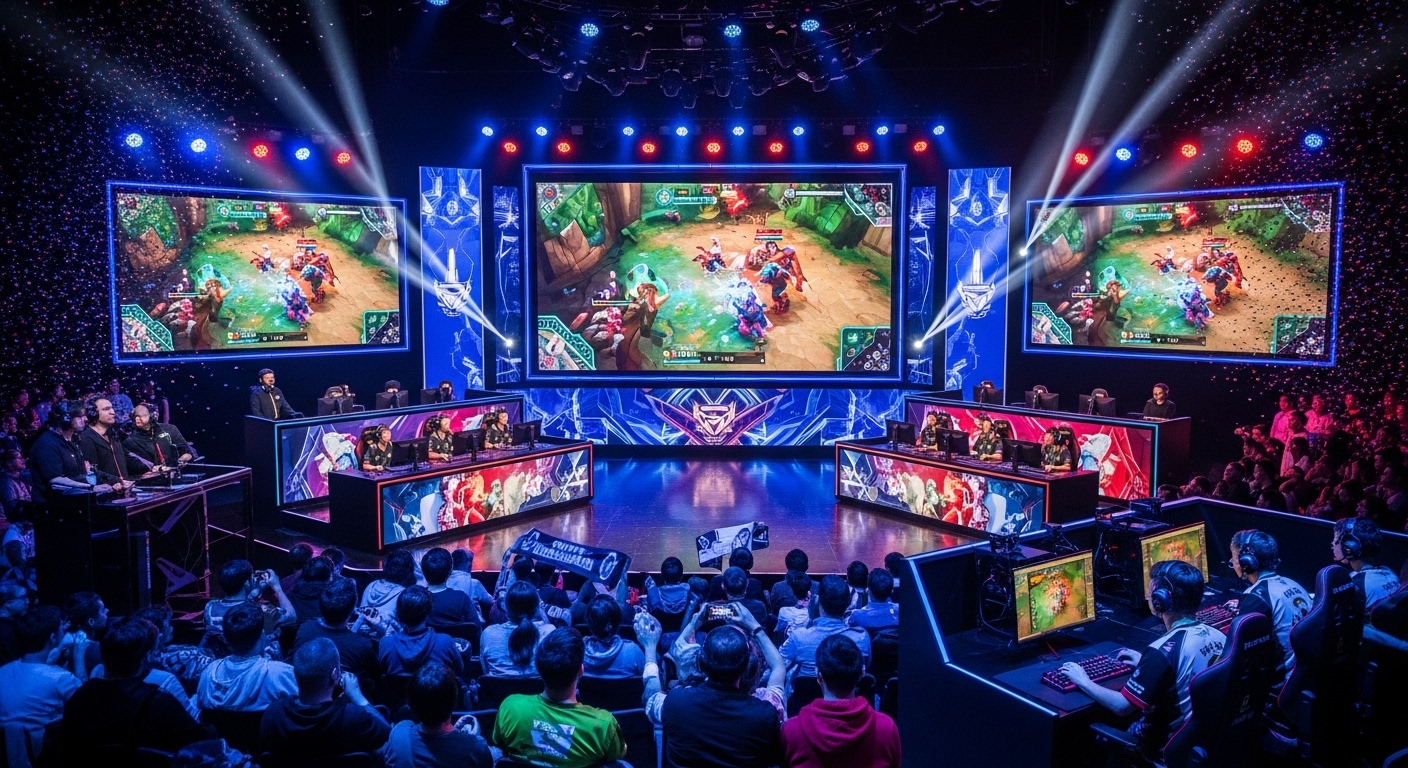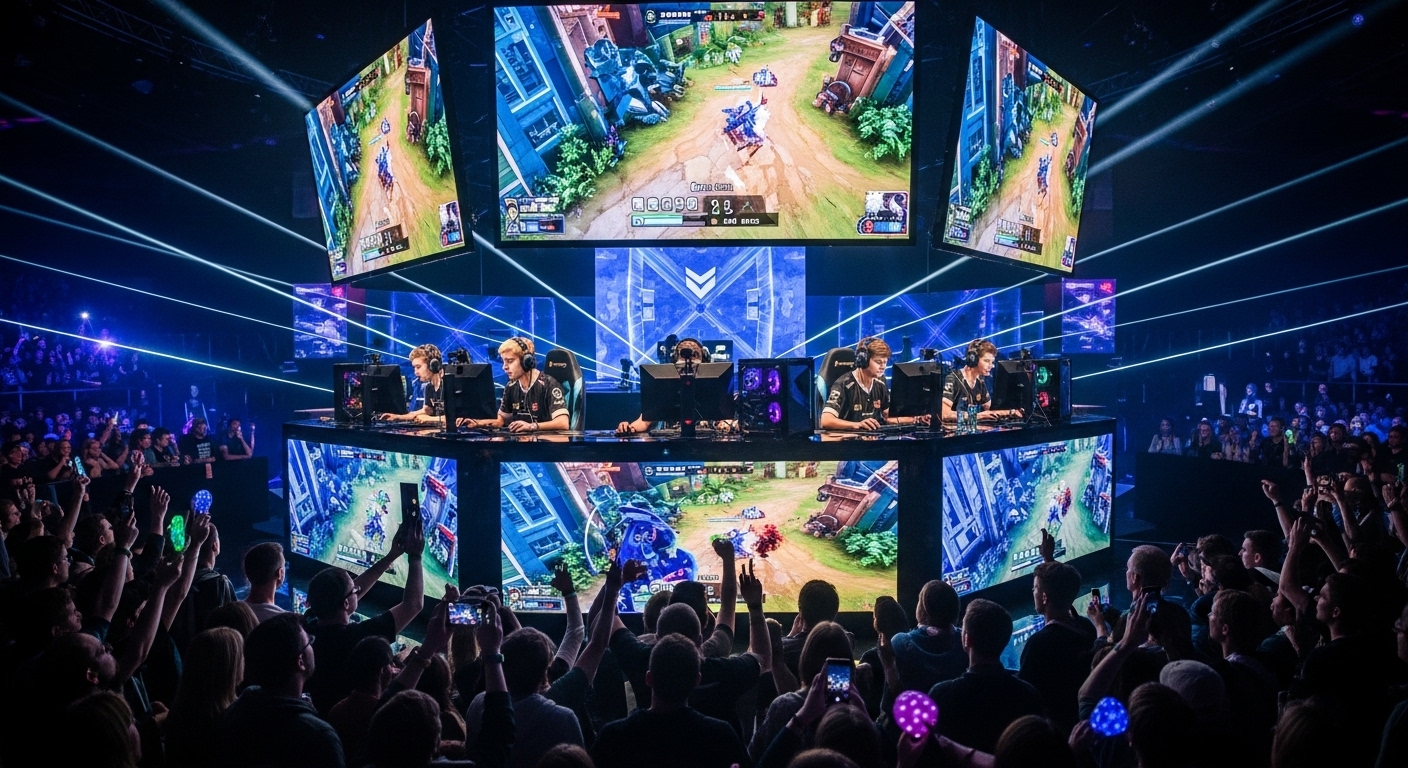






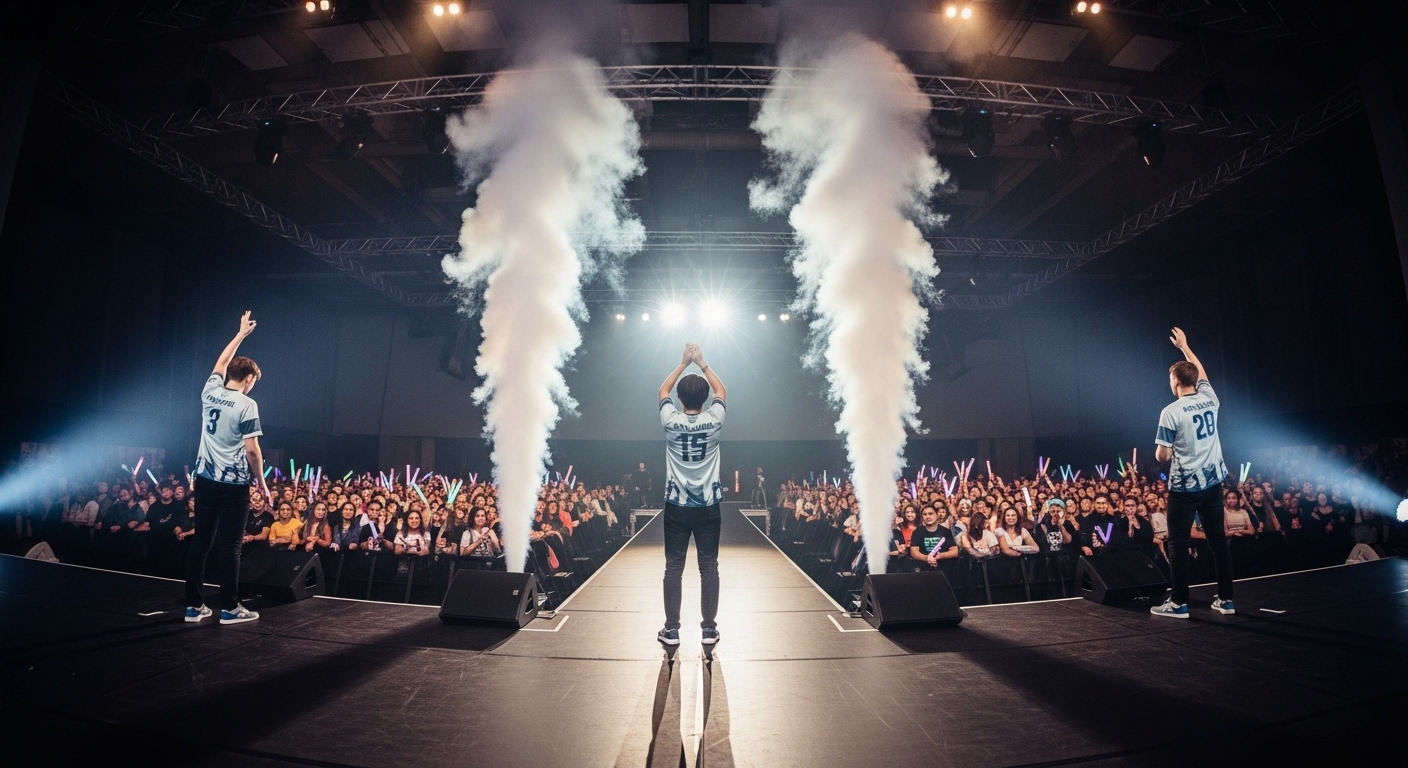
Esports, or electronic sports, is a rapidly growing industry that has captivated millions of fans and players around the world. What began as a niche hobby for a small group of gamers has transformed into a global phenomenon, with massive prize pools, professional teams, and millions of viewers tuning in to watch competitions. The esports landscape has evolved over the last few decades, shaped by advances in technology, changing cultural perceptions of gaming, and the growing recognition of video games as legitimate sports.
In this blog post, we’ll take a deep dive into the history, growth, and future of esports. From its humble beginnings in the early 1990s to its current status as a multibillion-dollar industry, esports has experienced dramatic changes. Along the way, we’ll explore the major milestones, key players, and the factors that contributed to esports becoming one of the most exciting and influential entertainment sectors in the world.
1. The Early Days: From LAN Parties to Arcade Competitions
The roots of competitive gaming can be traced back to the early 1990s, long before the industry exploded into the massive spectacle it is today. During this period, gaming was largely confined to the realm of arcades and personal computers. The first significant esports events were held in informal settings, such as local competitions or LAN (Local Area Network) parties, where players would gather in person to compete against one another in multiplayer games.
Arcade games like Street Fighter II, Mortal Kombat, and Pac-Man attracted a loyal following of competitive players. These games allowed gamers to test their skills against each other, albeit in a more casual environment than the professionally organized tournaments we see today. Although these competitions weren’t as formal or widely broadcasted as modern esports events, they were the foundation for competitive gaming and helped cultivate the first generation of esports fans and players.
One of the first significant competitive gaming events took place in 1997, with the Red Annihilation tournament for Quake, a first-person shooter (FPS) game developed by id Software. The event had a relatively modest prize pool, but it set the stage for the esports tournaments to come. The Red Annihilation tournament is often considered one of the earliest major esports competitions and marked the first time players from all over the world could compete on an equal footing.
2. The Rise of Online Gaming and Early Esports Leagues
As the internet began to expand in the late 1990s and early 2000s, the landscape of gaming shifted dramatically. Online gaming allowed players to connect with others around the world, creating a global community that was no longer confined to physical locations. This paved the way for the next phase in the development of esports.
One of the earliest examples of organized online competitions was the World Cyber Games (WCG), which was founded in 2000. The WCG quickly became one of the most prominent esports tournaments in the world, drawing players from across the globe to compete in a variety of games. As the popularity of online gaming grew, so did the number of competitive gaming events, with titles like StarCraft, Warcraft III, Counter-Strike, and Quake III Arena becoming staples of the competitive gaming scene.
During this period, a number of online gaming platforms and leagues emerged, such as the Cyberathlete Professional League (CPL), which was founded in 1997 and began organizing tournaments for games like Quake and Unreal Tournament. These leagues helped to standardize the competitive gaming environment, setting the stage for the more formalized esports structure we know today.
The early 2000s also saw the rise of Real-Time Strategy (RTS) games like StarCraft and Warcraft III, which introduced a new level of strategic depth to competitive gaming. StarCraft became particularly popular in South Korea, where esports would take on a cultural significance. By the mid-2000s, South Korea had become the epicenter of professional esports, with television broadcasts of major StarCraft tournaments and the rise of professional gaming teams and players.
3. The Explosion of Esports in the 2010s: From Niche to Mainstream
The 2010s marked the beginning of esports’ meteoric rise into the mainstream. As internet speeds increased and streaming platforms like Twitch and YouTube became more popular, competitive gaming was able to reach a much larger audience. The combination of improved technology, growing viewership, and increased investment from sponsors and advertisers helped esports achieve its current level of global prominence.
One of the most notable milestones in this period was the launch of League of Legends (LoL) by Riot Games in 2009. The game quickly became one of the most popular multiplayer online battle arena (MOBA) games in the world. With its engaging gameplay, strategic depth, and accessibility, League of Legends helped turn esports into a global phenomenon. Riot Games took the initiative to organize the League of Legends World Championship, a tournament that has grown to become one of the largest and most prestigious events in the esports calendar.
At the same time, Dota 2, developed by Valve Corporation, was making waves in the competitive gaming world. The International, the annual Dota 2 tournament, became famous for its massive prize pools, often exceeding tens of millions of dollars. This drew significant attention to esports, not just from players, but from sponsors, investors, and mainstream media outlets as well.
The rise of Twitch was another major development during this time. Launched in 2011, Twitch quickly became the go-to platform for watching live streams of gaming tournaments and casual gameplay. Twitch’s integration with major esports events allowed fans to watch their favorite teams and players compete in real-time, and it helped foster a sense of community among esports fans. With millions of viewers tuning in to watch major events like League of Legends World Championships, The International, and Counter-Strike: Global Offensive (CS:GO) tournaments, esports was firmly established as a mainstream entertainment industry.
4. The Professionalization of Esports: Teams, Salaries, and Sponsorships
As esports grew, it began to professionalize. Players were no longer just hobbyists; they were full-time professionals, competing in tournaments for substantial prize money, sponsorships, and salaries. The biggest esports teams in the world, such as Team Liquid, Cloud9, FaZe Clan, and G2 Esports, became household names, recruiting top-tier players and building brands that extended beyond the gaming world.
One of the key factors driving the professionalization of esports was the influx of sponsorships and endorsements from major brands. Companies like Red Bull, Intel, Coca-Cola, Nike, and Adidas began to recognize the massive reach of esports and invested heavily in the industry. These brands sponsored tournaments, esports teams, and individual players, providing financial support and legitimacy to the growing scene.
Esports organizations also started to focus on developing their players’ skills through dedicated training facilities, coaching staff, and performance analysts. Similar to traditional sports, top esports teams began to offer player salaries, health benefits, and contracts. For many players, esports became not just a hobby, but a career path, with the potential for long-term financial success.
At the same time, the rise of streaming platforms like Twitch allowed esports players and content creators to earn money through subscriptions, donations, and ad revenue. Streaming personalities like Ninja, Shroud, and Pokimane became celebrities in their own right, drawing millions of viewers and making a significant impact on the culture of esports.
5. The Globalization of Esports: A Cultural Phenomenon
Esports has become a truly global phenomenon, with competitions held in every corner of the world. The international appeal of games like League of Legends, Counter-Strike: Global Offensive, Overwatch, and Valorant has transcended geographical boundaries. Major tournaments are now held in countries across North America, Europe, Asia, and beyond, with millions of fans tuning in from all over the world.
The League of Legends World Championship is a prime example of the globalization of esports. The tournament attracts teams from regions as diverse as North America, Europe, South Korea, China, and Brazil. The final match of the World Championship is watched by millions of viewers, with crowds filling massive arenas like the Bird’s Nest in Beijing and the AccorHotels Arena in Paris.
South Korea, in particular, has played a pivotal role in the development of esports. The country’s government has embraced esports, and it has become an integral part of the nation’s cultural fabric. South Korean players are some of the most successful and well-known in the world, and esports tournaments are broadcast on national television. The country’s success in StarCraft, League of Legends, and other games has inspired esports enthusiasts around the world.
6. The Future of Esports: Challenges and Opportunities
As esports continues to grow, there are both challenges and opportunities ahead. One of the biggest challenges is the sustainability of the industry. While esports has grown rapidly, there are concerns about the long-term viability of certain games, tournament structures, and revenue models. Game developers, tournament organizers, and teams must work together to ensure that the industry remains sustainable and that players are protected both financially and physically.
Esports also faces challenges related to player health and well-being. The demands of professional gaming can be intense, with players training for hours each day and competing in high-pressure environments. This can lead to burnout, physical strain, and mental health issues. As esports becomes more professional, it will be important for organizations to prioritize player health and provide the necessary support systems.
At the same time, there are significant opportunities for further growth. The development of new technologies, such as virtual reality (VR) and augmented reality (AR), could open up new possibilities for esports competitions. New games, new platforms, and new forms of entertainment will continue to shape the future of the industry. Esports may even become an official part of major sporting events, such as the Olympic Games, further cementing its place in mainstream culture.
7. Conclusion: Esports as the Future of Entertainment
Esports has come a long way since its early days in the arcades and LAN parties of the 1990s. Today, it is a global industry with millions of fans, top-tier professional players, and substantial financial backing. As technology continues to evolve and the cultural acceptance of gaming grows, esports will only continue to thrive. With its massive potential for growth, innovation, and entertainment, esports has established itself as one of the most exciting and influential industries in the world.
Whether you’re a casual gamer or a professional player, esports offers something for everyone. The future is bright for this digital sport, and its impact on entertainment, culture, and society will only continue to grow in the years to come.