




Introduction: From Hobby to Spectacle
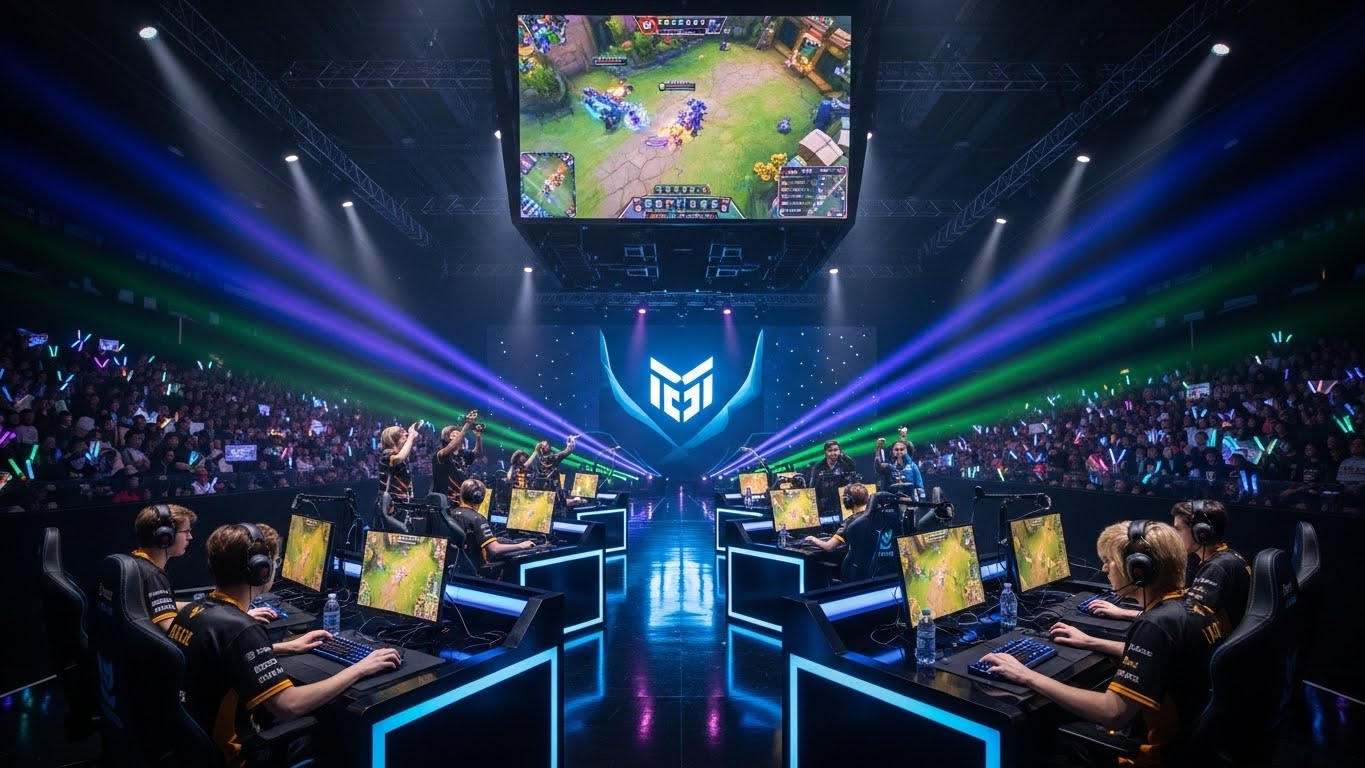
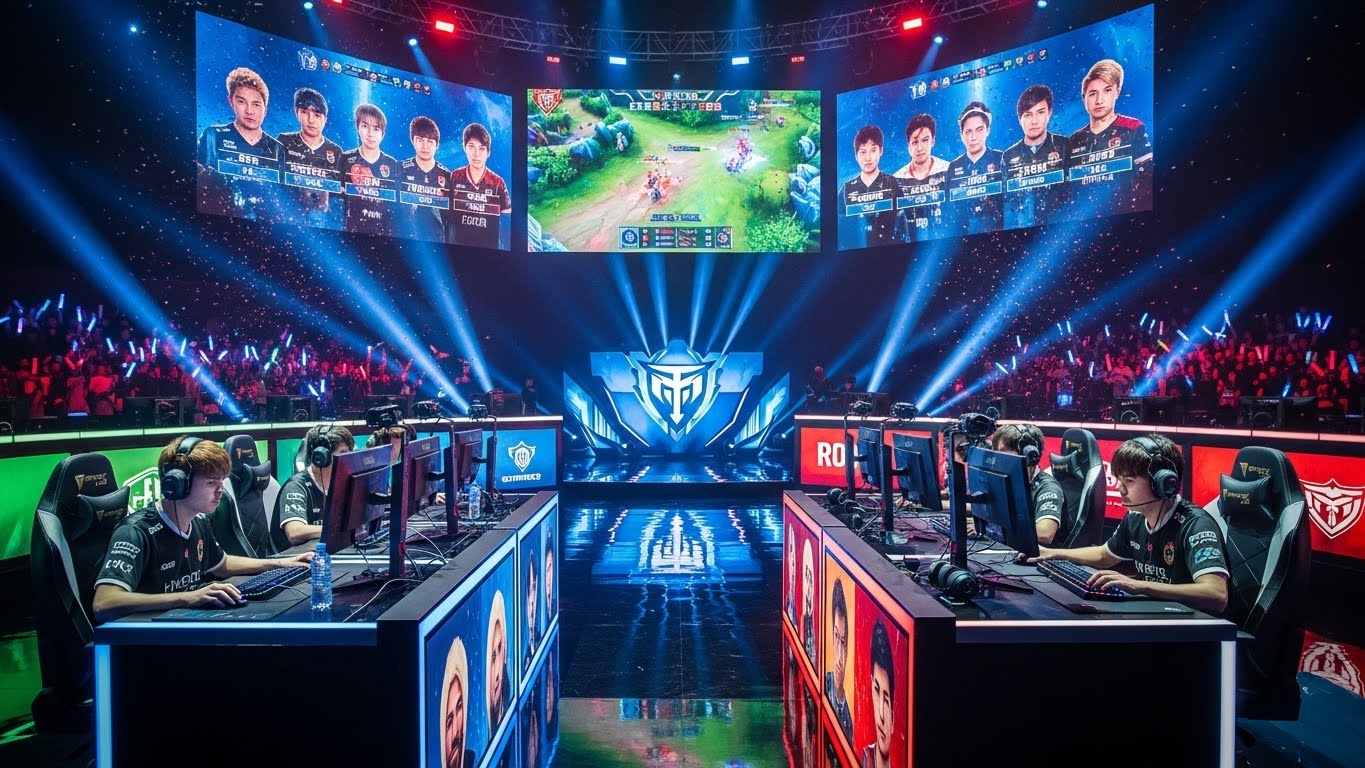
There was a time when playing video games was considered a solitary hobby, tucked away in bedrooms or internet cafés. Today, that same pastime has evolved into a billion-dollar global industry known as Esports—a world where professional players, teams, sponsors, and millions of fans gather around virtual arenas with the same excitement that once belonged only to traditional sports.
Esports is not just about gaming; it’s about competition, culture, technology, and a new generation redefining what it means to be an athlete. This transformation didn’t happen overnight—it took decades of evolution, innovation, and community passion.
The Early Roots of Competitive Gaming
The seeds of Esports were planted long before streaming platforms and sponsorships entered the scene. The earliest known video game competition dates back to 1972, when students at Stanford University competed in a game called Spacewar!. The winner received a year’s subscription to Rolling Stone magazine—hardly the million-dollar prizes we see today, but it was a start.
During the 1980s, arcade games like Pac-Man and Donkey Kong became a testing ground for competitive players. The Twin Galaxies scoreboard was a key institution, recording high scores and fueling rivalries between players who had never met in person. It was the era of bragging rights and leaderboards, long before online connectivity made global competition possible.
By the 1990s, things started to shift. The introduction of local area network (LAN) play and multiplayer PC games such as Doom, Quake, and StarCraft allowed players to compete head-to-head in real time. It was here that professional gaming began to take shape.
The 2000s: The Foundation of Modern Esports
The 2000s were the turning point for Esports. Broadband internet, improved graphics, and the birth of online gaming communities created fertile ground for large-scale competitions. Titles like Counter-Strike 1.6, Warcraft III, and Halo became staples of organized play.
During this decade, major tournaments like the World Cyber Games (WCG) and Electronic Sports World Cup (ESWC) emerged. South Korea, in particular, became the center of Esports culture. Professional StarCraft players achieved celebrity status, appearing on television, signing sponsorship deals, and playing in sold-out stadiums.
The idea that someone could make a living playing video games was still unbelievable to many, but it was becoming real. Teams, coaches, and training regimens began to resemble traditional sports organizations.
The Streaming Revolution: How the Internet Changed Everything
Esports truly exploded with the rise of live streaming platforms in the 2010s. Platforms like Twitch and YouTube Gaming made it possible for anyone, anywhere, to watch professional matches in real time. Suddenly, Esports wasn’t limited to local tournaments—it became a global broadcast.
Games like League of Legends, Dota 2, and Counter-Strike: Global Offensive began to dominate the scene. Their developers actively supported competitive play, funding major tournaments and offering multi-million-dollar prize pools.
The International, Dota 2’s flagship tournament, set records year after year, with fans crowd-funding prize pools that reached tens of millions of dollars. Likewise, League of Legends Worlds became an annual spectacle watched by millions.
Streaming also gave rise to new types of gaming celebrities. Players weren’t just competitors—they were entertainers, influencers, and role models. The community could interact directly with their favorite pros, breaking down the barrier between athlete and fan.
The Business of Esports
Behind the flashing lights and roaring crowds lies a sophisticated business ecosystem. Esports has attracted investments from traditional sports franchises, technology companies, and global brands.
Revenue in Esports comes from several streams: sponsorships, advertising, ticket sales, media rights, and merchandise. Top organizations like T1, FaZe Clan, and Team Liquid operate much like NBA or football teams, managing rosters, training facilities, and partnerships.
Large corporations—ranging from hardware makers to beverage brands—see Esports as a way to reach young, digitally native audiences. The sponsorships aren’t limited to energy drinks and gaming peripherals anymore; luxury brands, car companies, and even banks have joined the mix.
The Esports economy also supports a growing range of careers beyond players and coaches: analysts, shoutcasters (commentators), event producers, marketers, and more.
The Culture of Esports
What makes Esports unique isn’t just the competition—it’s the culture surrounding it. It’s an intersection of gaming, technology, creativity, and fandom.
Fans show up wearing team jerseys, waving LED sticks, and chanting for their favorite players just like any sports event. But Esports has its own flavor: custom emotes, inside jokes, cosplay, and digital fan art all play a part in the community.
Online forums, Discord servers, and social media keep the conversation going long after tournaments end. Esports isn’t limited by geography or language—it’s a global culture built on shared excitement.
The storytelling aspect is also strong. Every match, rivalry, or player redemption arc is amplified by commentators and analysts, making Esports not just about skill but about narrative.
Key Games That Defined Esports
Certain titles have defined the genre and pushed it forward. Each brought something new to the table, shaping the competitive landscape.
1. Counter-Strike Series
Few games have the staying power of Counter-Strike. From 1.6 to Global Offensive, and now Counter-Strike 2, it remains one of the most strategic and mechanically demanding Esports titles. The simplicity of its objective—terrorists vs. counter-terrorists—combined with the high skill ceiling, has kept it relevant for over two decades.
2. League of Legends
Since its release in 2009, League of Legends has grown into one of the largest Esports in the world. Riot Games built a structured competitive ecosystem with regional leagues, franchised teams, and the annual World Championship, watched by tens of millions.
3. Dota 2
Valve’s Dota 2 is renowned for its complexity and massive prize pools. The International tournament is a highlight of the Esports calendar, showcasing intense strategy and dramatic moments that have defined the genre.
4. Overwatch
Blizzard’s Overwatch brought a unique blend of team-based shooting and hero abilities. Its Overwatch League introduced city-based teams, mirroring traditional sports franchises, and brought structure to a growing scene.
5. Fortnite
Epic Games’ Fortnite made Esports more accessible to younger audiences. Its colorful style, massive player base, and crossover events with pop culture have created a new breed of casual-competitive play.
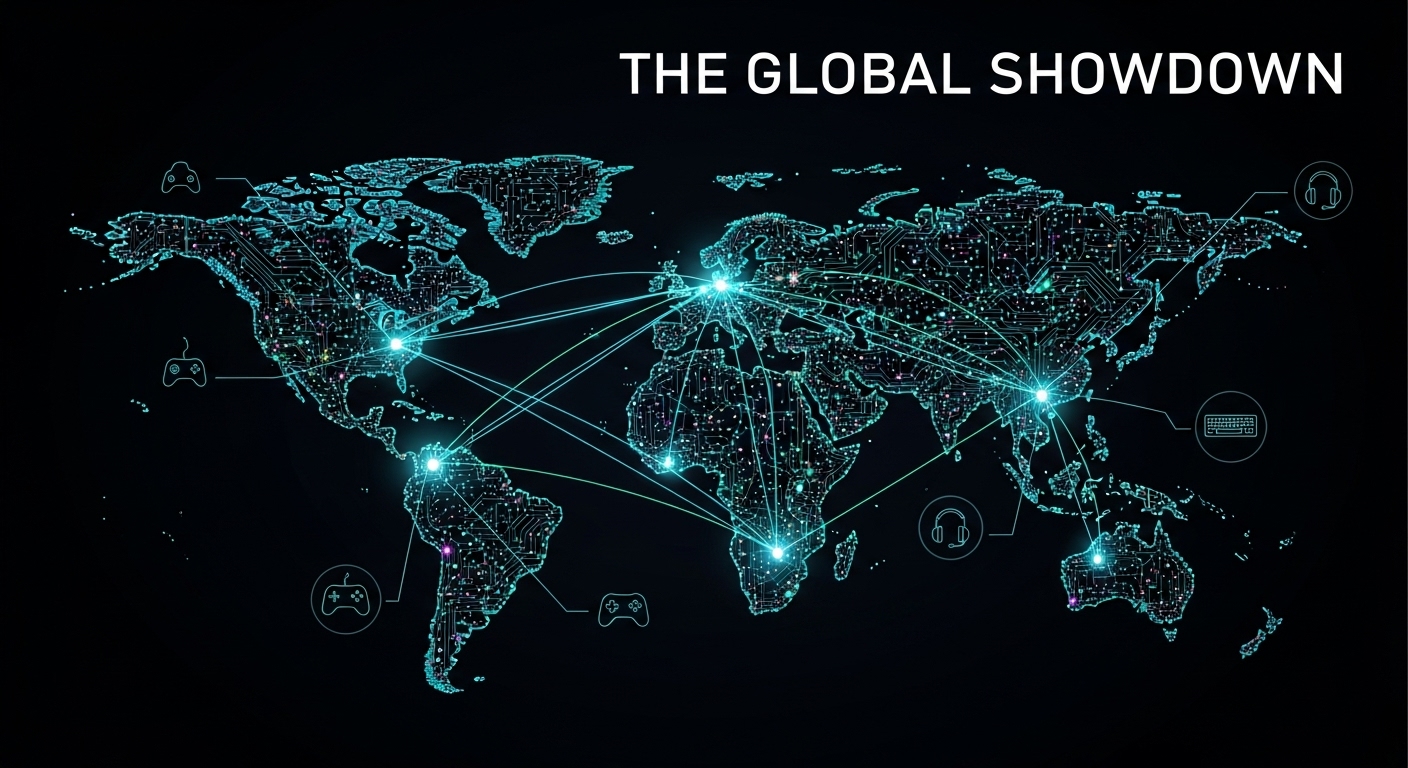
The Global Spread of Esports
Esports is no longer concentrated in one region—it’s a global movement.
- Asia: South Korea remains the spiritual home of professional gaming, with infrastructure that supports early training and education in Esports. China has become a powerhouse too, producing some of the largest audiences and investments.
- North America: Home to major organizations and leagues, it’s the hub of Esports marketing and sponsorship.
- Europe: Known for producing world-class players across multiple games, especially CS:GO and League of Legends.
- Middle East & Africa: Emerging markets where governments and investors are beginning to recognize Esports’ potential.
- Latin America: Bursting with passionate fanbases and talented players, especially in mobile and fighting games.
This worldwide reach has led to international tournaments that feel like the Olympics of gaming—complete with national pride, cultural exchange, and global recognition.
The Rise of Mobile Esports
One of the most interesting developments in recent years is the rise of mobile Esports. Titles like PUBG Mobile, Free Fire, and Mobile Legends: Bang Bang have brought competitive gaming to regions where console or PC gaming isn’t as widespread.
Mobile Esports events now fill stadiums in Southeast Asia, India, and Latin America. The accessibility of smartphones has democratized gaming, allowing anyone with a device and a good connection to compete.
Developers have embraced this, building ecosystems and tournaments specifically for mobile players, proving that Esports is not limited to high-end PCs or expensive setups.
Challenges Facing the Esports Industry
Despite its explosive growth, Esports faces significant challenges that it must navigate carefully.
1. Player Health and Burnout
Professional gaming demands intense focus, long practice hours, and constant travel. Many players experience physical strain, mental fatigue, and burnout at a young age. Organizations are now investing in wellness programs and structured schedules to address this.
2. Financial Stability
While top players and organizations thrive, many smaller teams struggle to stay afloat. Esports is still finding its balance between sustainable revenue and rapid growth.
3. Diversity and Inclusion
The Esports scene has faced criticism for being male-dominated. Efforts are underway to encourage diversity, support women’s leagues, and create safer spaces for all players.
4. Regulation and Governance
As money pours in, the industry needs clear regulations on contracts, cheating, and player rights. Different regions are experimenting with federations and laws to ensure fair competition.
5. Longevity of Games
Unlike traditional sports, Esports depends on the popularity of specific games. When a game loses relevance, its competitive scene can fade overnight. Developers have a major influence on the ecosystem’s lifespan.
The Future of Esports
The future of Esports looks promising and innovative. Virtual reality (VR), augmented reality (AR), and cloud gaming may redefine how we play and watch. The line between traditional sports and Esports continues to blur, with events like Formula 1 and the NBA creating digital leagues.
Educational institutions are getting involved too. Universities around the world now offer Esports scholarships, degrees in game design, and business programs focused on this growing field.
The integration of Esports into mainstream entertainment is nearly complete. It’s featured in global events, televised on major networks, and recognized by the International Olympic Committee. There’s even discussion about Esports becoming part of future Olympic Games.
As technology evolves, so will the games, the strategies, and the audience experience. From holographic displays to real-time VR spectating, the possibilities are endless.
The Human Side: Why People Love Esports
At its heart, Esports is about human stories—victory, defeat, teamwork, and growth. It’s about individuals pushing their limits and fans rallying behind them.
Unlike traditional sports, Esports offers accessibility. Anyone can pick up a game, compete, and potentially rise to the top. It’s merit-based, skill-driven, and deeply personal. Players come from all backgrounds, united by passion and the desire to prove themselves.
Esports also offers a sense of belonging. For many, it’s more than entertainment—it’s a community. Fans form friendships across borders, find identity in teams, and participate in something larger than themselves.
Esports as a Career Path
A decade ago, telling someone you wanted to “go pro” in gaming would’ve earned puzzled looks. Now, it’s a legitimate aspiration.
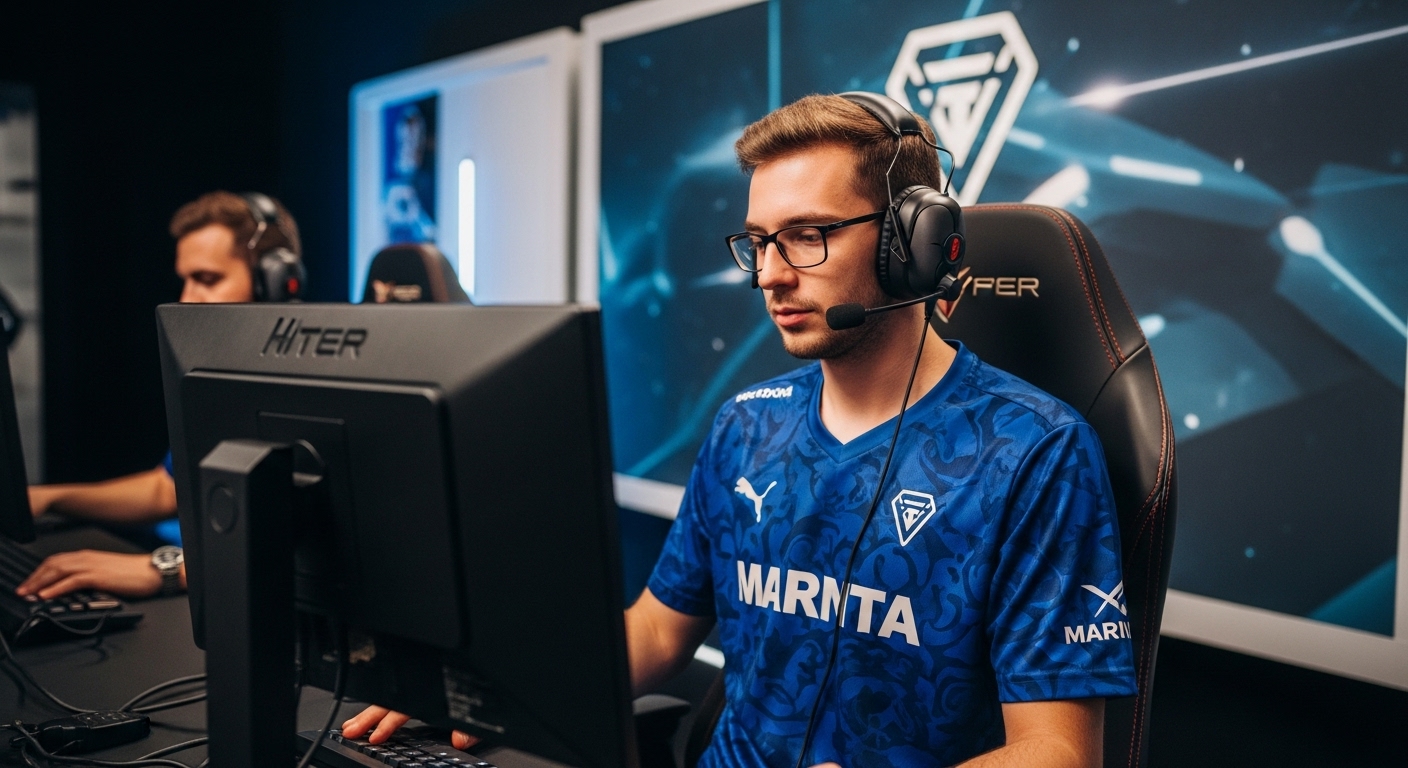
Professional players can earn salaries, sponsorships, and streaming revenue. But the ecosystem offers far more: production, coaching, commentary, analytics, journalism, event management, marketing, and design.
Colleges are even creating Esports management degrees to prepare students for careers in this rapidly expanding industry. The job market surrounding Esports mirrors that of traditional sports—with its own agents, trainers, and broadcasters.
Traditional Sports Meets Esports
In recent years, traditional sports organizations have embraced Esports. Football clubs like Manchester City, Paris Saint-Germain, and FC Barcelona have Esports divisions. The NBA launched the NBA 2K League, blending real-world franchises with virtual competition.
This crossover benefits both worlds. Esports gains legitimacy and infrastructure, while traditional sports reach younger, digital audiences. It’s a partnership that showcases how competition, whether physical or digital, speaks the same universal language.
Women in Esports
Though men have historically dominated Esports, women are making their mark. Female players, streamers, and analysts are gaining recognition for their skill and influence.
Organizations are now forming all-women teams and inclusive tournaments to promote diversity. Beyond players, women are also shaping Esports through management, journalism, production, and creative leadership.
Representation matters. When young girls see women excelling in Esports, it breaks stereotypes and inspires a new generation of players.
Conclusion: The Game Has Only Just Begun
Esports has come a long way—from dimly lit LAN parties to sold-out arenas, from basement competitions to global sponsorships. It’s not just entertainment; it’s a movement that reflects the digital age’s creativity, competitiveness, and connection.
The essence of Esports is simple yet powerful: it’s about playing, improving, and belonging. It bridges cultures, generations, and technologies. And as it continues to evolve, it shows that the future of competition isn’t confined to physical fields or courts—it’s happening in pixels, on screens, and in the hearts of millions.
The rise of Esports is more than a story about games. It’s about humanity’s endless drive to compete, connect, and create new forms of excellence. The game, as they say, is far from over.